Loading Wildlife…

Fringillidae LC

THE

CANARY

Golden Voice of the Atlantic

Serinus canaria

Europe
CLASS Aves FAMILY Fringillidae GENUS Serinus
48 km/h
Top Speed
⚖️
15–25 g kg
Max Weight
📏
11–13 cm
Body Length
🕰️
5–15 years
Lifespan
🍖
Granivore
Diet Type

IUCN Red List — Where this species stands

LC Least Concern
NT Near Threatened
VU Vulnerable
EN Endangered
CR Critical
EW Extinct Wild
EX Extinct

About the Canary

Serinus canaria

Advertisement

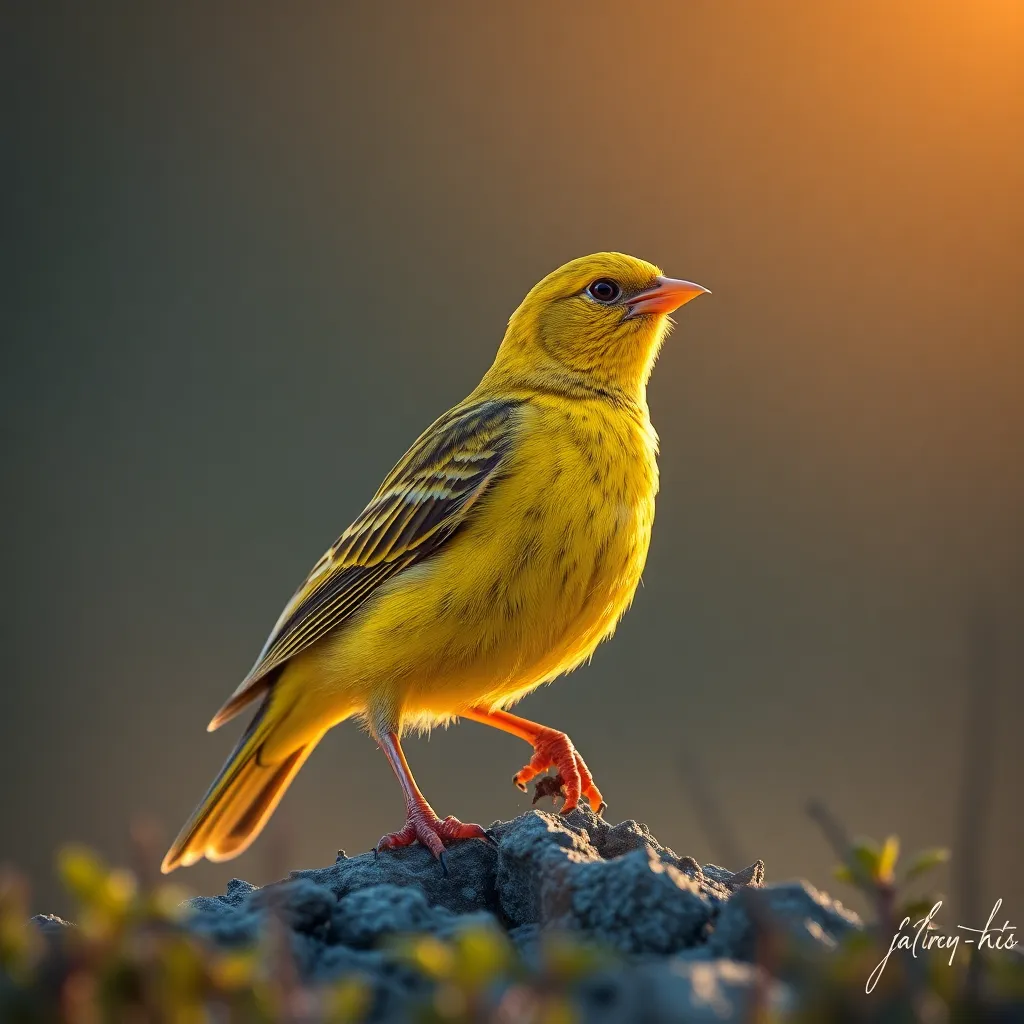
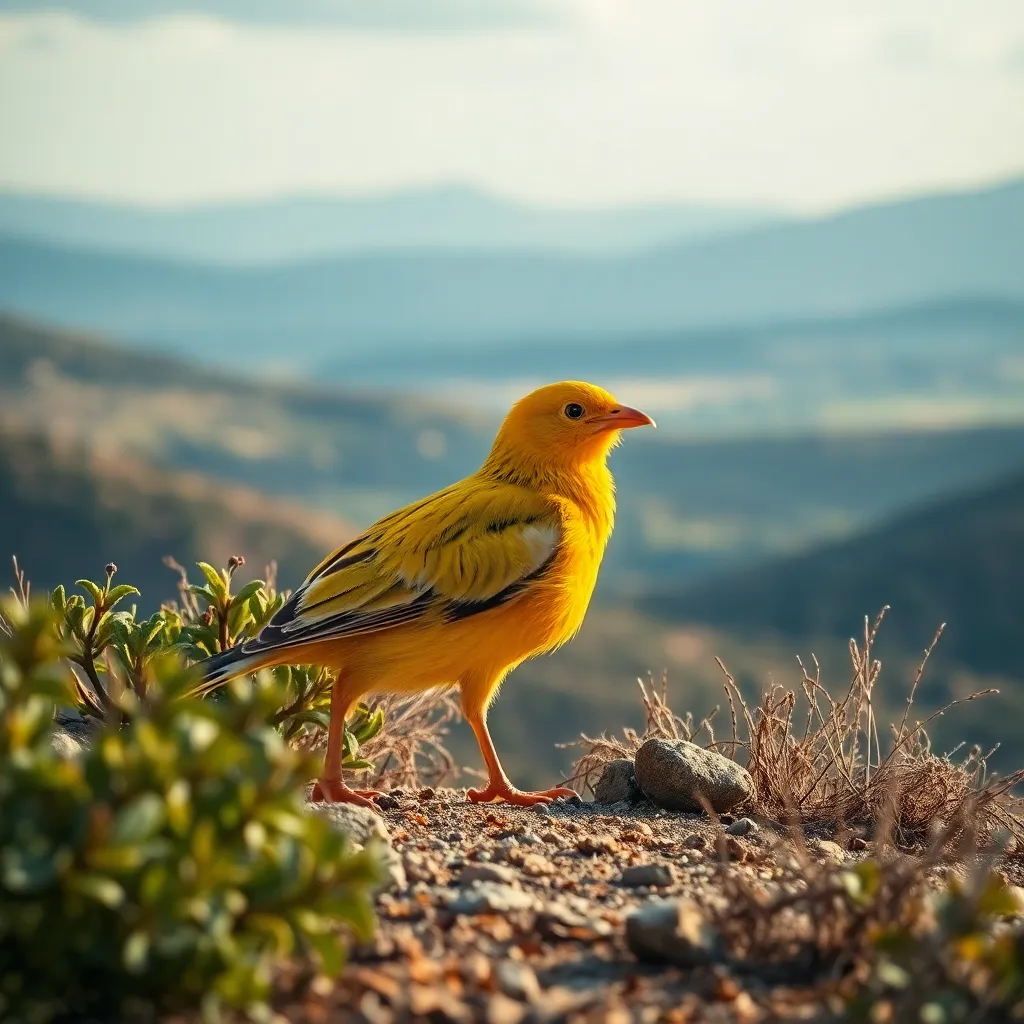
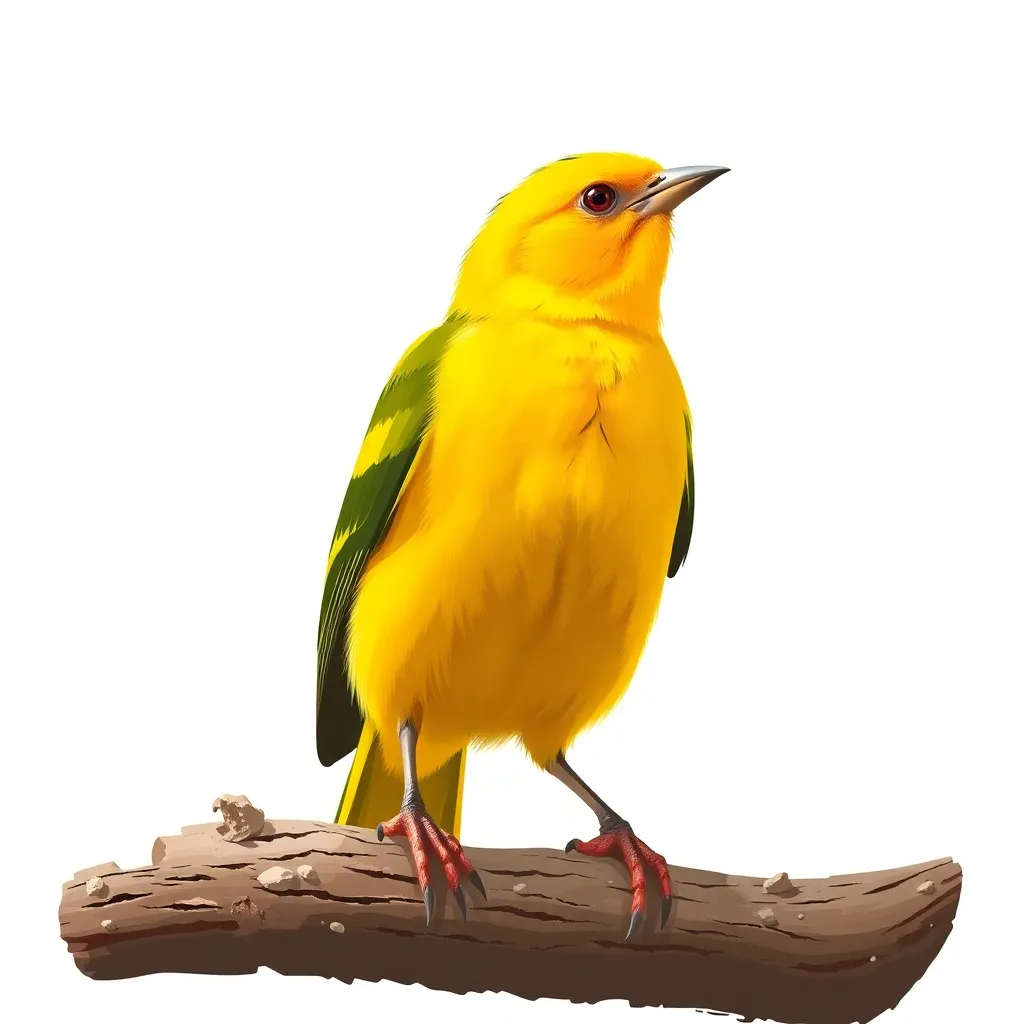
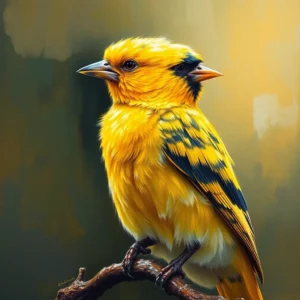
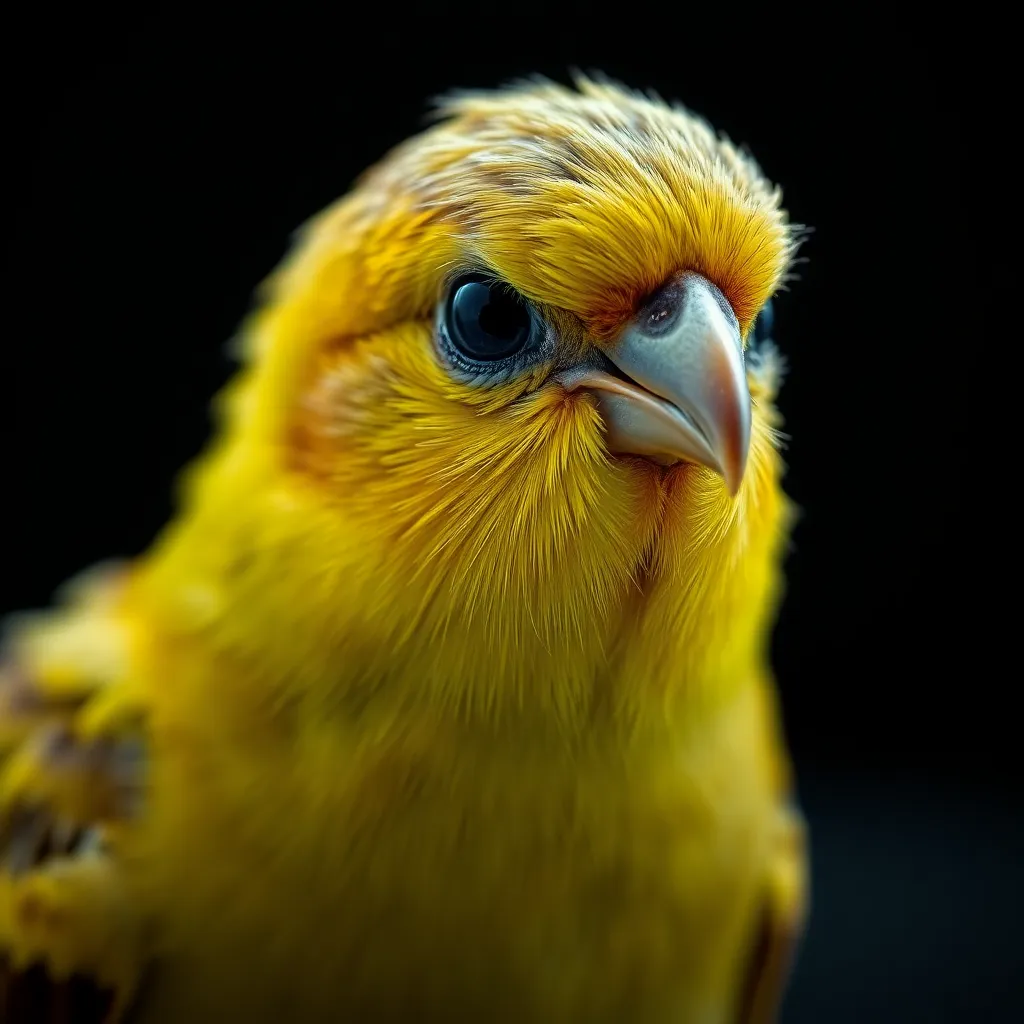
The Atlantic canary is a small finch native to the Macaronesian islands of the Canaries, Azores, and Madeira, where wild birds display olive-green plumage very different from the bright yellow domestic varieties cultivated through centuries of selective breeding. Male canaries are among the most accomplished avian singers, producing long, intricate songs composed of up to 30 distinct note types. Their extraordinary vocal ability and hardiness made them indispensable companions in coal mines, where they served as early warning systems for toxic gases.

⚡ Speed Comparison

Human
12 km/h
Canary
48 km/h
Car (city)
50 km/h
Horse
54 km/h

💡 Fun Facts

01

Wild canaries are actually olive-green, not yellow — the vivid yellow coloration of domestic canaries was achieved through over 400 years of selective breeding after they were first brought to Europe around 1600.

02

Coal miners used canaries as living gas detectors from the 1880s until 1986 in the UK; a canary losing consciousness warned miners of carbon monoxide up to 10 minutes before human symptoms appeared.

03

Male canaries regenerate new song-learning brain neurons (neurogenesis in the HVC nucleus) every autumn, allowing them to learn a fresh song each breeding season.

04

Canaries can produce sounds at frequencies above 8,000 Hz — notes so high-pitched they are inaudible to most adult humans without amplification.

05

Male canaries will completely change their song repertoire if they hear a more complex singer nearby, socially learning and incorporating new syllables in real time.

Unlock Expert Wildlife Facts

Watch a short 15-second video to unlock detailed expert analysis, exclusive wildlife photography, and rare behavioral facts.

📍 Where to Find This Animal

🛒 Canary Related Gear

As an Amazon Associate we earn from qualifying purchases.
🗨️

Join the Conversation

Share your thoughts about the Canary

✍️

Leave a Comment

Your email address will not be published. Required fields are marked *

How Big Is a Canary?

Side-by-side comparison with an adult human (175 cm)

🧍
Human
175 cm
🐦
Canary
65 cm
shoulder height
15–25 BODY WEIGHT
11–13 BODY LENGTH
48 TOP SPEED
5–15 LIFESPAN
Canary close-up
Canary

SURVIVAL TOOLKIT

Built for Survival

Nature's engineering refined over millions of years

🔬 SURVIVAL TOOLKIT
Complex Syrinx Musculature
01

Complex Syrinx Musculature

Up to nine pairs of specialized muscles control the syrinx with extreme precision, enabling the production of multi-note phrases at speeds exceeding 30 notes per second.

Seasonal Neurogenesis
02

Seasonal Neurogenesis

The song-control nucleus (HVC) expands by adding thousands of new neurons each spring under testosterone influence, supporting the learning and production of a new song.

Gas Sensitivity
03

Gas Sensitivity

A highly efficient avian respiratory system and sensitive hemoglobin make canaries detectably affected by CO concentrations as low as 0.005% — far below human perception thresholds.

Seed Husking Bill
04

Seed Husking Bill

A short, strong conical bill with a ridged palate strips seed husks efficiently, and can switch between different seed sizes with minor mandible adjustments.

Photoperiod Breeding Cue
05

Photoperiod Breeding Cue

Reproductive physiology is tightly coupled to day length; increasing spring photoperiod triggers a hormonal cascade that initiates singing, gonad development, and nesting behavior.

Golden Voice of the Atlantic. An extraordinary creature that reminds us what we stand to lose.

Jungal Safari · Wildlife Network
💡

Did You Know?

Wild canaries are actually olive-green, not yellow — the vivid yellow coloration of domestic canaries was achieved through over 400 years of selective breeding after they were first brought to Europe around 1600.

🍖 DIET: GRANIVORE

What Does the Canary Eat?

🌾
Grass Seeds
🌼
Flower Seeds
🌿
Buds & Shoots
🦟
Small Insects (breeding)
🫐
Small Berries
🗺️ GEOGRAPHIC RANGE

Where Do Canarys Live?

🌍
Continents
➡️
Population Trend Stable

Conservation in Action

How You Can Help the Canary

Small actions, taken together, can reverse the decline of species like this one

🌳
Protect Habitat

Support wildlife reserves and protected land corridors

🚫
Stop Poaching

Report illegal trade and back anti-poaching patrols

🔬
Fund Research

Camera-trap studies and population monitoring

🤝
Community Work

Partner with local herders to reduce conflict

📢
Raise Awareness

Educate and inspire future wildlife champions

"Without urgent action, the Canary could disappear from the wild within our lifetime."

PROTECT THEM. PRESERVE THEIR LEGACY.

The Canary's Future
Is In Our Hands

Every share, every donation, every voice raised — makes a difference for wildlife conservation.

🌳Protect Habitat
📢Raise Awareness
💰Fund Research
🤝Community Work
🚫Stop Poaching

"Protect Wildlife. Preserve Our Planet."

Every species matters. Every action counts.

Advertisement