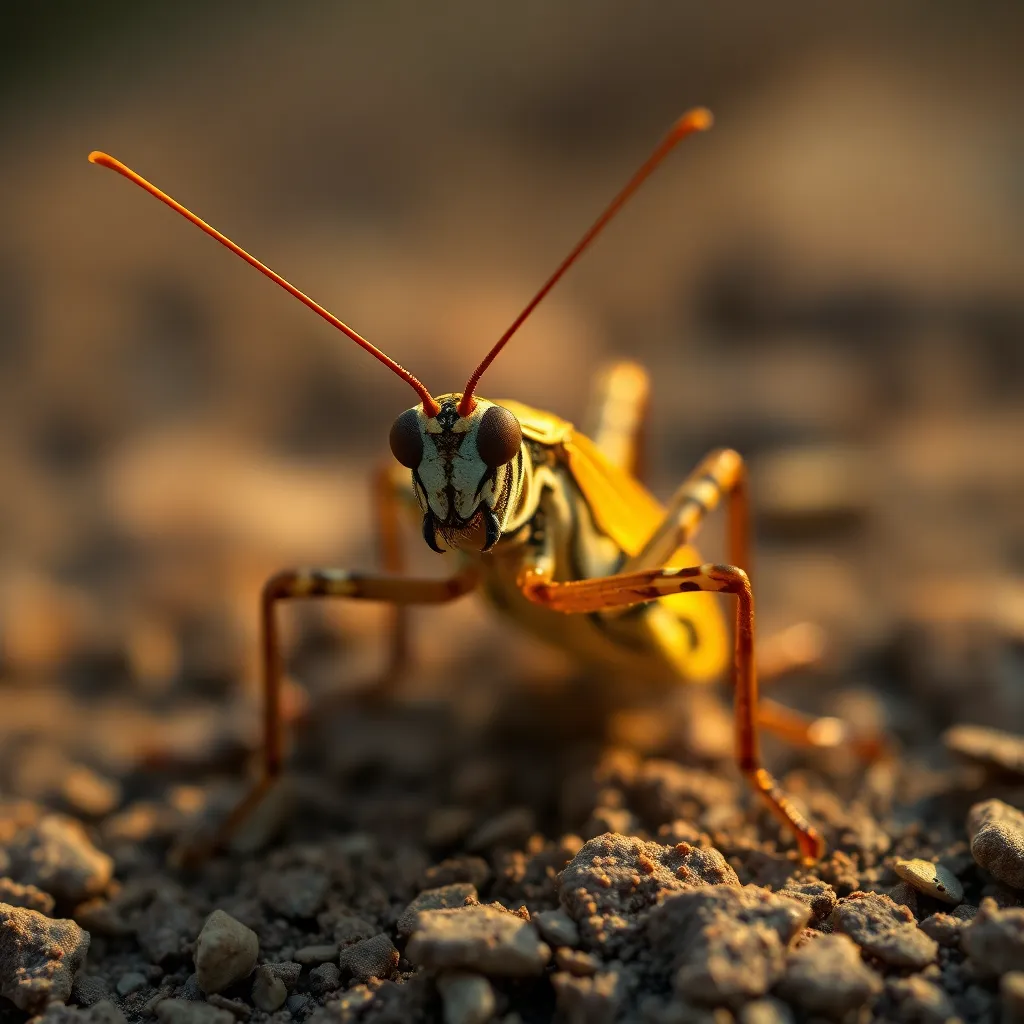
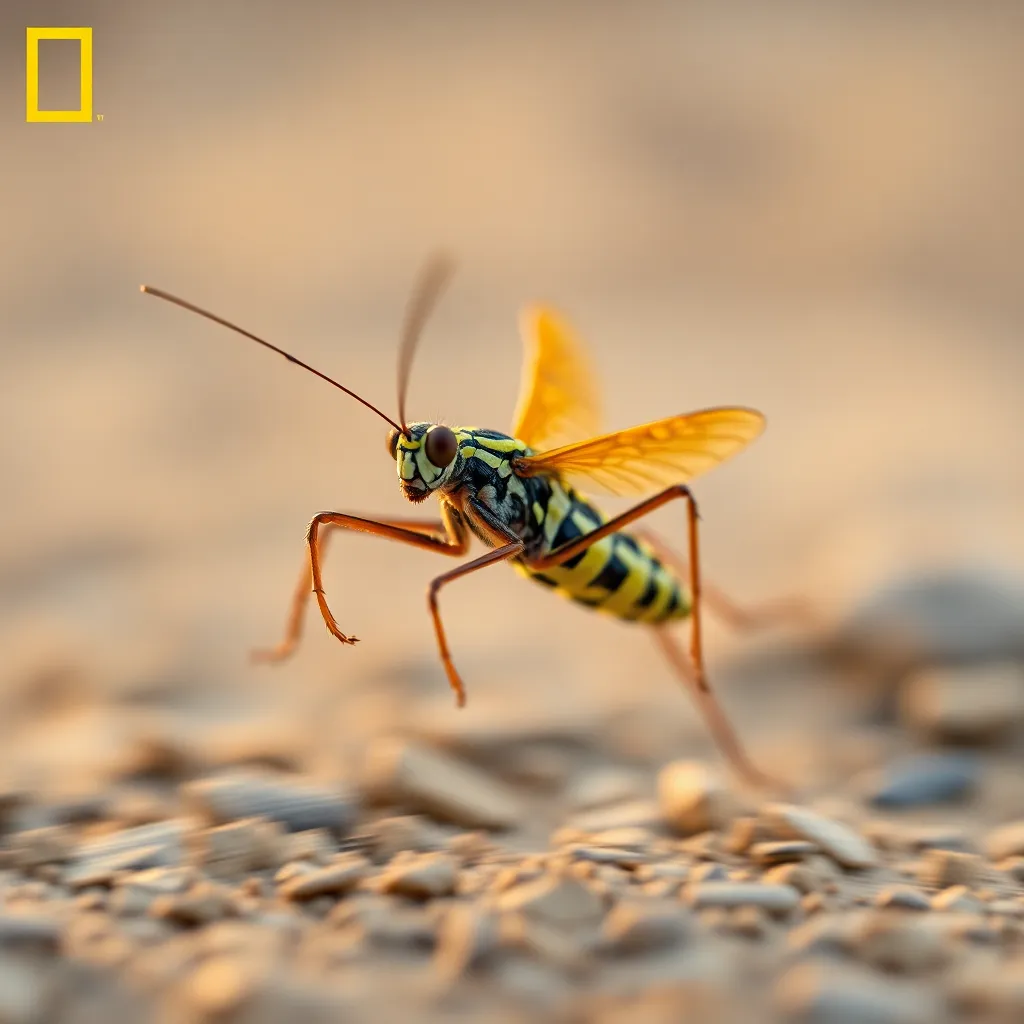
The two-spotted field cricket is found across Africa, South Asia, and southern Europe, and is one of the most widely studied cricket species in behavioral biology. Male crickets produce their characteristic song not by vocal cords but by stridulation — rubbing a file structure on one wing against a scraper on the other. Cricket song speed is directly correlated with temperature, and the ‘Dolbear’s Law’ formula can calculate ambient temperature accurately within one degree from the chirp rate.
About the Cricket
Gryllus bimaculatus
Advertisement
⚡ Speed Comparison
📸 Photo Gallery



💡 Fun Facts
01
Dolbear's Law states you can calculate the temperature in Fahrenheit by counting cricket chirps in 14 seconds and adding 40 — accurate to within 1°F.
02
Crickets hear through tympanic organs located on their forelegs, just below the knee joint.
03
Male crickets produce three distinct calls: a calling song to attract females, a courtship song when a female is nearby, and an aggressive song toward rival males.
04
Cricket protein contains all nine essential amino acids, more iron than spinach, and more calcium than milk, making them highly efficient as a food source.
05
Some cricket populations have evolved silence within 20 generations on islands where a parasitic fly locates hosts by sound — one of the fastest evolutionary changes ever documented.
📍 Where to Find This Animal
Habitat Types:
Grasslands and Agricultural Areas
🛒 Cricket Related Gear
As an Amazon Associate we earn from qualifying purchases.




Join the Conversation
Share your thoughts about the Cricket