Loading Wildlife…

Cyprinidae VU

THE

CARP

Ancient Wanderer of Still Waters

Cyprinus carpio

Asia
CLASS Actinopterygii FAMILY Cyprinidae GENUS Cyprinus
15 km/h
Top Speed
⚖️
4-14 kg
Max Weight
📏
40-100 cm
Body Length
🕰️
20-50 years
Lifespan
🍖
Omnivore
Diet Type

IUCN Red List — Where this species stands

LC Least Concern
NT Near Threatened
VU Vulnerable
EN Endangered
CR Critical
EW Extinct Wild
EX Extinct

About the Carp

Cyprinus carpio

Advertisement

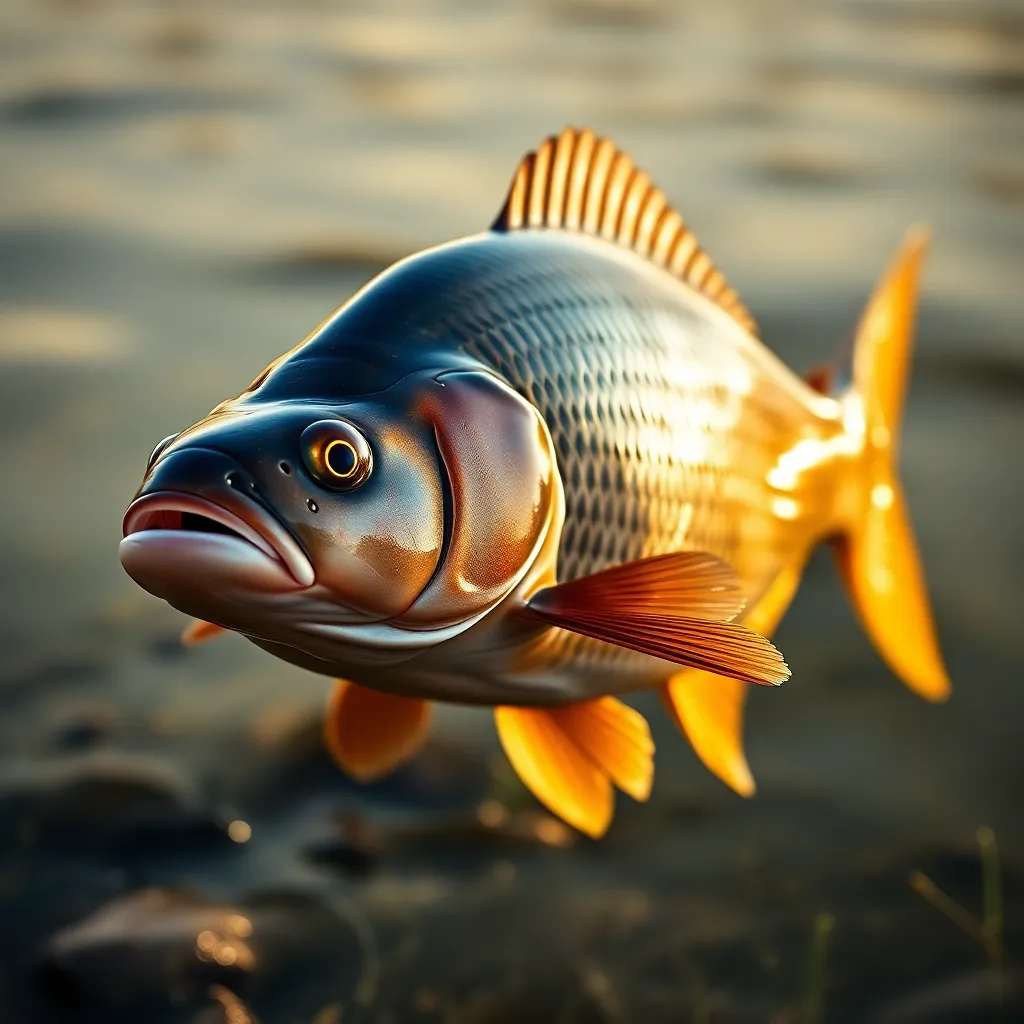
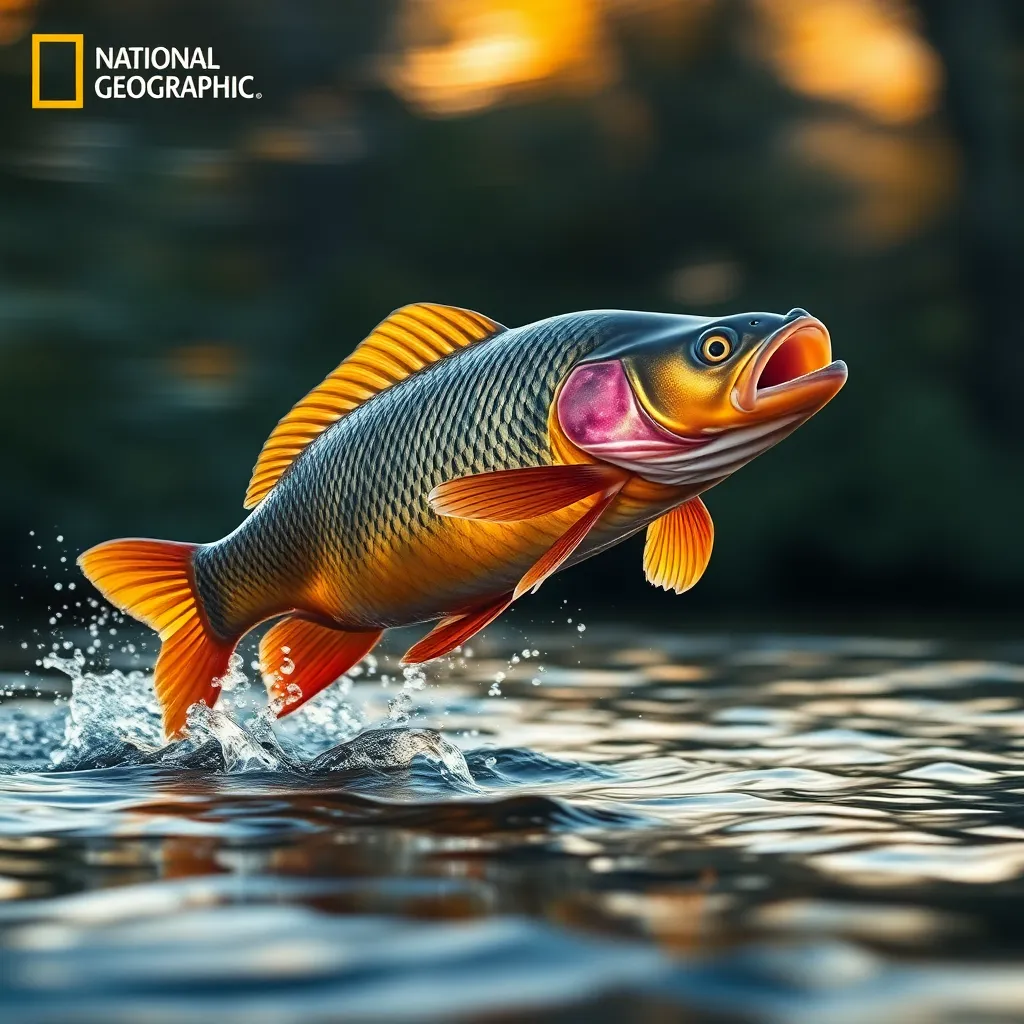
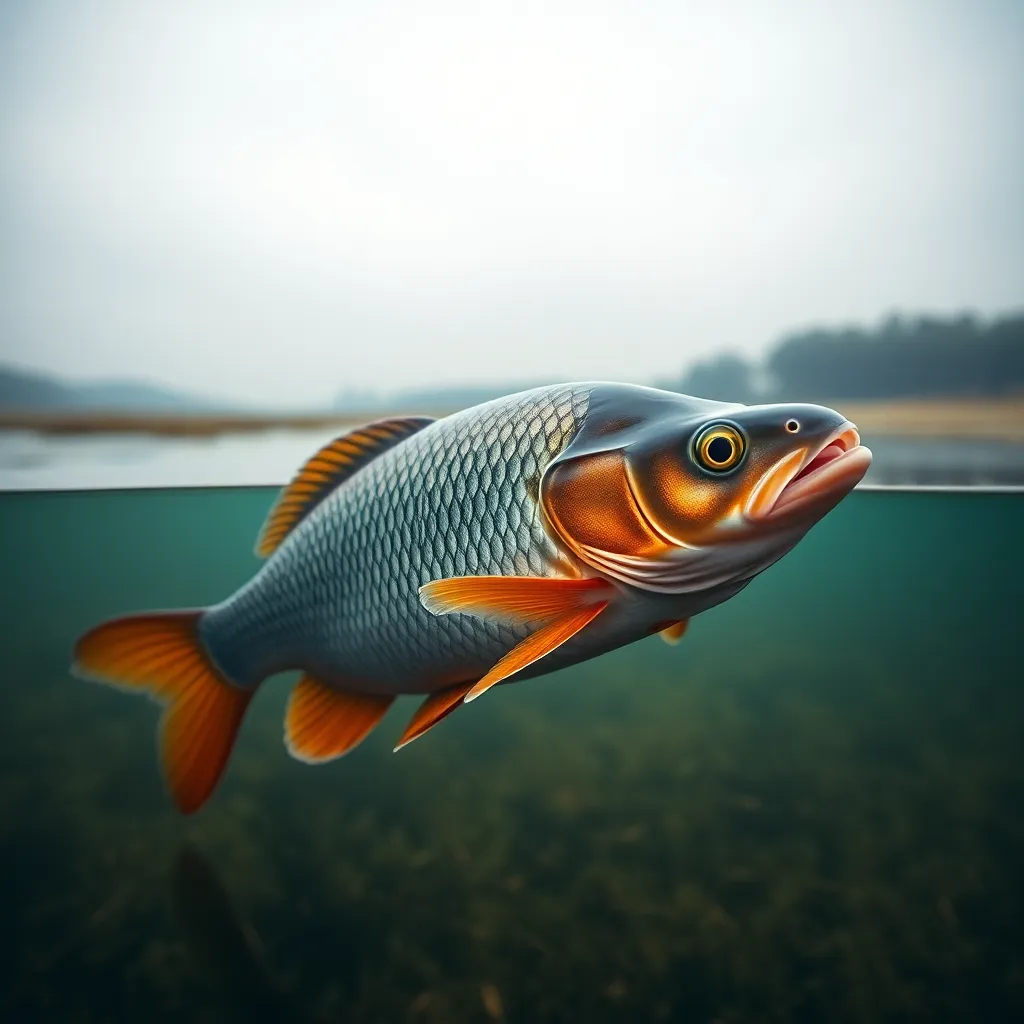
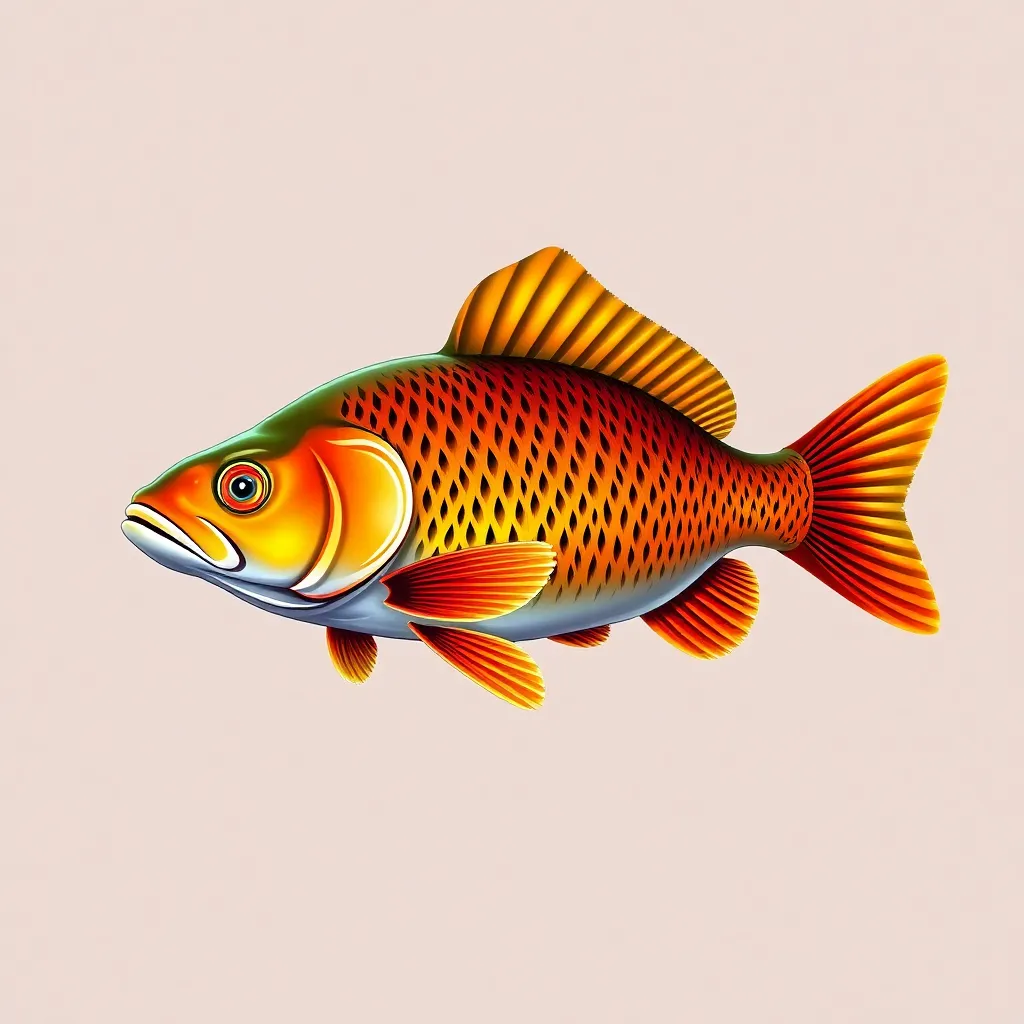
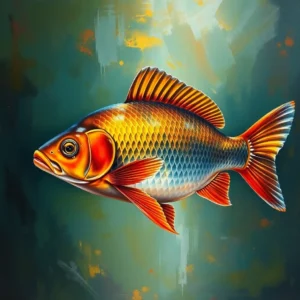
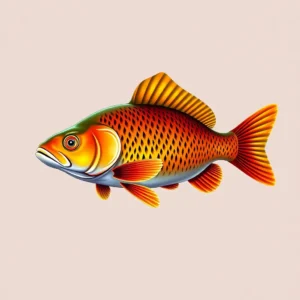
The Common Carp is one of the world’s oldest cultivated fish, bred in China over 2,000 years ago and spread by humans to virtually every continent where it has often become a prolific invasive species. Wild common carp are quite different from the ornamental Koi — which are domesticated color variants — being a more streamlined, brownish fish of turbid lowland rivers. Their extraordinary ability to survive in low-oxygen, warm, and polluted water makes them ecological survivors, but also highly effective competitors that damage aquatic ecosystems where they are introduced.

⚡ Speed Comparison

Human
12 km/h
Carp
15 km/h
Car (city)
50 km/h
Horse
54 km/h

💡 Fun Facts

01

Carp can survive in water with oxygen levels so low (below 0.3 mg/L) that most fish die, by producing ethanol as a metabolic byproduct instead of toxic lactic acid.

02

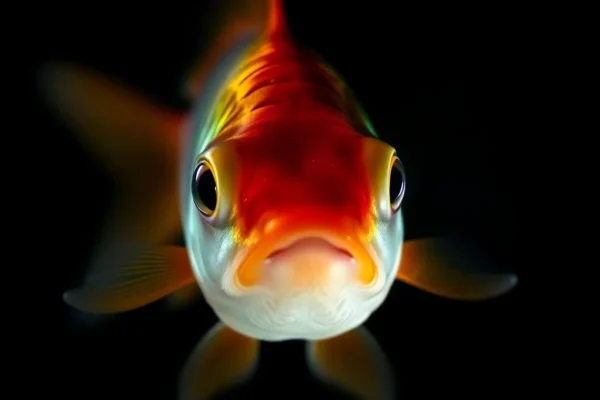
A carp's sense of taste is remarkable — it has taste buds distributed not just in the mouth but across its lips and barbels, tasting the substrate before ingesting it.

03

Koi carp have been selectively bred for over 1,000 years in Japan and can live over 200 years; the legendary 'Hanako' koi reportedly lived to 226 years old.

04

Carp do not have a true stomach — food passes directly from the esophagus to the intestine, requiring almost continuous feeding to extract sufficient nutrition.

05

A single large female carp can release over 1 million eggs in a single spawning event, contributing to their explosive population growth when introduced.

Unlock Expert Wildlife Facts

Watch a short 15-second video to unlock detailed expert analysis, exclusive wildlife photography, and rare behavioral facts.

📍 Where to Find This Animal

🛒 Carp Related Gear

As an Amazon Associate we earn from qualifying purchases.
🗨️

Join the Conversation

Share your thoughts about the Carp

✍️

Leave a Comment

Your email address will not be published. Required fields are marked *

How Big Is a Carp?

Side-by-side comparison with an adult human (175 cm)

🧍
Human
175 cm
🐟
Carp
65 cm
shoulder height
4-14 BODY WEIGHT
40-100 BODY LENGTH
15 TOP SPEED
20-50 LIFESPAN
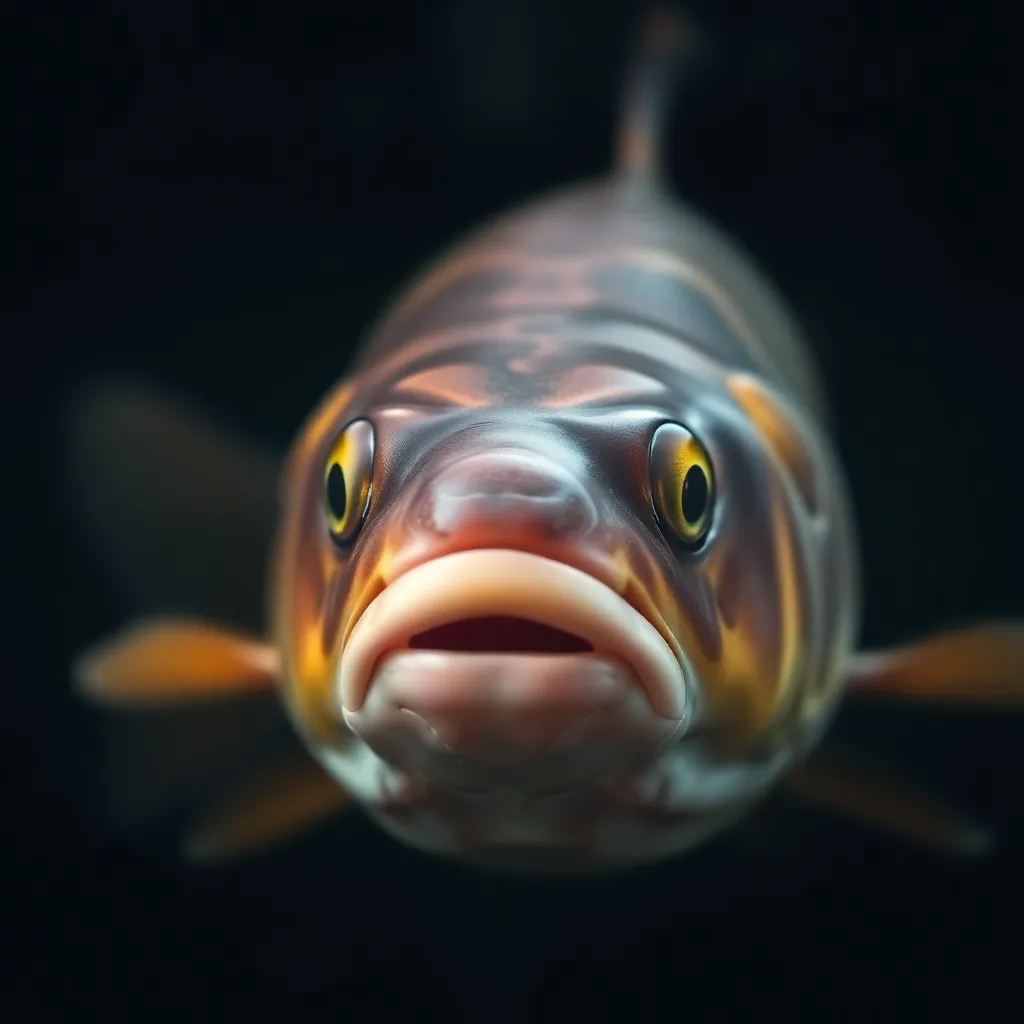
Carp close-up
Carp

SURVIVAL TOOLKIT

Built for Survival

Nature's engineering refined over millions of years

🔬 SURVIVAL TOOLKIT
Anoxia Tolerance
01

Anoxia Tolerance

Under extreme hypoxia, carp switch to anaerobic metabolism producing ethanol (not lactic acid), which diffuses harmlessly out through the gills.

Sensory Barbels
02

Sensory Barbels

Barbels around the mouth are densely packed with chemoreceptors and taste buds, allowing the detection of buried food in muddy sediment.

Thermal Tolerance
03

Thermal Tolerance

Active enzyme variants allow physiological function across 4–35°C, enabling year-round activity in temperate climates.

Weberian Apparatus
04

Weberian Apparatus

Specialized bones connecting the swim bladder to the inner ear dramatically enhance hearing sensitivity for detecting predators and conspecifics.

Substrate Rooting
05

Substrate Rooting

Powerful muscular lips and jaws root through bottom sediments, uprooting aquatic plants and suspending nutrients in the water column.

Ancient Wanderer of Still Waters. An extraordinary creature that reminds us what we stand to lose.

Jungal Safari · Wildlife Network
💡

Did You Know?

Carp can survive in water with oxygen levels so low (below 0.3 mg/L) that most fish die, by producing ethanol as a metabolic byproduct instead of toxic lactic acid.

🍖 DIET: OMNIVORE

What Does the Carp Eat?

🪱
Worms & Larvae
🌿
Aquatic Plants
🦟
Insects & Crustaceans
🐛
Molluscs & Snails
🌱
Seeds & Detritus
🗺️ GEOGRAPHIC RANGE

Where Do Carps Live?

🌍
Continents
➡️
Population Trend Stable

Conservation in Action

How You Can Help the Carp

Small actions, taken together, can reverse the decline of species like this one

🌳
Protect Habitat

Support wildlife reserves and protected land corridors

🚫
Stop Poaching

Report illegal trade and back anti-poaching patrols

🔬
Fund Research

Camera-trap studies and population monitoring

🤝
Community Work

Partner with local herders to reduce conflict

📢
Raise Awareness

Educate and inspire future wildlife champions

"Without urgent action, the Carp could disappear from the wild within our lifetime."

PROTECT THEM. PRESERVE THEIR LEGACY.

The Carp's Future
Is In Our Hands

Every share, every donation, every voice raised — makes a difference for wildlife conservation.

🌳Protect Habitat
📢Raise Awareness
💰Fund Research
🤝Community Work
🚫Stop Poaching

"Protect Wildlife. Preserve Our Planet."

Every species matters. Every action counts.

Advertisement