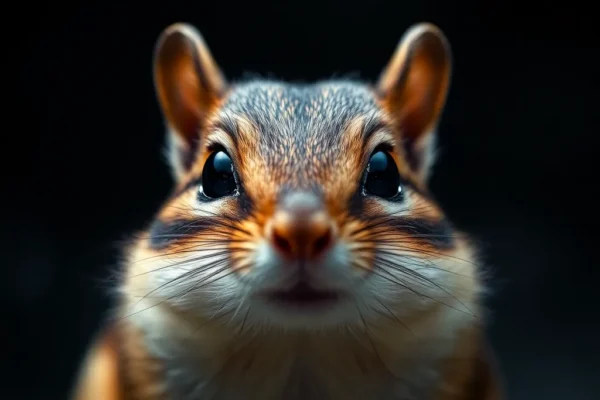
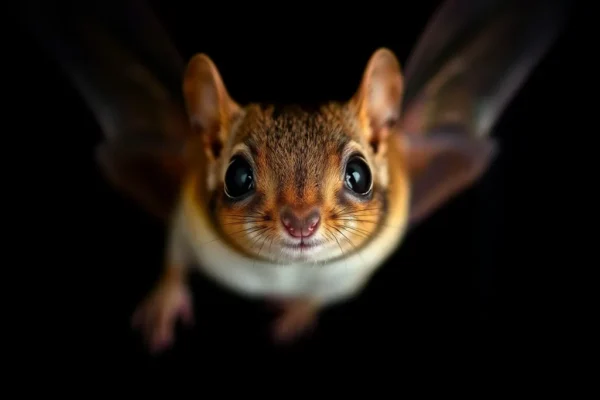
Loading Wildlife…

Sciuridae LC

THE

SQUIRREL

Acrobat of the Treetops

Sciurus carolinensis

Americas
CLASS Mammalia FAMILY Sciuridae GENUS Sciurus
25 km/h
Top Speed
⚖️
400–600 g kg
Max Weight
📏
23–30 cm (body)
Body Length
🕰️
6–12 years
Lifespan
🍖
Omnivore
Diet Type

IUCN Red List — Where this species stands

LC Least Concern
NT Near Threatened
VU Vulnerable
EN Endangered
CR Critical
EW Extinct Wild
EX Extinct

About the Squirrel

Sciurus carolinensis

Advertisement

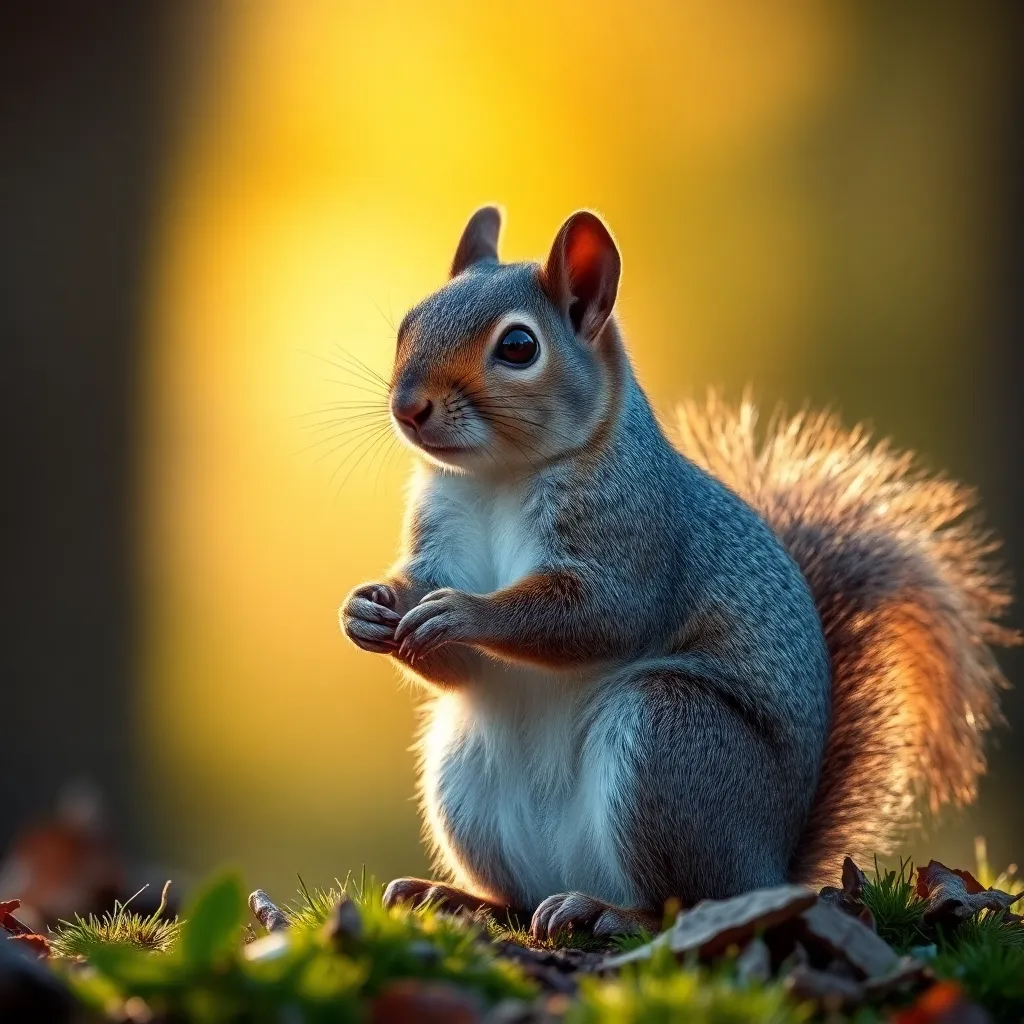
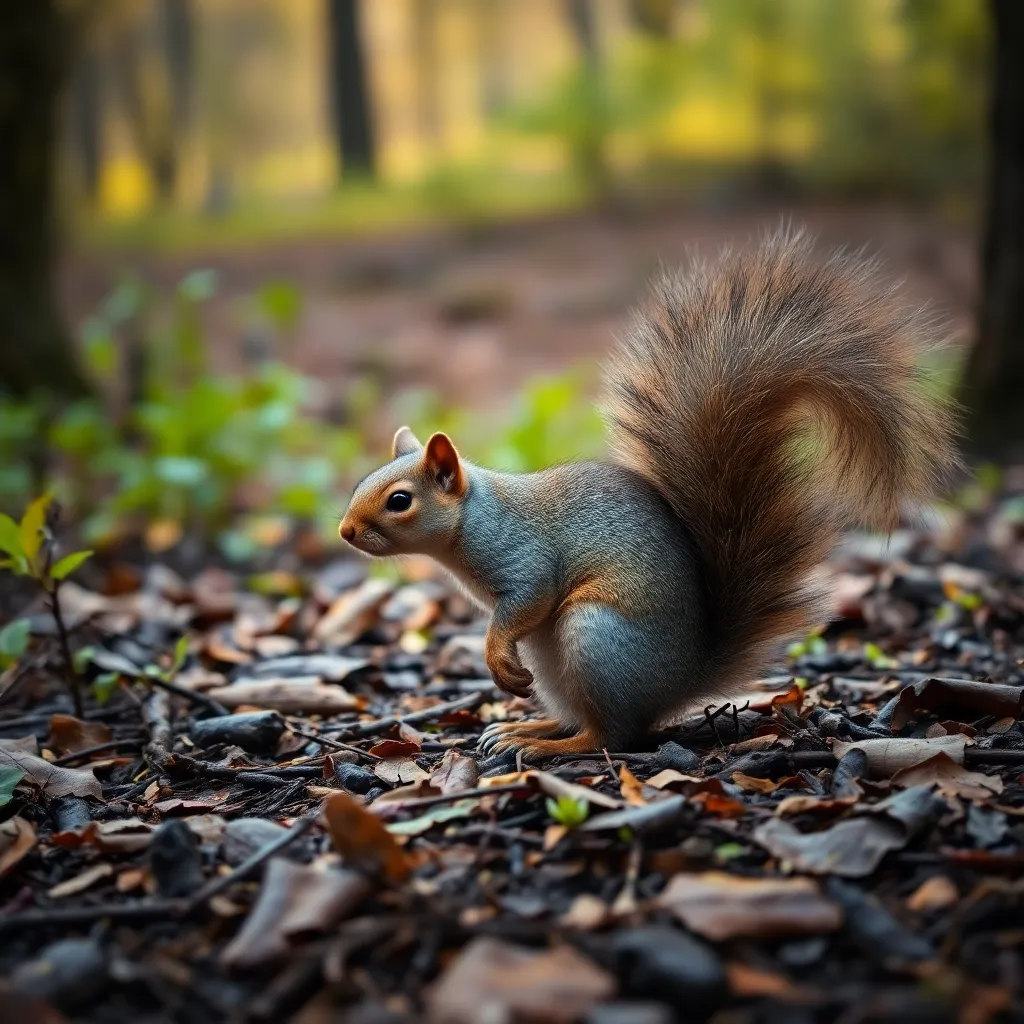
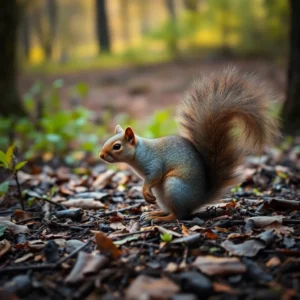
The eastern gray squirrel is one of North America’s most recognizable mammals, equally at home in mature hardwood forests and city parks. Renowned for their food-caching behavior, squirrels bury thousands of nuts each autumn and relocate them months later using an exceptional spatial memory. Introduced to Britain and other parts of Europe, the gray squirrel has become invasive, outcompeting the native red squirrel and changing forest composition.

⚡ Speed Comparison

Human
12 km/h
Squirrel
25 km/h
Car (city)
50 km/h
Horse
54 km/h

💡 Fun Facts

01

Gray squirrels engage in 'deceptive caching' — they pretend to bury a nut while actually palming it if they think another animal is watching, then relocate it elsewhere.

02

Squirrels recover roughly 74% of their cached food, even under snow, using a combination of spatial memory and keen sense of smell.

03

Their ankle joints can rotate 180 degrees, allowing them to descend trees headfirst — a feat very few mammals can perform.

04

Squirrels can communicate danger via two distinct tail-flick signals: a broad slow wave for terrestrial predators and rapid sharp flicks for aerial threats.

05

Young gray squirrels engage in play-fighting sessions that last up to 30 minutes, building the motor skills needed for adult tree-top navigation.

Unlock Expert Wildlife Facts

Watch a short 15-second video to unlock detailed expert analysis, exclusive wildlife photography, and rare behavioral facts.

📍 Where to Find This Animal

🛒 Squirrel Related Gear

As an Amazon Associate we earn from qualifying purchases.
🗨️

Join the Conversation

Share your thoughts about the Squirrel

✍️

Leave a Comment

Your email address will not be published. Required fields are marked *

How Big Is a Squirrel?

Side-by-side comparison with an adult human (175 cm)

🧍
Human
175 cm
🐿️
Squirrel
65 cm
shoulder height
400–600 BODY WEIGHT
23–30 BODY LENGTH
25 TOP SPEED
6–12 LIFESPAN
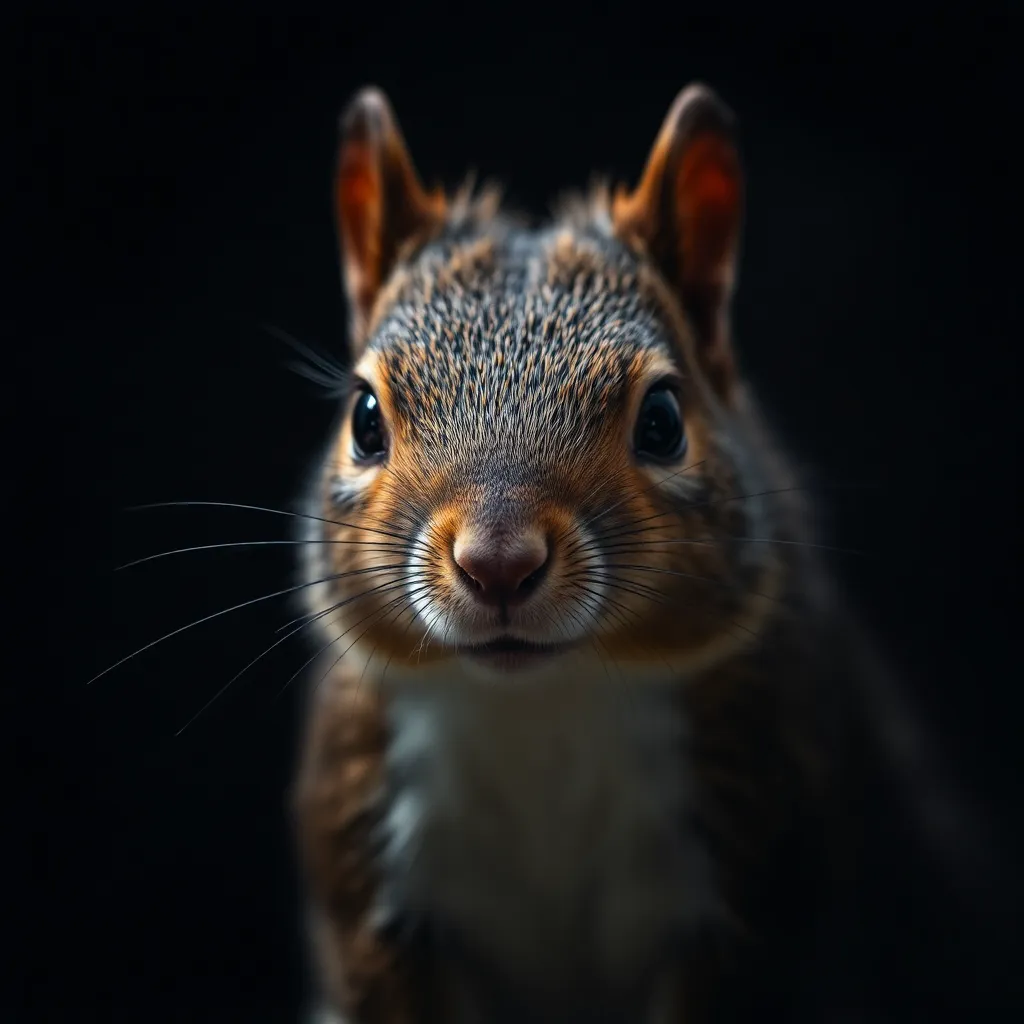
Squirrel close-up
Squirrel

SURVIVAL TOOLKIT

Built for Survival

Nature's engineering refined over millions of years

🔬 SURVIVAL TOOLKIT
Scatter Hoarding
01

Scatter Hoarding

Storing thousands of individual food caches distributed across a wide area minimizes losses from theft or a single cache being discovered.

Ever-Growing Incisors
02

Ever-Growing Incisors

Self-sharpening incisors grow continuously throughout life, maintaining a chisel-sharp edge perfectly suited for cracking hard nut shells.

Spatial Memory
03

Spatial Memory

An enlarged hippocampus expands seasonally in autumn to support the encoding of thousands of precise cache locations.

Reversible Ankles
04

Reversible Ankles

Flexible hind feet that can rotate 180 degrees let squirrels grip bark equally well when ascending or descending at high speed.

Bushy Tail Thermoregulation
05

Bushy Tail Thermoregulation

The large plume tail functions as a parasol in summer heat, a blanket during winter cold, and a counterbalance during arboreal acrobatics.

Wide-Angle Vision
06

Wide-Angle Vision

Eyes positioned laterally on the skull provide nearly 360-degree visual coverage, critical for spotting aerial predators while foraging on open ground.

Acrobat of the Treetops. An extraordinary creature that reminds us what we stand to lose.

Jungal Safari · Wildlife Network
💡

Did You Know?

Gray squirrels engage in 'deceptive caching' — they pretend to bury a nut while actually palming it if they think another animal is watching, then relocate it elsewhere.

🍖 DIET: OMNIVORE

What Does the Squirrel Eat?

🌰
Acorns & Nuts
🍄
Fungi
🌸
Buds & Flowers
🐛
Insects & Larvae
🥚
Bird Eggs (occasional)
🗺️ GEOGRAPHIC RANGE

Where Do Squirrels Live?

🌍
Continents
📈
Population Trend Increasing

Conservation in Action

How You Can Help the Squirrel

Small actions, taken together, can reverse the decline of species like this one

🌳
Protect Habitat

Support wildlife reserves and protected land corridors

🚫
Stop Poaching

Report illegal trade and back anti-poaching patrols

🔬
Fund Research

Camera-trap studies and population monitoring

🤝
Community Work

Partner with local herders to reduce conflict

📢
Raise Awareness

Educate and inspire future wildlife champions

"Without urgent action, the Squirrel could disappear from the wild within our lifetime."

PROTECT THEM. PRESERVE THEIR LEGACY.

The Squirrel's Future
Is In Our Hands

Every share, every donation, every voice raised — makes a difference for wildlife conservation.

🌳Protect Habitat
📢Raise Awareness
💰Fund Research
🤝Community Work
🚫Stop Poaching

"Protect Wildlife. Preserve Our Planet."

Every species matters. Every action counts.

Advertisement