Loading Wildlife…

Acroporidae CR

THE

CORAL

Architect of Ocean Cities

Acropora cervicornis

Global
CLASS Anthozoa FAMILY Acroporidae GENUS Acropora
0 km/h
Top Speed
⚖️
Varies kg
Max Weight
📏
Up to 3 m colony
Body Length
🕰️
5–10 years
Lifespan
🍖
Filter Feeder
Diet Type

IUCN Red List — Where this species stands

LC Least Concern
NT Near Threatened
VU Vulnerable
EN Endangered
CR Critical
EW Extinct Wild
EX Extinct

About the Coral

Acropora cervicornis

Advertisement

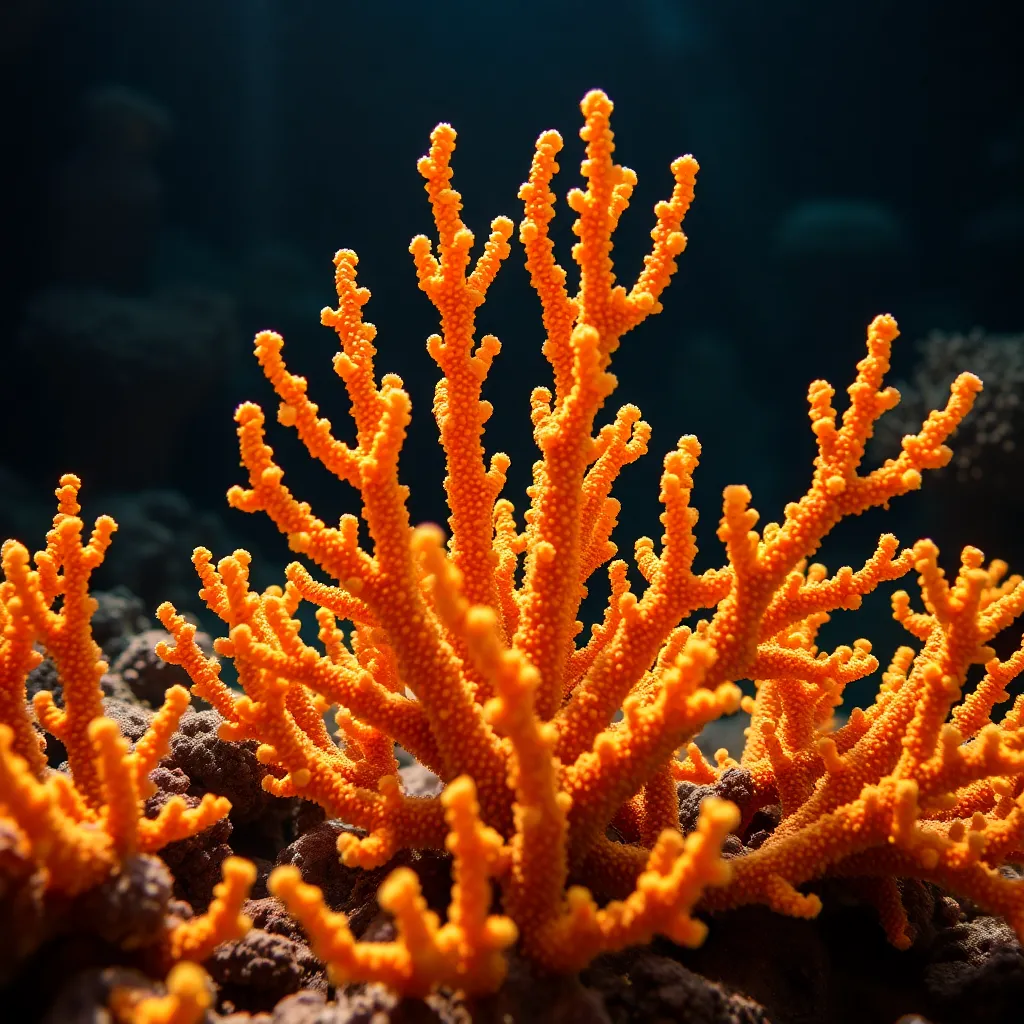
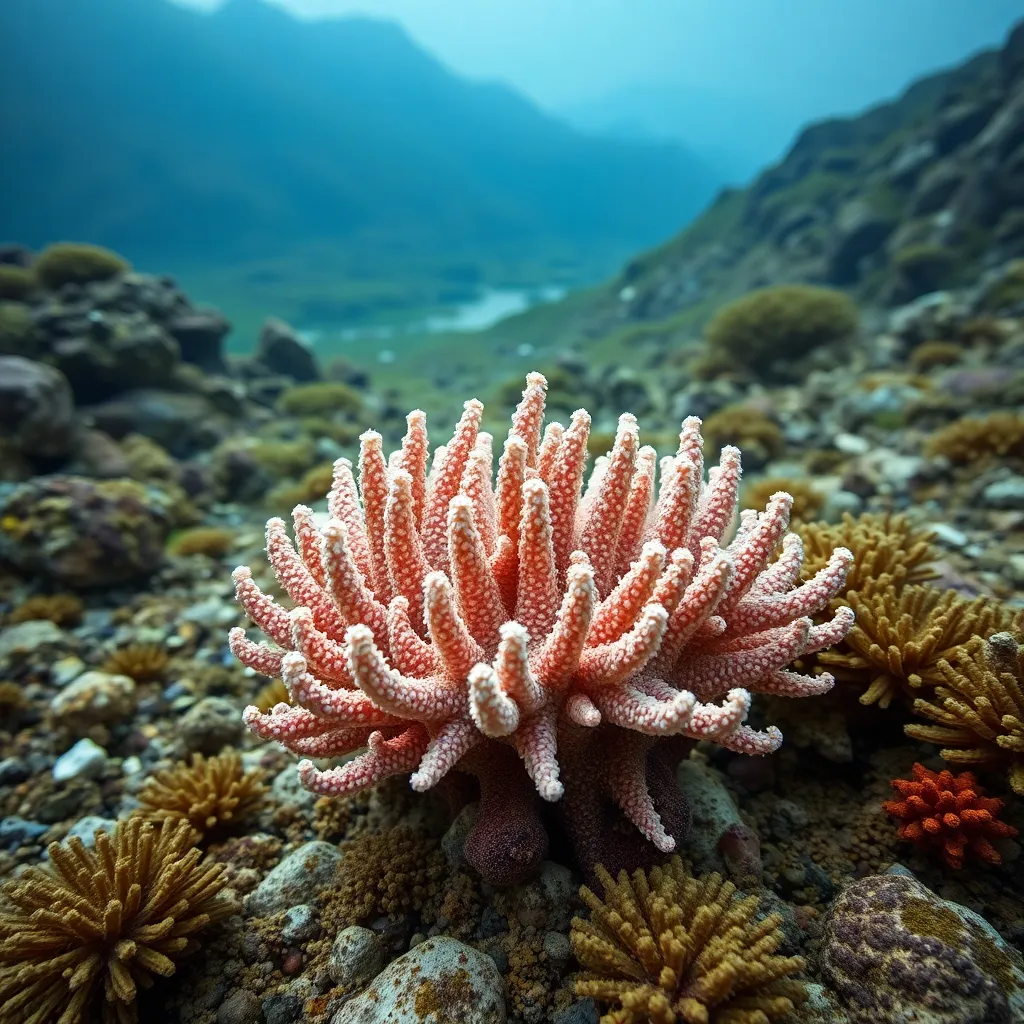
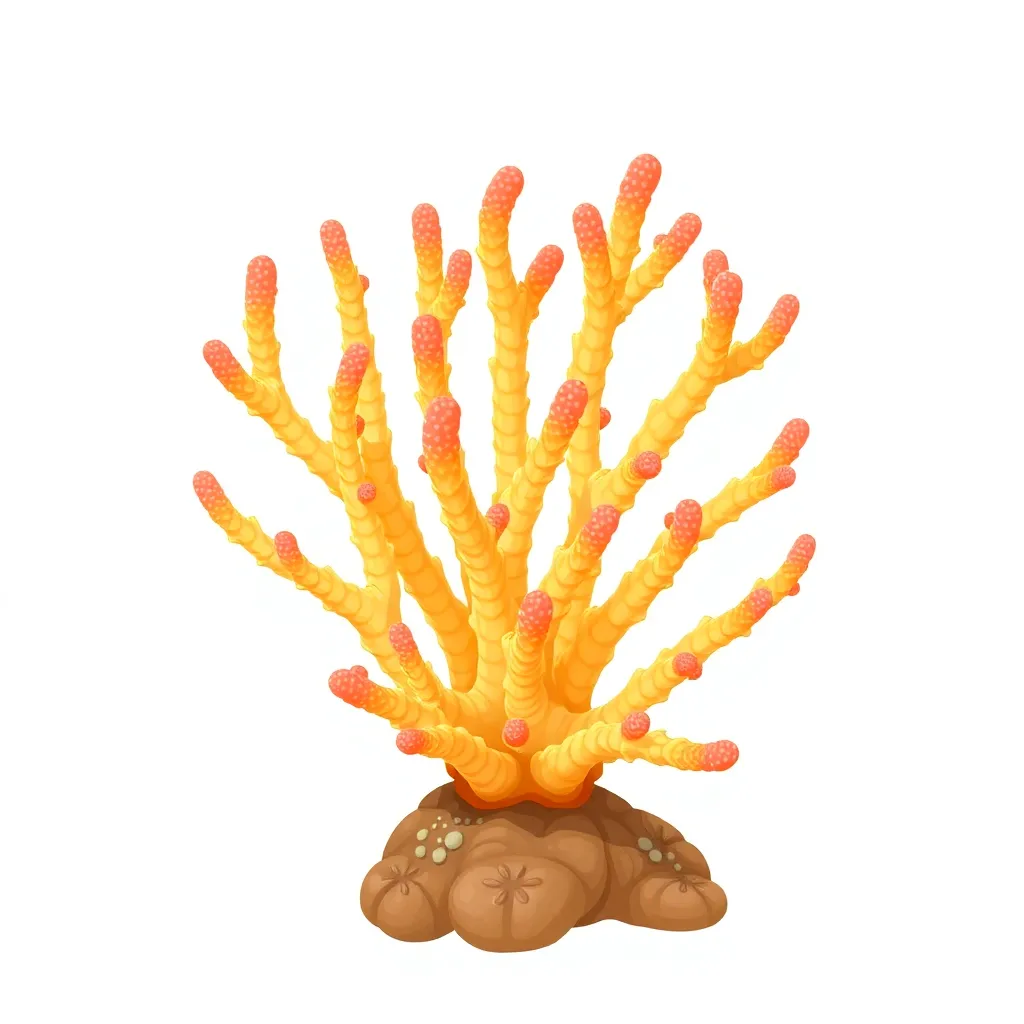
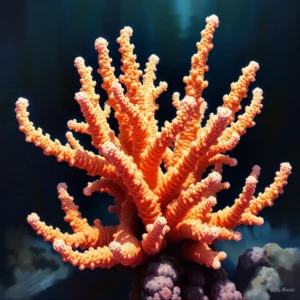
Staghorn coral is one of the most important reef-building corals in the Caribbean, historically forming vast underwater thickets that sheltered thousands of species. Coral colonies are actually composed of thousands of tiny individual polyps — genetically identical animals that secrete calcium carbonate skeletons. The symbiotic algae called zooxanthellae living within coral tissues provide up to 90% of the coral’s energy through photosynthesis.

⚡ Speed Comparison

Coral
0 km/h
Human
12 km/h
Car (city)
50 km/h
Horse
54 km/h

💡 Fun Facts

01

Coral reefs cover less than 1% of the ocean floor yet support approximately 25% of all marine species.

02

A coral polyp is an animal, not a plant — it catches zooplankton with stinging tentacles at night.

03

Staghorn coral can grow up to 20 cm per year, making it one of the fastest-growing corals in the Caribbean.

04

The Great Barrier Reef is the largest living structure on Earth and is visible from space.

05

Coral bleaching occurs when water temperatures rise just 1–2°C above normal, causing the coral to expel its life-giving algae.

Unlock Expert Wildlife Facts

Watch a short 15-second video to unlock detailed expert analysis, exclusive wildlife photography, and rare behavioral facts.

📍 Where to Find This Animal

Habitat Types: Tropical Coral Reef

🛒 Coral Related Gear

As an Amazon Associate we earn from qualifying purchases.

🗨️

Join the Conversation

Share your thoughts about the Coral

✍️

Leave a Comment

Your email address will not be published. Required fields are marked *

How Big Is a Coral?

Side-by-side comparison with an adult human (175 cm)

🧍
Human
175 cm
🪸
Coral
65 cm
shoulder height
BODY WEIGHT
BODY LENGTH
0 TOP SPEED
5–10 LIFESPAN
Coral close-up
Coral

SURVIVAL TOOLKIT

Built for Survival

Nature's engineering refined over millions of years

🔬 SURVIVAL TOOLKIT
Zooxanthellae Symbiosis
01

Zooxanthellae Symbiosis

Photosynthetic algae living within coral tissue convert sunlight into sugars, providing up to 90% of the polyp's energy.

Calcium Carbonate Skeleton
02

Calcium Carbonate Skeleton

Polyps secrete hard aragonite skeletons that accumulate over centuries to build massive reef structures.

Nocturnal Feeding
03

Nocturnal Feeding

Tentacles armed with nematocysts extend at night to capture zooplankton drifting in ocean currents.

Colonial Growth
04

Colonial Growth

Asexual budding creates genetically identical polyps that share nutrients and resources through a gastrovascular network.

Mass Spawning
05

Mass Spawning

Synchronized annual mass spawning releases gametes simultaneously to maximize fertilization across vast reef areas.

Architect of Ocean Cities. An extraordinary creature that reminds us what we stand to lose.

Jungal Safari · Wildlife Network
💡

Did You Know?

Coral reefs cover less than 1% of the ocean floor yet support approximately 25% of all marine species.

🍖 DIET: FILTER FEEDER

What Does the Coral Eat?

🔬
Zooplankton
☀️
Solar Energy (symbiosis)
🌊
Dissolved Organics
🦐
Brine Shrimp Larvae
🗺️ GEOGRAPHIC RANGE

Where Do Corals Live?

🌍
Continents
📉
Population Trend Declining

Conservation in Action

How You Can Help the Coral

Small actions, taken together, can reverse the decline of species like this one

🌳
Protect Habitat

Support wildlife reserves and protected land corridors

🚫
Stop Poaching

Report illegal trade and back anti-poaching patrols

🔬
Fund Research

Camera-trap studies and population monitoring

🤝
Community Work

Partner with local herders to reduce conflict

📢
Raise Awareness

Educate and inspire future wildlife champions

"Without urgent action, the Coral could disappear from the wild within our lifetime."

PROTECT THEM. PRESERVE THEIR LEGACY.

The Coral's Future
Is In Our Hands

Every share, every donation, every voice raised — makes a difference for wildlife conservation.

🌳Protect Habitat
📢Raise Awareness
💰Fund Research
🤝Community Work
🚫Stop Poaching

"Protect Wildlife. Preserve Our Planet."

Every species matters. Every action counts.

Advertisement