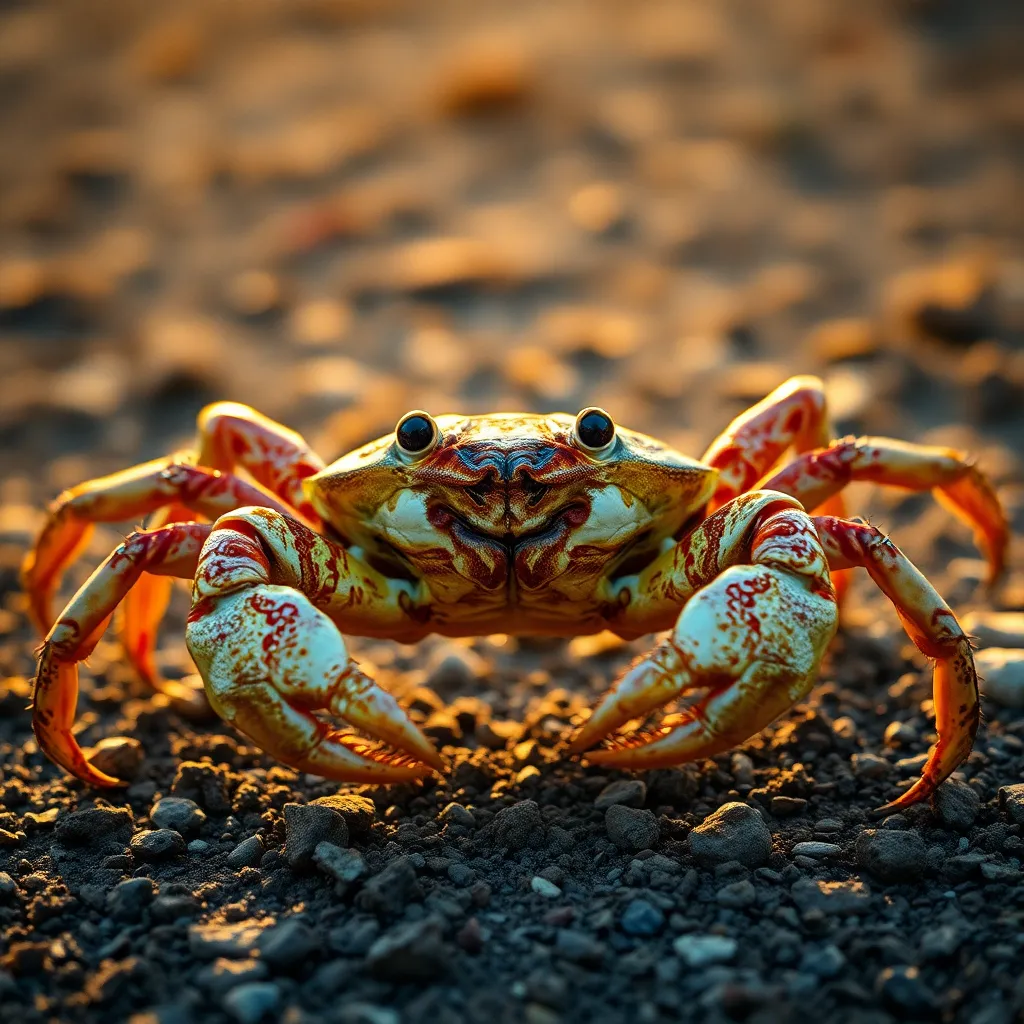
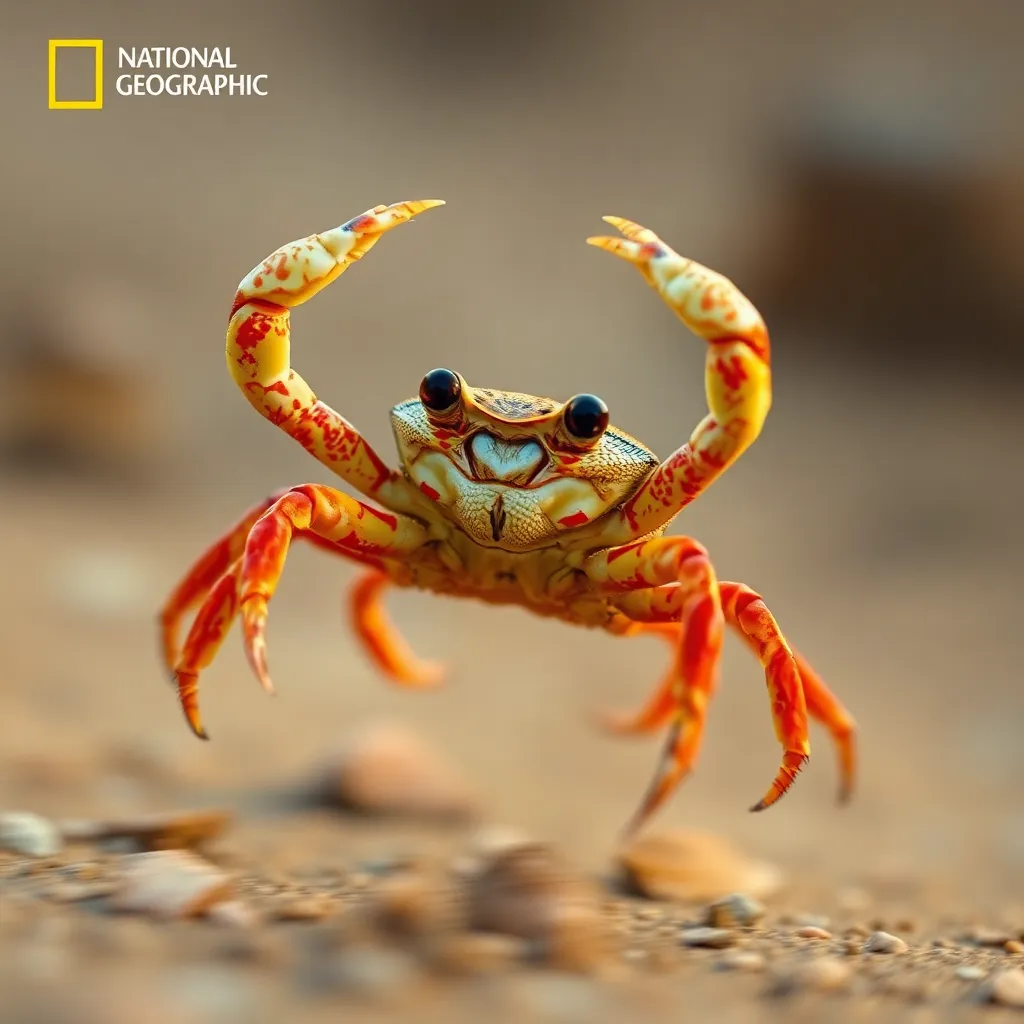
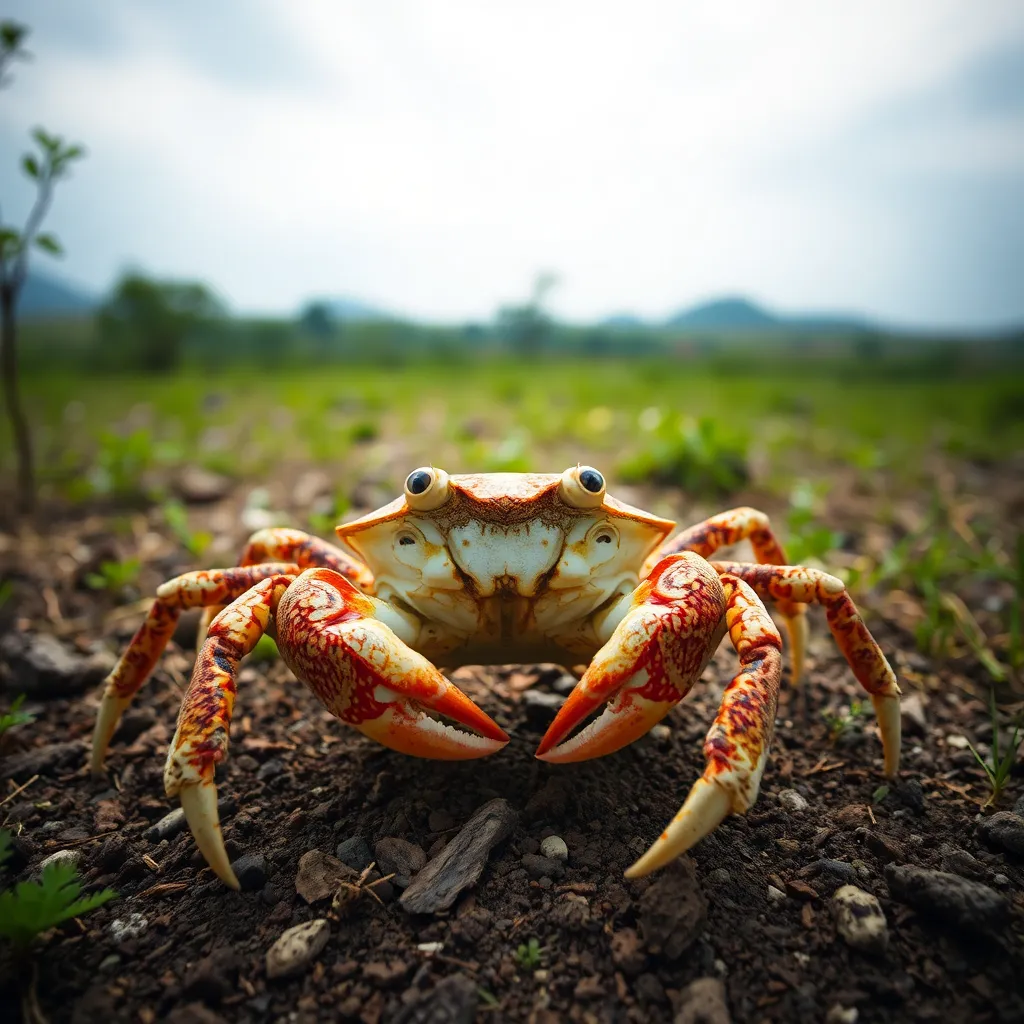
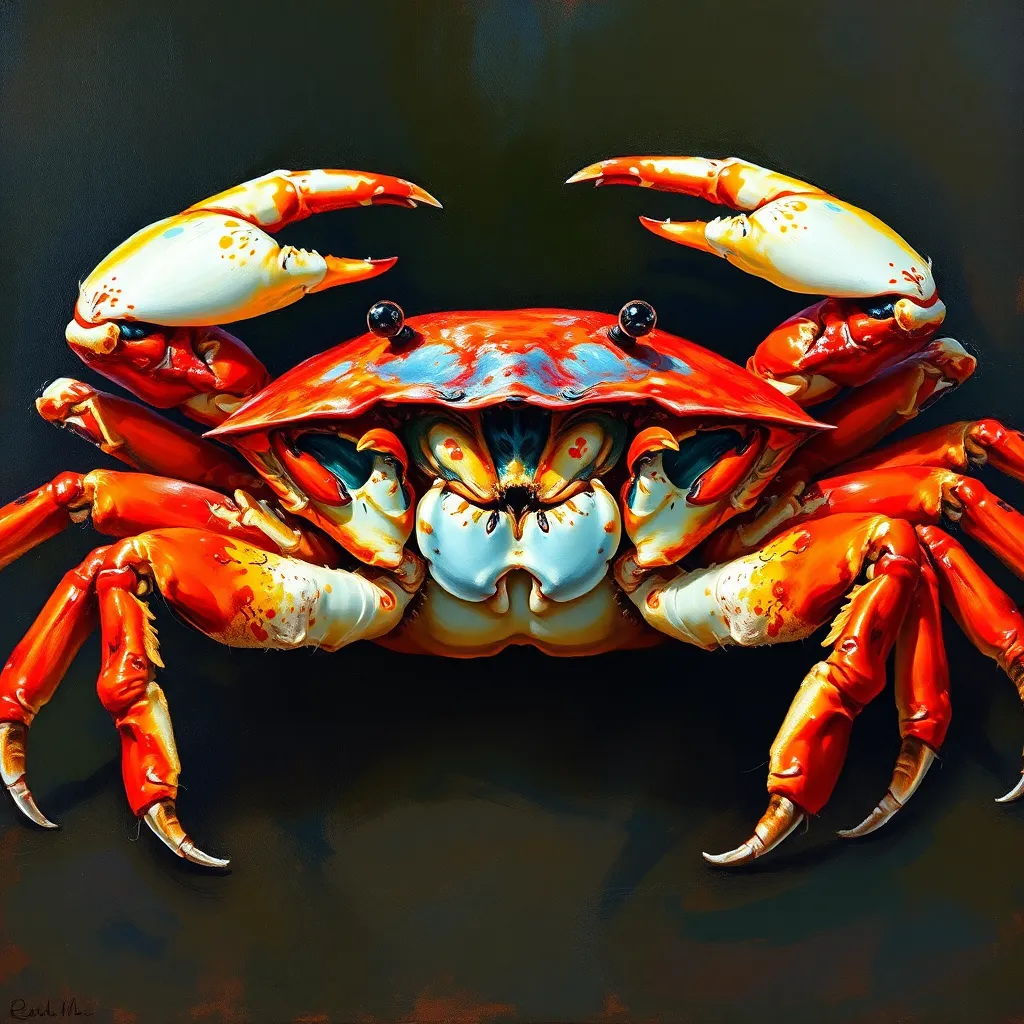
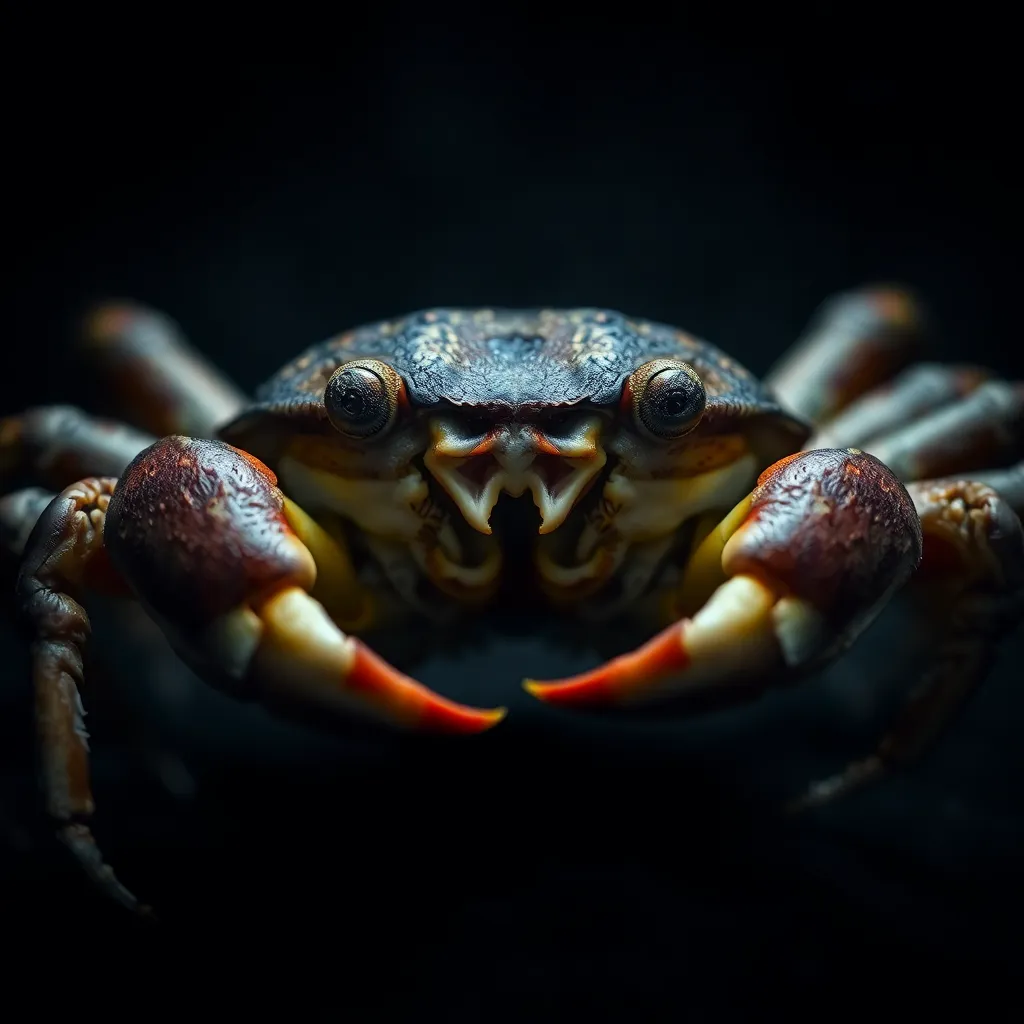
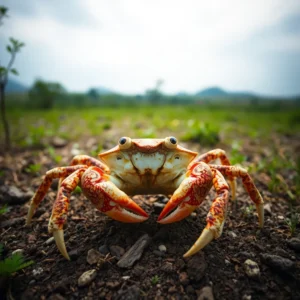
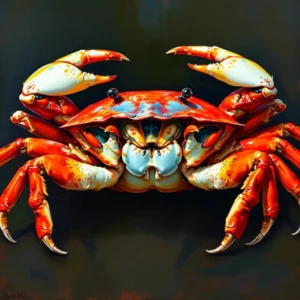
The edible crab, or brown crab, is one of Europe’s most commercially important crustaceans, recognized by its distinctive brown pie-crust edged carapace and formidably powerful claws. Found from Norway to West Africa along rocky shores, reefs, and sandy seabeds, these crabs are active nocturnal hunters and scavengers that play a vital role in coastal ecosystem nutrient cycling. They can live for decades, with females able to carry over 3 million eggs in a single brood.
About the Crab
Cancer pagurus
Advertisement
⚡ Speed Comparison
📸 Photo Gallery
💡 Fun Facts
01
Crabs evolved large claws independently at least five separate times in evolutionary history — a phenomenon called carcinization.
02
The edible crab can exert up to 90 kg of crushing force with its claw, enough to crack the shells of mussels and lobsters.
03
Crabs breathe with gills but can survive out of water for hours as long as their gills stay moist.
04
Female edible crabs can store sperm for up to a year after mating, fertilizing eggs when environmental conditions are optimal.
05
Crabs navigate using the Earth's magnetic field and polarized light patterns, enabling them to return precisely to their home range.
📍 Where to Find This Animal
Habitat Types:
Rocky Coastal Waters
🛒 Crab Related Gear
As an Amazon Associate we earn from qualifying purchases.
Join the Conversation
Share your thoughts about the Crab