Loading Wildlife…

Rhinocerotidae NT

THE

RHINOCEROS

Armored Titan of the Plains

Ceratotherium simum

Africa
CLASS Mammalia FAMILY Rhinocerotidae GENUS Ceratotherium
50 km/h
Top Speed
⚖️
1440-3600 kg
Max Weight
📏
3.4-4.2 m
Body Length
🕰️
35-50 years
Lifespan
🍖
Herbivore
Diet Type

IUCN Red List — Where this species stands

LC Least Concern
NT Near Threatened
VU Vulnerable
EN Endangered
CR Critical
EW Extinct Wild
EX Extinct

About the Rhinoceros

Ceratotherium simum

Advertisement

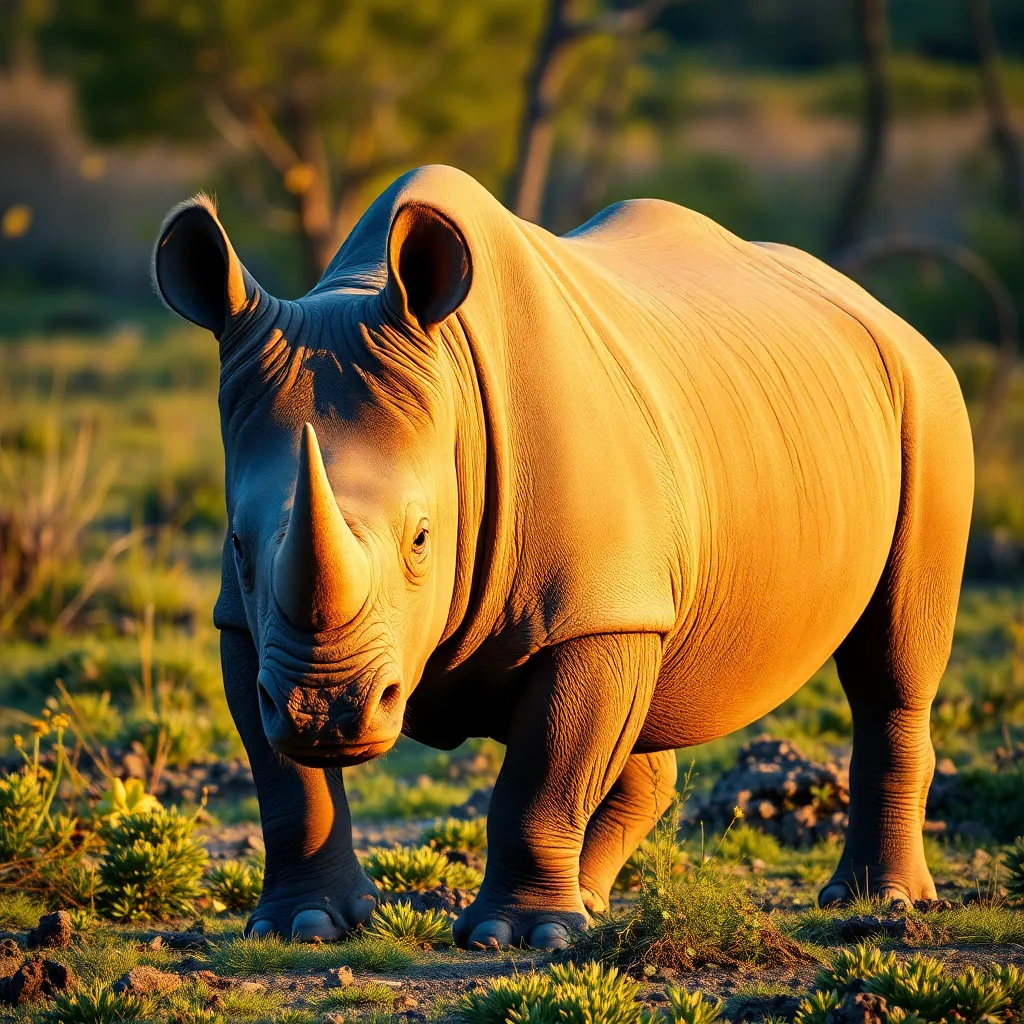
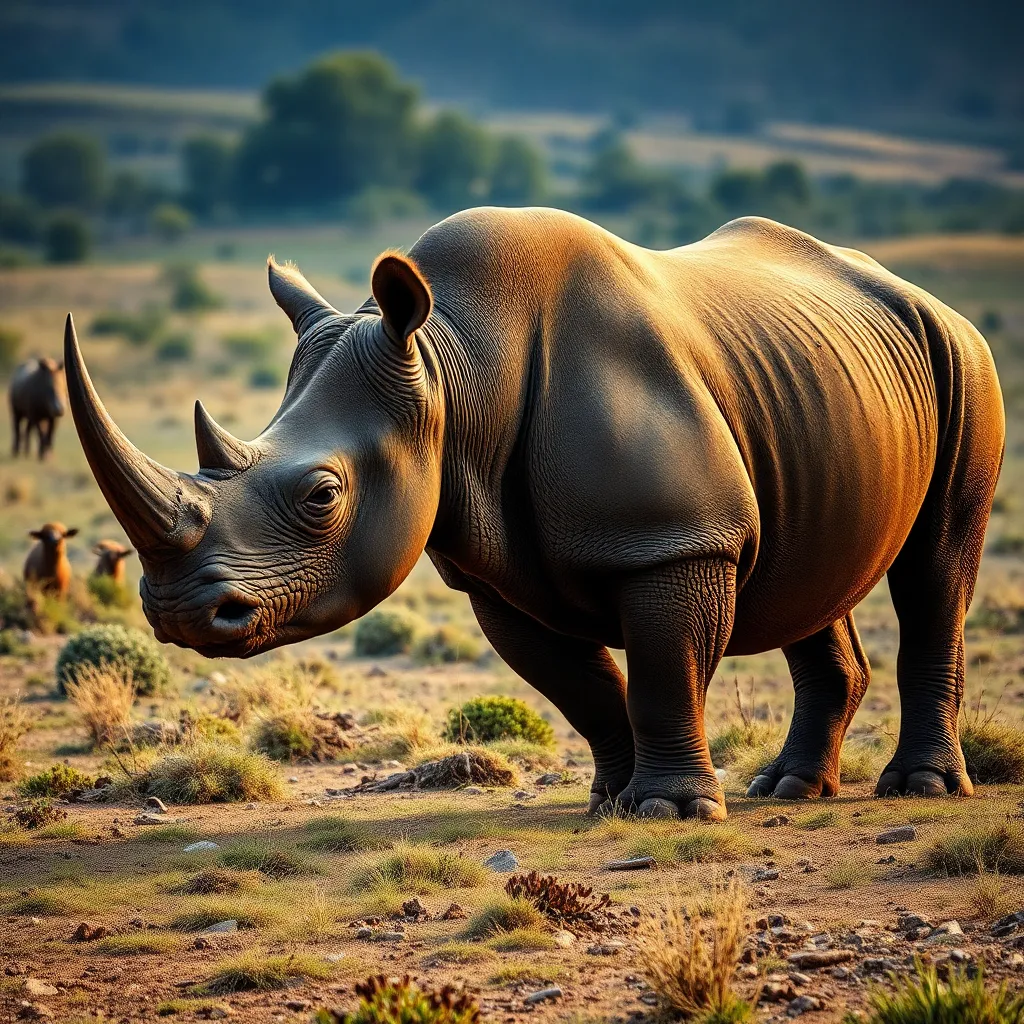
The White Rhinoceros is the largest land animal after the two elephant species, and the most numerous of all rhino species thanks to intensive conservation efforts in southern Africa. Its ‘white’ name is thought to derive from a mistranslation of the Afrikaans word ‘weit’ (wide) describing its broad, flat grazing lips — in contrast to the pointed prehensile lip of the Black Rhino. A dominant ecosystem engineer, the white rhino maintains short-grass grazing lawns that benefit dozens of other grazing species.

⚡ Speed Comparison

Human
12 km/h
Rhinoceros
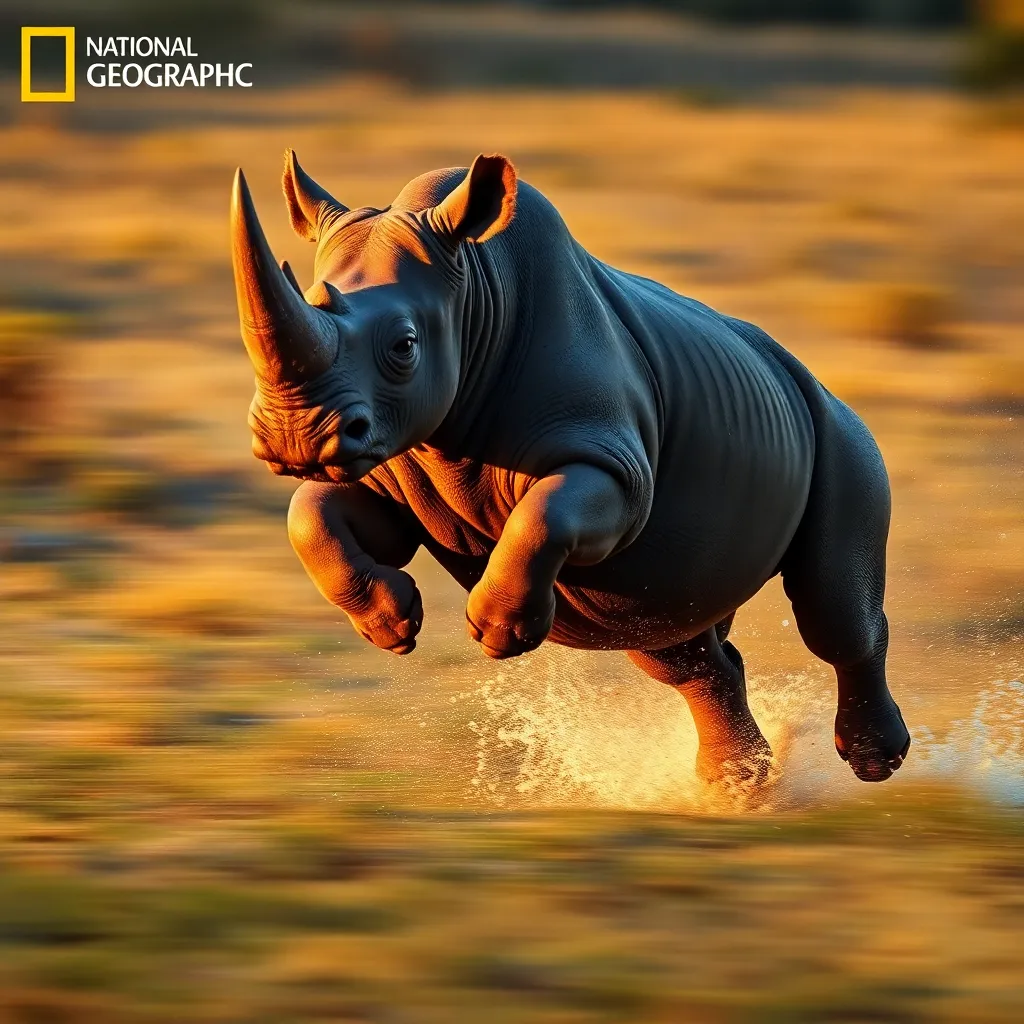
50 km/h
Car (city)
50 km/h
Horse
54 km/h

💡 Fun Facts

01

Rhino horn is made entirely of keratin — the same protein as human fingernails — and has no proven medicinal properties despite being worth more than gold by weight on the black market.

02

White rhinos communicate through dung middens; a single individual may deposit dung at the same spot for generations, with middens reaching 1 meter high and encoding complex social information.

03

Rhinos have a symbiotic relationship with oxpecker birds that eat ticks from their skin, but the birds also act as an alarm system, taking flight noisily when predators approach.

04

The Southern White Rhino was reduced to approximately 20 individuals in 1895; conservation efforts have since recovered the population to over 20,000, one of history's greatest wildlife recoveries.

05

A rhino's skin can be 5 cm thick and acts as natural armour, but is still susceptible to sunburn — the reason rhinos wallow in mud to create a protective coating.

Unlock Expert Wildlife Facts

Watch a short 15-second video to unlock detailed expert analysis, exclusive wildlife photography, and rare behavioral facts.

📍 Where to Find This Animal

Habitat Types: Savanna & Grasslands

🛒 Rhinoceros Related Gear

As an Amazon Associate we earn from qualifying purchases.

🗨️

Join the Conversation

Share your thoughts about the Rhinoceros

✍️

Leave a Comment

Your email address will not be published. Required fields are marked *

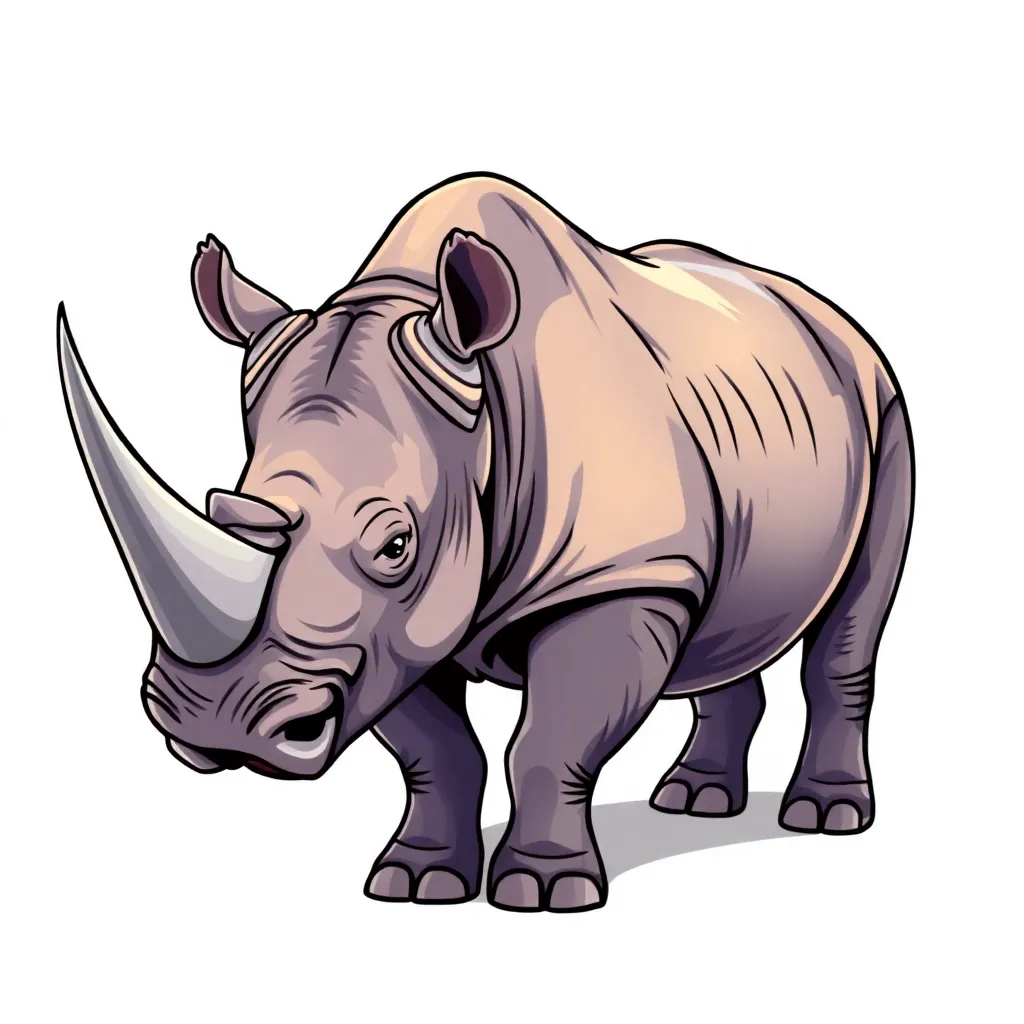
How Big Is a Rhinoceros?

Side-by-side comparison with an adult human (175 cm)

🧍
Human
175 cm
🦏
Rhinoceros
65 cm
shoulder height
1440-3600 BODY WEIGHT
3.4-4.2 BODY LENGTH
50 TOP SPEED
35-50 LIFESPAN
Rhinoceros close-up
Rhinoceros

SURVIVAL TOOLKIT

Built for Survival

Nature's engineering refined over millions of years

🔬 SURVIVAL TOOLKIT
Keratin Horn
01

Keratin Horn

A continuously growing keratin horn on the nasal bone is used in territorial combat, maternal defense, and digging for water.

Armor-Thick Skin
02

Armor-Thick Skin

Skin up to 5 cm thick protects against thorns, bites, and rival horn strikes, though mud wallowing adds further protection from sun and parasites.

Rotating Ears
03

Rotating Ears

Each ear can rotate independently like a satellite dish to pinpoint sounds, compensating for the rhino's relatively poor eyesight.

Wide Grazing Lips
04

Wide Grazing Lips

A broad, flat upper lip like a lawn mower efficiently crops short grass close to the ground, maximizing intake of low-growing vegetation.

Oxpecker Partnership
05

Oxpecker Partnership

Red- and yellow-billed oxpeckers remove ticks and parasites from the skin in a mutualistic relationship that also provides an alarm system against predators.

Armored Titan of the Plains. An extraordinary creature that reminds us what we stand to lose.

Jungal Safari · Wildlife Network
💡

Did You Know?

Rhino horn is made entirely of keratin — the same protein as human fingernails — and has no proven medicinal properties despite being worth more than gold by weight on the black market.

🍖 DIET: HERBIVORE

What Does the Rhinoceros Eat?

🌾
Short Grasses
🌿
Sedges & Reeds
🌱
Herbs & Forbs
💧
Mineral-Rich Soil
🗺️ GEOGRAPHIC RANGE

Where Do Rhinoceross Live?

🌍
Continents
📈
Population Trend Increasing

Conservation in Action

How You Can Help the Rhinoceros

Small actions, taken together, can reverse the decline of species like this one

🌳
Protect Habitat

Support wildlife reserves and protected land corridors

🚫
Stop Poaching

Report illegal trade and back anti-poaching patrols

🔬
Fund Research

Camera-trap studies and population monitoring

🤝
Community Work

Partner with local herders to reduce conflict

📢
Raise Awareness

Educate and inspire future wildlife champions

"Without urgent action, the Rhinoceros could disappear from the wild within our lifetime."

PROTECT THEM. PRESERVE THEIR LEGACY.

The Rhinoceros's Future
Is In Our Hands

Every share, every donation, every voice raised — makes a difference for wildlife conservation.

🌳Protect Habitat
📢Raise Awareness
💰Fund Research
🤝Community Work
🚫Stop Poaching

"Protect Wildlife. Preserve Our Planet."

Every species matters. Every action counts.

Advertisement