Loading Wildlife…

Felidae (Big Cats) NT

THE

JAGUAR

The Jungle's Silent Phantom

Panthera onca

South America
CLASS Mammalia FAMILY Felidae (Big Cats) GENUS Panthera
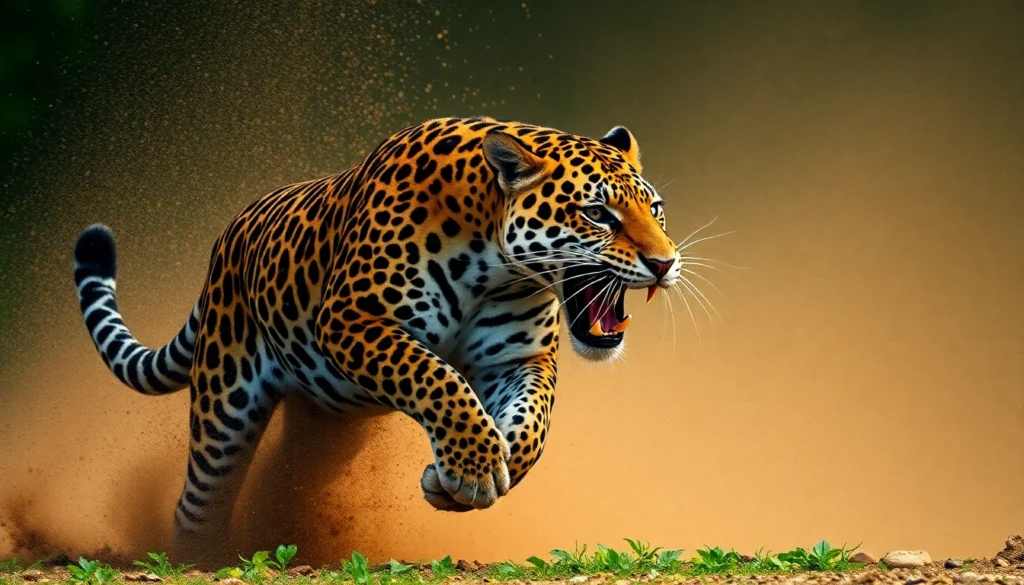
80 km/h (50 mph)
Top Speed
⚖️
56–96 kg (124–212 lbs)
Max Weight
📏
1.1–1.85 m body (3.6–6 ft)
Body Length
🕰️
12–15 years (wild)
Lifespan
🌍
64,000 – 173,000
Est. Left
🍖
Apex Predator
Diet Type

IUCN Red List — Where this species stands

LC Least Concern
NT Near Threatened
VU Vulnerable
EN Endangered
CR Critical
EW Extinct Wild
EX Extinct

About the Jaguar

Panthera onca

Advertisement

Americas’ Apex Predator

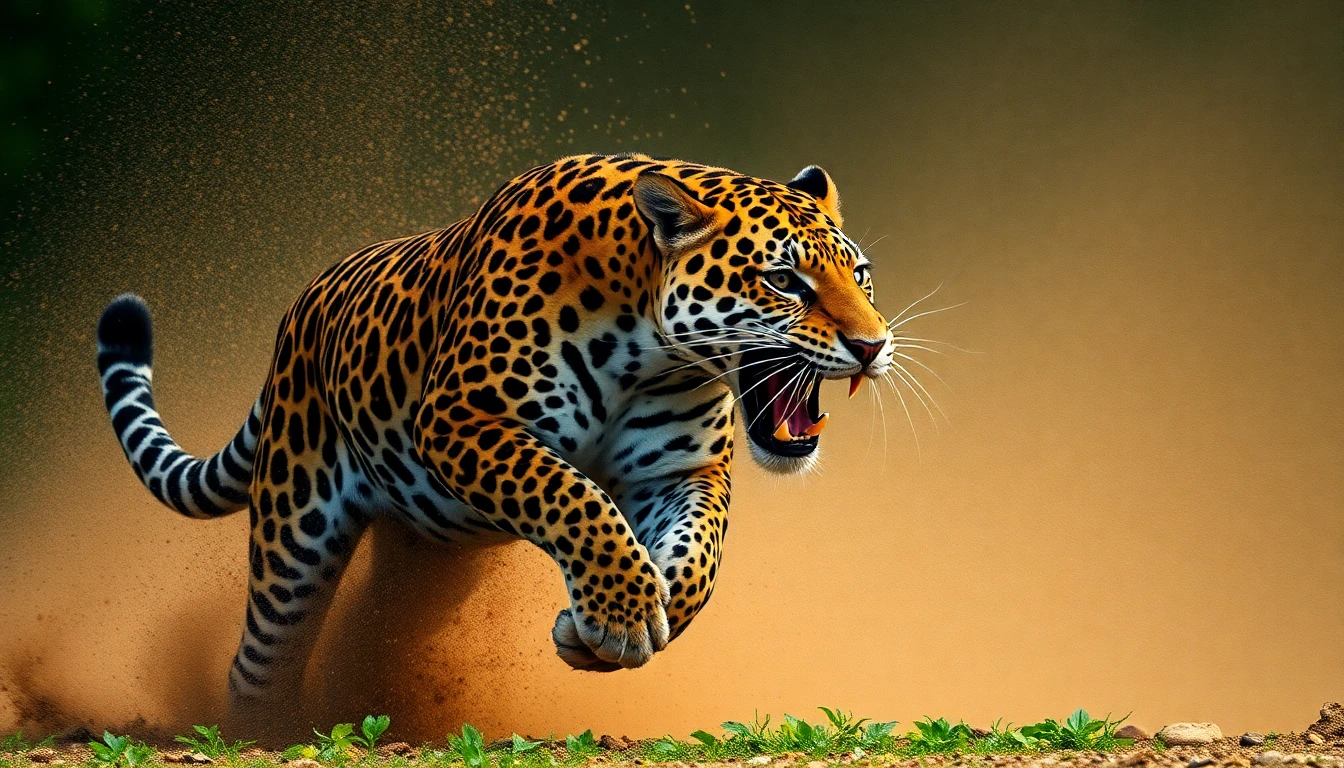
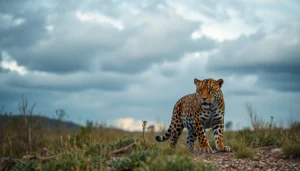
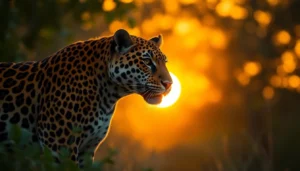
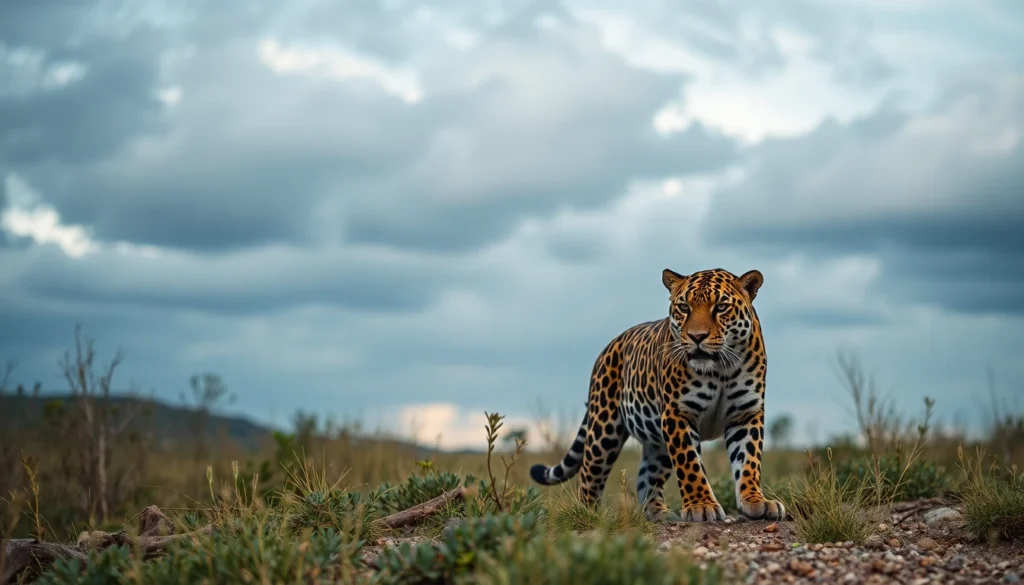
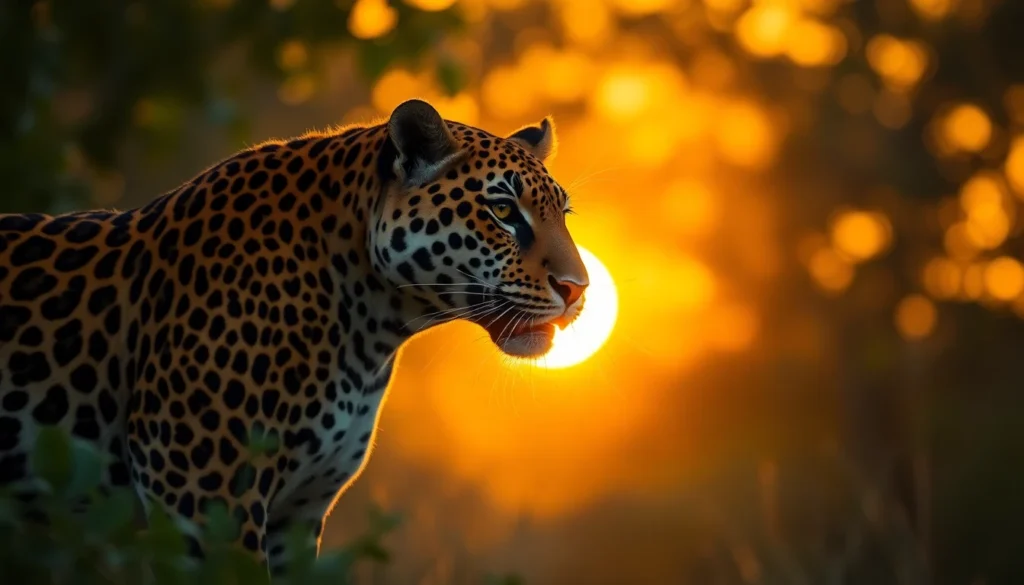
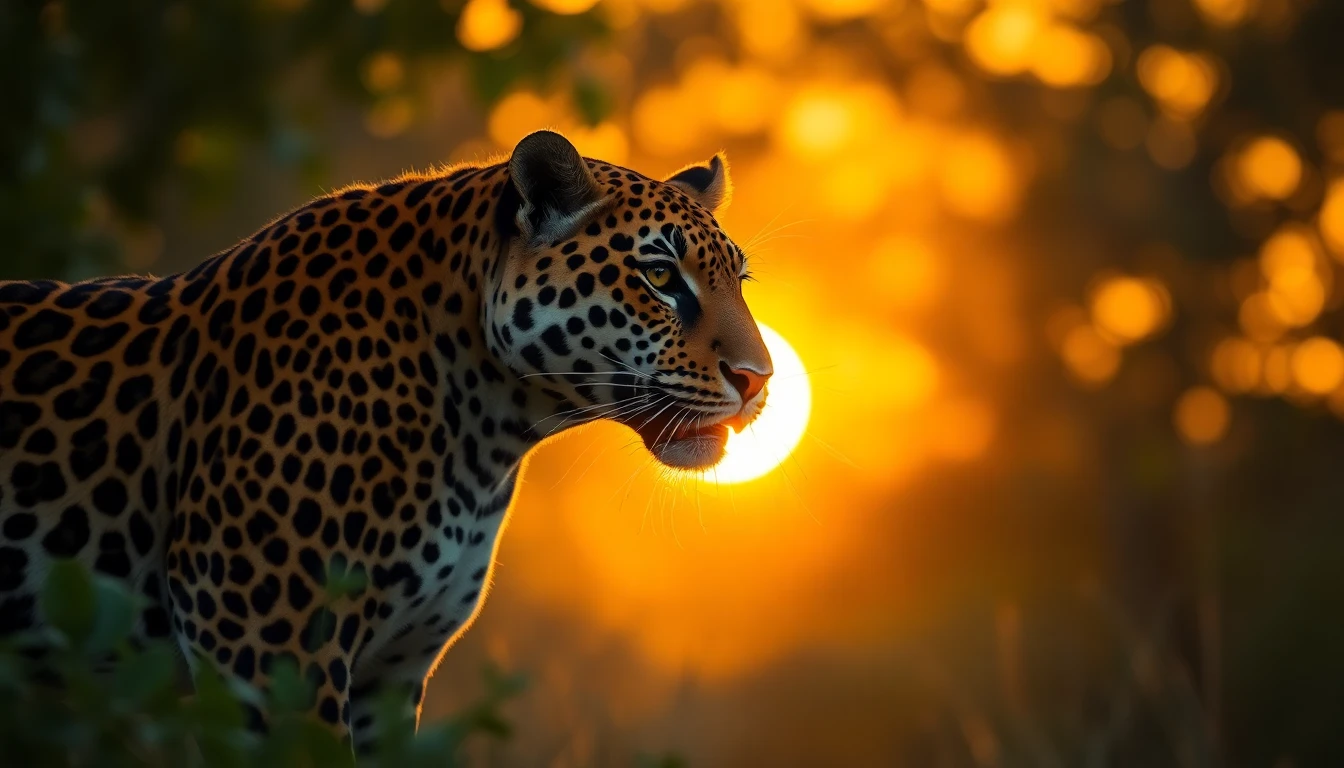
The Jaguar (Panthera onca) is the largest cat in the Americas and the third-largest in the world — a powerfully built, stocky predator whose name derives from the indigenous Tupi-Guarani word yaguara, meaning “the beast that kills its prey with one bound.” Unlike other big cats that strangle prey, the jaguar employs a unique killing technique: a single powerful bite that pierces the skull directly to reach the brain, or crushes the cervical vertebrae of the neck — the most powerful bite relative to size of any big cat.

Melanistic Jaguars: The Black Panther

The “black panther” of Central and South American folklore is actually a melanistic jaguar — an individual carrying a dominant gene (unlike the recessive melanism in leopards) that produces an overproduction of melanin. In bright light, the rosette pattern remains faintly visible through the black coat. Melanism is particularly common in jaguar populations inhabiting dense rainforest, where the camouflage advantage of a dark coat may outweigh the normal spotted pattern in low-light conditions. Melanistic and normally-spotted cubs can appear in the same litter.

The Pantanal: Jaguar Capital of the World

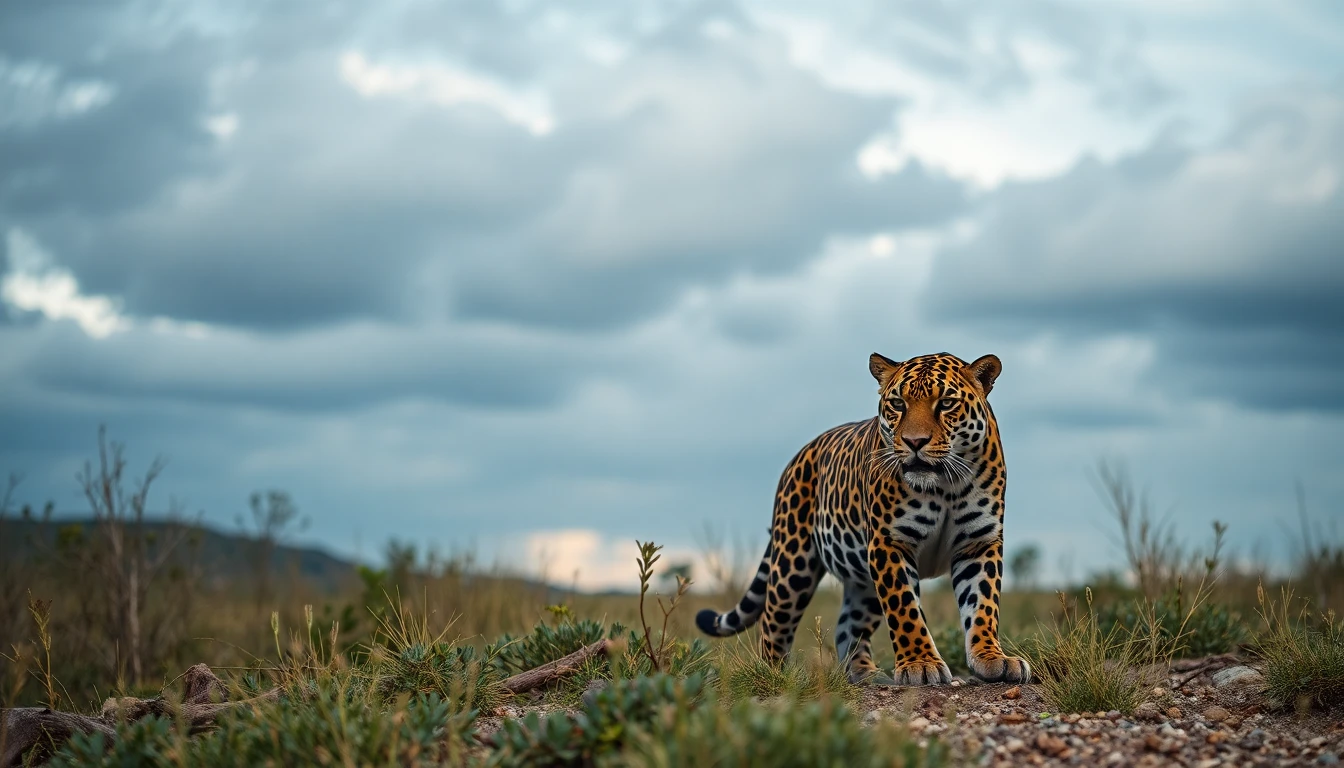
Brazil’s Pantanal — the world’s largest tropical wetland — holds the highest density of jaguars on Earth. The seasonal flooding cycles that create the Pantanal’s extraordinary biodiversity also concentrate prey species, allowing jaguars to reach densities of up to 10 individuals per 100 km² — far higher than in Amazonian rainforest. Pantanal jaguars have learned to hunt caiman (a large crocodilian), demonstrating a behavioral flexibility — and a casual disregard for water — that distinguishes them from most other big cats.

Advertisement
⚡ Speed Comparison

Human
12 km/h
Car (city)
50 km/h
Horse
54 km/h
Jaguar
80 km/h

💡 Fun Facts

01

Strongest bite of any big cat — can pierce turtle shells and caiman skulls

02

Love swimming — frequently hunt fish, turtles, and caiman in rivers

03

"Black panthers" are actually melanistic jaguars

04

The Pantanal holds the world's highest jaguar density

05

Revered as a divine symbol by Aztec and Maya civilizations

Unlock Expert Wildlife Facts

Watch a short 15-second video to unlock detailed expert analysis, exclusive wildlife photography, and rare behavioral facts.

📍 Where to Find This Animal

🛒 Jaguar Related Gear

As an Amazon Associate we earn from qualifying purchases.

Leave a Reply

Your email address will not be published. Required fields are marked *

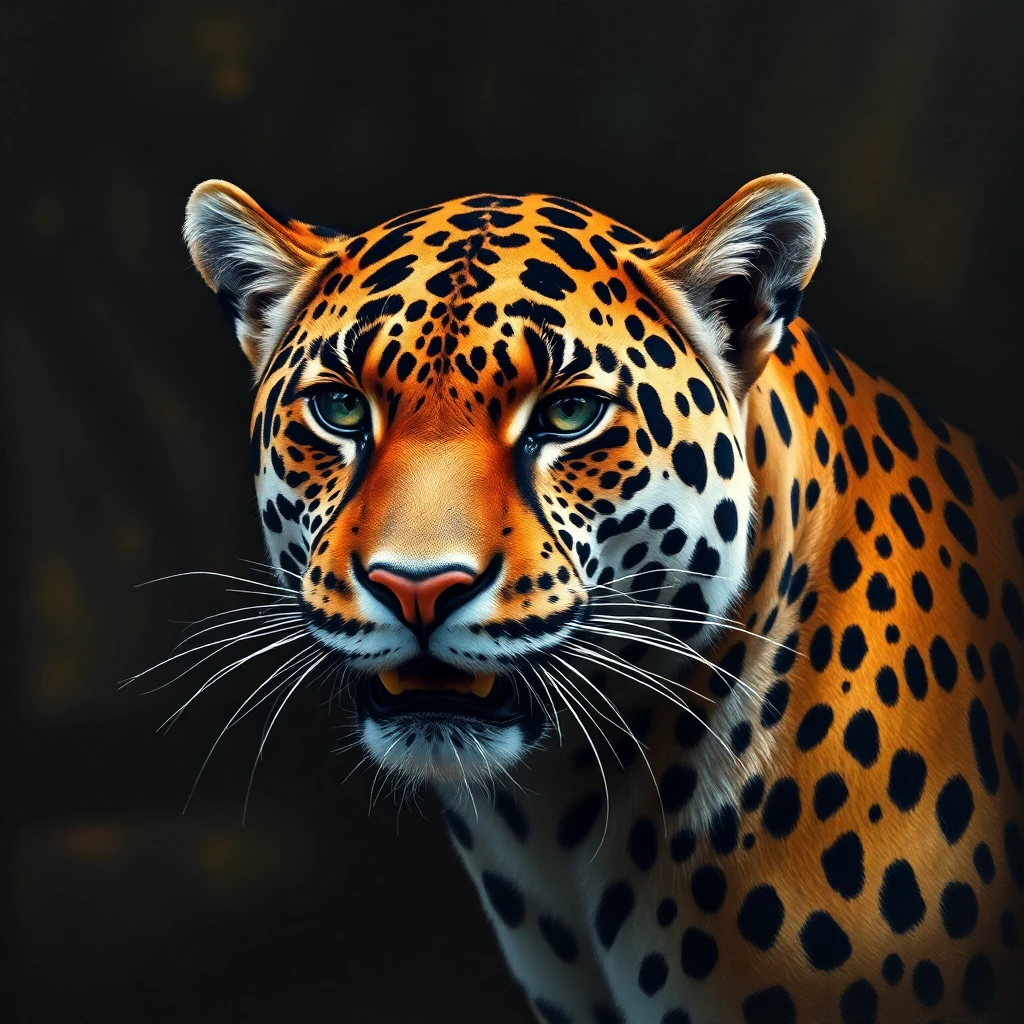
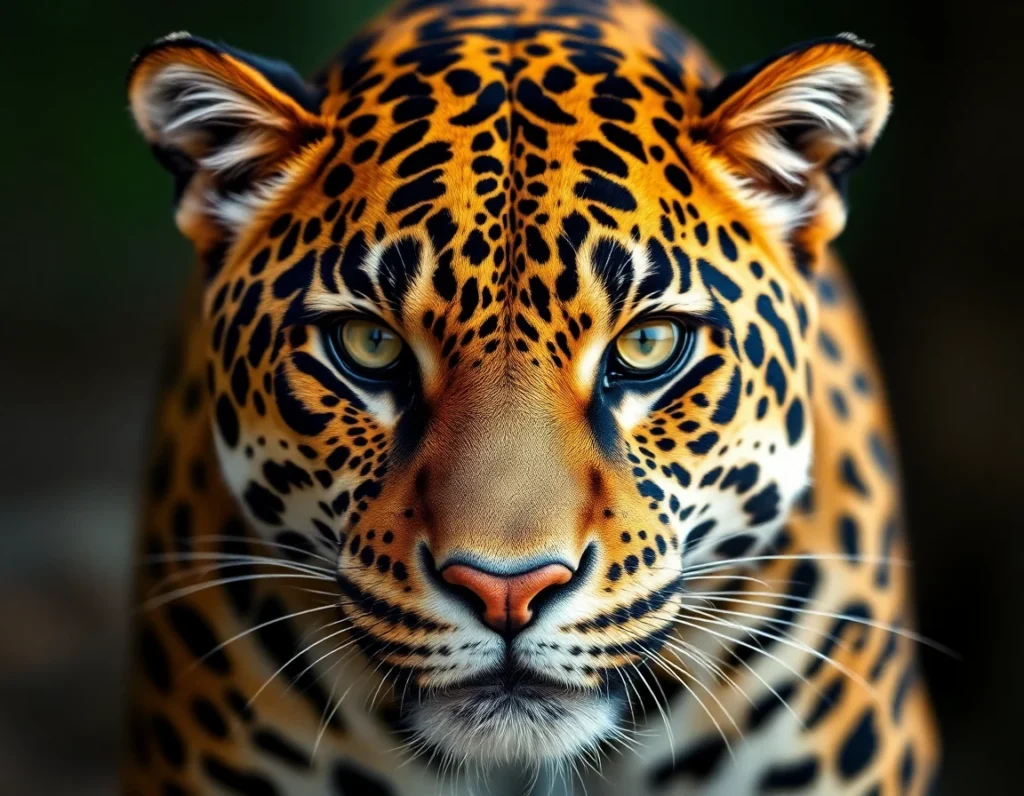
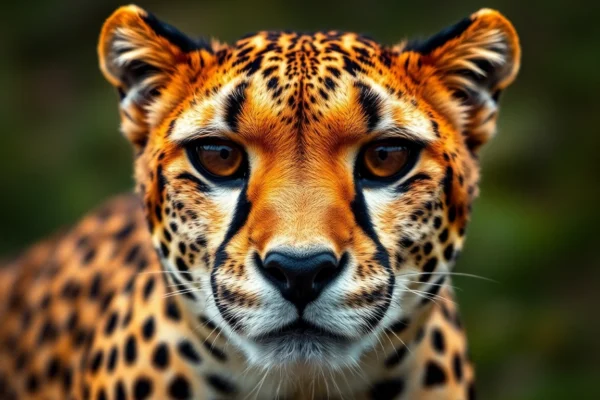
Jaguar close-up
Jaguar

SURVIVAL TOOLKIT

Built for Survival

Nature's engineering refined over millions of years

ud83cudf0a Loves Water

Unlike most big cats, jaguars swim powerfully and hunt fish, caimans and river prey.

ud83euddb7 Crushing Bite

Strongest bite of any big cat (relative to size) u2014 pierces turtle shells and crocodile skulls.

ud83cudf19 Rosette Camouflage

Complex spotted patterns are unique to each individual u2014 perfect jungle concealment.

ud83dudc3e Stealthy Stalker

Approaches prey to within 2 m before striking, relying on stealth over speed.

ud83dudcaa Powerful Build

The most muscular cat per kilogram u2014 short, stocky limbs optimised for dense jungle.

ud83eudded Keystone Predator

Controls caiman and capybara populations, structuring entire Amazon ecosystems.

Estimated Wild Population

64,000 – 173,000

Jaguar remaining in the wild

NT ▼ Population Declining

For context — New York City alone has 8 million people.
The entire wild population of the Jaguar could fit inside a single football stadium.

Population Decline Over Time

~300k
1900
~100k
1970s
~64k
2000
~64k
Now
Population has fallen over 79% since 1900
💡

Did You Know?

The jaguar's name comes from the indigenous Tupi word "yaguara" — meaning "he who kills with one leap."

What Does the Jaguar Eat?

Apex Predator

🦌 Caiman
🦌 Capybara
🦌 Peccary
🦌 Deer
🦌 Fish
🦌 Tapir

Threats to the Jaguar

Human activity and habitat loss are pushing this species toward extinction

ud83cudf33

Deforestation

Amazon deforestation eliminates jaguar corridors and prey populations.

ud83dudd2b

Rancher Conflict

Killed by ranchers protecting livestock; legal protection is poorly enforced.

ud83cudfd8ufe0f

Fragmentation

Road networks and farms split populations into isolated, inbred groups.

ud83cudf21ufe0f

Climate Change

Intensifying Amazonian droughts reduce water bodies and aquatic prey.

GEOGRAPHIC RANGE

Where Do Jaguars Live?

🌍
Continents
🐾
Wild Population 64,000 – 173,000 estimated
📉
Population Trend Declining

Conservation in Action

How You Can Help the Jaguar

Small actions, taken together, can reverse the decline of species like this one

🌳 Protect Habitat

Support wildlife reserves and protected land corridors

🚫 Stop Poaching

Report illegal trade and back anti-poaching patrols

🔬 Fund Research

Camera-trap studies and population monitoring

🤝 Community Work

Partner with local herders to reduce conflict

📢 Raise Awareness

Educate and inspire future wildlife champions

"Without urgent action, the Jaguar could disappear from the wild within our lifetime."

PROTECT THEM. PRESERVE THEIR LEGACY.

The Jaguar's Future
Is In Our Hands

Every share, every donation, every voice raised — makes a difference for wildlife conservation.

🌳Protect Habitat
📢Raise Awareness
💰Fund Research
🤝Community Work
🚫Stop Poaching

Advertisement