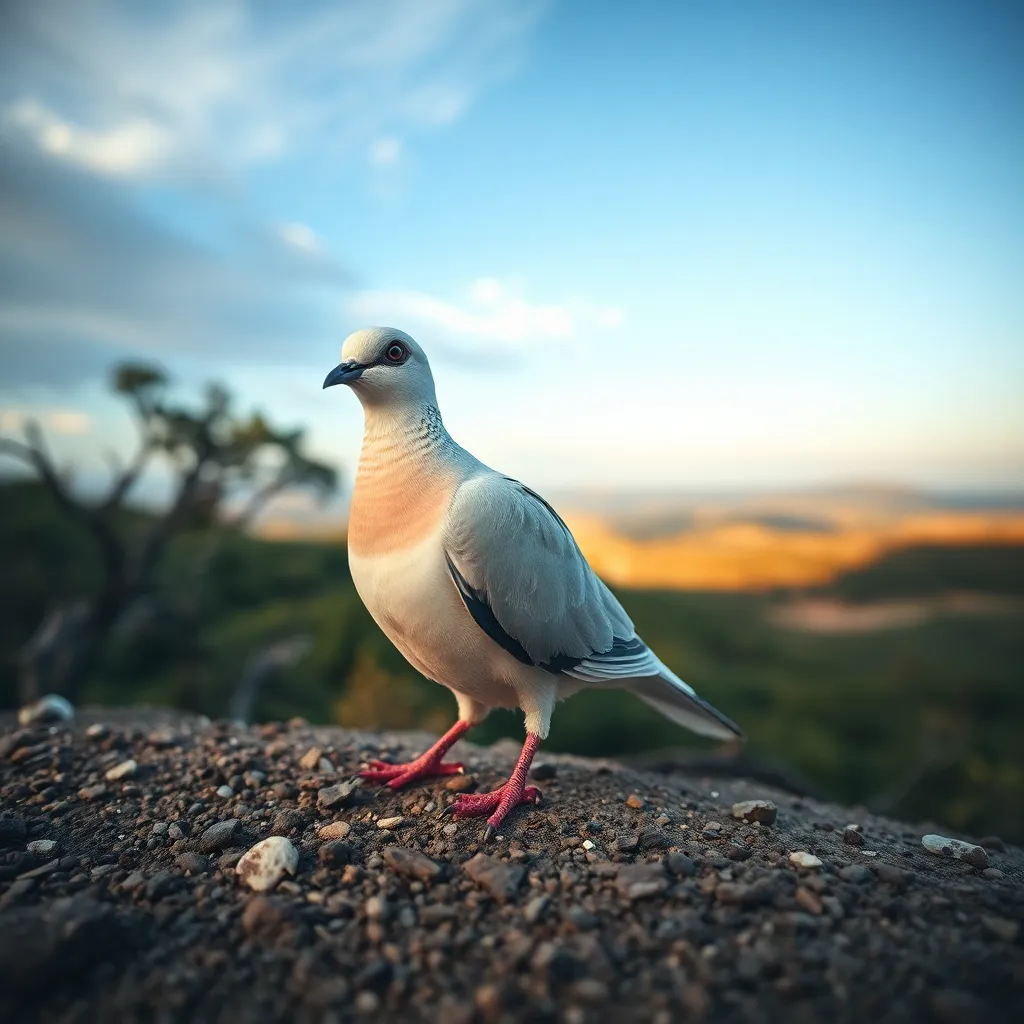
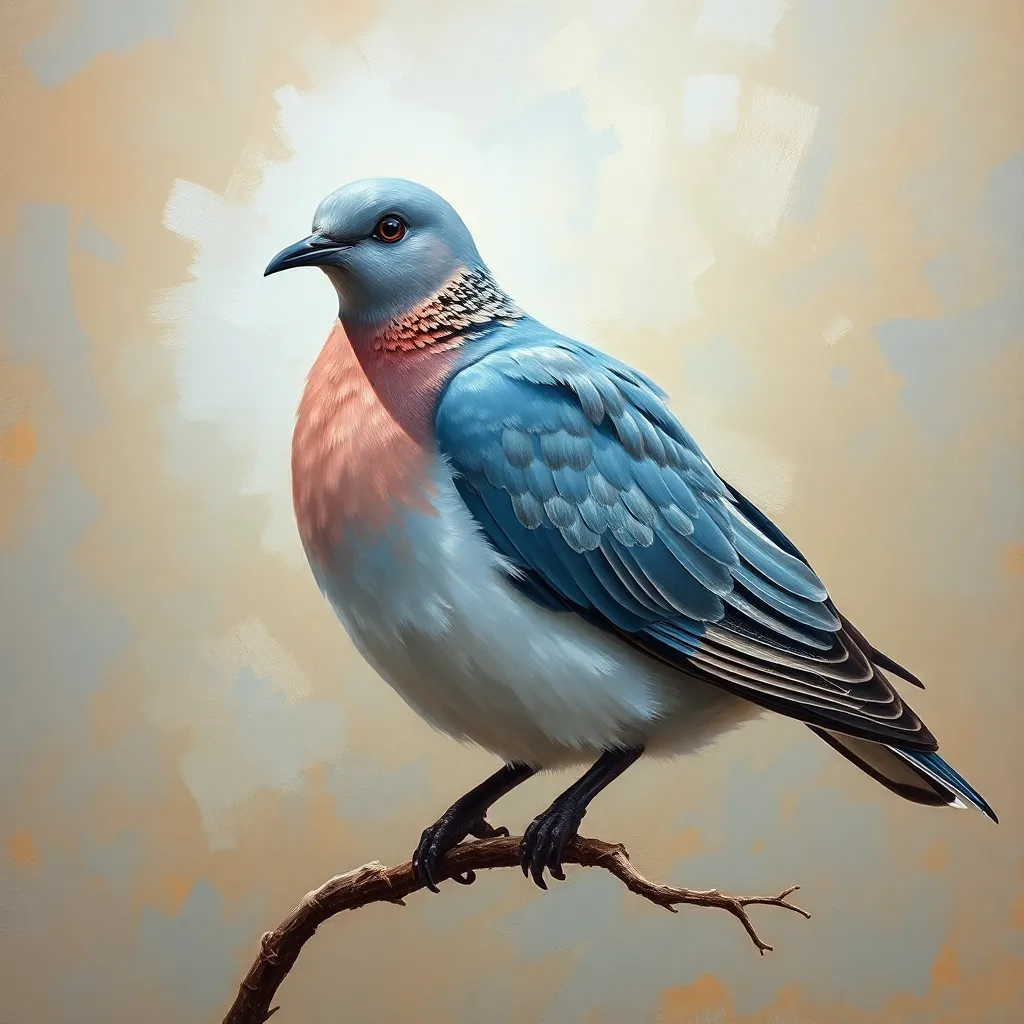
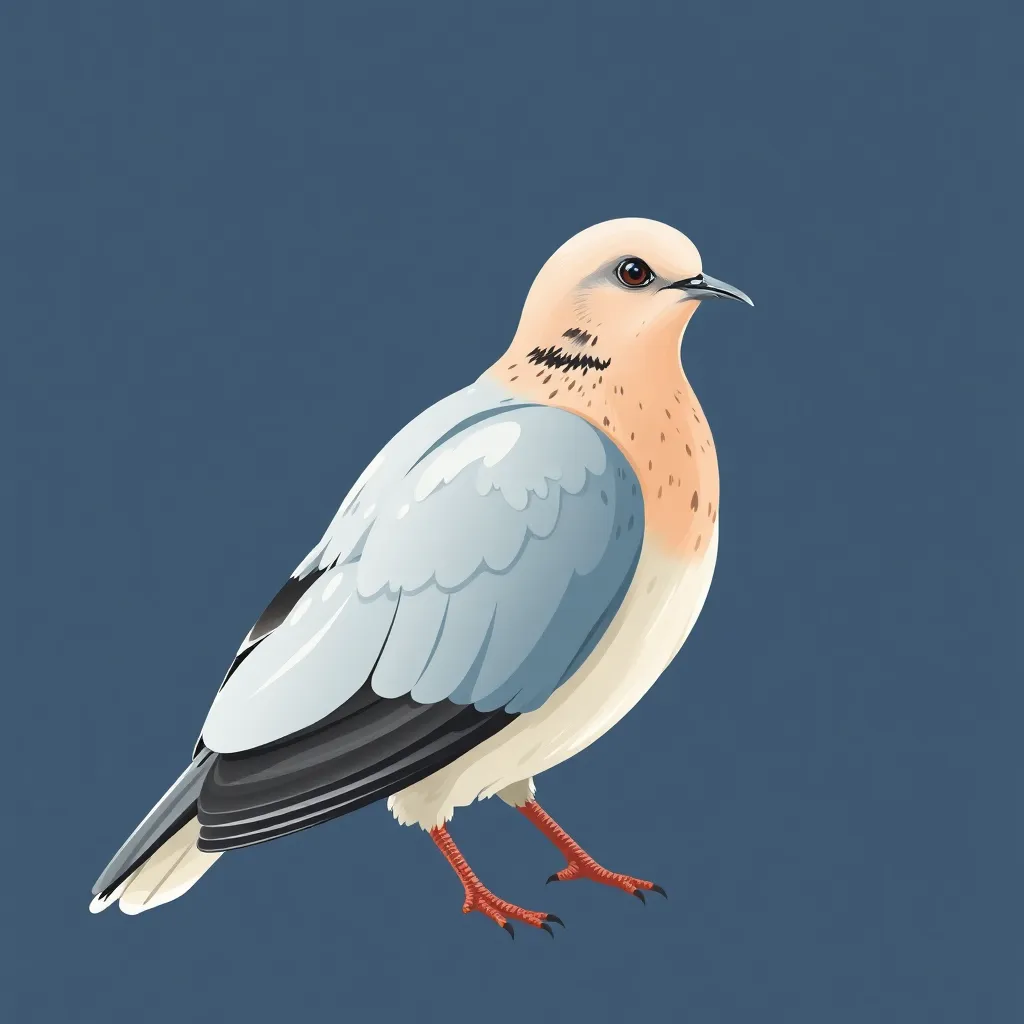
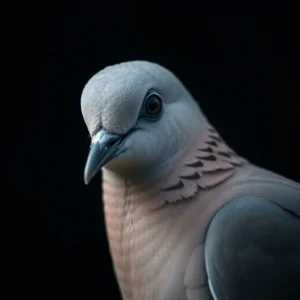
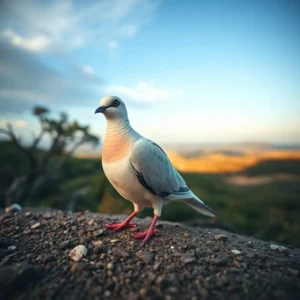
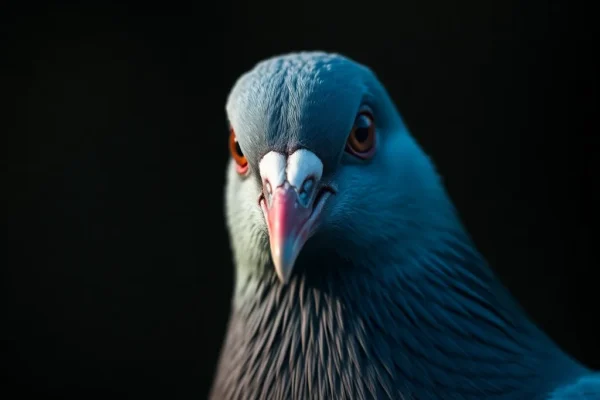
The Eurasian collared dove is one of the great ornithological success stories of the 20th century — a species that expanded its range from Turkey to cover the entirety of Europe within 50 years, reaching Britain by 1955 and North America by 1980. Its soft, repetitive three-note coo is one of the most recognizable sounds in suburban European gardens. Unlike most birds, doves produce nutritious crop milk — a protein-rich secretion from the lining of the crop fed to nestlings during the first days of life.
About the Dove
Streptopelia decaocto
Advertisement
⚡ Speed Comparison
📸 Photo Gallery


💡 Fun Facts
01
The Eurasian collared dove expanded its range from Turkey across all of Europe in just 50 years — one of the fastest natural range expansions ever documented in a bird.
02
Doves produce 'crop milk' — a protein-rich secretion from the crop lining fed to nestlings in the first days of life, analogous to mammalian milk but produced by both parents.
03
Unlike most birds that tip their heads back to swallow water, doves can continuously suck water through their bill like a straw.
04
Doves mate for life in most species and engage in elaborate bowing and preening displays; if a partner dies, the surviving bird may refuse to pair again.
05
The dove's cooing repertoire includes at least 6 distinct call types serving different functions: territorial, alarm, nest calls, and contact calls.
📍 Where to Find This Animal
Habitat Types:
Urban & Agricultural Land
🛒 Dove Related Gear
As an Amazon Associate we earn from qualifying purchases.

Join the Conversation
Share your thoughts about the Dove