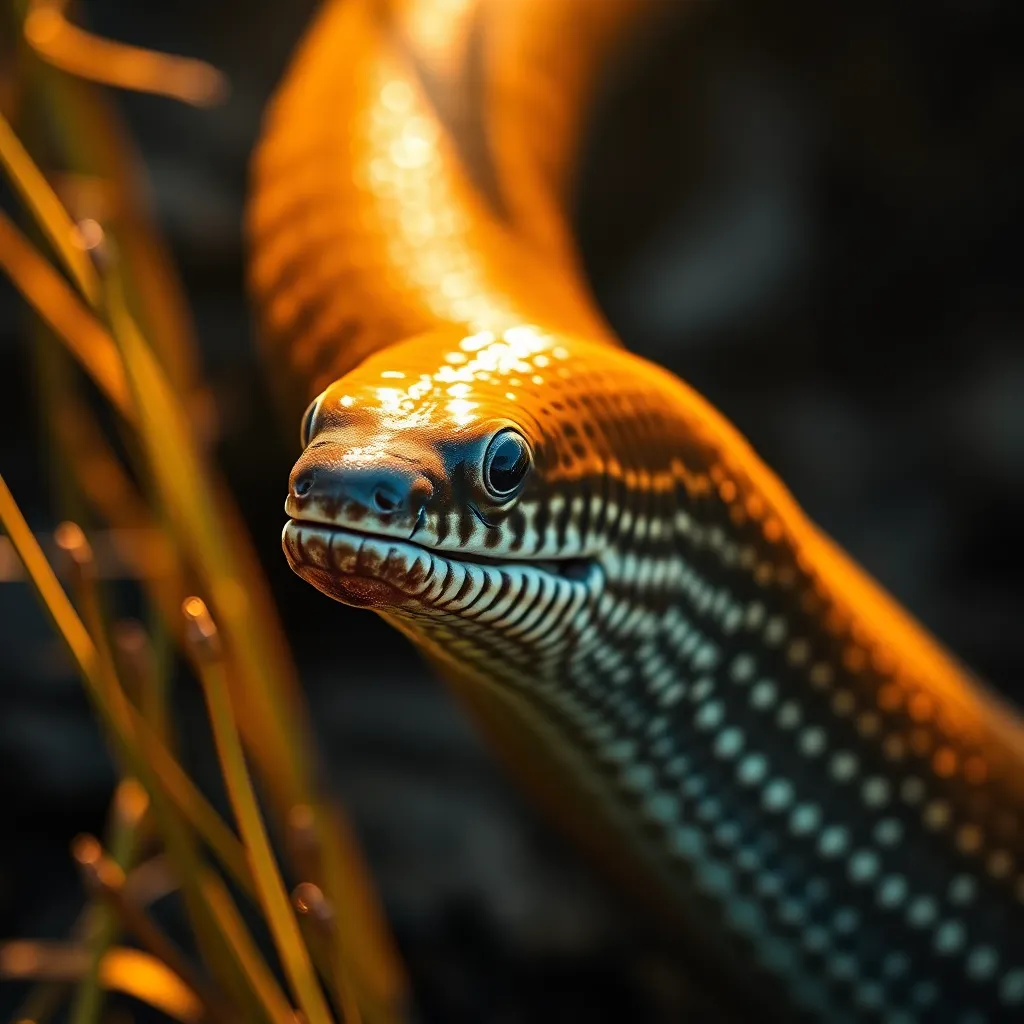
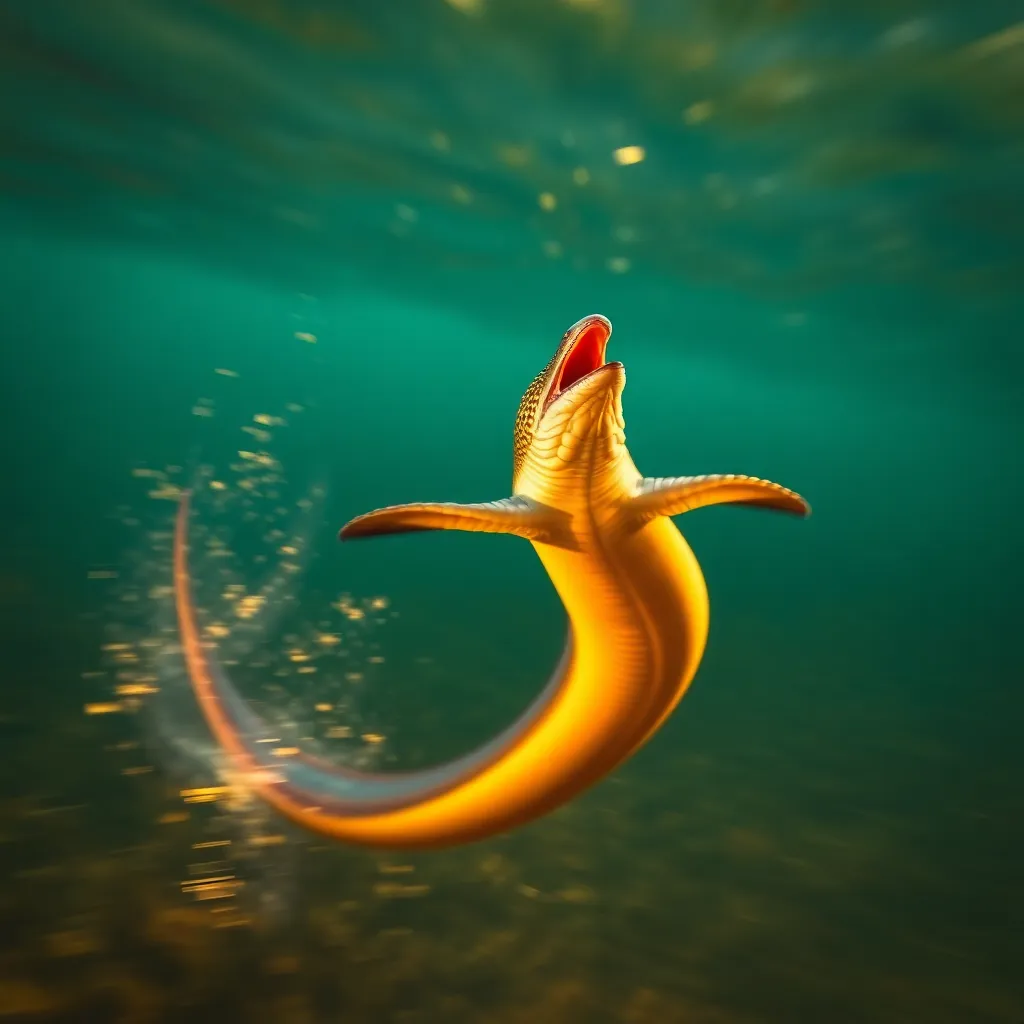
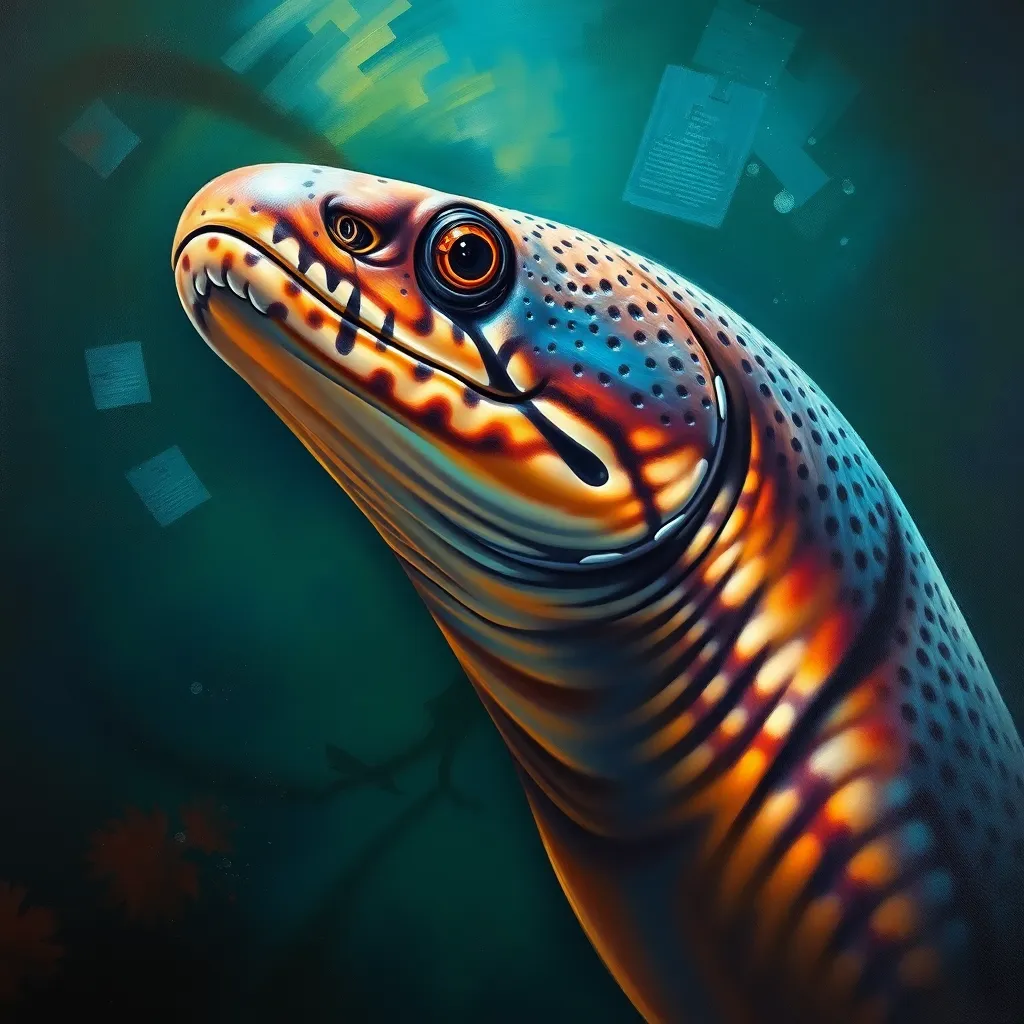
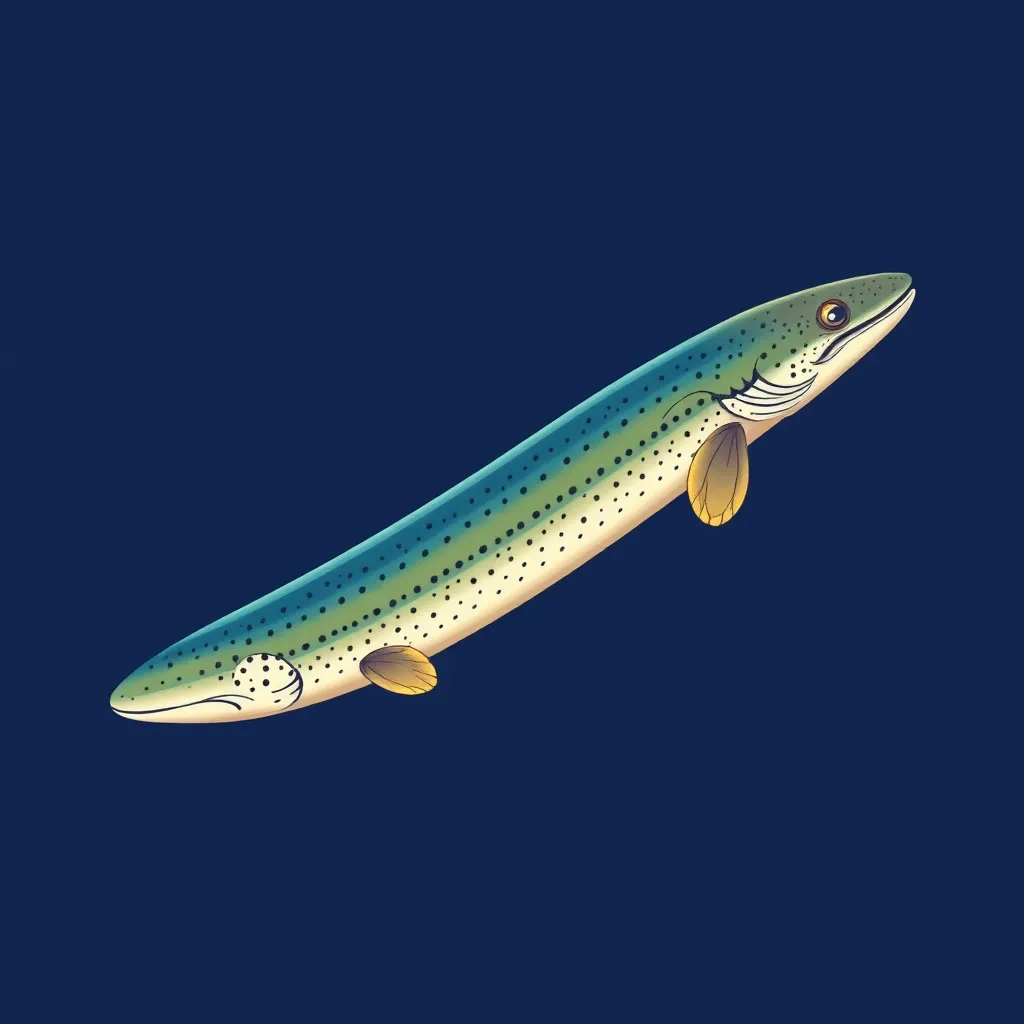
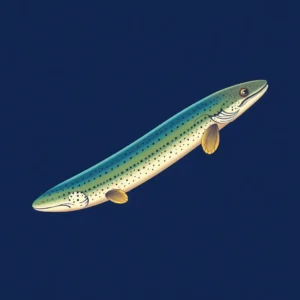
The European eel is one of the most mysterious fish in the world — no human has ever directly observed European eels mating in the wild, and their complete reproductive cycle remained unknown until the 20th century. These critically endangered catadromous fish spend most of their life in European freshwater rivers before undertaking an astonishing 6,000-kilometer migration to spawn in the Sargasso Sea in the mid-Atlantic, where they die after releasing eggs. Their transparent leaf-shaped larvae then drift back to Europe on ocean currents — a journey taking years.
About the Eel
Anguilla anguilla
Advertisement
⚡ Speed Comparison
📸 Photo Gallery
💡 Fun Facts
01
European eels have declined by over 95% since the 1980s due to habitat loss, overfishing, and parasites — one of the steepest collapses of any European species.
02
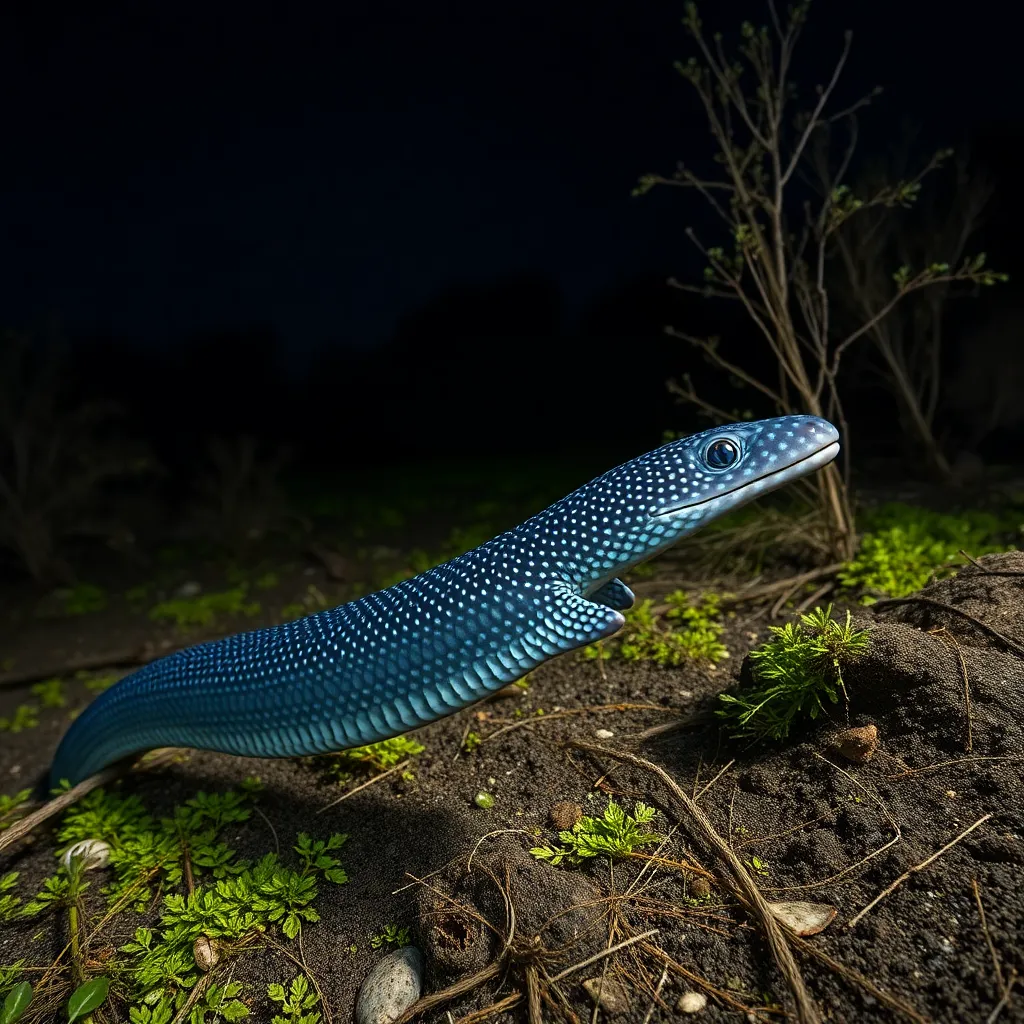
Eels can travel overland through wet grass for several hundred meters, absorbing oxygen through their skin to cross between water bodies.
03
The American electric eel (a different species) can generate discharges of up to 860 volts — enough to stun a horse.
04
Eel larvae called leptocephali are completely transparent, flat, and leaf-shaped — so different from adults they were once classified as a separate species.
05
European eels can live for over 80 years in captivity if prevented from migrating, essentially aging in suspended animation waiting for the migration trigger.
📍 Where to Find This Animal
Habitat Types:
Freshwater Rivers & Estuaries
🛒 Eel Related Gear
As an Amazon Associate we earn from qualifying purchases.


Join the Conversation
Share your thoughts about the Eel