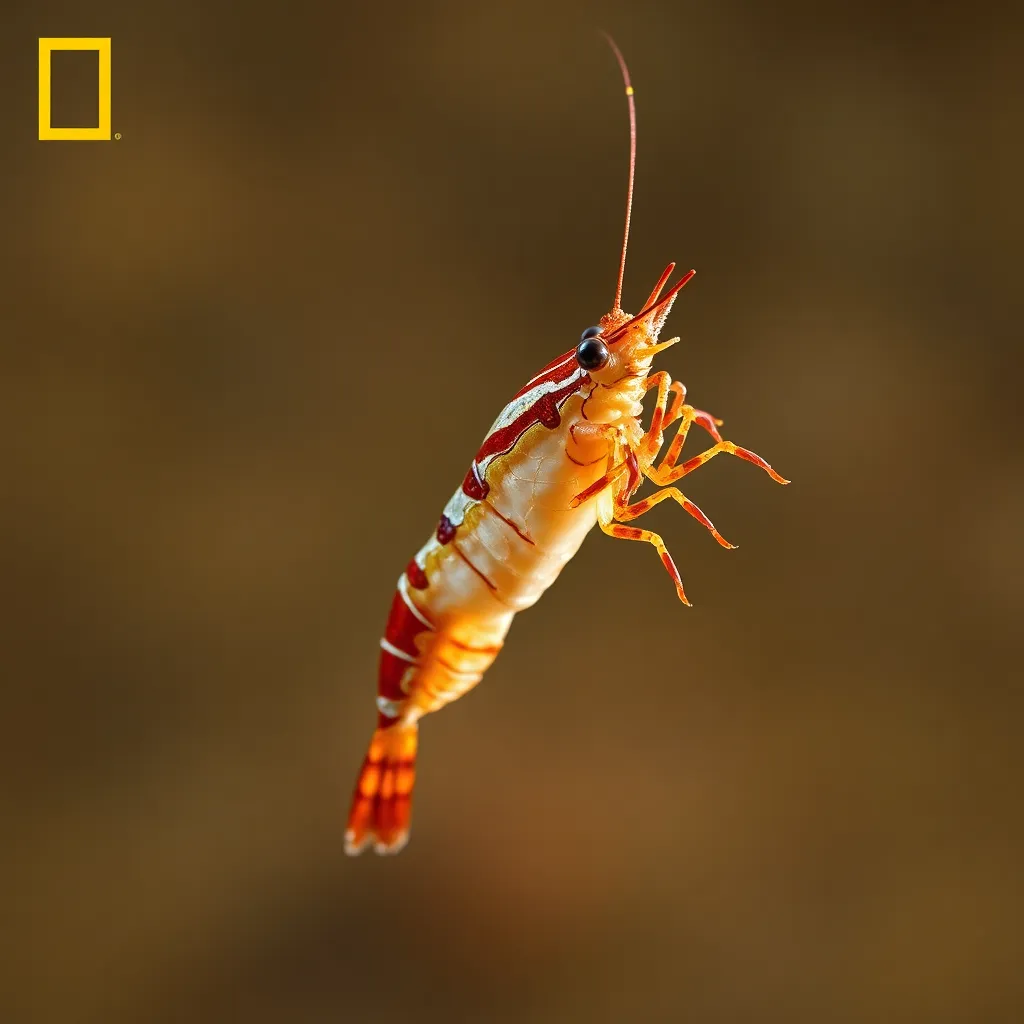
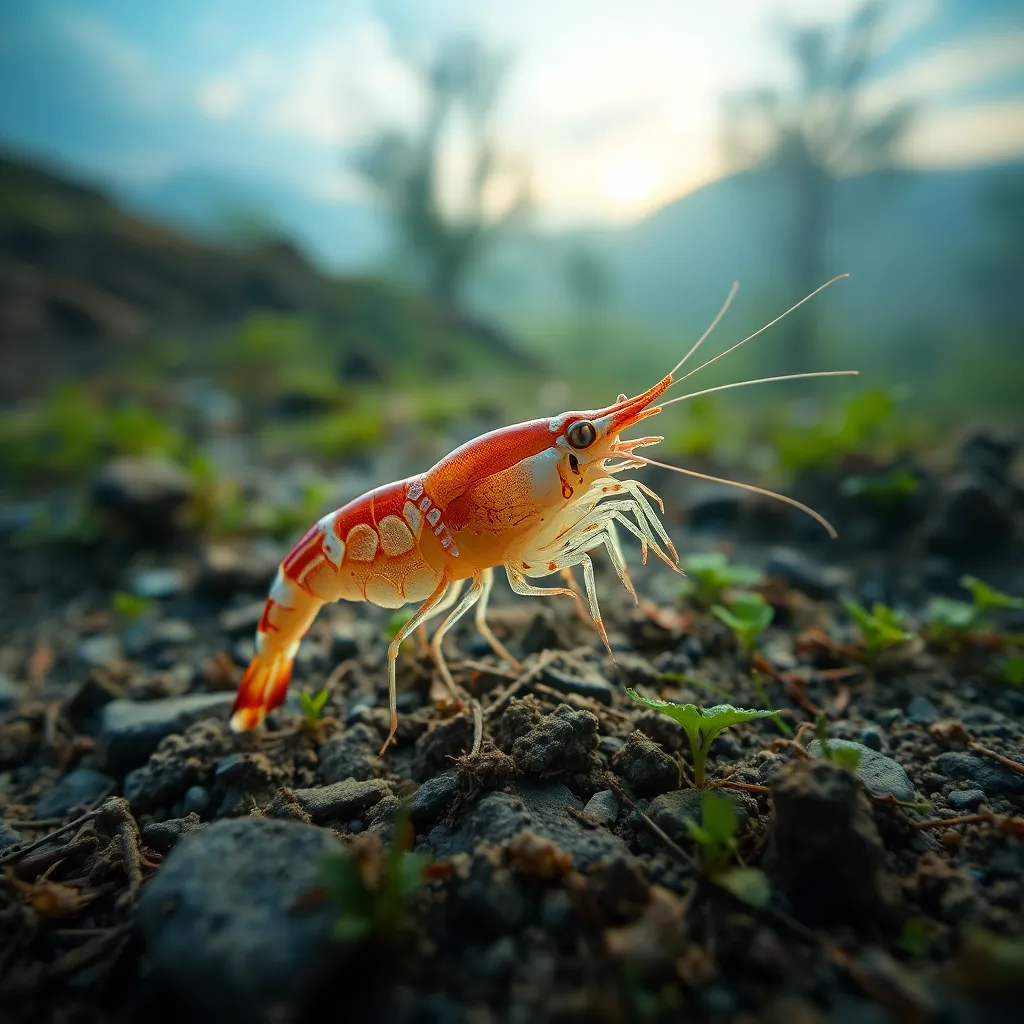
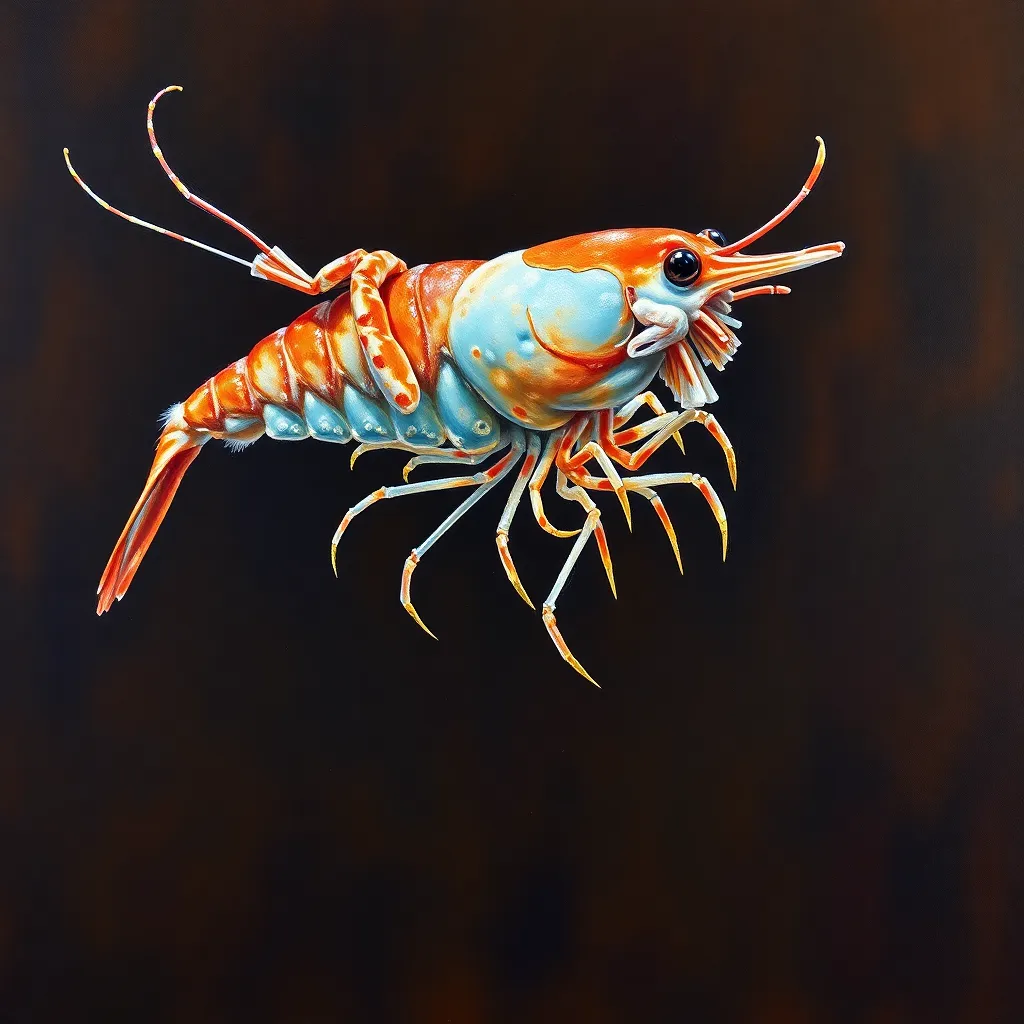
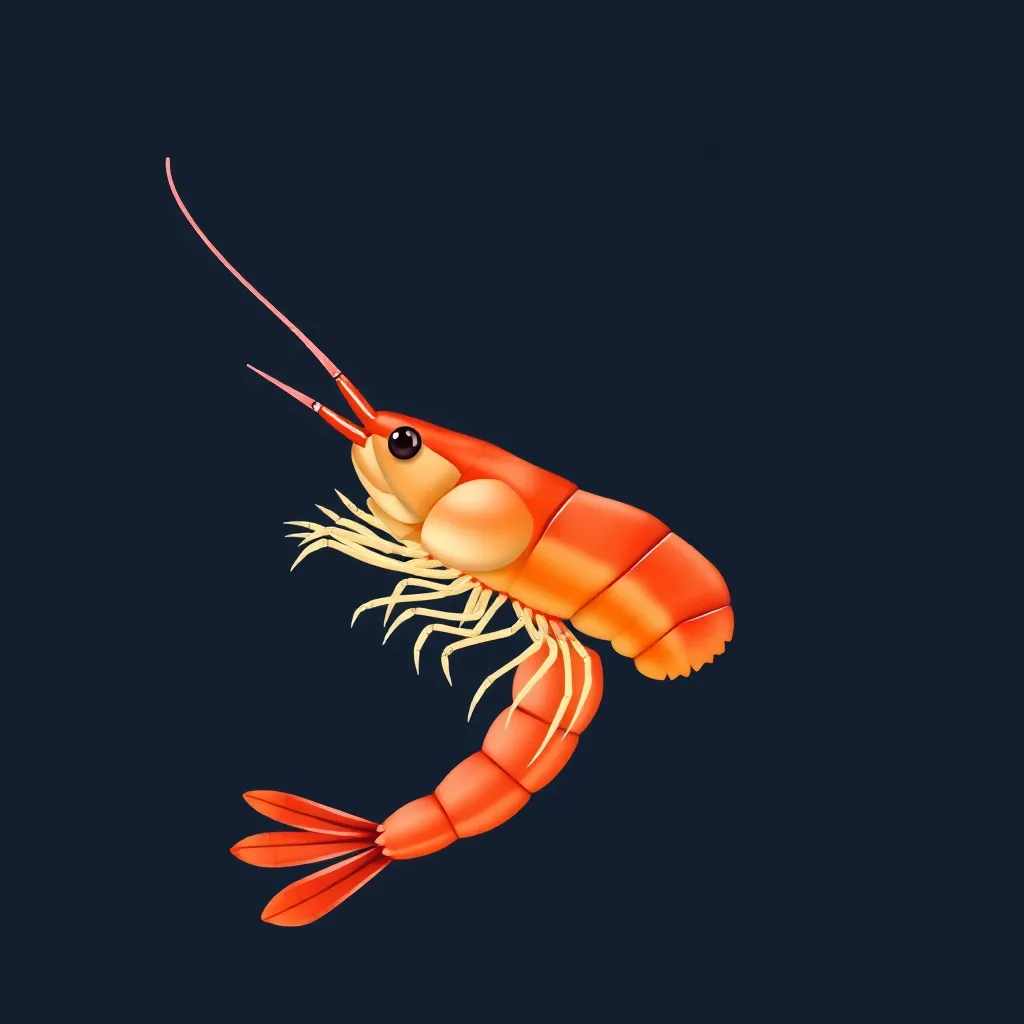
The giant tiger shrimp is the largest shrimp species in the world, native to Indo-Pacific estuaries and mangrove habitats. As a keystone species, shrimp serve as recyclers of detritus and organic matter, processing fallen leaves and dead organisms at the base of coastal food webs. They are also among the most commercially important seafood species globally, though wild populations have declined significantly from overfishing and habitat destruction.
About the Shrimp
Penaeus monodon
Advertisement
⚡ Speed Comparison
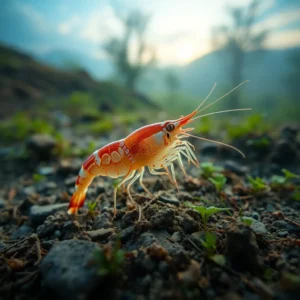
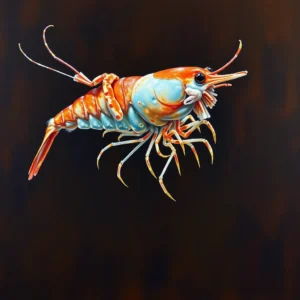
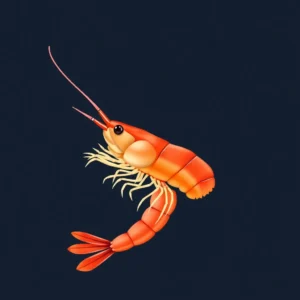
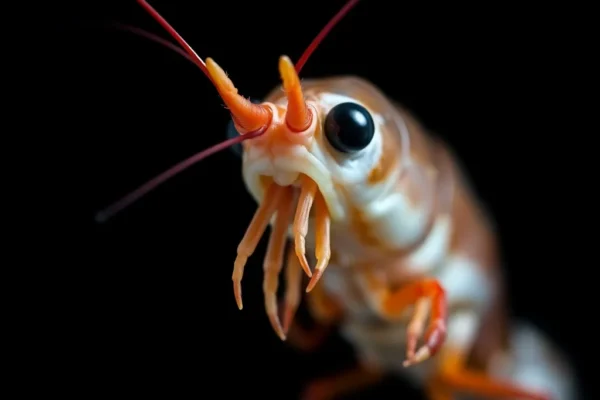
📸 Photo Gallery

💡 Fun Facts
01
Shrimp have their heart in their head — specifically in their cephalothorax, directly behind the stomach.
02
The mantis shrimp (a relative) can strike prey with the force of a bullet at 80 km/h, generating cavitation bubbles that produce a shockwave even if the punch misses.
03
Shrimp blood is colourless; it contains hemocyanin only in small amounts, and oxygen is transported mainly through simple diffusion.
04
Some shrimp species are sequential hermaphrodites — they begin life as males and transition to females as they grow larger and older.
05
Cleaner shrimp establish 'cleaning stations' where they pick parasites and dead tissue from fish, including inside the mouths of large predators without being eaten.
📍 Where to Find This Animal
Habitat Types:
Coastal Ocean
🛒 Shrimp Related Gear
As an Amazon Associate we earn from qualifying purchases.


Join the Conversation
Share your thoughts about the Shrimp