Loading Wildlife…

Ratites

THE

EMU

Built for the Wild, Born to Run

Dromaius novaehollandiae

Australia
CLASS Mammalia FAMILY Ratites GENUS Dromaius
50 km/h
Top Speed
⚖️
60 kg
Max Weight
📏
Up to 1.9 m
Height
🕰️
20 yrs
Lifespan
🌍
625,000 – 725,000
Est. Left
🍖
Omnivore
Diet Type

IUCN Red List — Where this species stands

LC Least Concern
NT Near Threatened
VU Vulnerable
EN Endangered
CR Critical
EW Extinct Wild
EX Extinct

About the Emu

Dromaius novaehollandiae

Advertisement

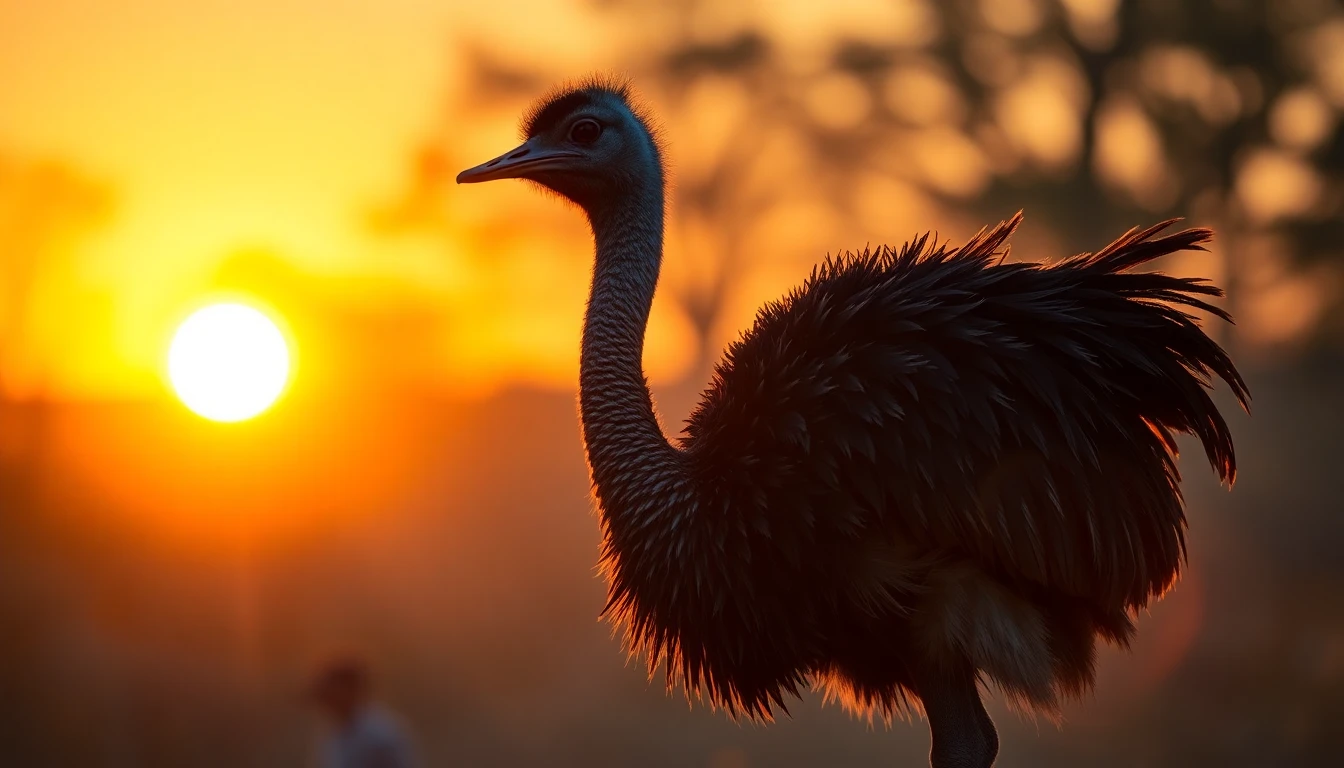
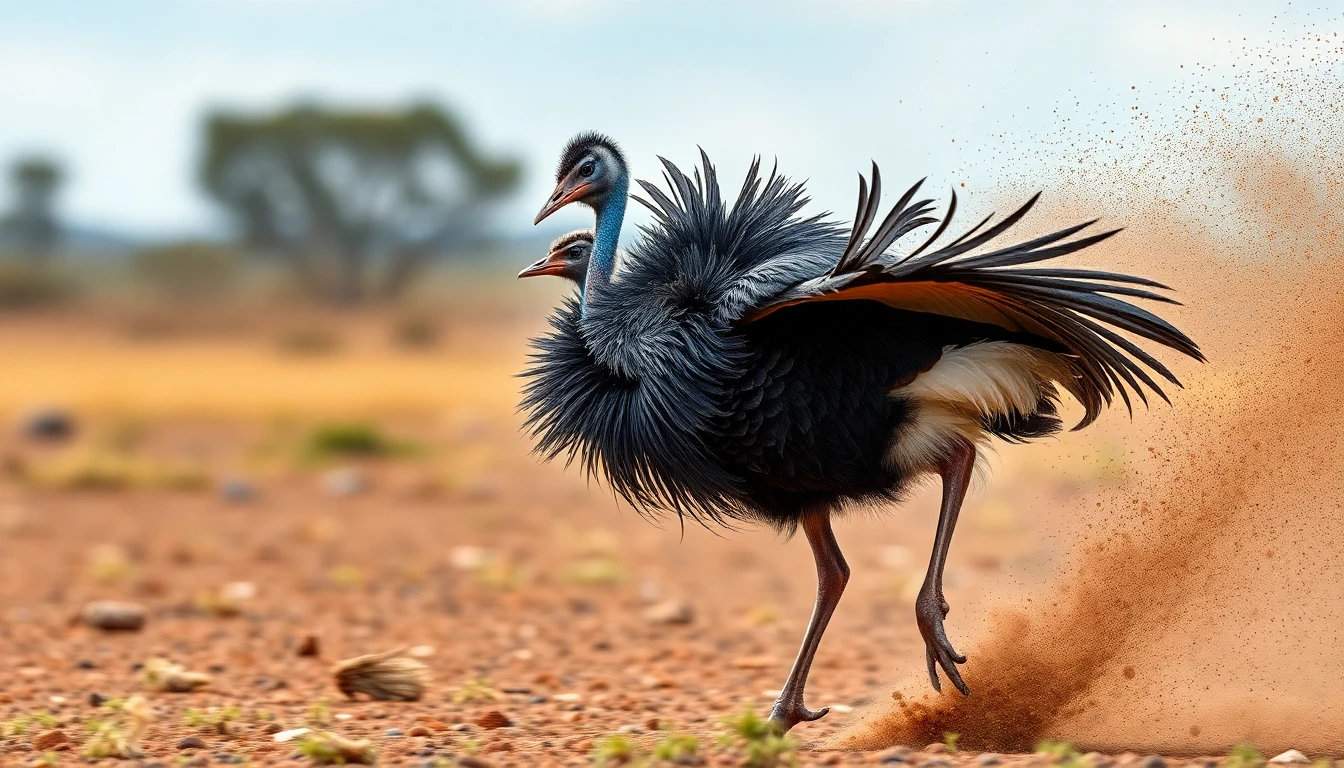
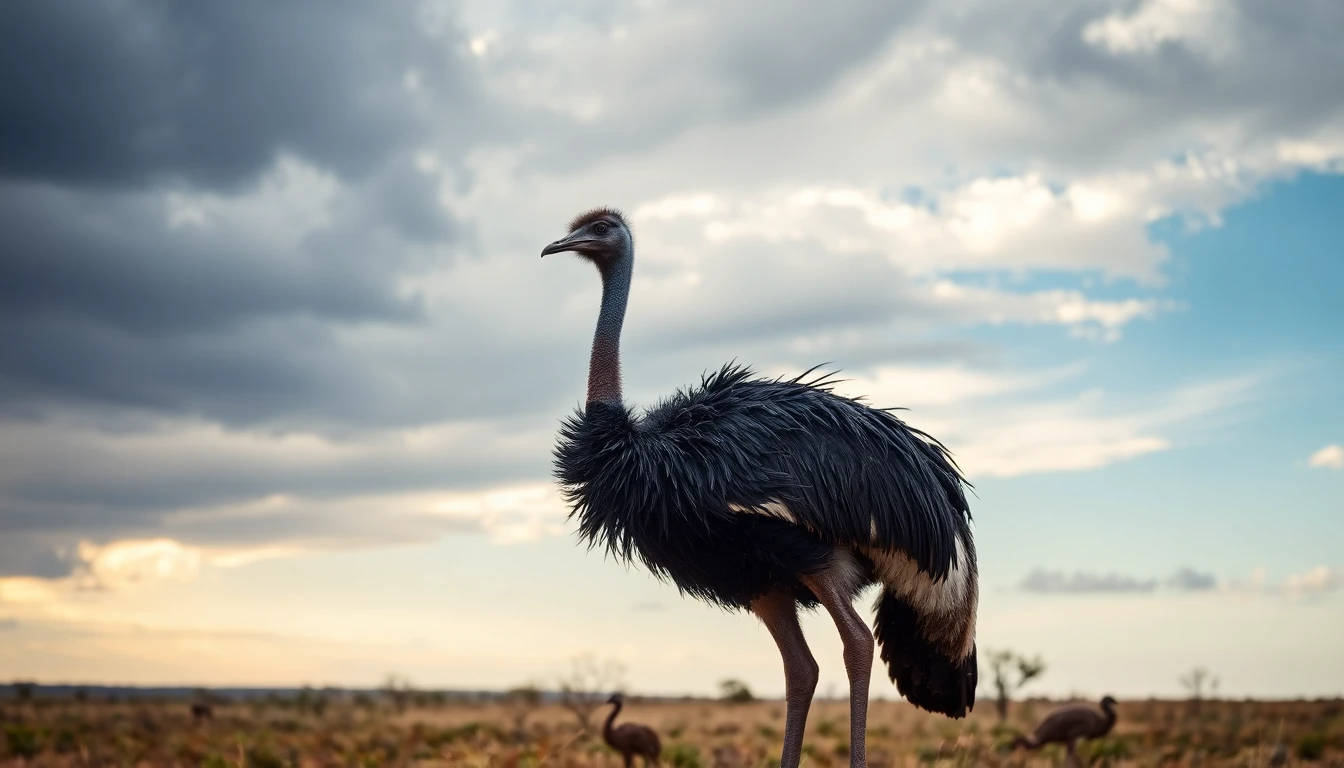
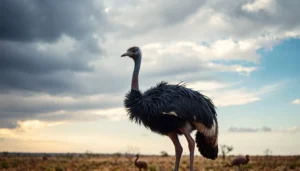
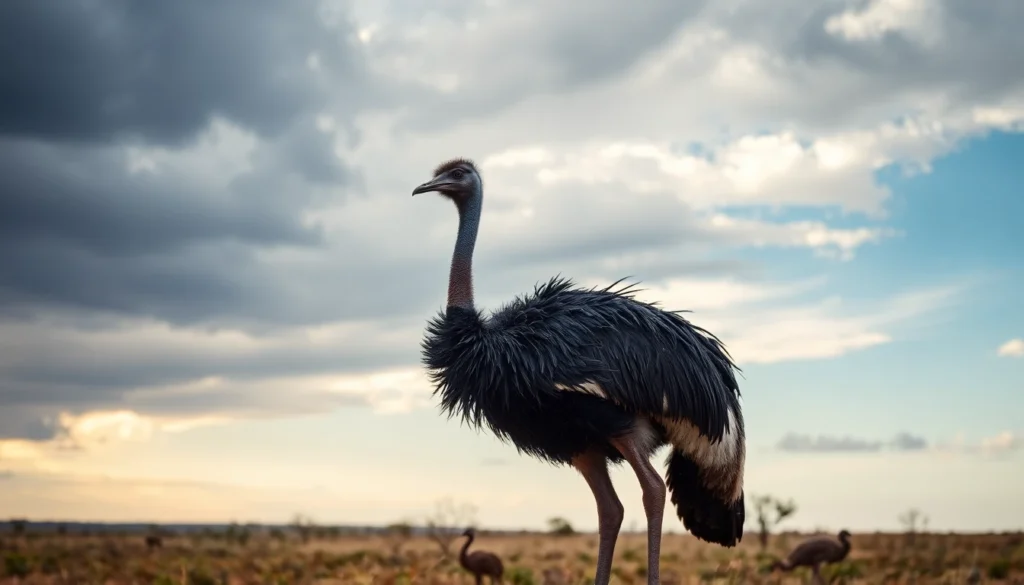
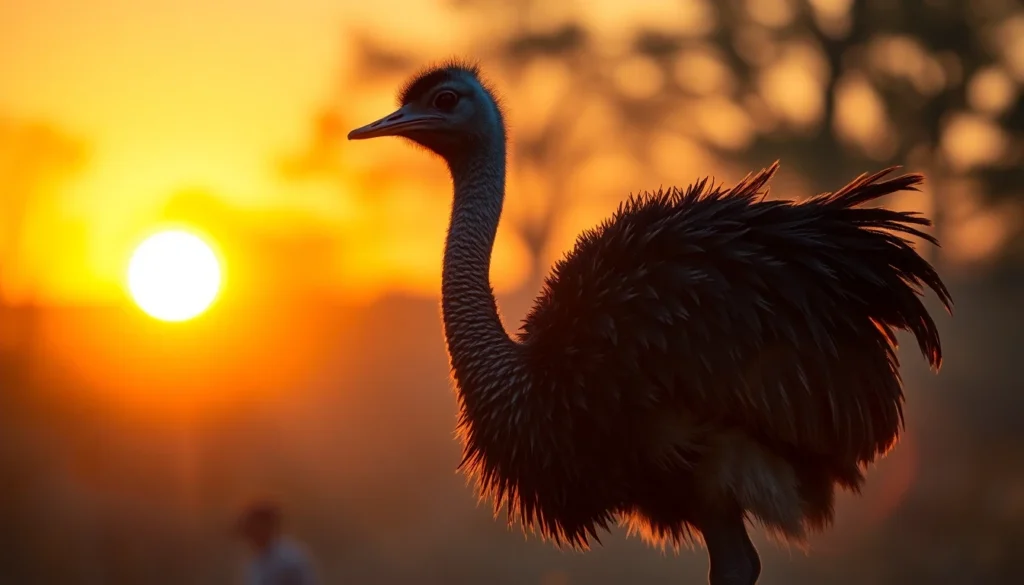
The Emu (Dromaius novaehollandiae) is Australia’s largest native bird and the world’s second-largest living bird by height. A flightless giant of the outback, the Emu can stand nearly 2 meters tall and outrun most predators at speeds up to 50 km/h. This ancient bird has roamed Australia for millions of years, surviving extreme heat, drought, and even a famous 1932 military campaign that pitted soldiers with machine guns against a flock of 20,000 Emus — a campaign the Emus won.

Unlike most birds, Emu fathers are devoted single parents who incubate eggs and raise chicks entirely alone for 7 months without eating or drinking. The Emu’s three-toed feet, vestigial wings, and hollow bones reveal its evolution from flying ancestors into one of nature’s most remarkable adaptive radiations.

Advertisement

⚡ Speed Comparison

Human
12 km/h
Emu
50 km/h
Car (city)
50 km/h
Horse
54 km/h

💡 Fun Facts

01

The Emu is one of only two birds (alongside the cassowary) that have functioning calf muscles, allowing a running stride.

02

Male Emus become brooding fathers — they incubate 5–15 eggs for 56 days without eating, losing a third of their body weight.

03

Emus are one of few animals that travel in the same direction as rainfall, tracking weather systems across vast distances.

04

The Emu features on Australia's coat of arms because it cannot walk backwards — symbolizing the nation's progressive spirit.

05

Emu oil, rendered from body fat, has been used by Aboriginal Australians medicinally for over 40,000 years.

Unlock Expert Wildlife Facts

Watch a short 15-second video to unlock detailed expert analysis, exclusive wildlife photography, and rare behavioral facts.

📍 Where to Find This Animal

Geographic Range: Mainland Australia — savannah, grasslands, scrubland, and forest edges

Habitat Types: Grassland

🛒 Emu Related Gear

As an Amazon Associate we earn from qualifying purchases.
Leave a Reply

Your email address will not be published. Required fields are marked *

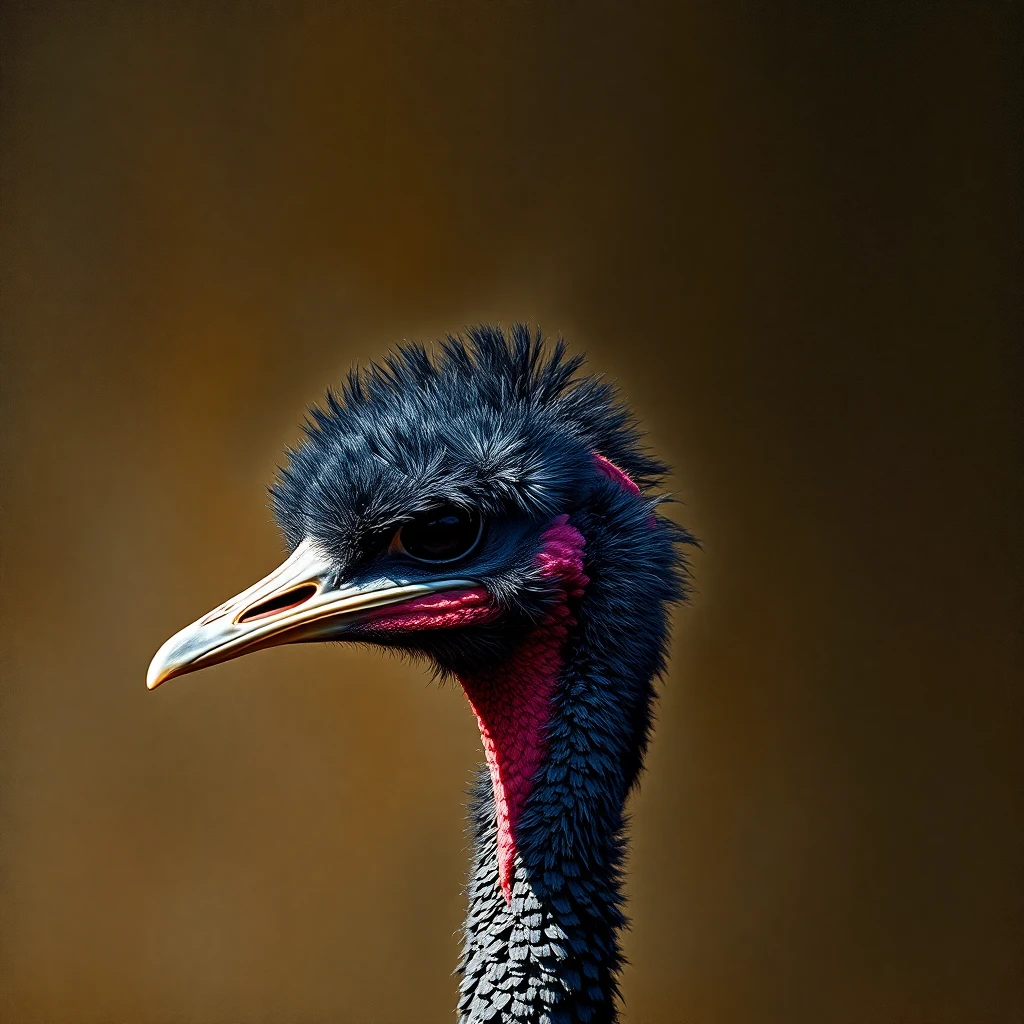
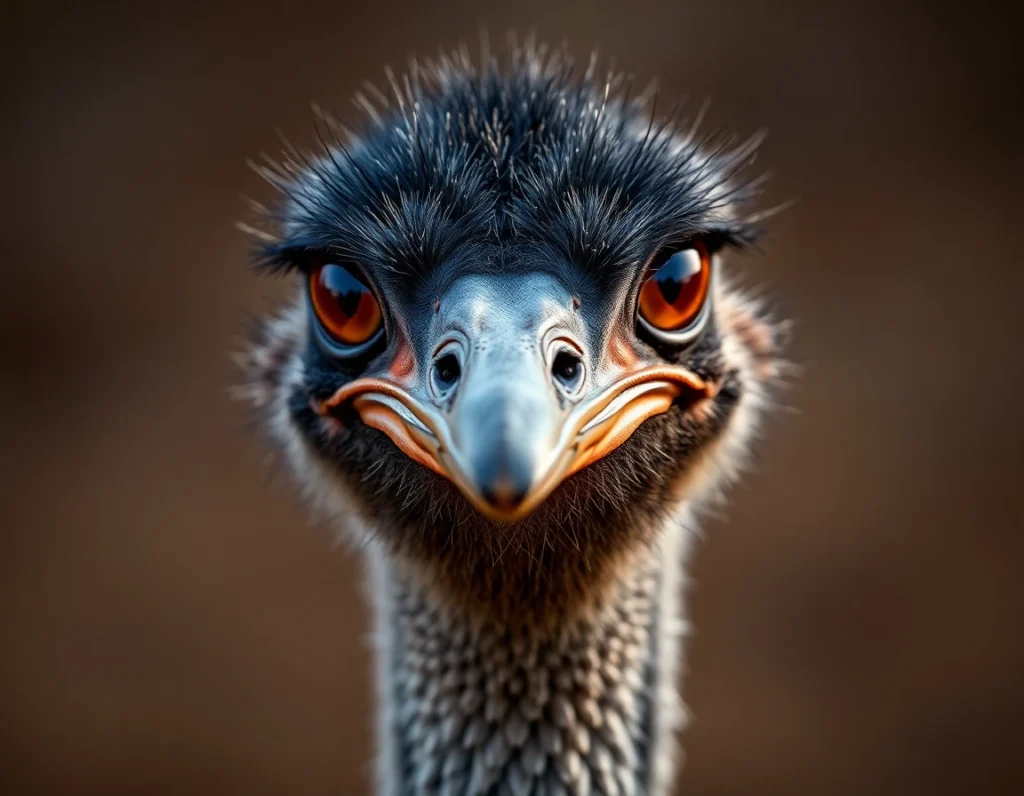
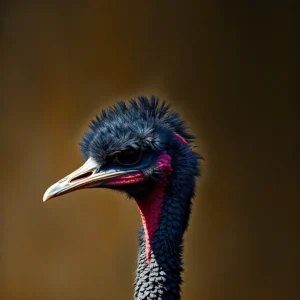
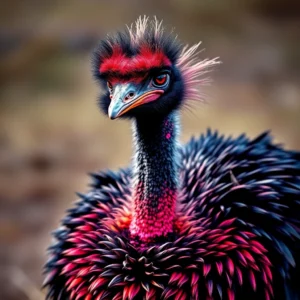
Emu close-up
Emu

SURVIVAL TOOLKIT

Built for Survival

Nature's engineering refined over millions of years

ud83cudfc3 Speed & Stride

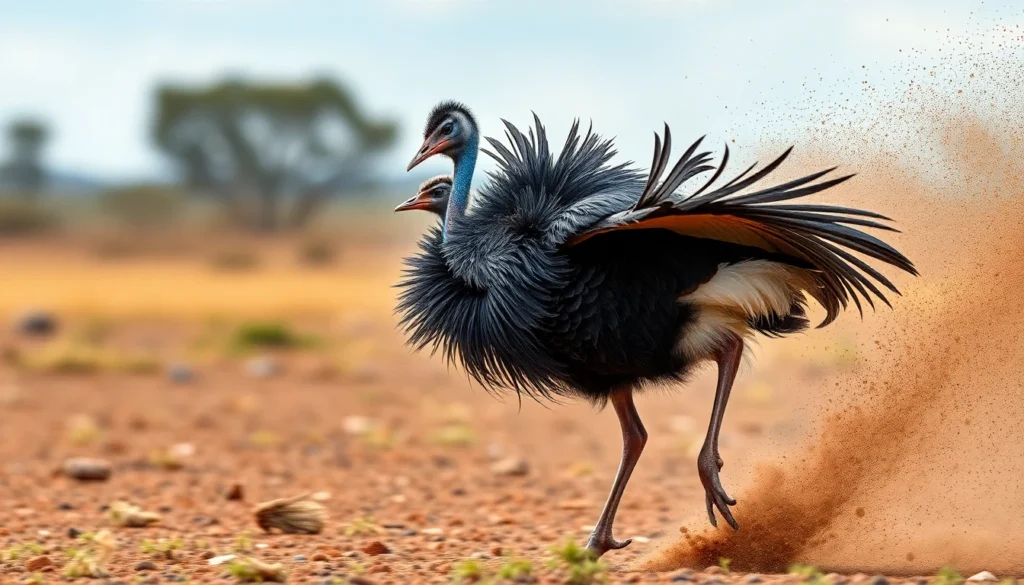
Reaches 50 km/h and can run non-stop for hours on powerful three-toed legs with razor claws.

ud83eudeb6 Double Feathers

Each shaft bears two full feathers, providing insulation from both extreme heat and cold.

ud83dudc41ufe0f Keen Eyesight

Excellent vision helps emus spot danger from a distance and scan for food across open plains.

ud83dudca7 Water Efficiency

Can travel 15+ km daily to find water, and survive weeks between drinks.

ud83dudc23 Devoted Dads

Males incubate eggs for 56 days without eating, losing 1/3 of body weight, and raise chicks alone.

ud83eudea8 Gizzard Stones

Swallow rocks up to 45 mm to help grind hard seeds and insects in their gizzard.

Estimated Wild Population

625,000 – 725,000

Emu remaining in the wild · as of 2023

→ Population Stable

For context — New York City alone has 8 million people.
The entire wild population of the Emu could fit inside a single football stadium.

💡

Did You Know?

In 1932 the Australian government launched the "Great Emu War" — deploying soldiers with machine guns against 20,000 emus. The emus won.

What Does the Emu Eat?

Omnivore

🦌 Seeds
🦌 Fruits
🦌 Insects
🦌 Larvae
🦌 Small Animals
🦌 Flowers

Threats to the Emu

Human activity and habitat loss are pushing this species toward extinction

ud83cudfd8ufe0f

Habitat & Land Clearing

Agricultural expansion in southern Australia reduces native grassland habitats.

ud83dude97

Road Collisions

Emus are frequently hit by vehicles as they cross roads seeking water and food.

ud83dudc15

Predators & Dogs

Dingos, foxes and domestic dogs kill chicks and eggs, especially in fragmented areas.

ud83cudf21ufe0f

Climate Change

Intensifying droughts reduce food availability and force dangerous long-distance migrations.

GEOGRAPHIC RANGE

Where Do Emus Live?

Mainland Australia — savannah, grasslands, scrubland, and forest edges

🌍
Continents
📐
Total Range Area ~7.5 million km² (mainland Australia)
🐾
Wild Population 625,000 – 725,000 estimated
➡️
Population Trend Stable

Conservation in Action

How You Can Help the Emu

Small actions, taken together, can reverse the decline of species like this one

🌳 Protect Habitat

Support wildlife reserves and protected land corridors

🚫 Stop Poaching

Report illegal trade and back anti-poaching patrols

🔬 Fund Research

Camera-trap studies and population monitoring

🤝 Community Work

Partner with local herders to reduce conflict

📢 Raise Awareness

Educate and inspire future wildlife champions

"Without urgent action, the Emu could disappear from the wild within our lifetime."

PROTECT THEM. PRESERVE THEIR LEGACY.

The Emu's Future
Is In Our Hands

Every share, every donation, every voice raised — makes a difference for wildlife conservation.

🌳Protect Habitat
📢Raise Awareness
💰Fund Research
🤝Community Work
🚫Stop Poaching

Advertisement