Loading Wildlife…

Giraffidae VU

THE

GIRAFFE

Rulers of the Treetops

Giraffa camelopardalis

Africa
CLASS Mammalia FAMILY Giraffidae GENUS Giraffa
56 km/h (35 mph)
Top Speed
⚖️
750–1,930 kg (1,700–4,300 lbs)
Max Weight
📏
4.6–6 m tall (15–20 ft)
Body Length
🕰️
20–25 years (wild)
Lifespan
🌍
68,000 – 117,000
Est. Left
🍖
Herbivore
Diet Type

IUCN Red List — Where this species stands

LC Least Concern
NT Near Threatened
VU Vulnerable
EN Endangered
CR Critical
EW Extinct Wild
EX Extinct

About the Giraffe

Giraffa camelopardalis

Advertisement

Nature’s Tallest Skyscraper

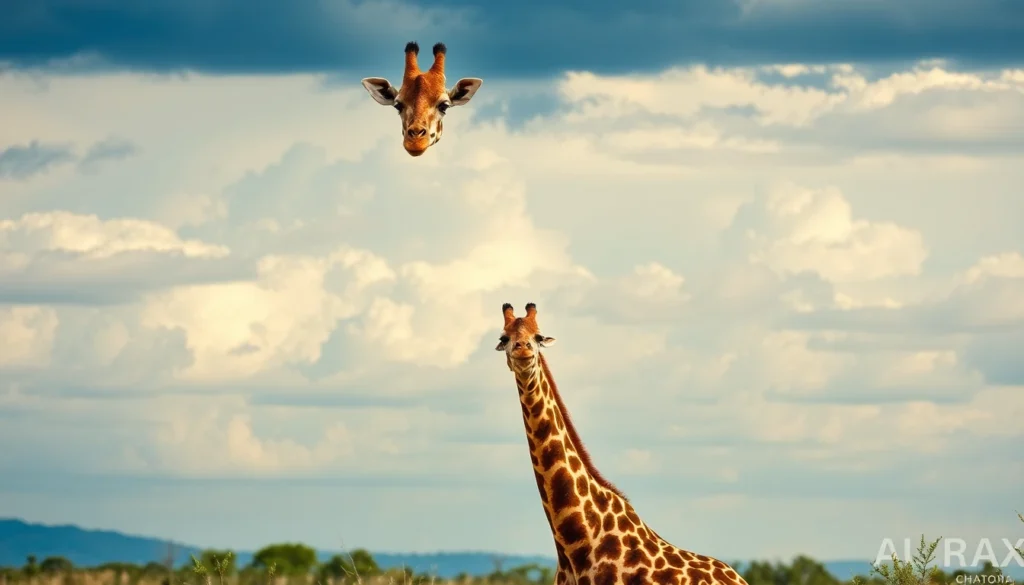
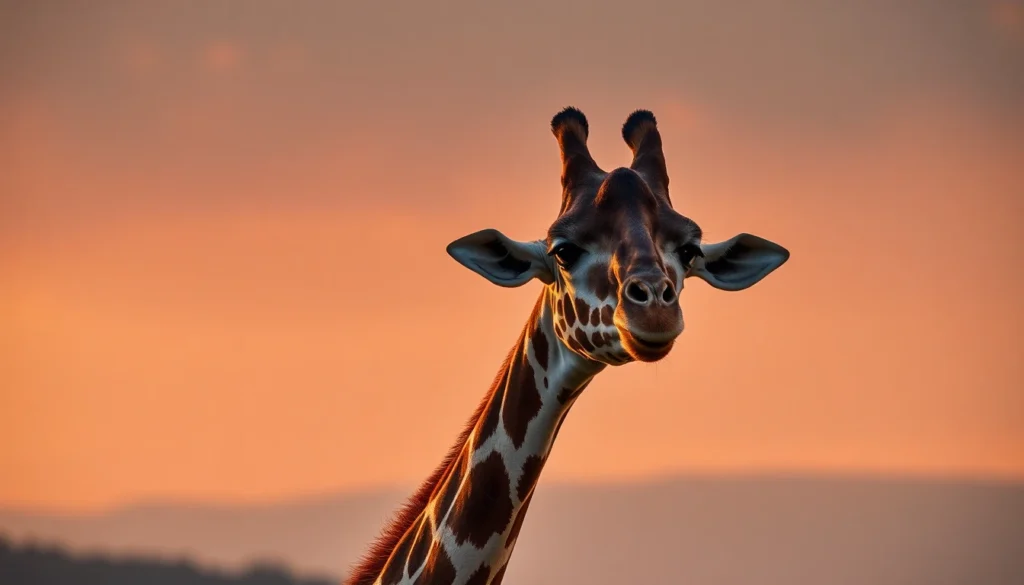
The Giraffe (Giraffa camelopardalis) stands as the tallest living terrestrial animal on Earth, with adults reaching heights of up to 6 metres (20 feet) — roughly the height of a two-story building. Yet this extraordinary height, far from being a quirk of evolution, is a masterpiece of natural engineering: a solution to food competition that gives giraffes exclusive access to the upper canopy food source that no other browser can reach.

The Neck: 7 Vertebrae, Infinite Engineering

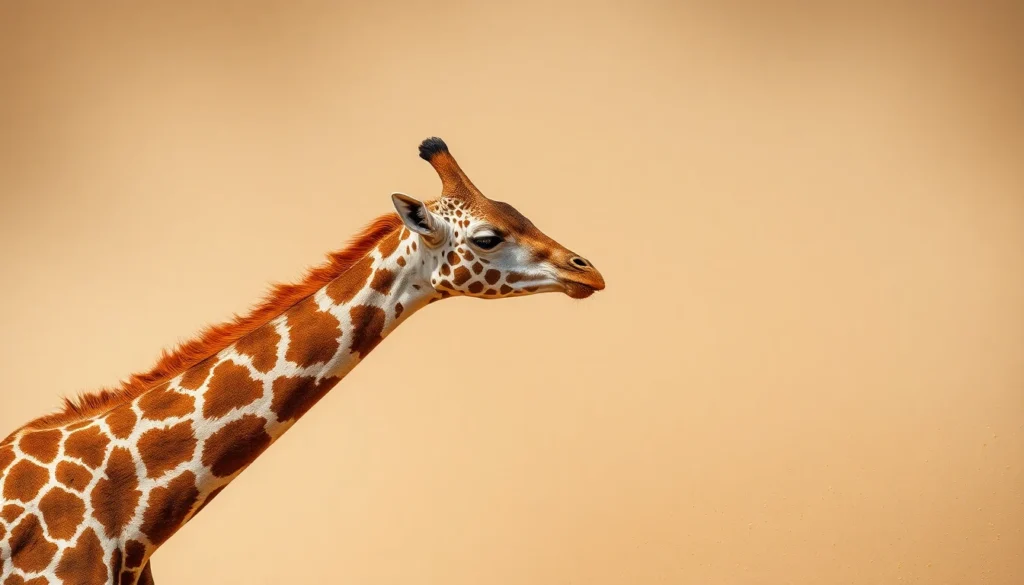
A giraffe’s neck — which can measure up to 1.8 metres — contains exactly the same number of vertebrae as a human neck: seven. Each cervical vertebra, however, is extended to up to 28 cm (11 inches) in length. This elongation drives some remarkable cardiovascular engineering: a giraffe’s heart must pump blood 2 metres uphill to the brain, requiring a heart that weighs 11 kg and generates blood pressure twice that of humans. To prevent blackout when bending to drink — the most vulnerable moment in a giraffe’s life — a complex system of valves and blood pressure regulators in the neck manage the dramatic pressure changes.

Social Structure & Ossicones

Giraffes live in loose, fission-fusion social groups called “towers” — splitting and regrouping fluidly based on resource availability. Males compete for females through “necking” — a dramatic combat behavior in which rivals use their ossicone-topped heads as clubs, delivering blows capable of knocking an opponent unconscious. Mature males develop distinctive calcium deposits on their skulls from years of combat, creating a phenomenon called “progressive ossification” — older, battle-scarred males literally have larger, knobblier skulls.

Advertisement

The Silent Alarm System

Giraffes are arguably the savanna’s most effective early warning system. Their 6-metre vantage point allows them to spot predators across distances beyond the visual range of any other savanna species. Zebras, wildebeest, and impala have learned to read giraffe body language — when giraffes stare in a fixed direction, the rest of the savanna takes notice. Lions, aware of this dynamic, attempt to approach giraffes from downwind and using available cover.

Conservation: The Silent Extinction

Giraffe populations have declined by 40% over the past 30 years, dropping from 163,000 in 1985 to approximately 97,500 today. Unlike elephants or tigers, this “silent extinction” has received little media attention. Major threats include habitat loss to agriculture, illegal hunting for meat (“bushmeat”), and civil conflict in range countries. Four of the nine giraffe subspecies are now classified as Vulnerable or Endangered.

Advertisement

⚡ Speed Comparison

Human
12 km/h
Car (city)
50 km/h
Horse
54 km/h
Giraffe
56 km/h

💡 Fun Facts

01

Giraffes only sleep 4.6 hours per day — often in brief 5-minute naps

02

Their tongue is 45–50 cm long and blue-black to resist sunburn

03

Newborn calves are 1.8 m tall — already taller than most humans

04

Giraffes can run at 56 km/h for short distances

05

A kick from a giraffe's foreleg can kill a lion

Unlock Expert Wildlife Facts

Watch a short 15-second video to unlock detailed expert analysis, exclusive wildlife photography, and rare behavioral facts.

📍 Where to Find This Animal

Habitat Types: Savanna & Grasslands

🛒 Giraffe Related Gear

As an Amazon Associate we earn from qualifying purchases.
Leave a Reply

Your email address will not be published. Required fields are marked *

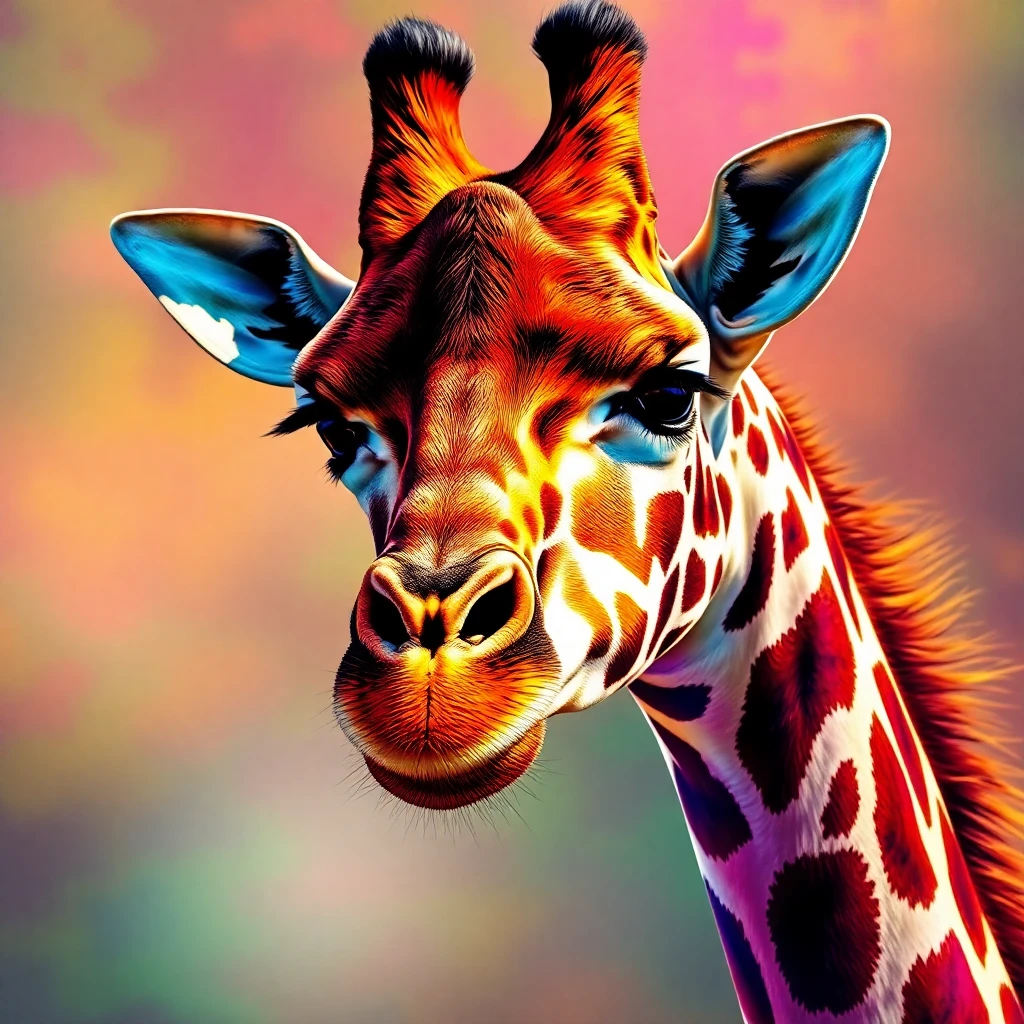
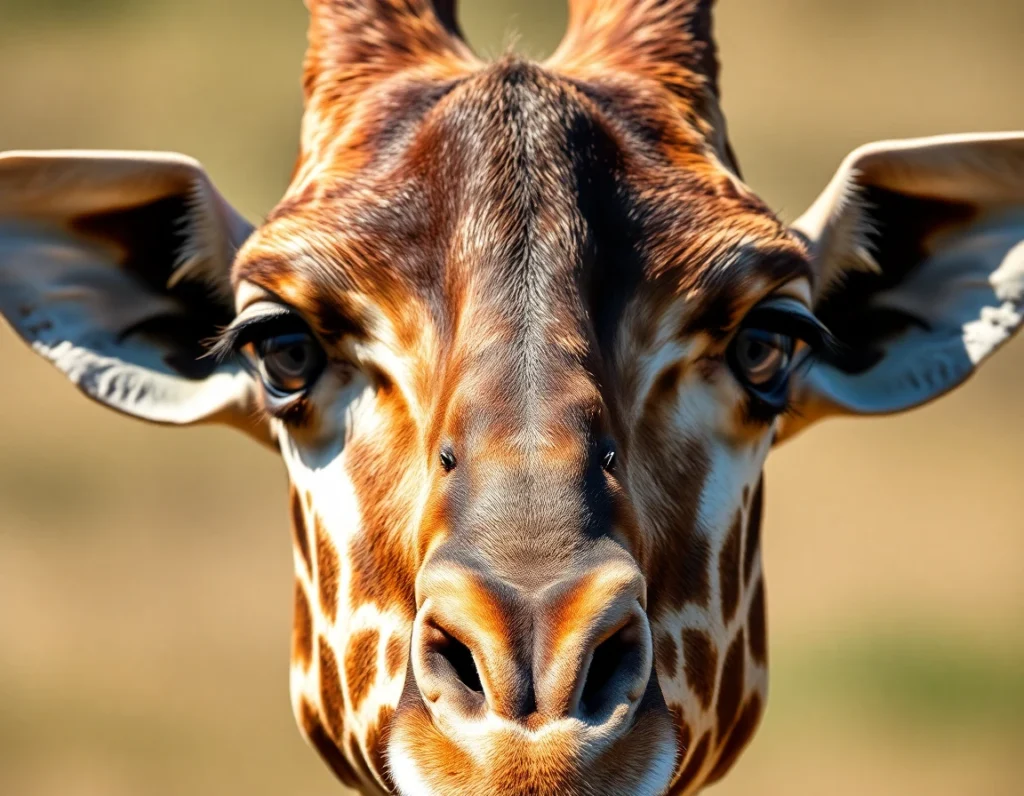
Giraffe close-up
Giraffe

SURVIVAL TOOLKIT

Built for Survival

Nature's engineering refined over millions of years

ud83eudd92 Long Neck

A 1.8 m neck allows access to leaves unreachable by any other herbivore.

u2764ufe0f Powerful Heart

A 11 kg heart pumps blood 2 m up to the brain at twice normal pressure.

ud83dudc45 Prehensile Tongue

A 45 cm blue-black tongue strips thorny acacia branches with ease.

ud83dudc41ufe0f Wide-Angle Vision

Eyes positioned on the sides of the head give near-360u00b0 panoramic sight.

ud83euddb6 Lethal Kick

Front hooves can deliver 900 kg of force u2014 enough to kill a lion.

ud83dude34 Power Napper

Survives on just 30 minutes of sleep per day in short 5-minute bursts.

Estimated Wild Population

68,000 – 117,000

Giraffe remaining in the wild

VU ▼ Population Declining

For context — New York City alone has 8 million people.
The entire wild population of the Giraffe could fit inside a single football stadium.

💡

Did You Know?

Despite their extraordinary neck, giraffes have the same number of vertebrae as humans — just 7, but each bone can be 28 cm long.

What Does the Giraffe Eat?

Herbivore

🦌 Acacia Leaves
🦌 Mimosa
🦌 Wild Apricot
🦌 Flowers
🦌 Pods
🦌 Bark

Threats to the Giraffe

Human activity and habitat loss are pushing this species toward extinction

ud83cudfd8ufe0f

Habitat Loss

Agricultural expansion and human settlements reduce roaming area.

ud83dudd2b

Hunting & Poaching

Hunted for meat, hide and tail hair across much of their range.

u2694ufe0f

Civil Unrest

Conflict zones disrupt conservation efforts and increase poaching.

ud83cudf21ufe0f

Climate Change

Drought reduces food availability and water sources.

GEOGRAPHIC RANGE

Where Do Giraffes Live?

🌍
Continents
🐾
Wild Population 68,000 – 117,000 estimated
📉
Population Trend Declining

Conservation in Action

How You Can Help the Giraffe

Small actions, taken together, can reverse the decline of species like this one

🌳 Protect Habitat

Support wildlife reserves and protected land corridors

🚫 Stop Poaching

Report illegal trade and back anti-poaching patrols

🔬 Fund Research

Camera-trap studies and population monitoring

🤝 Community Work

Partner with local herders to reduce conflict

📢 Raise Awareness

Educate and inspire future wildlife champions

"Without urgent action, the Giraffe could disappear from the wild within our lifetime."

PROTECT THEM. PRESERVE THEIR LEGACY.

The Giraffe's Future
Is In Our Hands

Every share, every donation, every voice raised — makes a difference for wildlife conservation.

🌳Protect Habitat
📢Raise Awareness
💰Fund Research
🤝Community Work
🚫Stop Poaching

Advertisement