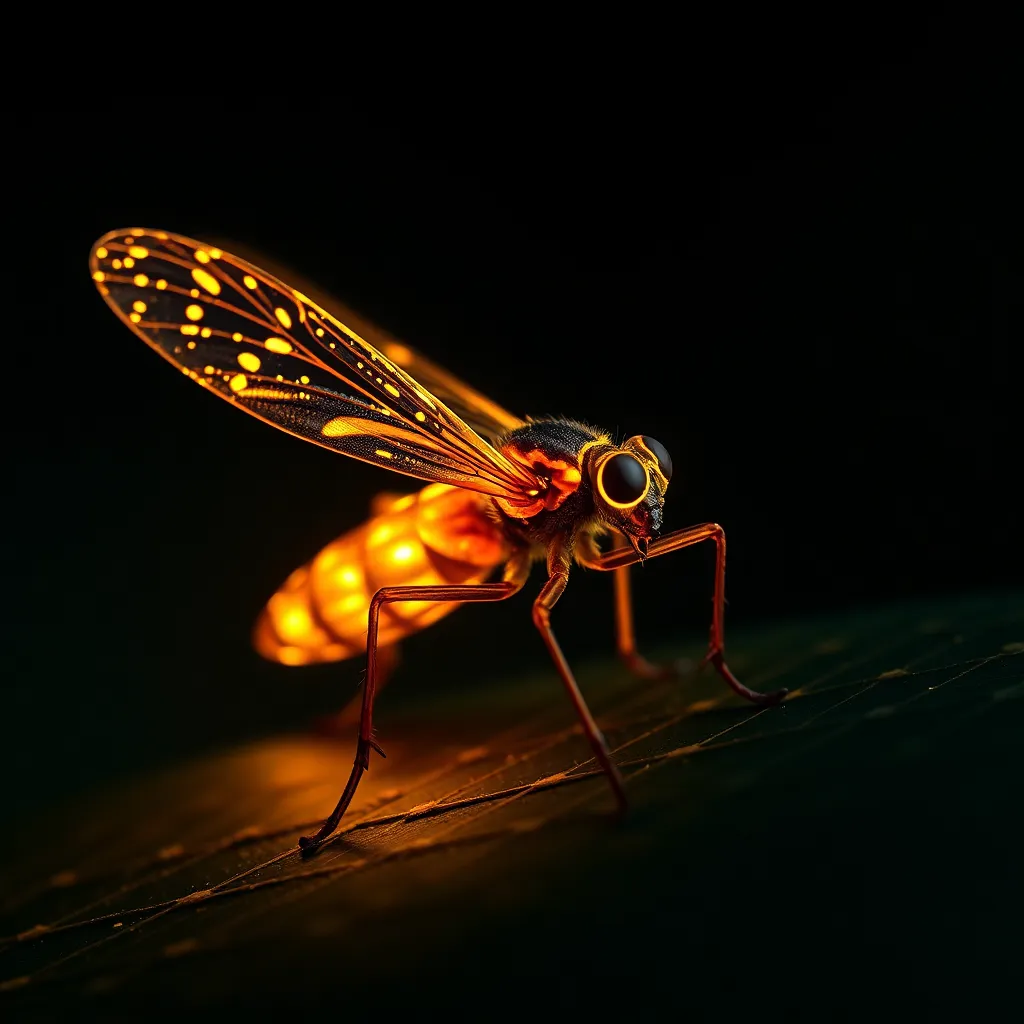
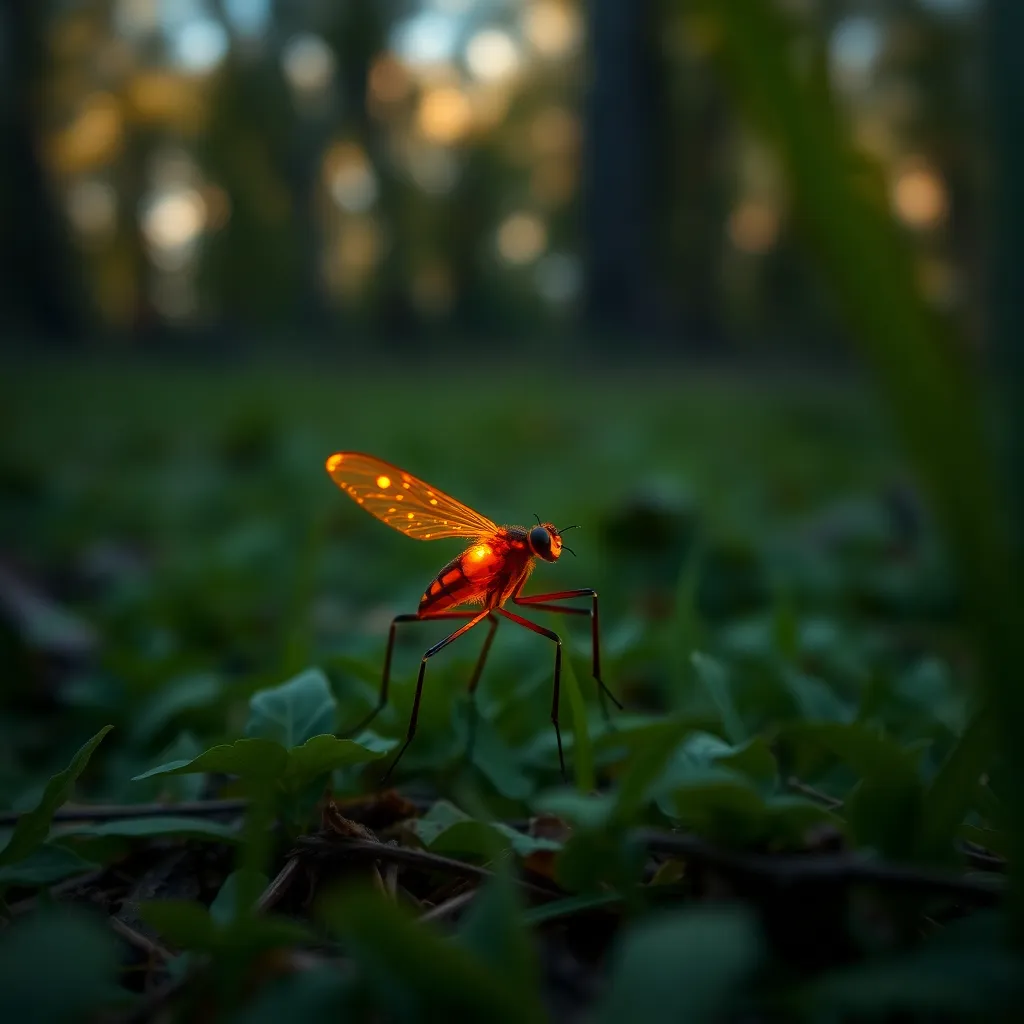
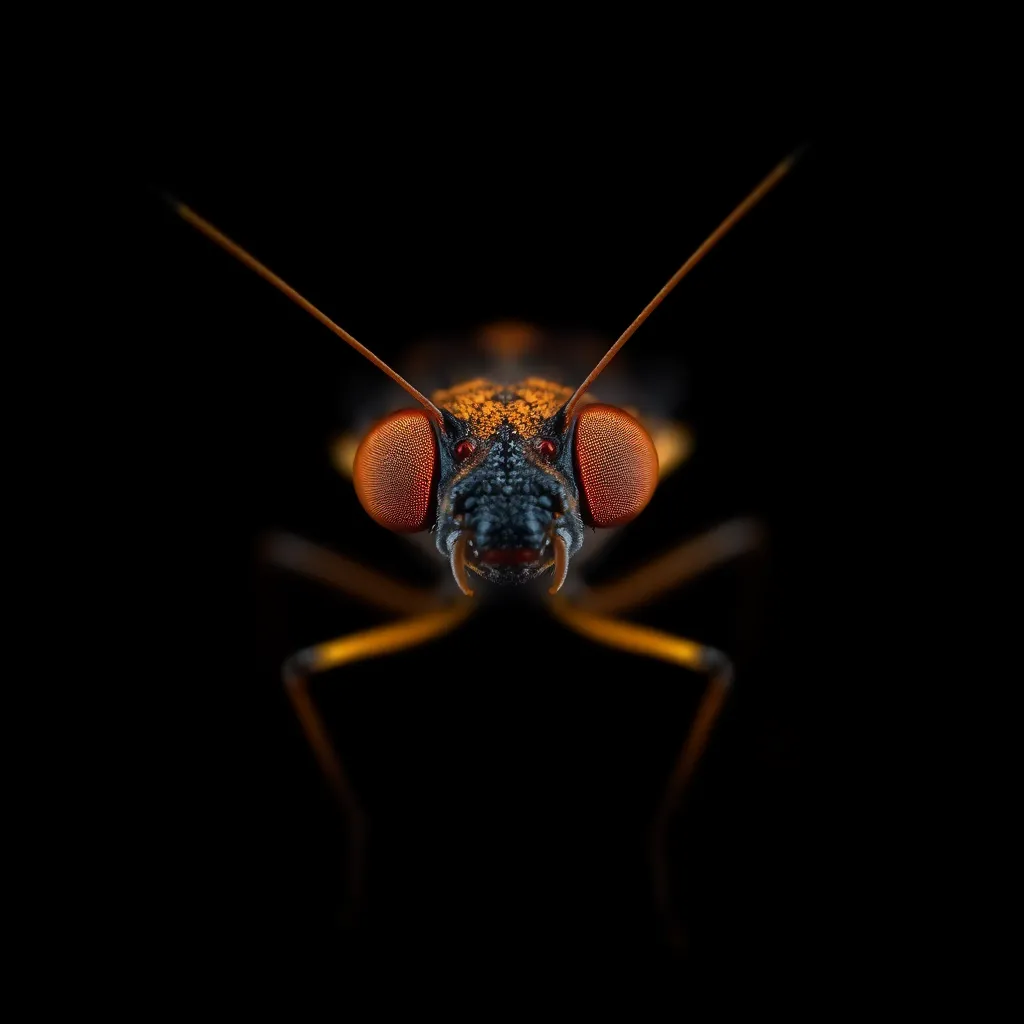
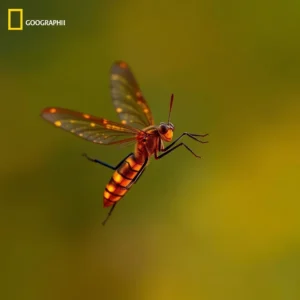
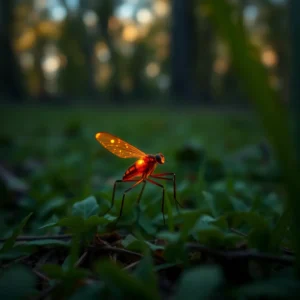
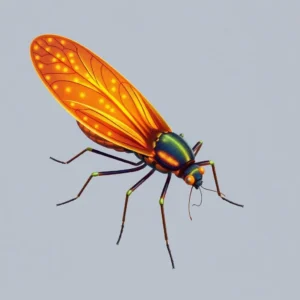
The common eastern firefly is a bioluminescent beetle whose cold light — produced by a chemical reaction between luciferin and the enzyme luciferase — is 96% efficient, meaning almost no energy is lost as heat, making it the most energy-efficient light source in the natural world. Male fireflies produce species-specific flash patterns as sexual advertisements, with females responding from vegetation below, while some Photuris females mimic the response patterns of other species to lure and eat males seeking mates. Firefly populations worldwide are declining sharply due to light pollution, habitat loss, and pesticide use.
About the Firefly
Photinus pyralis
Advertisement
⚡ Speed Comparison
📸 Photo Gallery

💡 Fun Facts
01
Firefly bioluminescence is 96% energy-efficient — virtually no energy is wasted as heat — making it the most efficient light production process known in biology, and the basis for highly sensitive medical diagnostic assays.
02
Female Photuris fireflies mimic the flash responses of Photinus females to lure Photinus males for predation, then consume them and sequester their defensive chemicals as their own defence against spiders.
03
Firefly luciferase and luciferin are used in medical research to tag cancer cells, detect ATP in biological samples, and perform real-time imaging of gene expression in living organisms.
04
Populations of the synchronous firefly Photinus carolinus in the Great Smoky Mountains flash in precisely coordinated pulses covering entire hillsides — a phenomenon unique among North American firefly species.
05
Firefly larvae are predatory and bioluminescent underground, possibly using their glow to warn predators of their bitter taste while hunting earthworms and snails with paralytic saliva.
📍 Where to Find This Animal
Habitat Types:
Meadows, Forest Edges, Wetland Margins
🛒 Firefly Related Gear
As an Amazon Associate we earn from qualifying purchases.

Join the Conversation
Share your thoughts about the Firefly