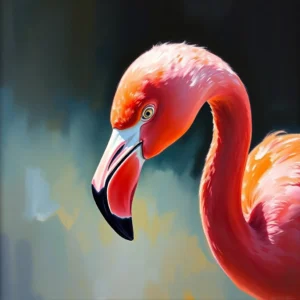
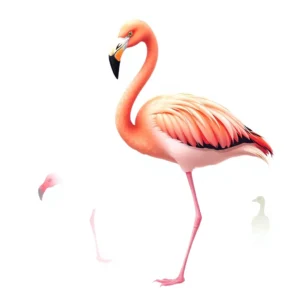
Loading Wildlife…

Phoenicopteridae LC

THE

FLAMINGO

Pink Flame of the Salt Lagoon

Phoenicopterus roseus

Africa
CLASS Aves FAMILY Phoenicopteridae GENUS Phoenicopterus
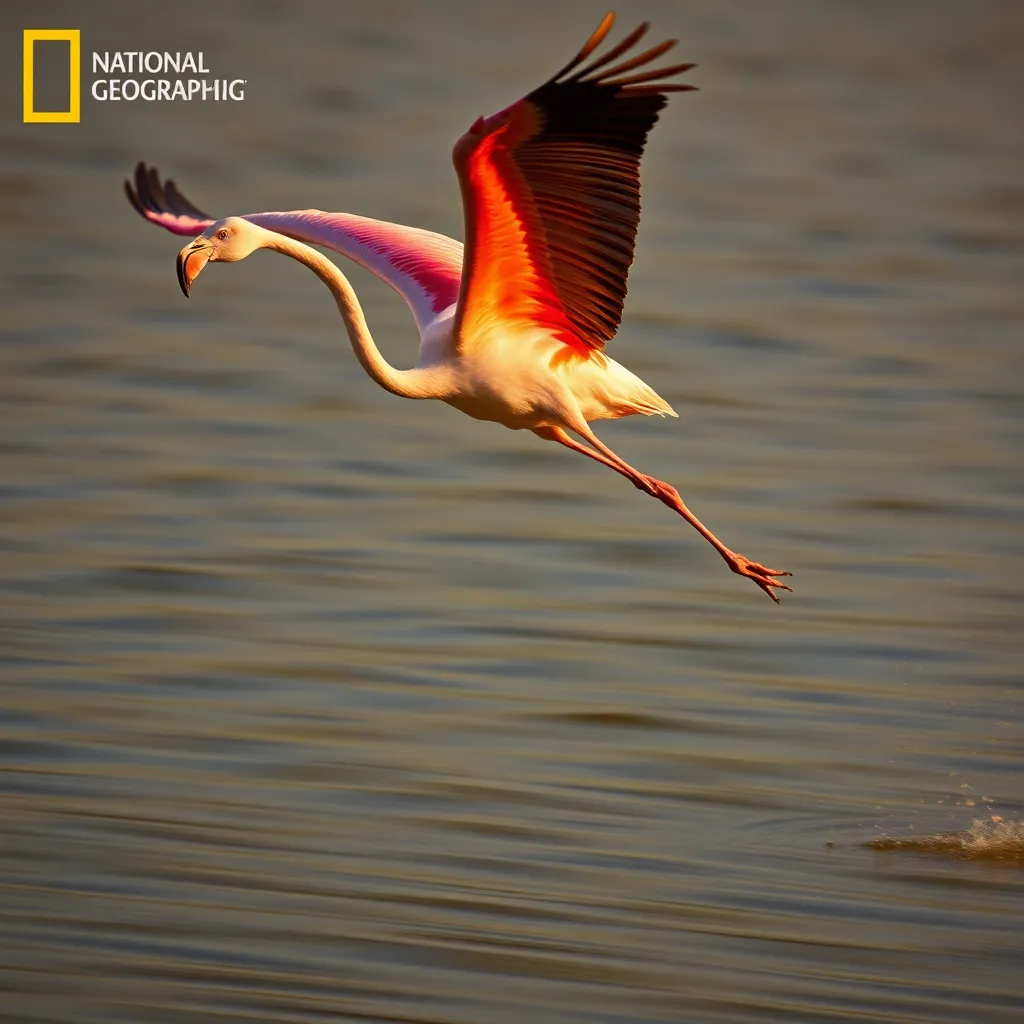
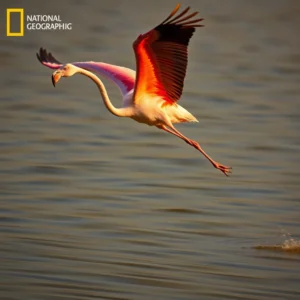
60 km/h
Top Speed
⚖️
2.1-4.0 kg
Max Weight
📏
120-145 cm
Body Length
🕰️
25-35 years
Lifespan
🍖
Filter Feeder
Diet Type

IUCN Red List — Where this species stands

LC Least Concern
NT Near Threatened
VU Vulnerable
EN Endangered
CR Critical
EW Extinct Wild
EX Extinct

About the Flamingo

Phoenicopterus roseus

Advertisement

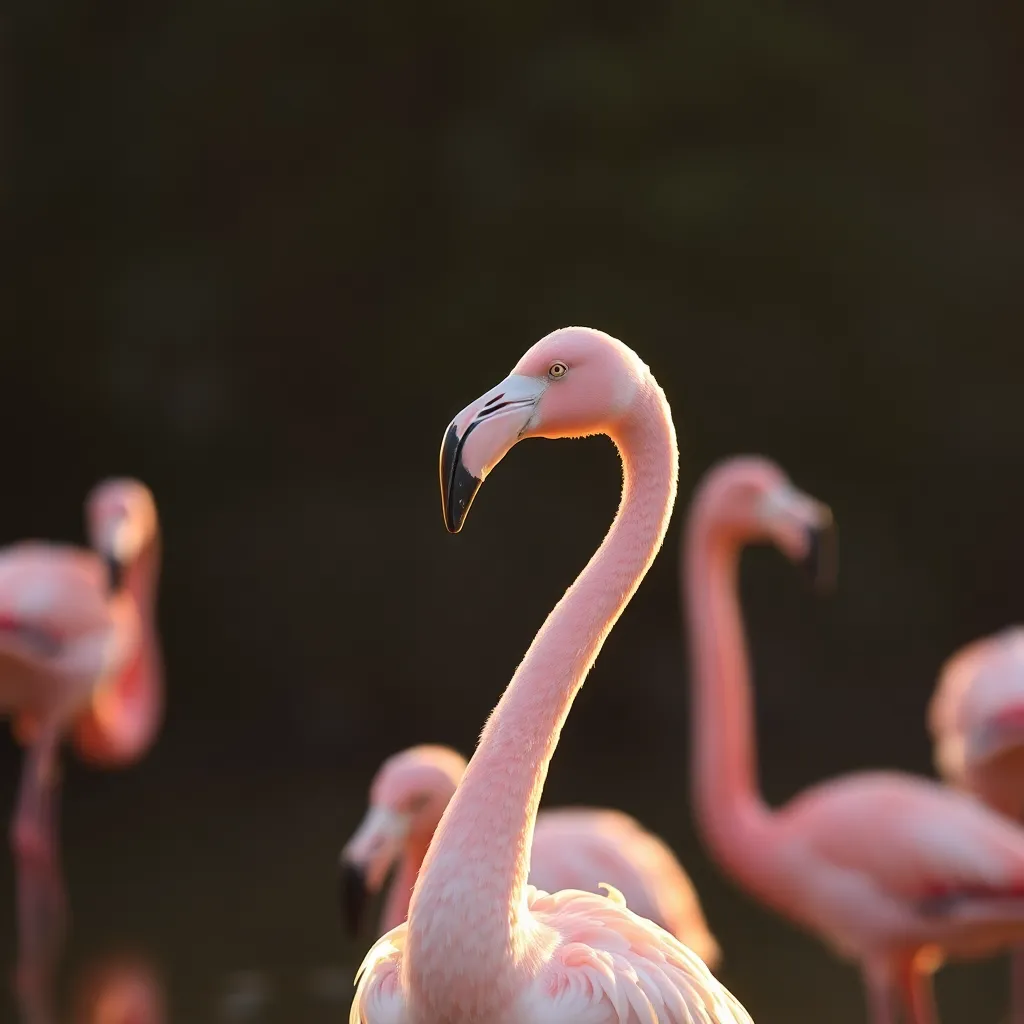
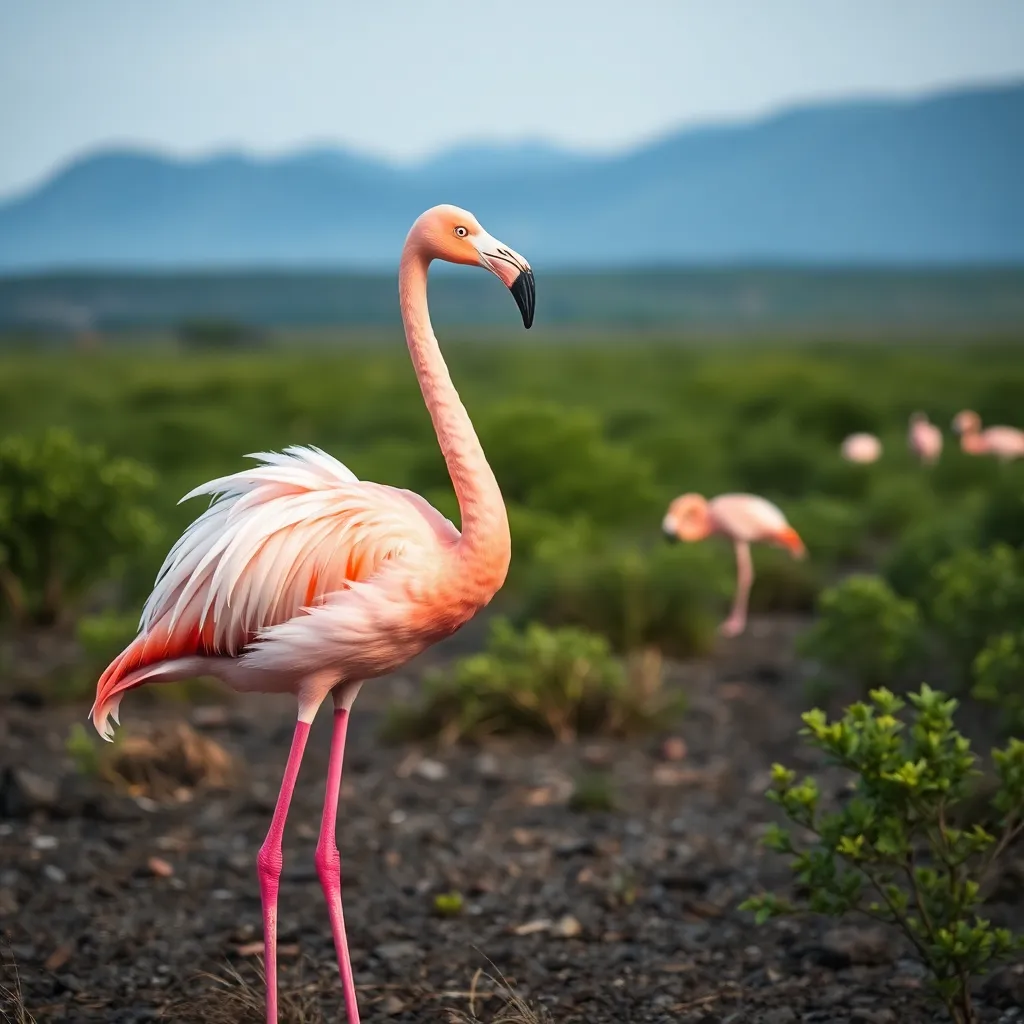
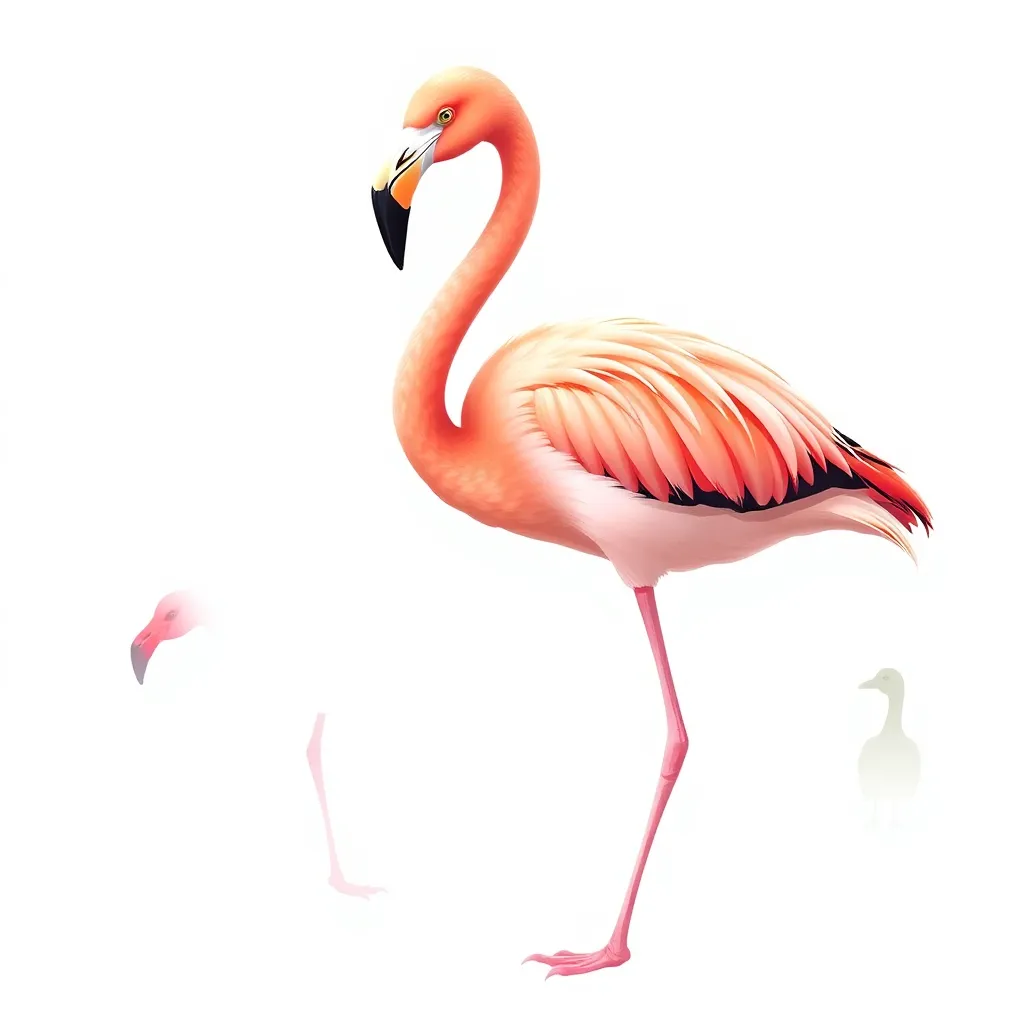
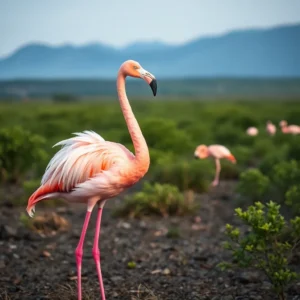
The greater flamingo is the largest flamingo species and one of the most visually striking birds on Earth, found across Africa, southern Europe, and South Asia. Its iconic pink plumage is not genetic but dietary — derived from carotenoid pigments in the brine shrimp and blue-green algae it filters from hypersaline and alkaline lakes that would be hostile to nearly all other vertebrates. Flamingos feed with their heads held upside-down, using a unique kinetic bill as a specialized filter-feeding pump.

⚡ Speed Comparison

Human
12 km/h
Car (city)
50 km/h
Horse
54 km/h
Flamingo
60 km/h

💡 Fun Facts

01

Flamingos are born with grey or white feathers — they acquire their pink coloration entirely from carotenoid pigments in their food, and fade to white in captivity without a pigment-rich diet.

02

Their bill is held upside-down while feeding, and the muscular tongue pumps water through lamellae filters at up to 4 strokes per second.

03

Flamingo milk — secreted by both parents from glands lining the esophagus — is red from carotenoid content and protein-rich, far exceeding mammalian milk in nutritional density.

04

A flock of flamingos is called a 'flamboyance' — one of the more apt collective nouns in ornithology.

05

Flamingos stand on one leg not to reduce heat loss as once believed — new evidence suggests it requires less muscular effort than standing on two due to their unique joint locking mechanism.

Unlock Expert Wildlife Facts

Watch a short 15-second video to unlock detailed expert analysis, exclusive wildlife photography, and rare behavioral facts.

📍 Where to Find This Animal

🛒 Flamingo Related Gear

As an Amazon Associate we earn from qualifying purchases.
🗨️

Join the Conversation

Share your thoughts about the Flamingo

✍️

Leave a Comment

Your email address will not be published. Required fields are marked *

How Big Is a Flamingo?

Side-by-side comparison with an adult human (175 cm)

🧍
Human
175 cm
🦩
Flamingo
65 cm
shoulder height
2.1-4.0 BODY WEIGHT
120-145 BODY LENGTH
60 TOP SPEED
25-35 LIFESPAN
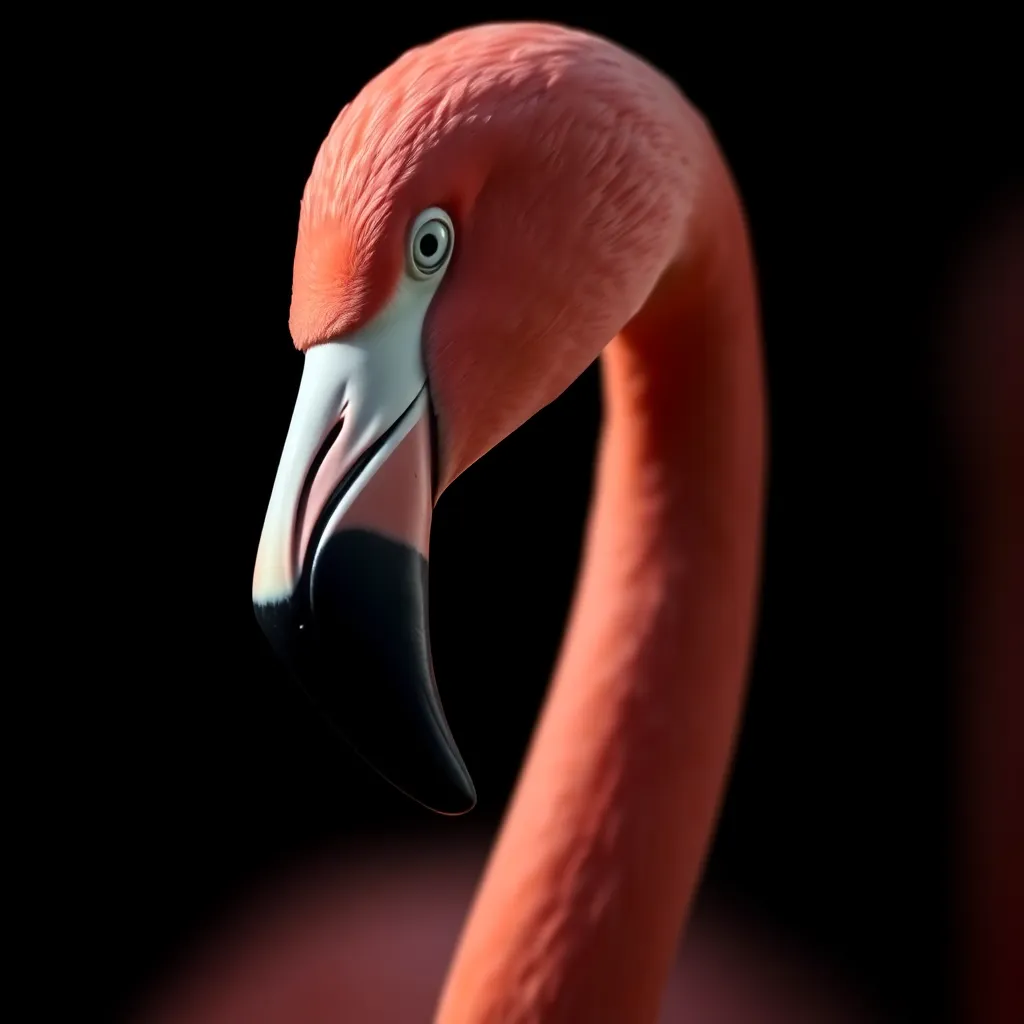
Flamingo close-up
Flamingo

SURVIVAL TOOLKIT

Built for Survival

Nature's engineering refined over millions of years

🔬 SURVIVAL TOOLKIT
Kinetic Bill Filter
01

Kinetic Bill Filter

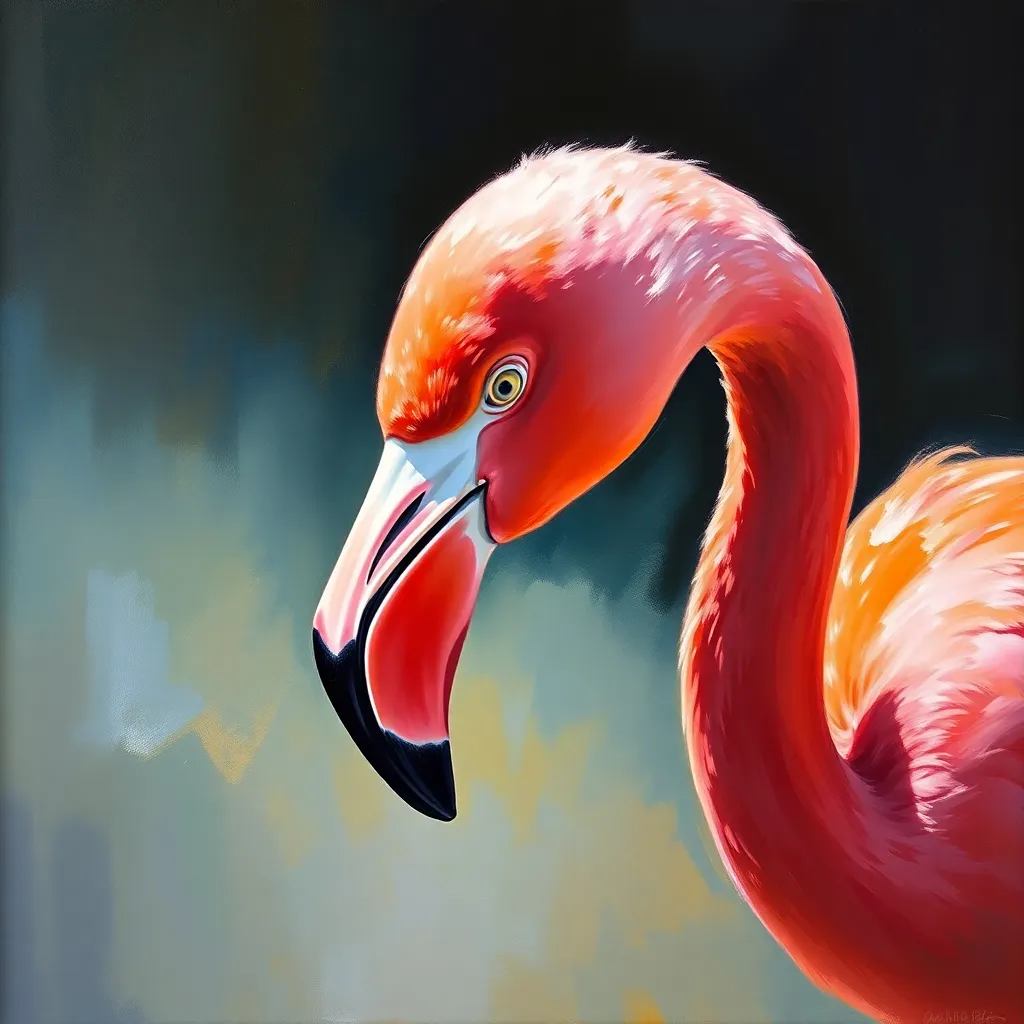
The uniquely bent, upside-down bill houses lamellae filters that strain algae and crustaceans from water with each tongue pump.

Caustic Tolerance
02

Caustic Tolerance

Specially adapted legs with thickened, salt-resistant skin allow standing in highly alkaline or saline water that burns other birds.

Carotenoid Sequestration
03

Carotenoid Sequestration

Metabolic pathways incorporate dietary carotenoids directly into growing feather cells, creating their characteristic pink-to-crimson coloration.

Passive Leg Stand
04

Passive Leg Stand

A specialized joint-locking mechanism allows passive one-legged resting with minimal muscle use, reducing energy expenditure.

Crop Milk
05

Crop Milk

Both sexes produce a red, carotenoid-rich crop secretion to feed chicks, providing nutrition in environments with no other food for young birds.

Pink Flame of the Salt Lagoon. An extraordinary creature that reminds us what we stand to lose.

Jungal Safari · Wildlife Network
💡

Did You Know?

Flamingos are born with grey or white feathers — they acquire their pink coloration entirely from carotenoid pigments in their food, and fade to white in captivity without a pigment-rich diet.

🍖 DIET: FILTER FEEDER

What Does the Flamingo Eat?

🦐
Brine Shrimp
🌿
Blue-Green Algae
🦠
Diatoms
🐛
Aquatic Invertebrates
🗺️ GEOGRAPHIC RANGE

Where Do Flamingos Live?

🌍
Continents
➡️
Population Trend Stable

Conservation in Action

How You Can Help the Flamingo

Small actions, taken together, can reverse the decline of species like this one

🌳
Protect Habitat

Support wildlife reserves and protected land corridors

🚫
Stop Poaching

Report illegal trade and back anti-poaching patrols

🔬
Fund Research

Camera-trap studies and population monitoring

🤝
Community Work

Partner with local herders to reduce conflict

📢
Raise Awareness

Educate and inspire future wildlife champions

"Without urgent action, the Flamingo could disappear from the wild within our lifetime."

PROTECT THEM. PRESERVE THEIR LEGACY.

The Flamingo's Future
Is In Our Hands

Every share, every donation, every voice raised — makes a difference for wildlife conservation.

🌳Protect Habitat
📢Raise Awareness
💰Fund Research
🤝Community Work
🚫Stop Poaching

"Protect Wildlife. Preserve Our Planet."

Every species matters. Every action counts.

Advertisement