Loading Wildlife…

Ranidae LC

THE

FROG

Spring's Amphibious Chorus Singer

Rana temporaria

Europe & Asia
CLASS Amphibia FAMILY Ranidae GENUS Rana
~8 km/h
Top Speed
⚖️
15-80 g kg
Max Weight
📏
6-9 cm
Body Length
🕰️
5-10 years
Lifespan
🍖
Carnivore
Diet Type

IUCN Red List — Where this species stands

LC Least Concern
NT Near Threatened
VU Vulnerable
EN Endangered
CR Critical
EW Extinct Wild
EX Extinct

About the Frog

Rana temporaria

Advertisement

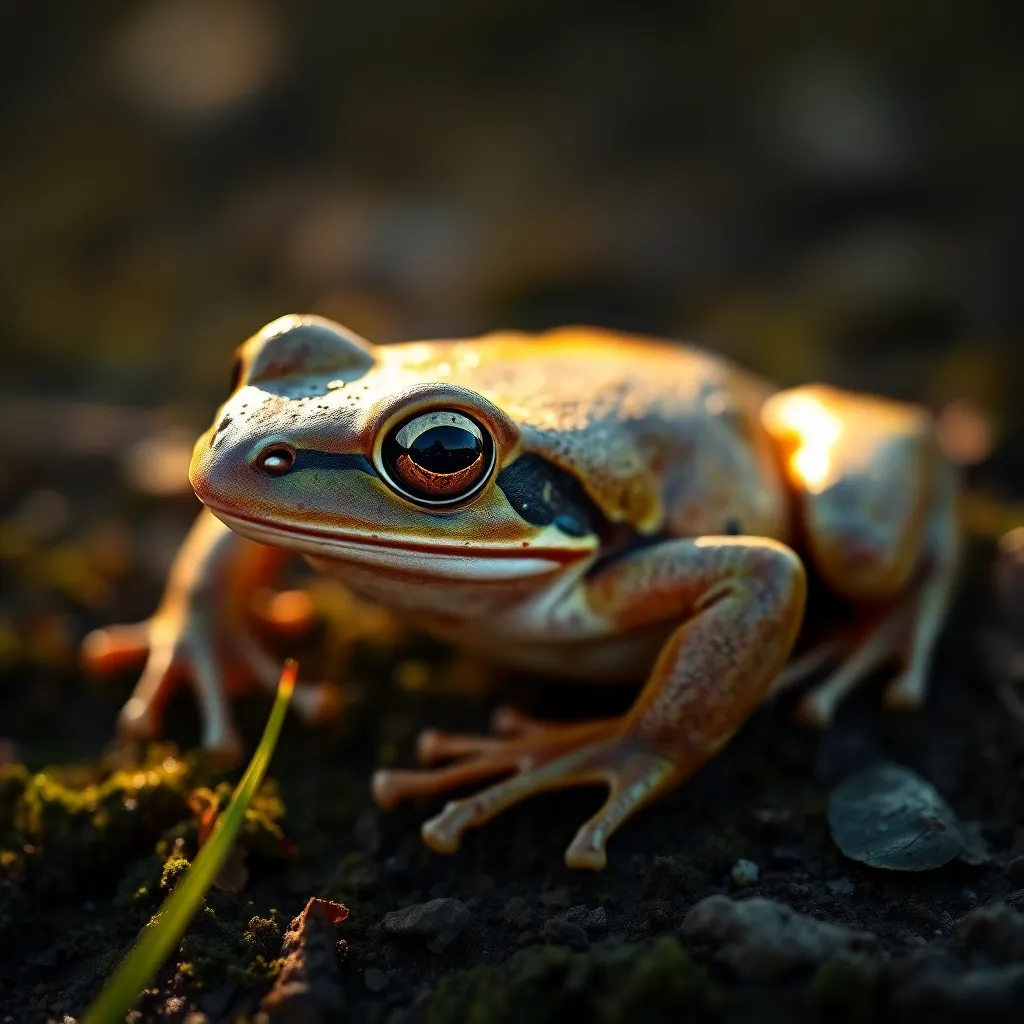
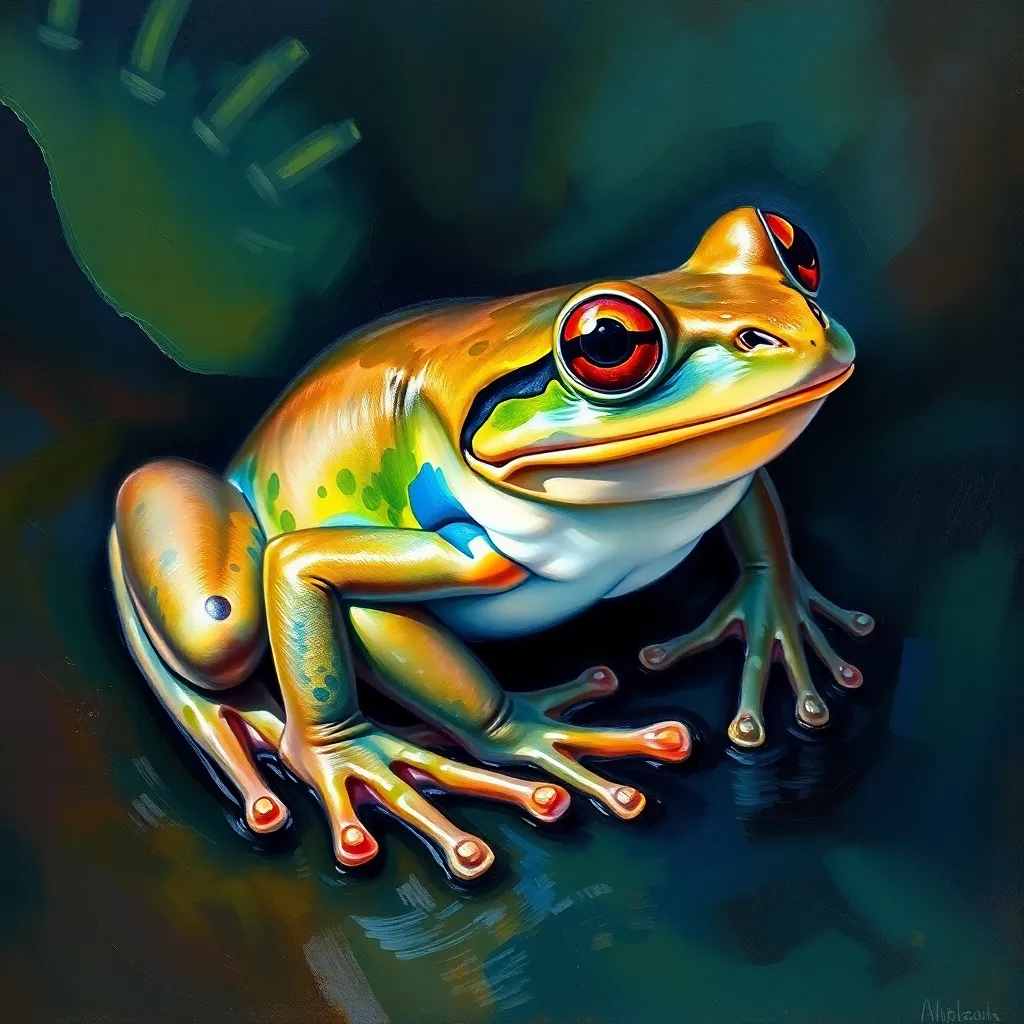
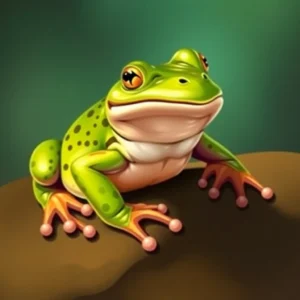
The common frog is one of Europe’s most familiar amphibians, found in a wide variety of habitats from garden ponds to mountain streams and boreal forests. It undergoes a remarkable metamorphosis from aquatic tadpole to terrestrial adult, representing a fundamental link in wetland food chains. Common frogs breathe partially through their moist skin, making them highly sensitive bioindicators of environmental health and pollution.

⚡ Speed Comparison

Frog
8 km/h
Human
12 km/h
Car (city)
50 km/h
Horse
54 km/h

💡 Fun Facts

01

Common frogs can absorb up to 50% of their oxygen through their skin, allowing them to breathe underwater during winter hibernation beneath ice.

02

During spring mating, males develop rough nuptial pads on their thumbs to grip females firmly during amplexus, which can last several days.

03

A frog's tongue is attached at the front of its mouth, not the back, allowing it to flip out rapidly to catch insects.

04

Common frogs can survive being frozen solid in winter, with special antifreeze proteins and elevated glucose in their blood preventing cellular damage.

05

A group of frogs is called an army, and during breeding season thousands may gather at a single pond in a spectacle called a 'frog march'.

Unlock Expert Wildlife Facts

Watch a short 15-second video to unlock detailed expert analysis, exclusive wildlife photography, and rare behavioral facts.

📍 Where to Find This Animal

🛒 Frog Related Gear

As an Amazon Associate we earn from qualifying purchases.
🗨️

Join the Conversation

Share your thoughts about the Frog

✍️

Leave a Comment

Your email address will not be published. Required fields are marked *

How Big Is a Frog?

Side-by-side comparison with an adult human (175 cm)

🧍
Human
175 cm
🐸
Frog
65 cm
shoulder height
15-80 BODY WEIGHT
6-9 BODY LENGTH
~8 TOP SPEED
5-10 LIFESPAN
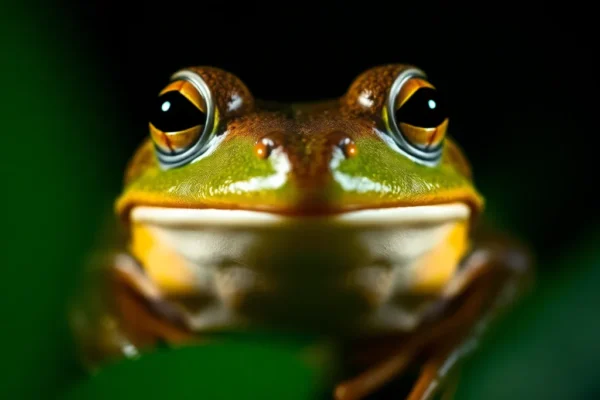
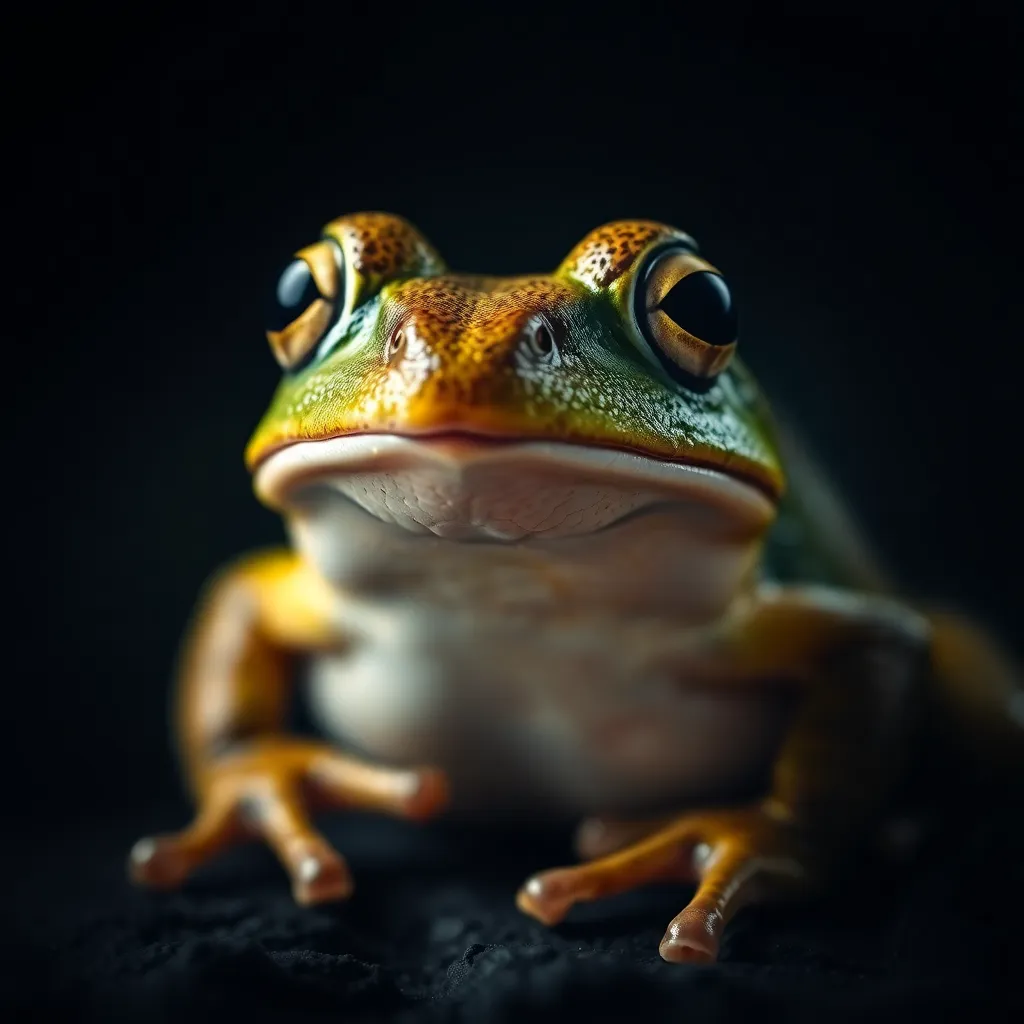
Frog close-up
Frog

SURVIVAL TOOLKIT

Built for Survival

Nature's engineering refined over millions of years

🔬 SURVIVAL TOOLKIT
Permeable Skin
01

Permeable Skin

Moist, glandular skin allows gas exchange and water absorption directly from the environment, eliminating the need to drink.

Powerful Hind Legs
02

Powerful Hind Legs

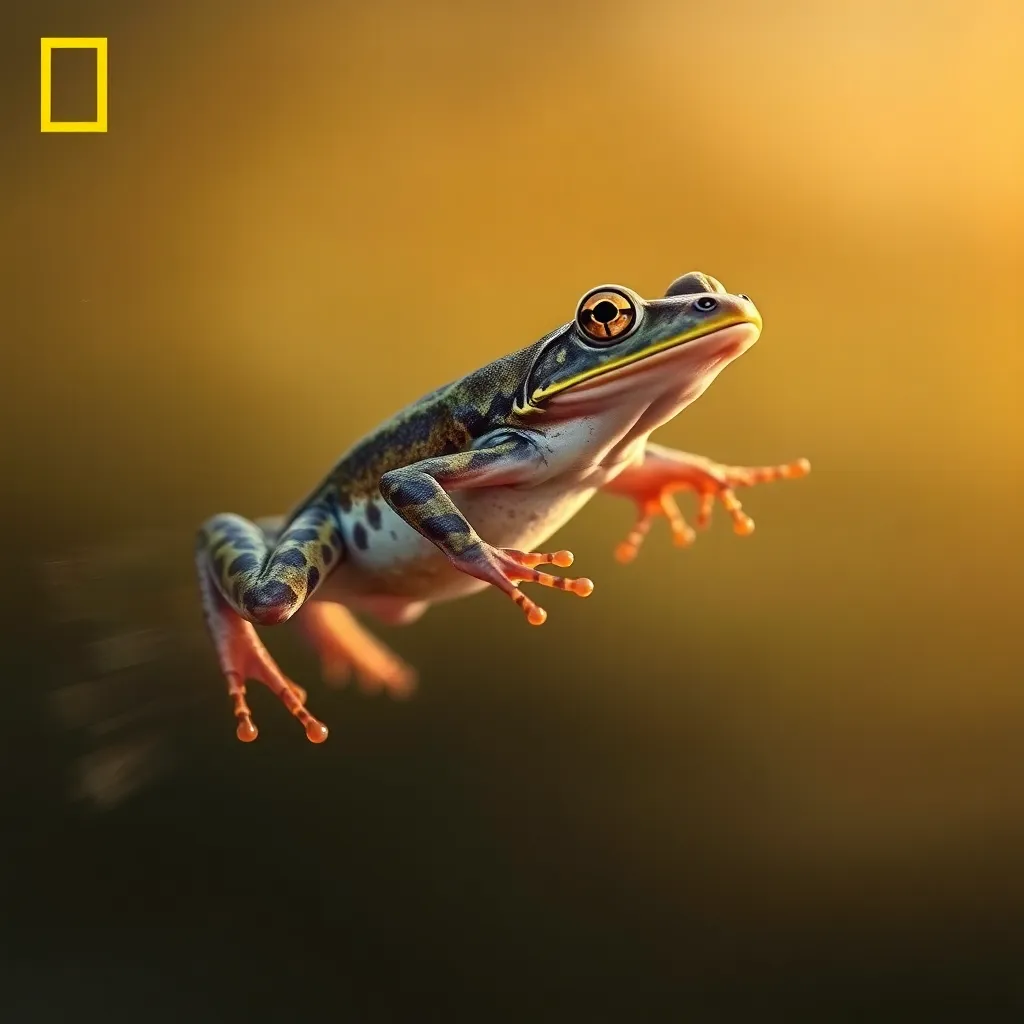
Elongated, muscular hind legs enable jumps up to 20 times body length for both escaping predators and catching prey.

Sticky Projectile Tongue
03

Sticky Projectile Tongue

A front-anchored tongue launches forward at high speed, catching insects with a sticky mucus pad in milliseconds.

Freeze Tolerance
04

Freeze Tolerance

Elevated glucose and antifreeze proteins protect cells from ice crystal damage during sub-zero winter hibernation.

Cryptic Coloration
05

Cryptic Coloration

Brown and green mottled skin provides camouflage among leaf litter and vegetation, avoiding detection by predators.

Tympanic Membrane
06

Tympanic Membrane

Visible disc-like eardrums behind the eyes detect species-specific mating calls across long distances.

Spring's Amphibious Chorus Singer. An extraordinary creature that reminds us what we stand to lose.

Jungal Safari · Wildlife Network
💡

Did You Know?

Common frogs can absorb up to 50% of their oxygen through their skin, allowing them to breathe underwater during winter hibernation beneath ice.

🍖 DIET: CARNIVORE

What Does the Frog Eat?

🦟
Mosquitoes & flies
🐛
Caterpillars & worms
🕷️
Spiders
🐌
Slugs & snails
🪲
Beetles
🗺️ GEOGRAPHIC RANGE

Where Do Frogs Live?

🌍
Continents
📉
Population Trend Declining

Conservation in Action

How You Can Help the Frog

Small actions, taken together, can reverse the decline of species like this one

🌳
Protect Habitat

Support wildlife reserves and protected land corridors

🚫
Stop Poaching

Report illegal trade and back anti-poaching patrols

🔬
Fund Research

Camera-trap studies and population monitoring

🤝
Community Work

Partner with local herders to reduce conflict

📢
Raise Awareness

Educate and inspire future wildlife champions

"Without urgent action, the Frog could disappear from the wild within our lifetime."

PROTECT THEM. PRESERVE THEIR LEGACY.

The Frog's Future
Is In Our Hands

Every share, every donation, every voice raised — makes a difference for wildlife conservation.

🌳Protect Habitat
📢Raise Awareness
💰Fund Research
🤝Community Work
🚫Stop Poaching

"Protect Wildlife. Preserve Our Planet."

Every species matters. Every action counts.

Advertisement