Loading Wildlife…

Hylobatidae EN

THE

GIBBON

Acrobat of the Forest Ceiling

Hylobates lar

Asia
CLASS Mammalia FAMILY Hylobatidae GENUS Hylobates
~56 km/h (brachiating)
Top Speed
⚖️
4-8 kg
Max Weight
📏
44-63 cm
Body Length
🕰️
25-30 years
Lifespan
🍖
Frugivore
Diet Type

IUCN Red List — Where this species stands

LC Least Concern
NT Near Threatened
VU Vulnerable
EN Endangered
CR Critical
EW Extinct Wild
EX Extinct

About the Gibbon

Hylobates lar

Advertisement

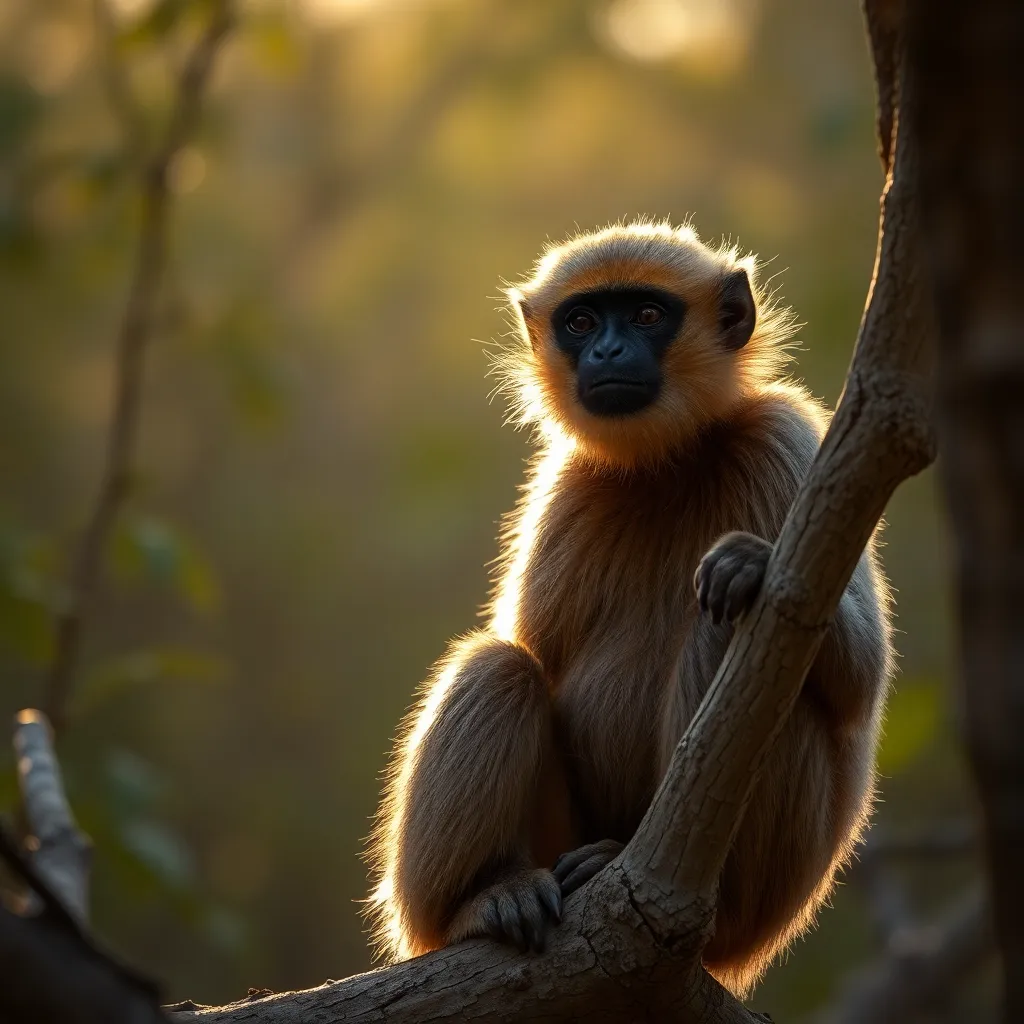
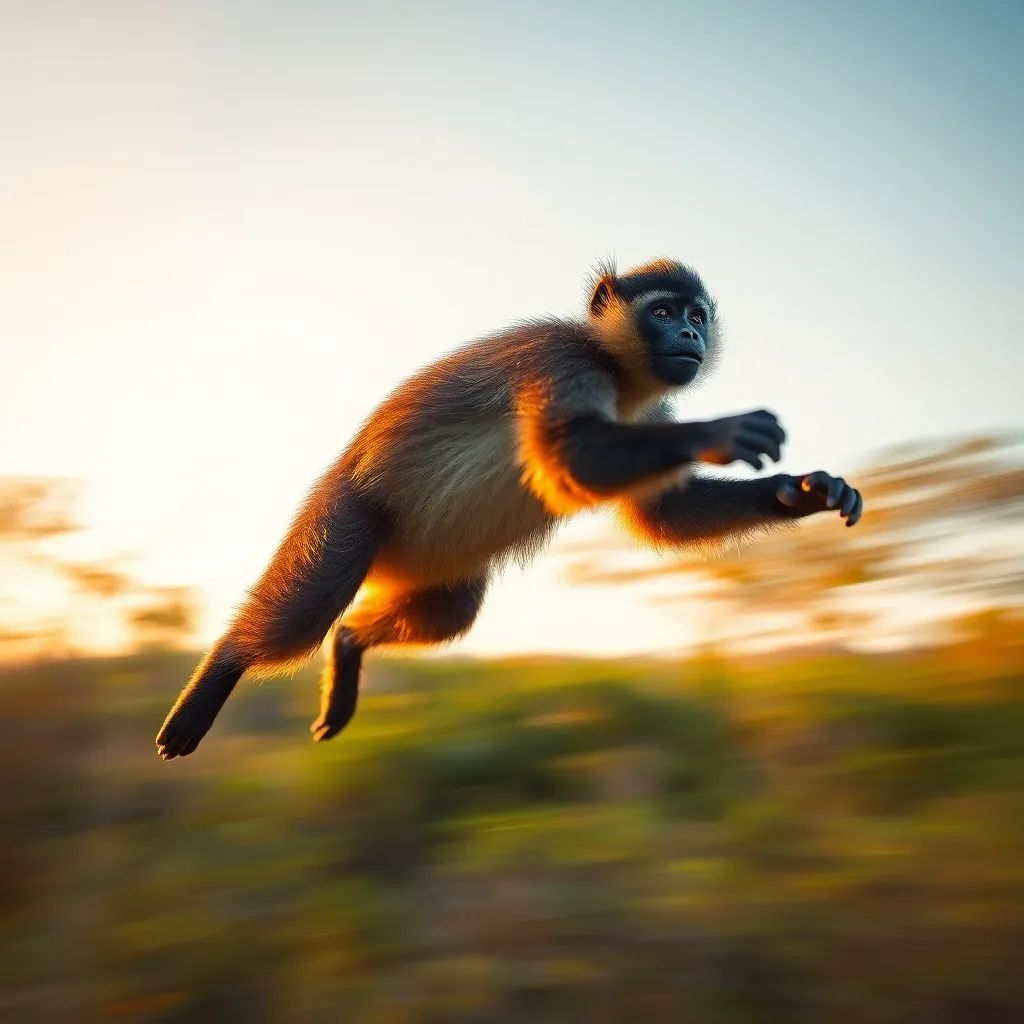
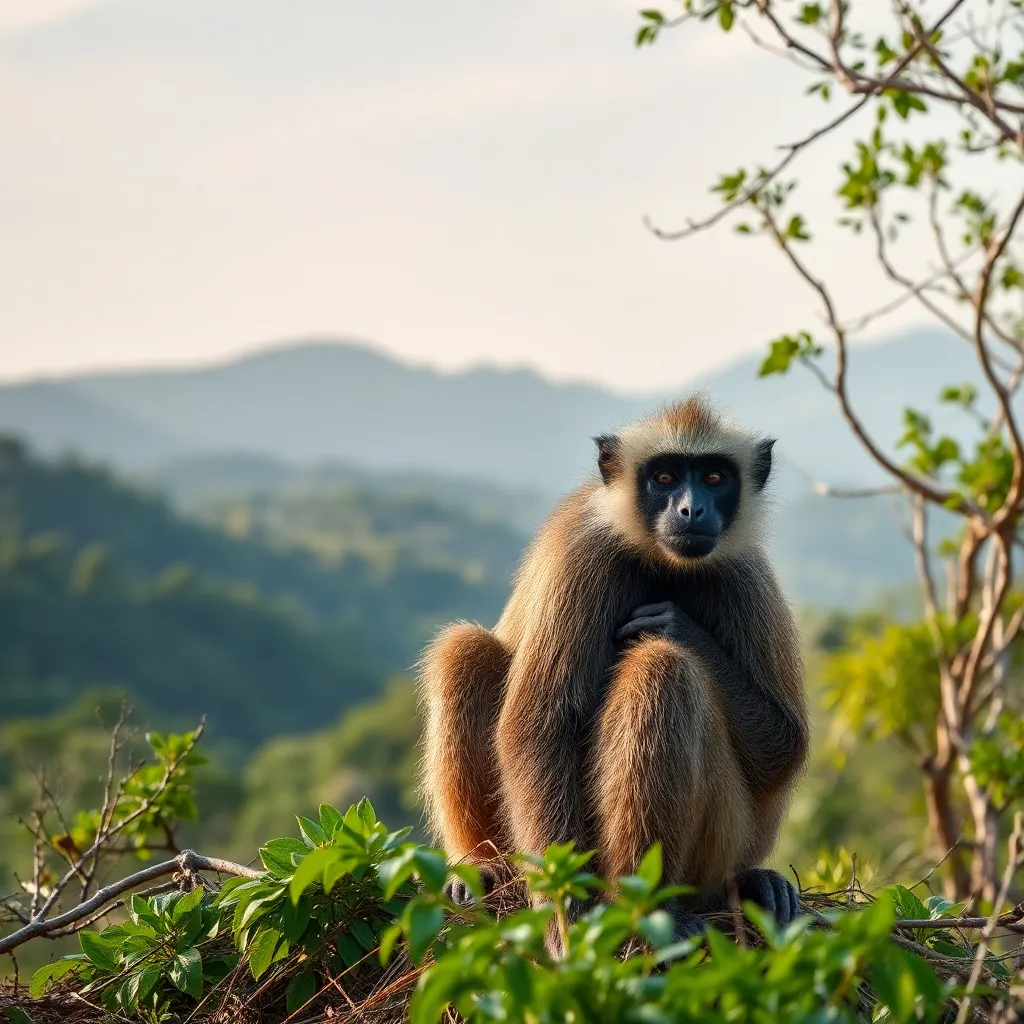
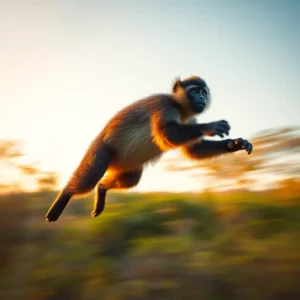
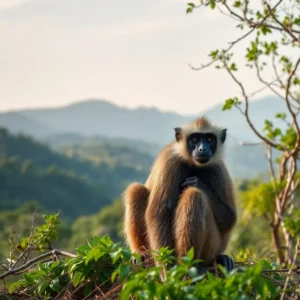
The lar gibbon is a small, tailless ape of Southeast Asian tropical forests, celebrated as the fastest and most agile of all tree-dwelling mammals. It travels through the forest canopy by brachiation — swinging arm over arm under branches — reaching speeds of up to 56 km/h and covering distances of 3 meters per swing. Gibbons are monogamous and form lifelong pair bonds, reinforcing their territory daily through hauntingly beautiful vocal duets that can be heard up to 3 kilometers away.

⚡ Speed Comparison

Human
12 km/h
Car (city)
50 km/h
Horse
54 km/h
Gibbon
56 km/h

💡 Fun Facts

01

Gibbons are the fastest non-flying tree-dwelling animals, brachiating through the canopy at up to 56 km/h with swings covering 3 meters.

02

Mated pairs engage in complex, species-specific morning duets that serve simultaneously as pair-bonding rituals and territorial declarations audible 3 km away.

03

Unlike all other apes, gibbons do not build nests and sleep sitting upright on branches, balanced by hardened sitting pads called ischial callosities.

04

Gibbons' wrist joints are ball-and-socket joints — unique among primates — allowing full 360-degree rotation to prevent shoulder dislocation during high-speed brachiation.

05

They have the longest arms relative to body size of any primate: their arm-span is approximately 1.4 times their standing height.

Unlock Expert Wildlife Facts

Watch a short 15-second video to unlock detailed expert analysis, exclusive wildlife photography, and rare behavioral facts.

📍 Where to Find This Animal

Habitat Types: Tropical Rainforest

🛒 Gibbon Related Gear

As an Amazon Associate we earn from qualifying purchases.

🗨️

Join the Conversation

Share your thoughts about the Gibbon

✍️

Leave a Comment

Your email address will not be published. Required fields are marked *

How Big Is a Gibbon?

Side-by-side comparison with an adult human (175 cm)

🧍
Human
175 cm
🐒
Gibbon
65 cm
shoulder height
4-8 BODY WEIGHT
44-63 BODY LENGTH
~56 TOP SPEED
25-30 LIFESPAN
Gibbon close-up
Gibbon

SURVIVAL TOOLKIT

Built for Survival

Nature's engineering refined over millions of years

🔬 SURVIVAL TOOLKIT
Ball-and-Socket Wrist
01

Ball-and-Socket Wrist

A unique 360-degree rotating wrist joint prevents dislocation during high-speed brachiation and allows gripping branches at any angle.

Elongated Forelimbs
02

Elongated Forelimbs

Arms nearly 1.4 times body height generate pendulum momentum during brachiation, minimizing energy expenditure while maximizing speed.

Inflatable Throat Sac
03

Inflatable Throat Sac

An enlarged laryngeal sac resonates and amplifies morning territorial duets to project calls over 3 km of dense rainforest.

Reduced Thumb
04

Reduced Thumb

A shortened thumb positioned away from the fingers creates a hook-shaped hand grip, maximizing swinging efficiency without snagging branches.

Ischial Callosities
05

Ischial Callosities

Hardened sitting pads of dense connective tissue on the buttocks allow comfortable upright sleeping on narrow branches without a nest.

Acrobat of the Forest Ceiling. An extraordinary creature that reminds us what we stand to lose.

Jungal Safari · Wildlife Network
💡

Did You Know?

Gibbons are the fastest non-flying tree-dwelling animals, brachiating through the canopy at up to 56 km/h with swings covering 3 meters.

🍖 DIET: FRUGIVORE

What Does the Gibbon Eat?

🍌
Ripe fruit
🍃
Young leaves & shoots
🌸
Flowers & buds
🕷️
Insects & spiders
🥚
Bird eggs (occasional)
🗺️ GEOGRAPHIC RANGE

Where Do Gibbons Live?

🌍
Continents
📉
Population Trend Declining

Conservation in Action

How You Can Help the Gibbon

Small actions, taken together, can reverse the decline of species like this one

🌳
Protect Habitat

Support wildlife reserves and protected land corridors

🚫
Stop Poaching

Report illegal trade and back anti-poaching patrols

🔬
Fund Research

Camera-trap studies and population monitoring

🤝
Community Work

Partner with local herders to reduce conflict

📢
Raise Awareness

Educate and inspire future wildlife champions

"Without urgent action, the Gibbon could disappear from the wild within our lifetime."

PROTECT THEM. PRESERVE THEIR LEGACY.

The Gibbon's Future
Is In Our Hands

Every share, every donation, every voice raised — makes a difference for wildlife conservation.

🌳Protect Habitat
📢Raise Awareness
💰Fund Research
🤝Community Work
🚫Stop Poaching

"Protect Wildlife. Preserve Our Planet."

Every species matters. Every action counts.

Advertisement