Our Closest Cousin at the Brink
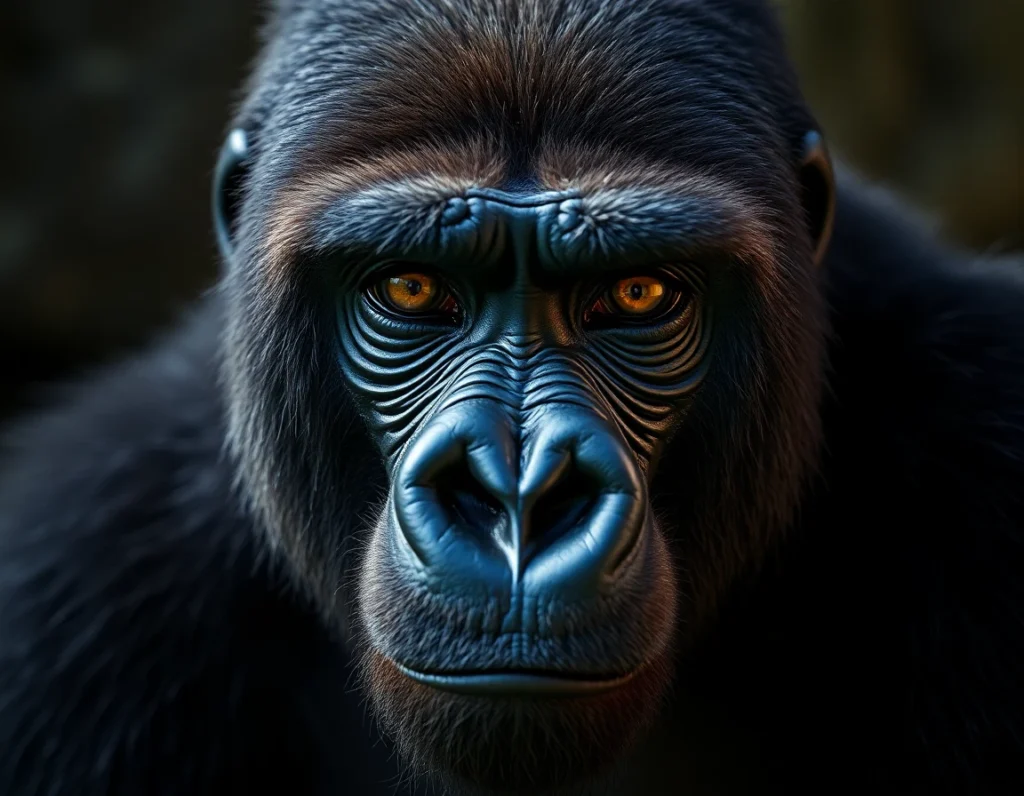
The Gorilla — comprising Eastern (Gorilla beringei) and Western (Gorilla gorilla) species — shares 98.3% of its DNA with humans, making it our second-closest living relative after chimpanzees. This genetic proximity translates into cognitive abilities, emotional complexity, and social bonds that have astonished researchers: gorillas have demonstrated tool use, planning, theory of mind, and the capacity to learn human sign language.
The Silverback: Gentle Giant Myth and Reality
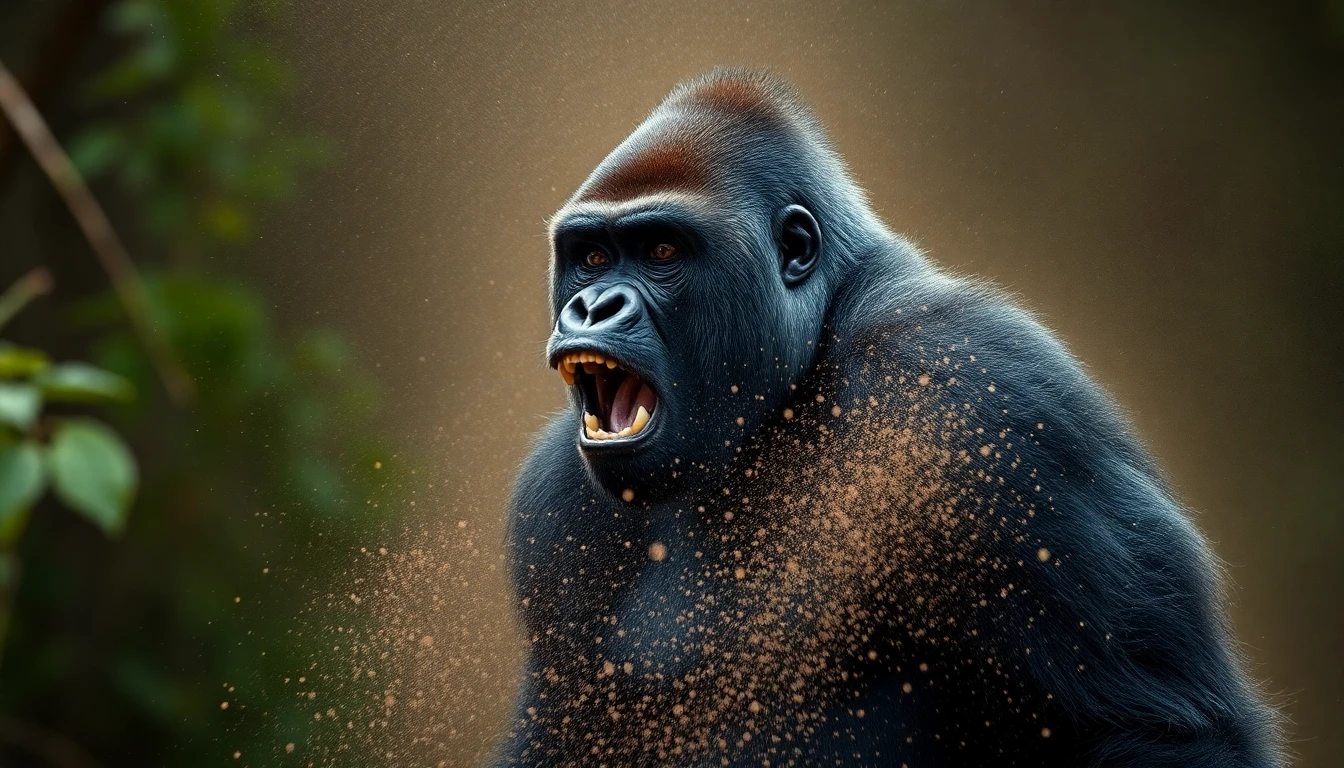
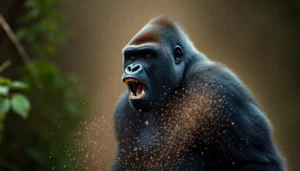
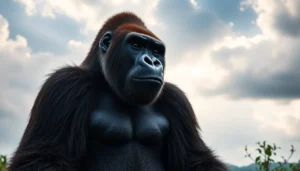
A silverback male — named for the distinctive silver-gray saddle of hair that develops at maturity around age 12 — weighs up to 200 kg and possesses arm strength estimated at 10 times that of an adult human. Yet despite this formidable physical power, silverbacks are fundamentally conflict-averse. Their dramatic displays — chest-beating, ground-slapping, standing bipedally — are specifically designed to avoid violent confrontation by communicating dominance without physical engagement. In 95% of encounters, displays achieve submission without a single blow being struck.
Intelligence & Tool Use
Gorillas in the wild have been observed using sticks to test water depth before crossing, using rocks and logs as ladders, and fashioning leaves as bowls for water collection. In captivity, gorillas have learned over 1,000 American Sign Language signs, formed emotional bonds with human carers, and — in Koko’s famous case — demonstrated the ability to communicate grief, love, and abstract concepts in sign language with researchers over a 46-year study period.
Advertisement
Conservation: 880 Mountain Gorillas
The Mountain Gorilla (Gorilla beringei beringei) is one of conservation’s greatest success stories in reverse: population numbers have increased from 620 in 2008 to approximately 1,063 today — the only great ape subspecies currently increasing in population. This recovery is attributed to rigorous protection in the Virunga Massif (Uganda, Rwanda, DRC) including armed ranger patrols, mountain gorilla tourism (the US$1,500/permit revenue funding conservation), and veterinary care. The Western Lowland Gorilla, by contrast, has declined by 60% in the past 25 years, with fewer than 100,000 remaining.




Join the Conversation
Share your thoughts about the Gorilla