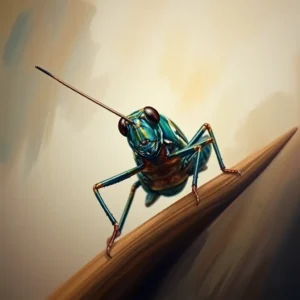
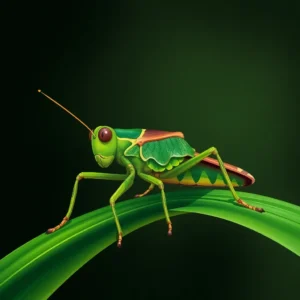
Loading Wildlife…

Acrididae LC

THE

GRASSHOPPER

Spring-Legged Dancer of Fields

Melanoplus differentialis

Americas
CLASS Insecta FAMILY Acrididae GENUS Melanoplus
21 km/h
Top Speed
⚖️
0.3–3 g kg
Max Weight
📏
18–45 mm
Body Length
🕰️
1 year (adult phase: 1–3 months)
Lifespan
🍖
Herbivore
Diet Type

IUCN Red List — Where this species stands

LC Least Concern
NT Near Threatened
VU Vulnerable
EN Endangered
CR Critical
EW Extinct Wild
EX Extinct

About the Grasshopper

Melanoplus differentialis

Advertisement

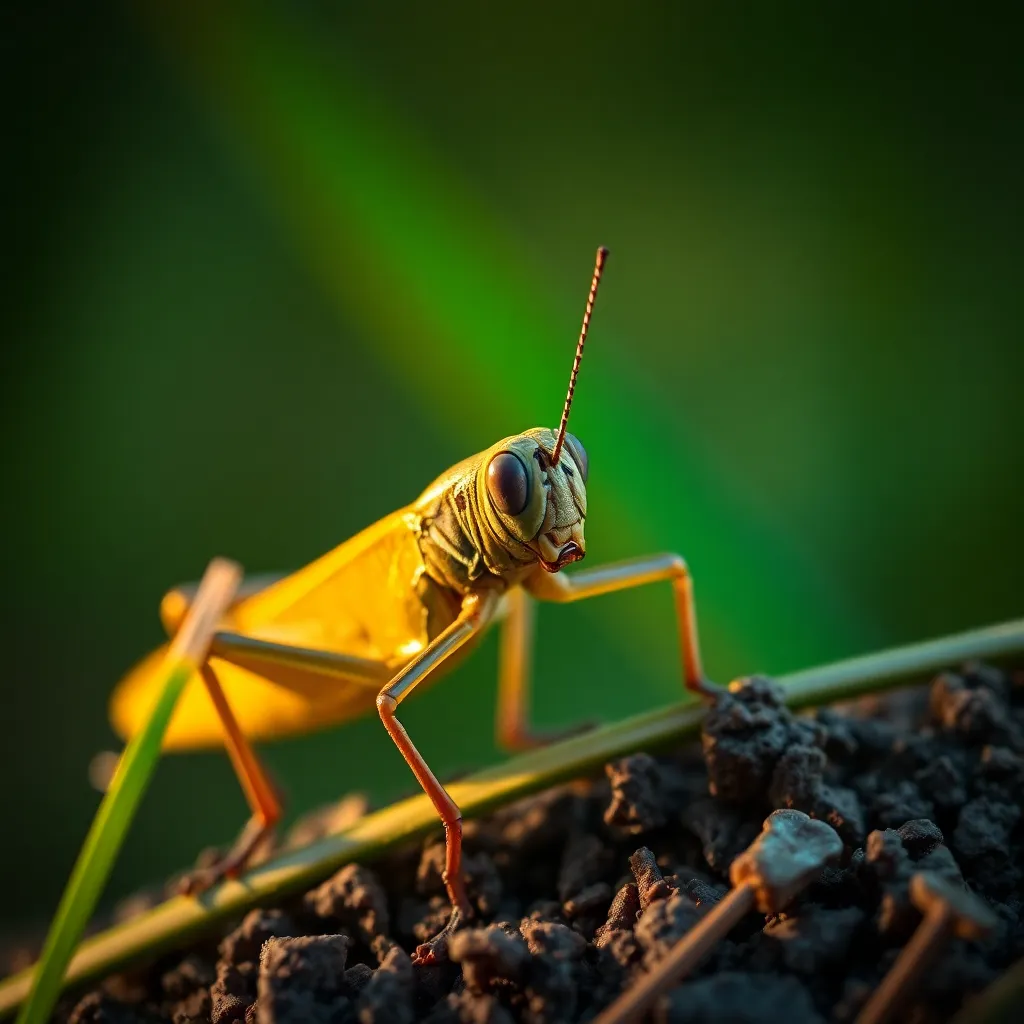
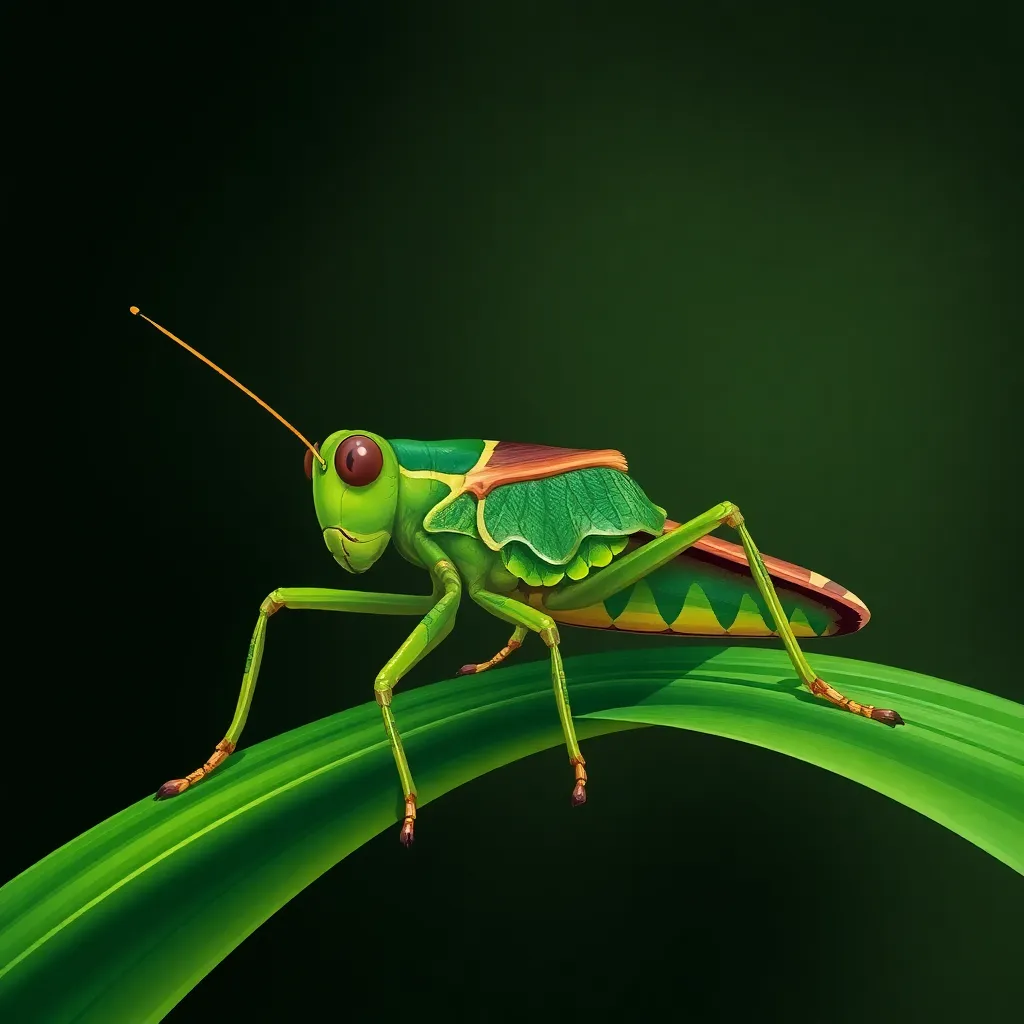
The differential grasshopper is one of the most powerful jumpers relative to body size in the animal kingdom, capable of leaping over 20 times its own body length in a single bound. Found across North American grasslands and croplands, it is one of the most economically significant agricultural pests, forming large feeding aggregations that can devastate crops. Grasshoppers communicate via stridulation — rubbing the inner hind femur against the forewing to produce species-specific songs for mate attraction.

⚡ Speed Comparison

Human
12 km/h
Grasshopper
21 km/h
Car (city)
50 km/h
Horse
54 km/h

💡 Fun Facts

01

Grasshoppers can jump up to 200 times their body length — equivalent to a human leaping the length of two football fields in a single bound — using a catapult mechanism powered by energy stored in elastic proteins.

02

Locusts are simply grasshoppers in a phase change triggered by crowding: increased tactile stimulation of the hind femur causes a neurochemical shift raising serotonin levels, transforming a solitary grasshopper into the swarming, migratory locust form.

03

Grasshoppers hear through a structure called the tympanal organ on the sides of their abdomen — not on their head — making them effectively deaf to sounds directly in front of them.

04

The powerful hind femur muscles generate a stored energy catapult: the muscles load elastic proteins in the leg over several seconds, then release all energy in under 30 milliseconds — generating a takeoff force 20 times body weight.

05

Grasshopper eggs are encased in a foam plug called an egg pod that can survive temperatures as extreme as -40°C and as warm as 60°C, allowing them to overwinter in frozen soil.

Unlock Expert Wildlife Facts

Watch a short 15-second video to unlock detailed expert analysis, exclusive wildlife photography, and rare behavioral facts.

📍 Where to Find This Animal

🛒 Grasshopper Related Gear

As an Amazon Associate we earn from qualifying purchases.
🗨️

Join the Conversation

Share your thoughts about the Grasshopper

✍️

Leave a Comment

Your email address will not be published. Required fields are marked *

How Big Is a Grasshopper?

Side-by-side comparison with an adult human (175 cm)

🧍
Human
175 cm
🦗
Grasshopper
65 cm
shoulder height
0.3–3 BODY WEIGHT
18–45 BODY LENGTH
21 TOP SPEED
1 LIFESPAN
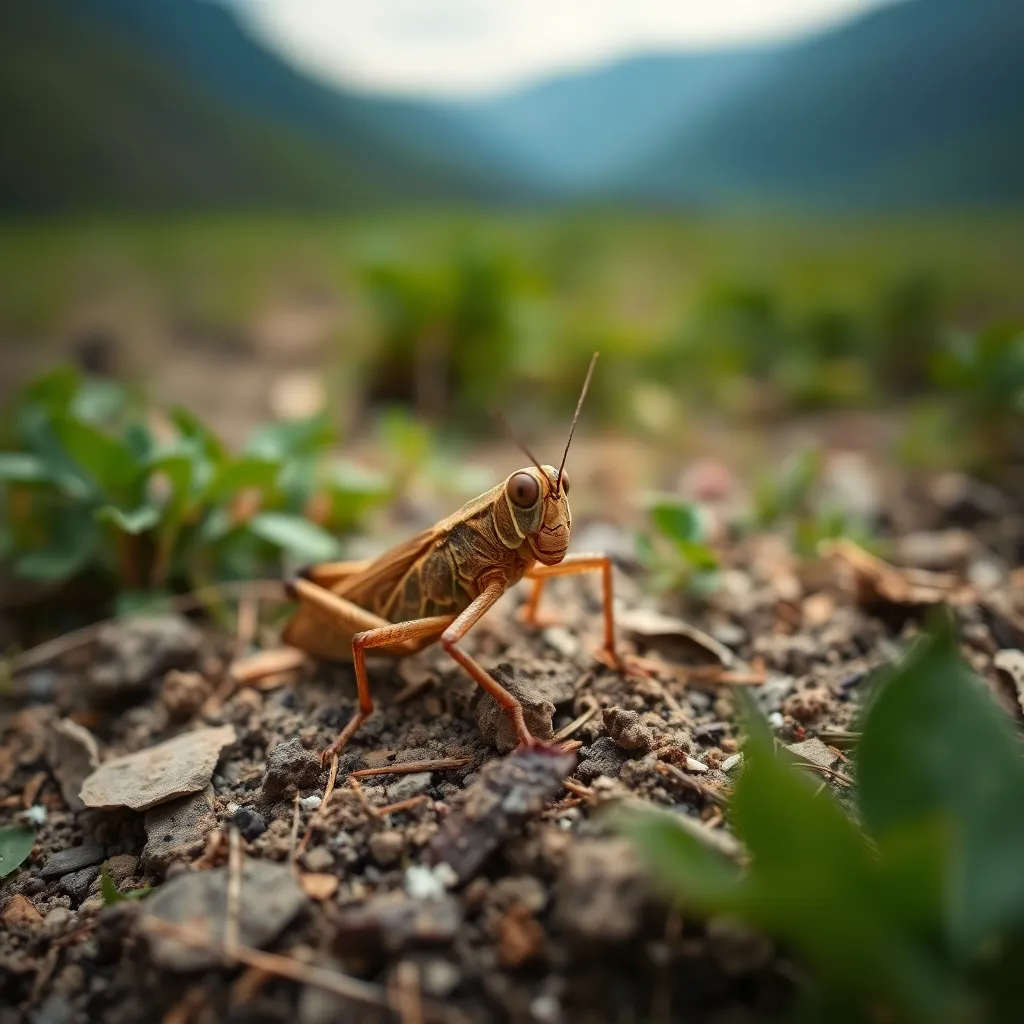
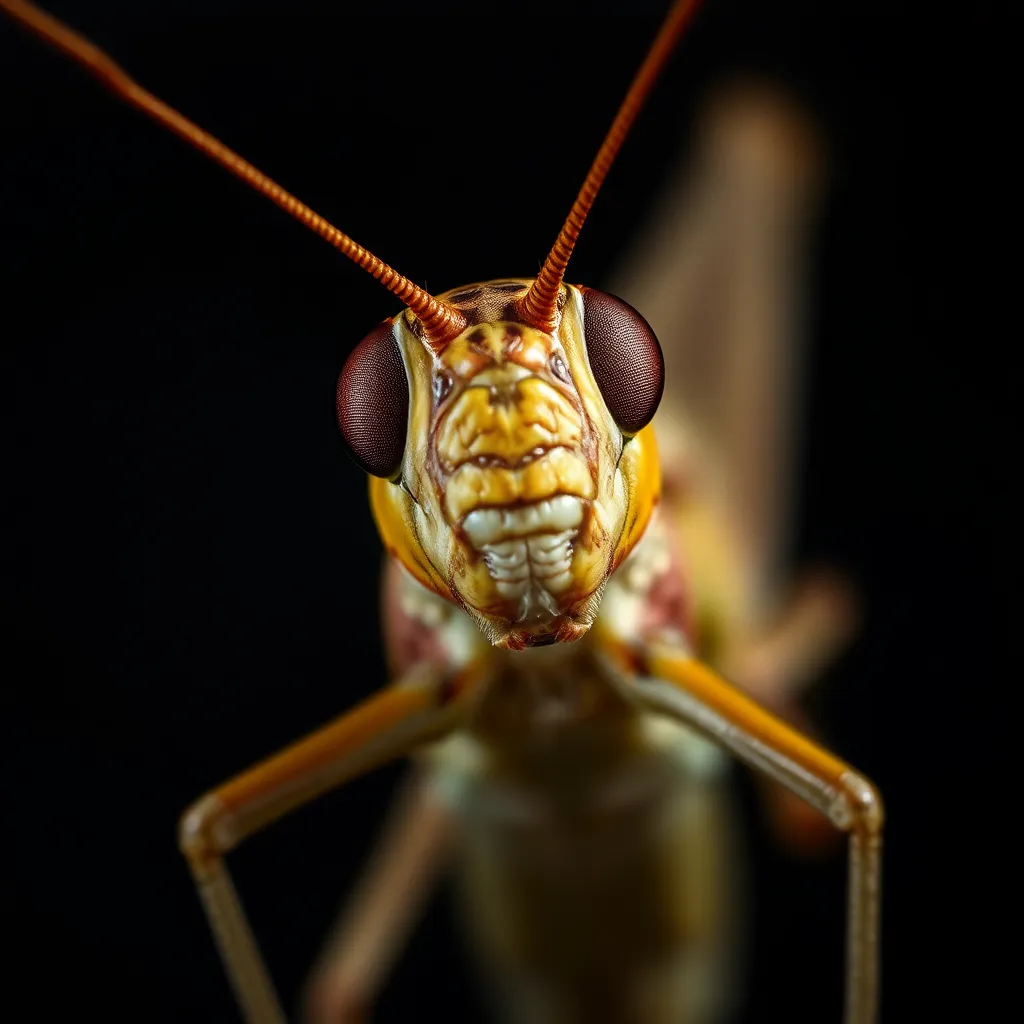
Grasshopper close-up
Grasshopper

SURVIVAL TOOLKIT

Built for Survival

Nature's engineering refined over millions of years

🔬 SURVIVAL TOOLKIT
Elastic Catapult Hind Legs
01

Elastic Catapult Hind Legs

Resilin — a rubberlike elastic protein — in the femur-tibia joint stores energy from slow muscle contraction and releases it explosively in milliseconds, powering leaps of up to 1 meter.

Stridulation Communication
02

Stridulation Communication

A row of pegs on the inner hind femur is dragged across a raised vein on the forewing, producing species-specific acoustic signals for mate attraction and territory advertisement.

Cryptic Green-Brown Coloration
03

Cryptic Green-Brown Coloration

Pigmentation that matches dry grass and soil in summer transitions to brighter green in humid conditions, providing camouflage across the full range of grassland microhabitats.

Abdominal Tympanal Ears
04

Abdominal Tympanal Ears

Paired tympanal membranes on the first abdominal segment detect sound waves, particularly the mating songs of conspecifics, over distances of tens of meters.

Solar Thermoregulation
05

Solar Thermoregulation

Grasshoppers orient their bodies perpendicular to the sun in the morning to maximize warming from solar radiation, and parallel to it when overheated, providing precise temperature control without metabolic heat.

Spring-Legged Dancer of Fields. An extraordinary creature that reminds us what we stand to lose.

Jungal Safari · Wildlife Network
💡

Did You Know?

Grasshoppers can jump up to 200 times their body length — equivalent to a human leaping the length of two football fields in a single bound — using a catapult mechanism powered by energy stored in elastic proteins.

🍖 DIET: HERBIVORE

What Does the Grasshopper Eat?

🌾
Grass & Cereal Crops
🌿
Broadleaf Weeds
🌸
Wildflowers
🌱
Seedlings & Shoots
🗺️ GEOGRAPHIC RANGE

Where Do Grasshoppers Live?

🌍
Continents
📉
Population Trend Declining

Conservation in Action

How You Can Help the Grasshopper

Small actions, taken together, can reverse the decline of species like this one

🌳
Protect Habitat

Support wildlife reserves and protected land corridors

🚫
Stop Poaching

Report illegal trade and back anti-poaching patrols

🔬
Fund Research

Camera-trap studies and population monitoring

🤝
Community Work

Partner with local herders to reduce conflict

📢
Raise Awareness

Educate and inspire future wildlife champions

"Without urgent action, the Grasshopper could disappear from the wild within our lifetime."

PROTECT THEM. PRESERVE THEIR LEGACY.

The Grasshopper's Future
Is In Our Hands

Every share, every donation, every voice raised — makes a difference for wildlife conservation.

🌳Protect Habitat
📢Raise Awareness
💰Fund Research
🤝Community Work
🚫Stop Poaching

"Protect Wildlife. Preserve Our Planet."

Every species matters. Every action counts.

Advertisement