Loading Wildlife…

Leporidae LC

THE

HARE

Mad March Sprinter of Fields

Lepus europaeus

Europe
CLASS Mammalia FAMILY Leporidae GENUS Lepus
70 km/h
Top Speed
⚖️
2.5–5 kg
Max Weight
📏
52–70 cm
Body Length
🕰️
3–4 years
Lifespan
🍖
Herbivore
Diet Type

IUCN Red List — Where this species stands

LC Least Concern
NT Near Threatened
VU Vulnerable
EN Endangered
CR Critical
EW Extinct Wild
EX Extinct

About the Hare

Lepus europaeus

Advertisement

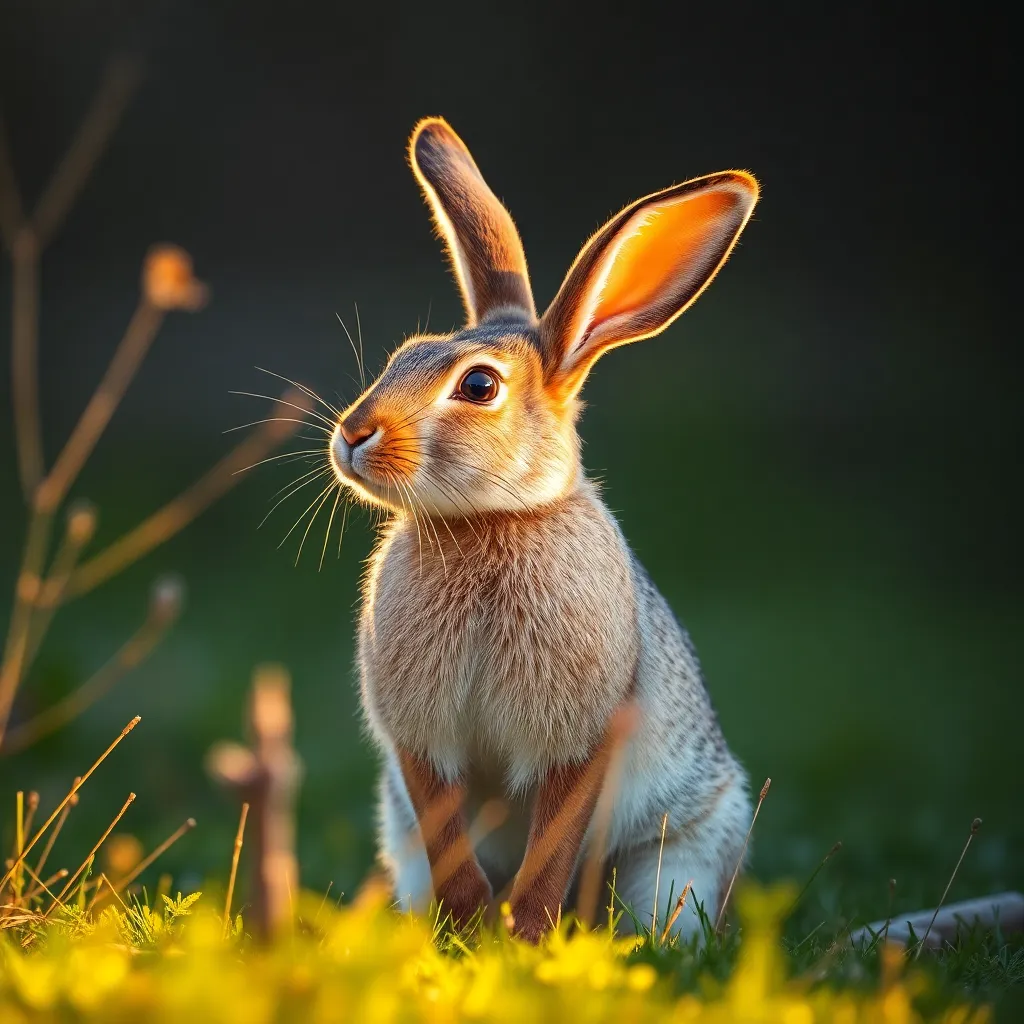
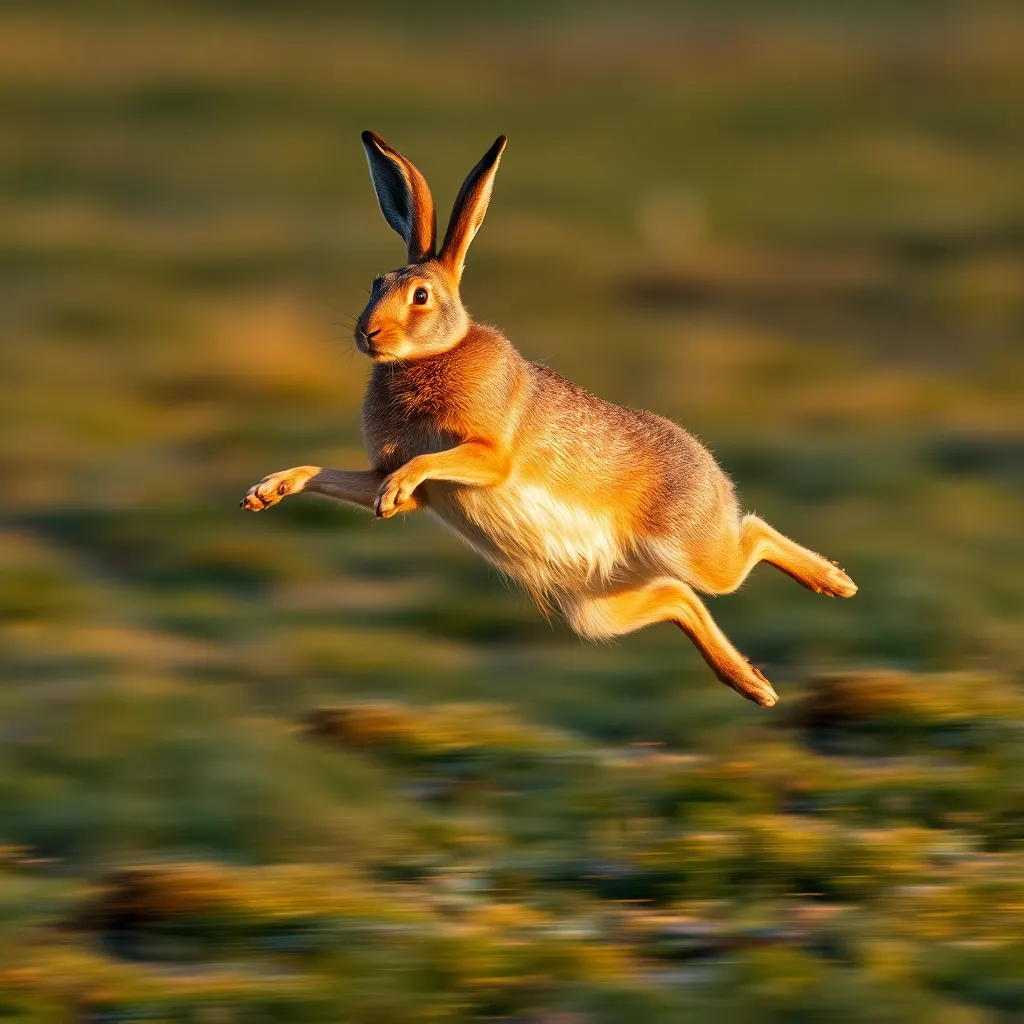
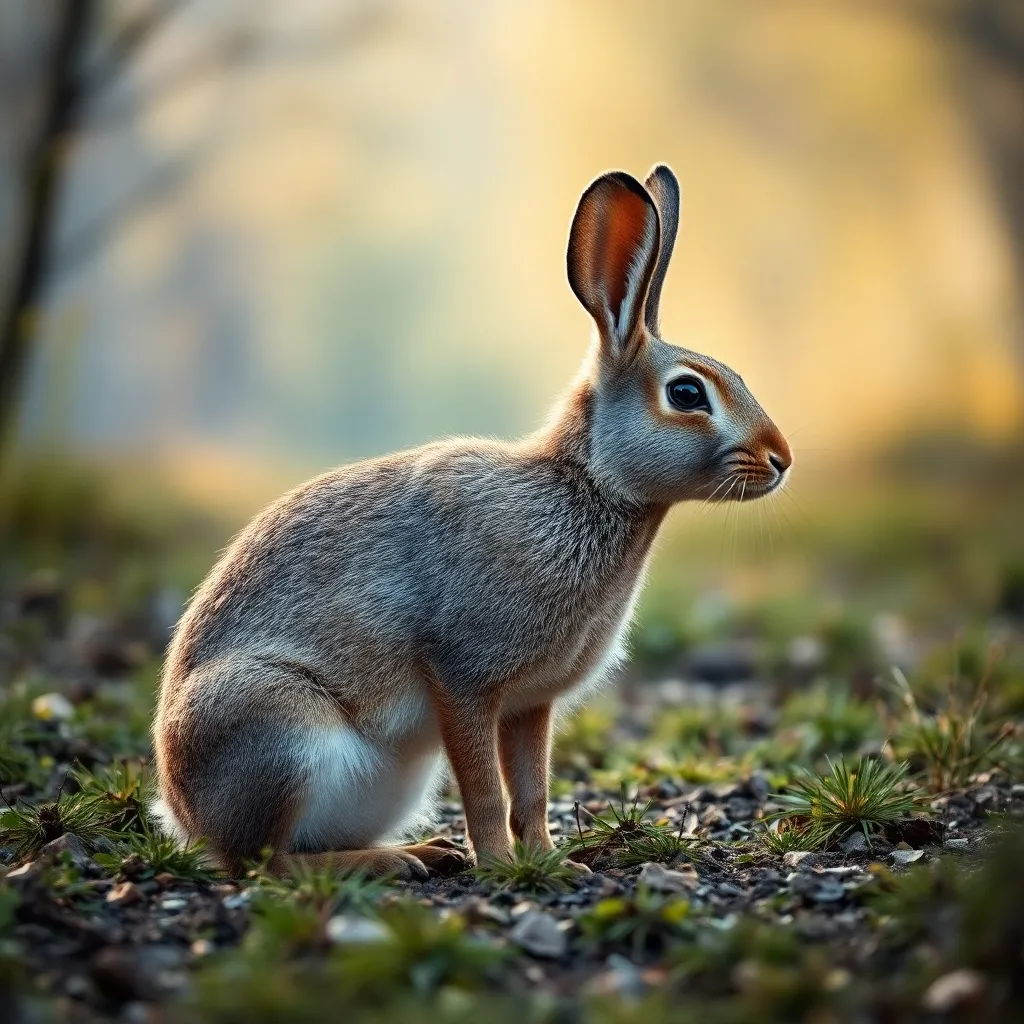
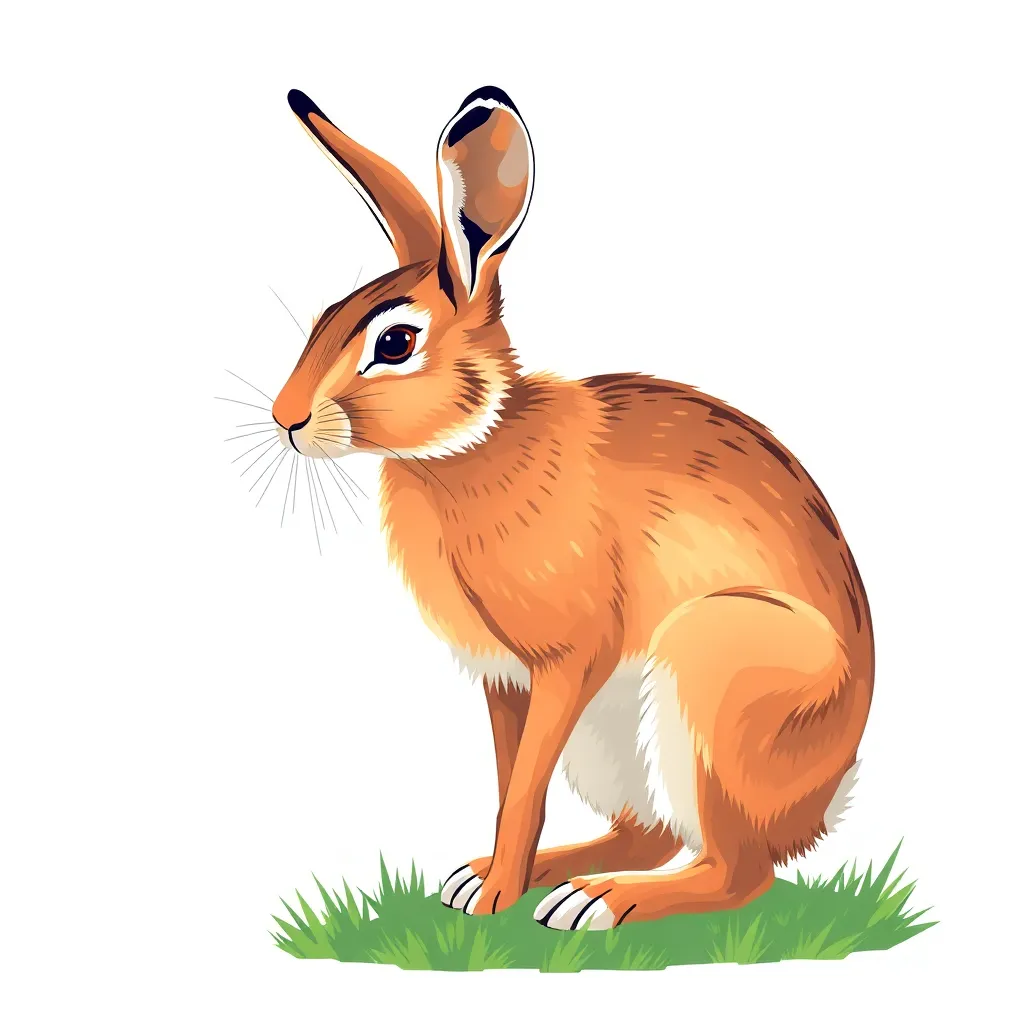
The European brown hare is one of Europe’s fastest land animals, capable of hitting 70 km/h while executing rapid evasive zigzags that can wrong-foot even a greyhound. Unlike rabbits, hares never burrow — they rest in open depressions in soil called forms, relying entirely on speed and camouflage for survival. The famous ‘mad March hare’ boxing behavior is females repelling unwanted male advances during the breeding season rather than competing males, as was long believed.

⚡ Speed Comparison

Human
12 km/h
Car (city)
50 km/h
Horse
54 km/h
Hare
70 km/h

💡 Fun Facts

01

Hares are born fully furred, eyes open, and capable of running within hours — completely unlike rabbits, which are born blind and helpless in underground burrows.

02

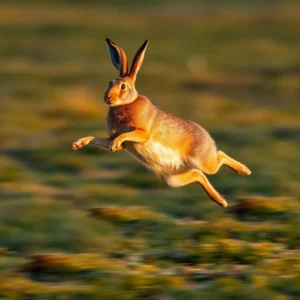
A fleeing hare can change direction at full speed with a single powerful kick, making it extremely difficult for pursuit predators to catch.

03

Hares practice coprophagy — they eat their own soft fecal pellets directly from the anus to extract bacteria-produced vitamins B and K during a second pass through the gut.

04

A female hare (doe) can be pregnant with two separate litters simultaneously — a phenomenon called superfetation where a second pregnancy begins before the first is born.

05

The phrase 'mad as a March hare' dates to 16th-century England, referencing the seemingly chaotic boxing and leaping behavior of hares during breeding season.

Unlock Expert Wildlife Facts

Watch a short 15-second video to unlock detailed expert analysis, exclusive wildlife photography, and rare behavioral facts.

📍 Where to Find This Animal

🛒 Hare Related Gear

As an Amazon Associate we earn from qualifying purchases.
🗨️

Join the Conversation

Share your thoughts about the Hare

✍️

Leave a Comment

Your email address will not be published. Required fields are marked *

How Big Is a Hare?

Side-by-side comparison with an adult human (175 cm)

🧍
Human
175 cm
🐇
Hare
65 cm
shoulder height
2.5–5 BODY WEIGHT
52–70 BODY LENGTH
70 TOP SPEED
3–4 LIFESPAN
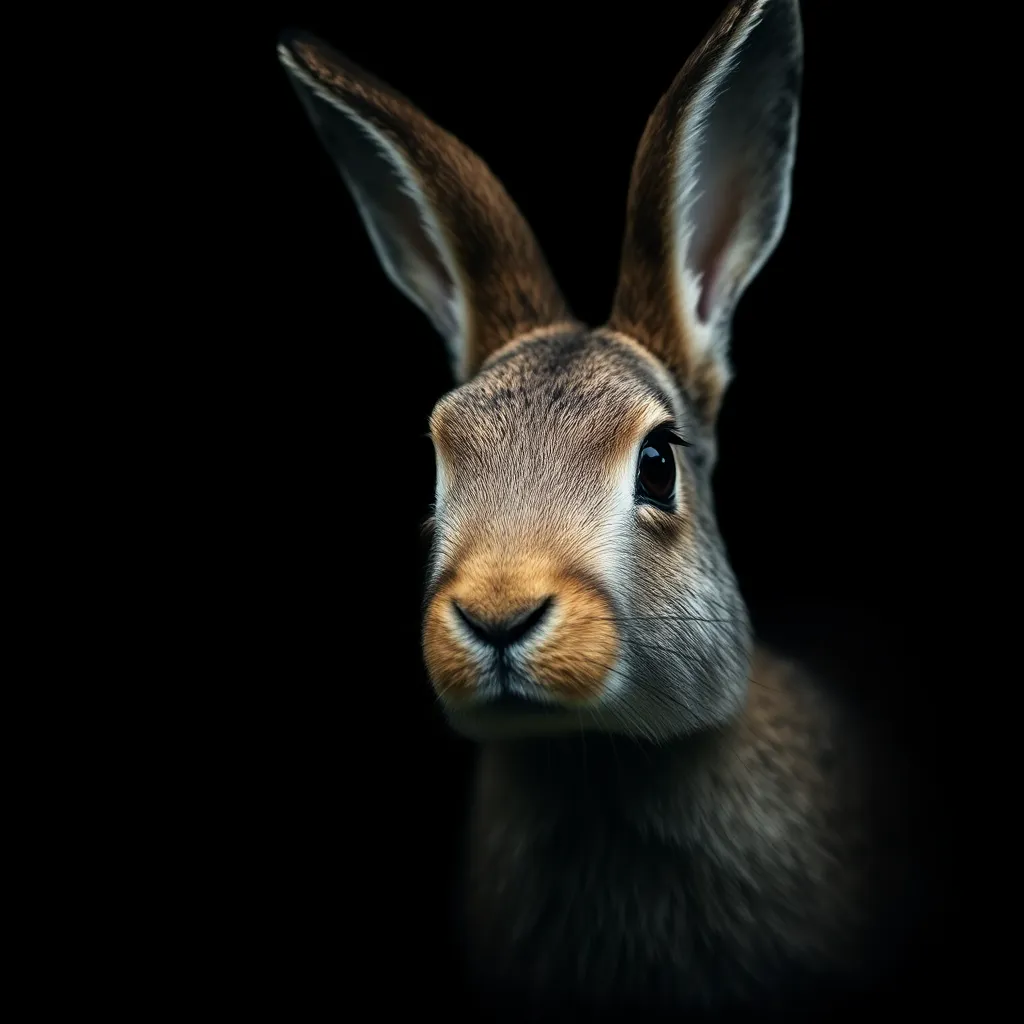
Hare close-up
Hare

SURVIVAL TOOLKIT

Built for Survival

Nature's engineering refined over millions of years

🔬 SURVIVAL TOOLKIT
Explosive Sprint Speed
01

Explosive Sprint Speed

Elongated hind legs with powerful muscle groups generate tremendous thrust for 70 km/h bursts across open terrain.

Thermoregulatory Ears
02

Thermoregulatory Ears

Oversized ears containing dense blood vessel networks radiate excess body heat after exertion, preventing dangerous overheating.

360-Degree Panoramic Vision
03

360-Degree Panoramic Vision

Eyes positioned high on the head sides provide nearly complete all-round vision for predator detection in open habitats.

Seasonal Camouflage
04

Seasonal Camouflage

In northern populations, brown summer pelage molts to white in winter, matching snow cover and reducing predation year-round.

Cecotrope Nutrition
05

Cecotrope Nutrition

Re-ingesting soft cecal pellets allows hares to recover vitamins and bacterial products from low-nutrition grass diets without a complex rumen.

Mad March Sprinter of Fields. An extraordinary creature that reminds us what we stand to lose.

Jungal Safari · Wildlife Network
💡

Did You Know?

Hares are born fully furred, eyes open, and capable of running within hours — completely unlike rabbits, which are born blind and helpless in underground burrows.

🍖 DIET: HERBIVORE

What Does the Hare Eat?

🌾
Grasses & Cereals
🌿
Herbs & Clovers
🌲
Tree Bark & Twigs
🌸
Wildflowers
🥕
Root Vegetables
🗺️ GEOGRAPHIC RANGE

Where Do Hares Live?

🌍
Continents
📉
Population Trend Declining

Conservation in Action

How You Can Help the Hare

Small actions, taken together, can reverse the decline of species like this one

🌳
Protect Habitat

Support wildlife reserves and protected land corridors

🚫
Stop Poaching

Report illegal trade and back anti-poaching patrols

🔬
Fund Research

Camera-trap studies and population monitoring

🤝
Community Work

Partner with local herders to reduce conflict

📢
Raise Awareness

Educate and inspire future wildlife champions

"Without urgent action, the Hare could disappear from the wild within our lifetime."

PROTECT THEM. PRESERVE THEIR LEGACY.

The Hare's Future
Is In Our Hands

Every share, every donation, every voice raised — makes a difference for wildlife conservation.

🌳Protect Habitat
📢Raise Awareness
💰Fund Research
🤝Community Work
🚫Stop Poaching

"Protect Wildlife. Preserve Our Planet."

Every species matters. Every action counts.

Advertisement