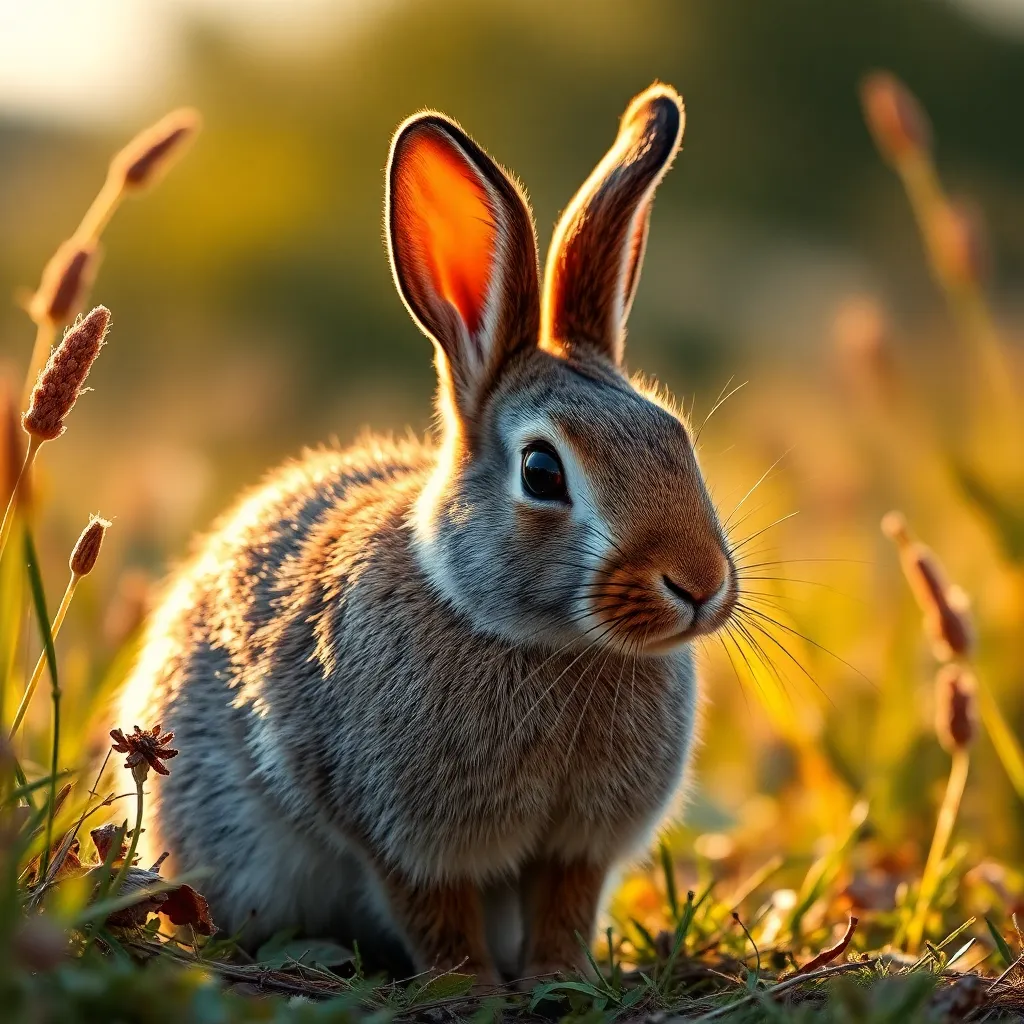
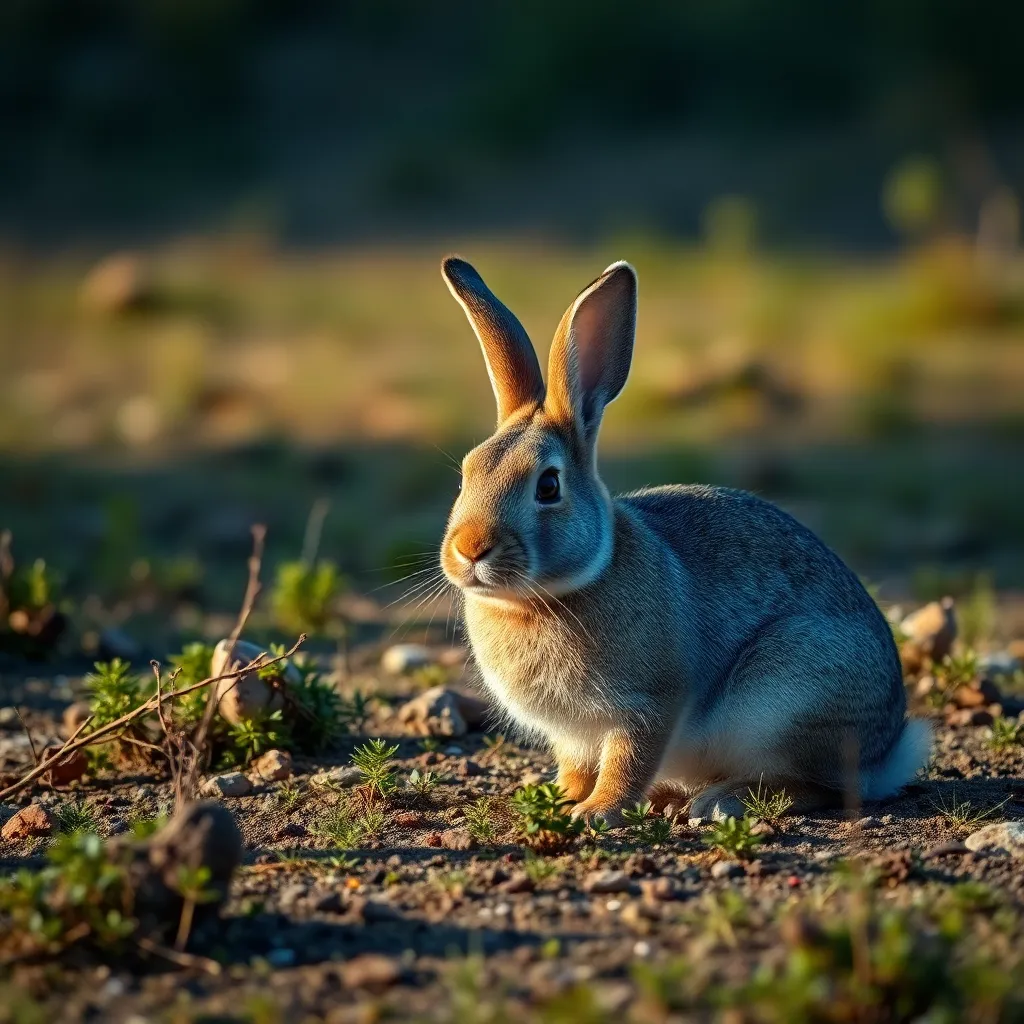
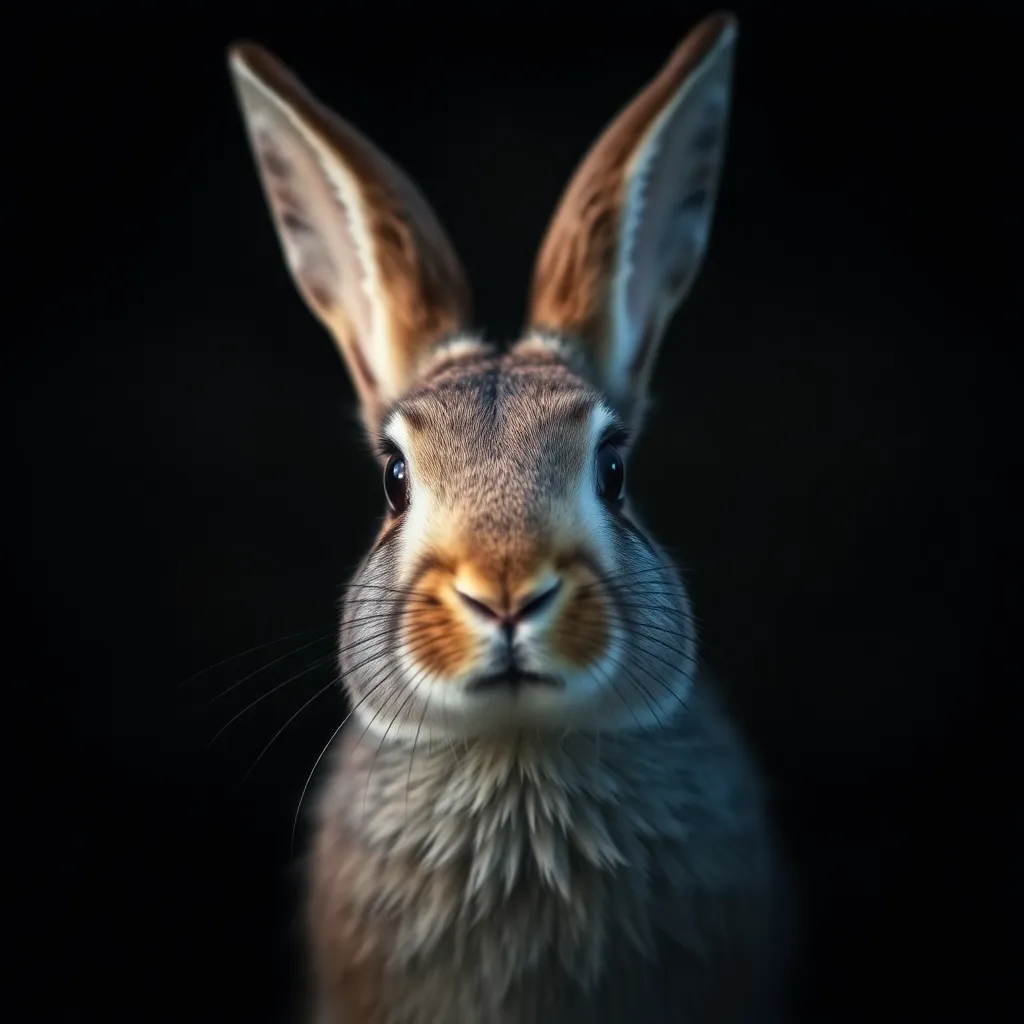
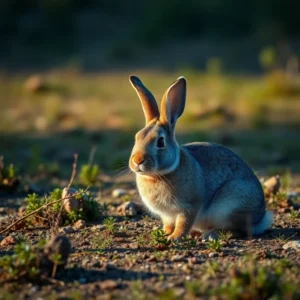
The European Rabbit is native to the Iberian Peninsula and northwestern Africa but has been introduced to every continent except Antarctica, making it one of the world’s most widespread mammals. As a keystone species, rabbits engineer habitats through grazing and burrowing — their warren systems provide shelter for dozens of other species including foxes, badgers, and numerous invertebrates. Despite their global abundance as an introduced species, wild rabbits in their native range have declined dramatically due to disease and habitat loss.
About the Rabbit
Oryctolagus cuniculus
Advertisement
⚡ Speed Comparison
📸 Photo Gallery

💡 Fun Facts
01
Rabbits practice cecotrophy — they produce special droppings called cecotropes from their cecum and eat them directly from their anus to obtain B vitamins and proteins.
02
A female rabbit (doe) can become pregnant again within 24 hours of giving birth, with a gestation period of just 28–31 days.
03
Rabbit warrens can house hundreds of individuals and extend 3 meters underground with up to 45 individual entrances.
04
The word 'coney' (from Latin cuniculus) was the original English term for rabbit; 'rabbit' originally referred only to juvenile animals.
05
Rabbits cannot vomit — their digestive tract is physically incapable of reverse peristalsis, making hairballs and poisoning potentially fatal.
📍 Where to Find This Animal
Habitat Types:
Grasslands & Meadows
🛒 Rabbit Related Gear
As an Amazon Associate we earn from qualifying purchases.

Join the Conversation
Share your thoughts about the Rabbit