Loading Wildlife…

Paguridae LC

THE

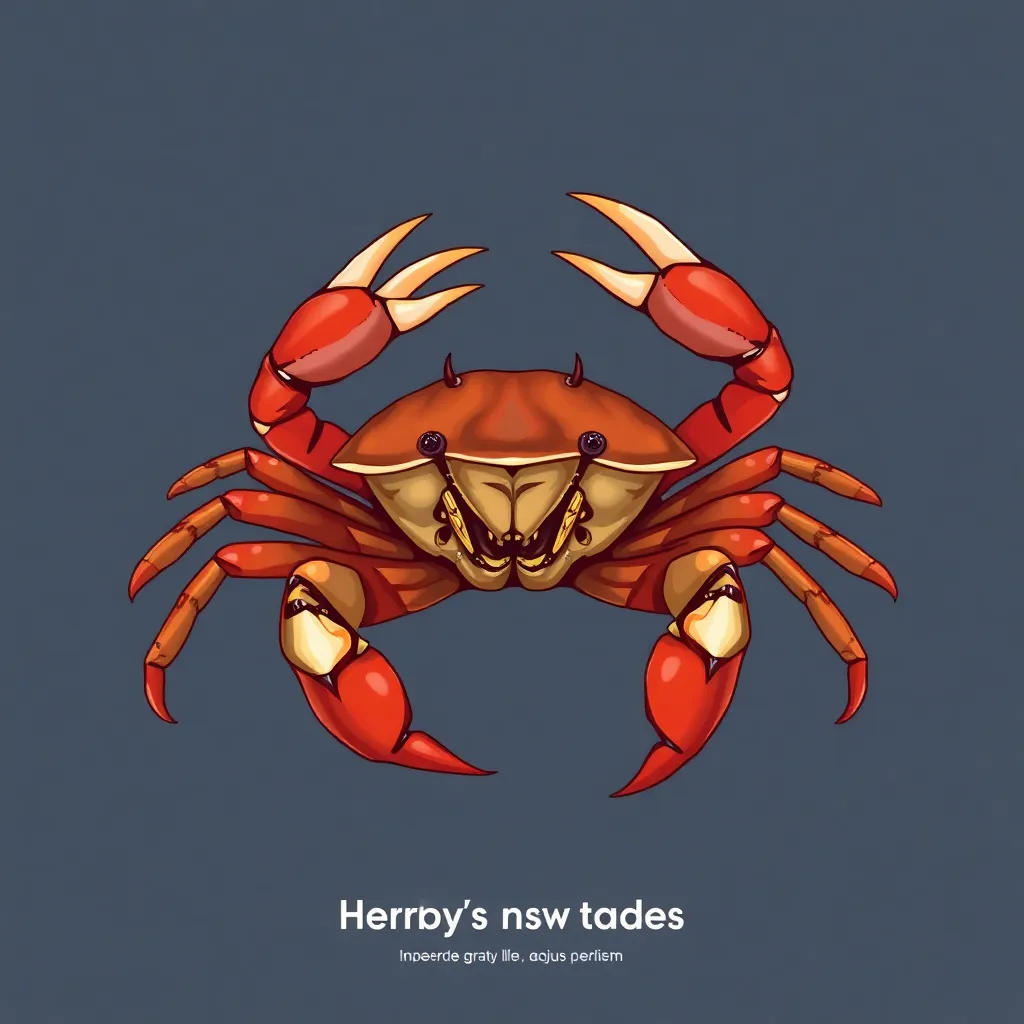
HERMIT CRAB

Wandering Tenant of the Shore

Pagurus bernhardus

Europe
CLASS Crustacea FAMILY Paguridae GENUS Pagurus
0.8 km/h
Top Speed
⚖️
10–100 g kg
Max Weight
📏
2–10 cm (body)
Body Length
🕰️
10–30 years
Lifespan
🍖
Omnivore
Diet Type

IUCN Red List — Where this species stands

LC Least Concern
NT Near Threatened
VU Vulnerable
EN Endangered
CR Critical
EW Extinct Wild
EX Extinct

About the Hermit Crab

Pagurus bernhardus

Advertisement

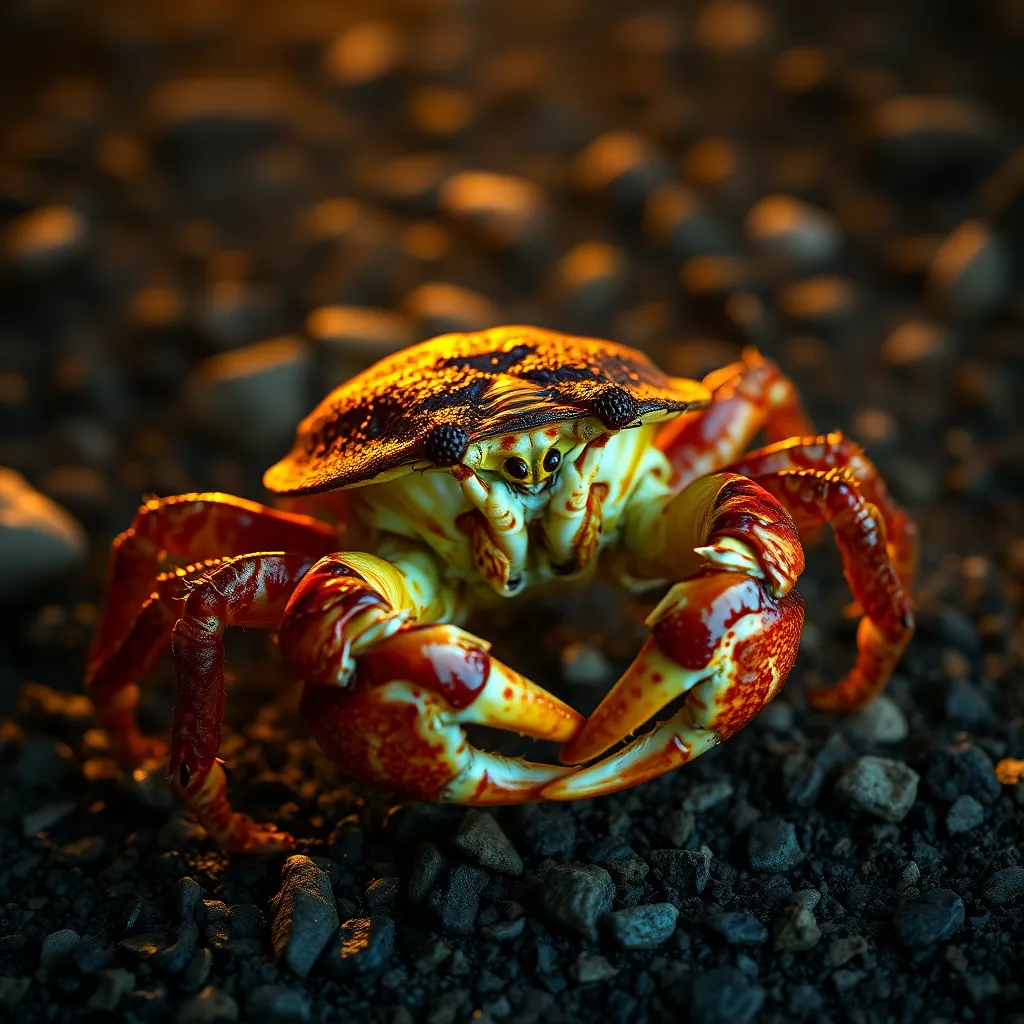
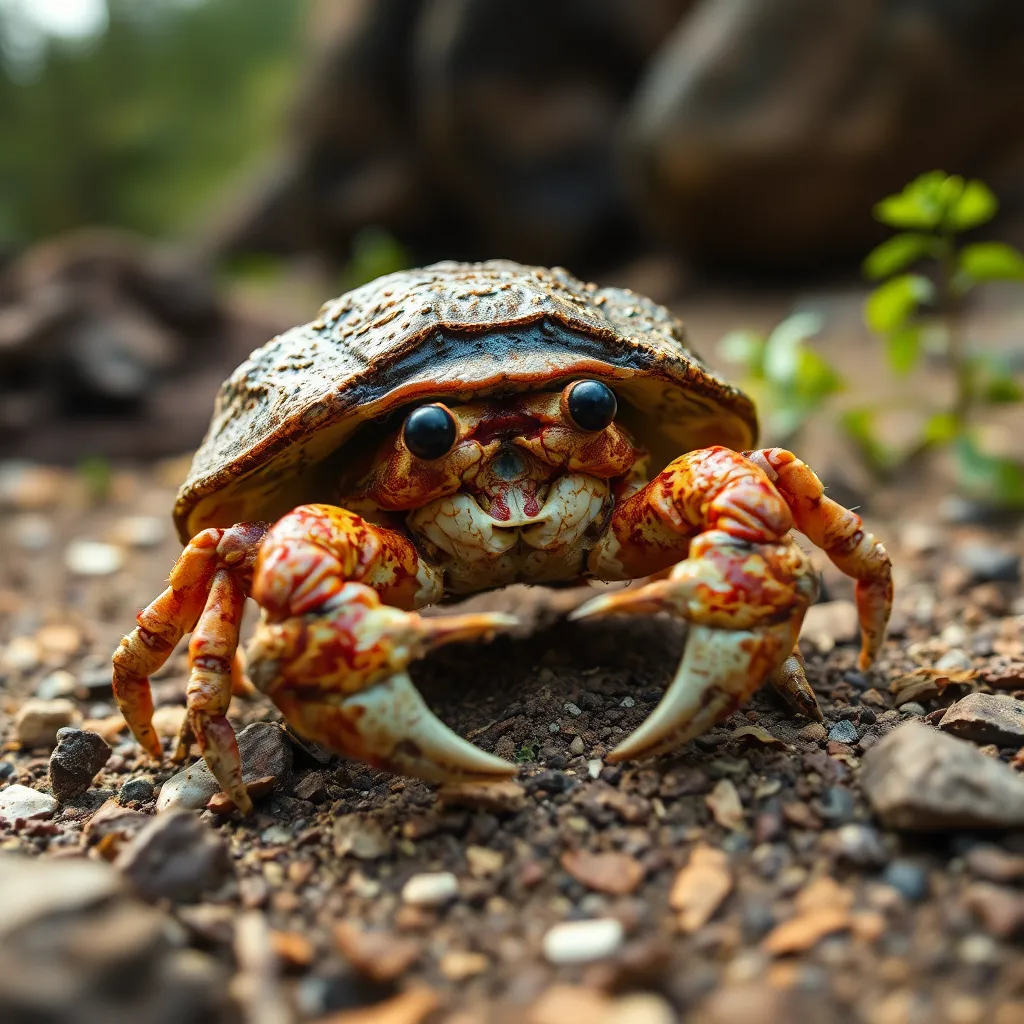
The common hermit crab is a fascinating crustacean that protects its soft, vulnerable abdomen by living inside empty gastropod shells — changing to larger shells as it grows throughout its life. Unlike true crabs, hermit crabs have a soft, asymmetric abdomen adapted to curl inside spiral shells, and their right claw is typically much larger than the left, functioning as a door to seal the shell opening when the animal retreats. Hermit crabs are social animals that participate in extraordinary ‘vacancy chain’ behaviors when a desirable empty shell becomes available.

⚡ Speed Comparison

Hermit Crab
1 km/h
Human
12 km/h
Car (city)
50 km/h
Horse
54 km/h

💡 Fun Facts

01

When a vacant shell of a desirable size appears, hermit crabs form a 'vacancy chain' — a queue of up to 20 crabs that simultaneously exchange shells in a rapid chain reaction, with each crab moving into the shell vacated by the crab in front of it.

02

Hermit crabs can detect the chemical signature of a dead conspecific and will immediately investigate, as the dead crab's vacated shell represents a housing opportunity.

03

Some hermit crabs cultivate sea anemones on their shells, which deter octopus predators with their stinging tentacles; in return, the anemones receive transport and access to food scraps from the crab's meals.

04

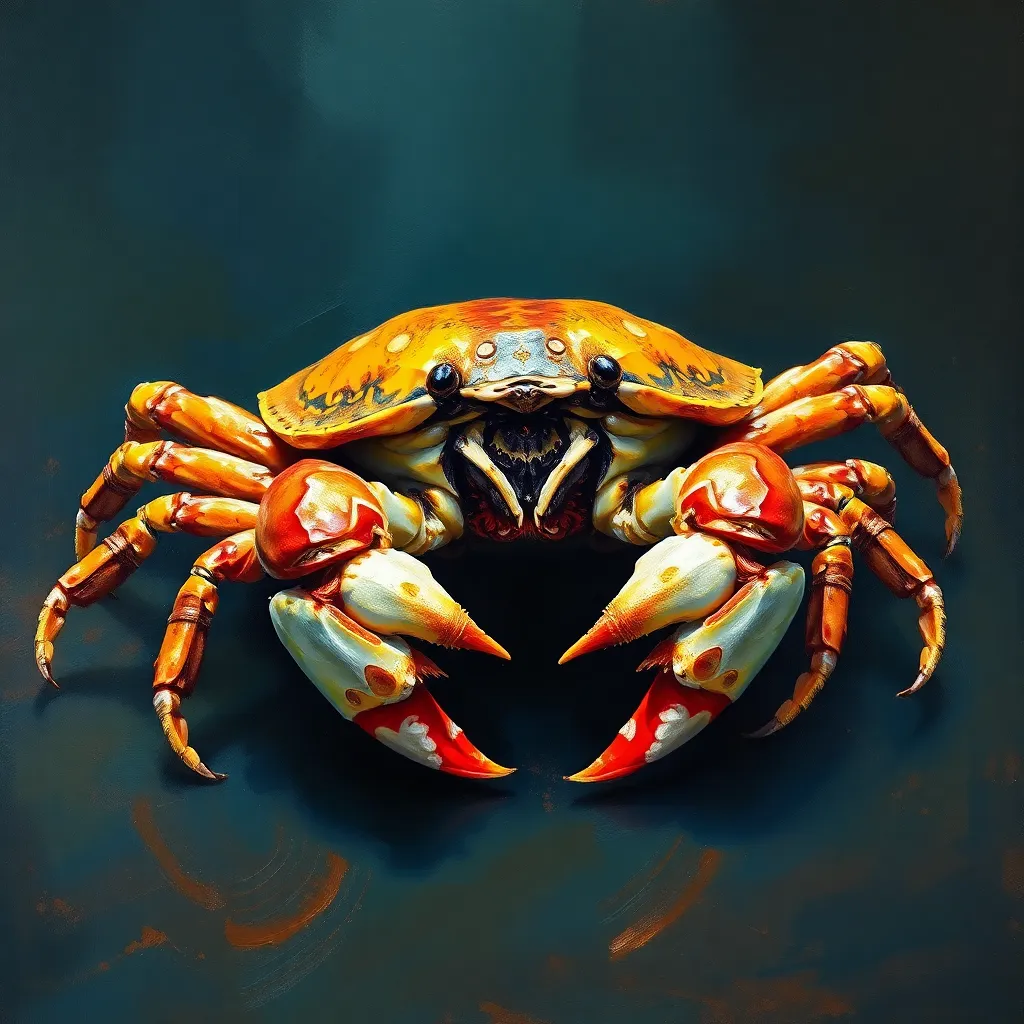
The right claw (cheliped) is significantly larger than the left in most hermit crabs and functions as a 'door' that seals the shell entrance when the animal retreats, covering the soft abdomen from predators.

05

Hermit crabs possess gills for underwater breathing, but many species also have modified gills that extract oxygen from air — allowing them to forage on land for extended periods.

Unlock Expert Wildlife Facts

Watch a short 15-second video to unlock detailed expert analysis, exclusive wildlife photography, and rare behavioral facts.

📍 Where to Find This Animal

🛒 Hermit Crab Related Gear

As an Amazon Associate we earn from qualifying purchases.
🗨️

Join the Conversation

Share your thoughts about the Hermit Crab

✍️

Leave a Comment

Your email address will not be published. Required fields are marked *

How Big Is a Hermit Crab?

Side-by-side comparison with an adult human (175 cm)

🧍
Human
175 cm
🦀
Hermit Crab
65 cm
shoulder height
10–100 BODY WEIGHT
2–10 BODY LENGTH
0.8 TOP SPEED
10–30 LIFESPAN
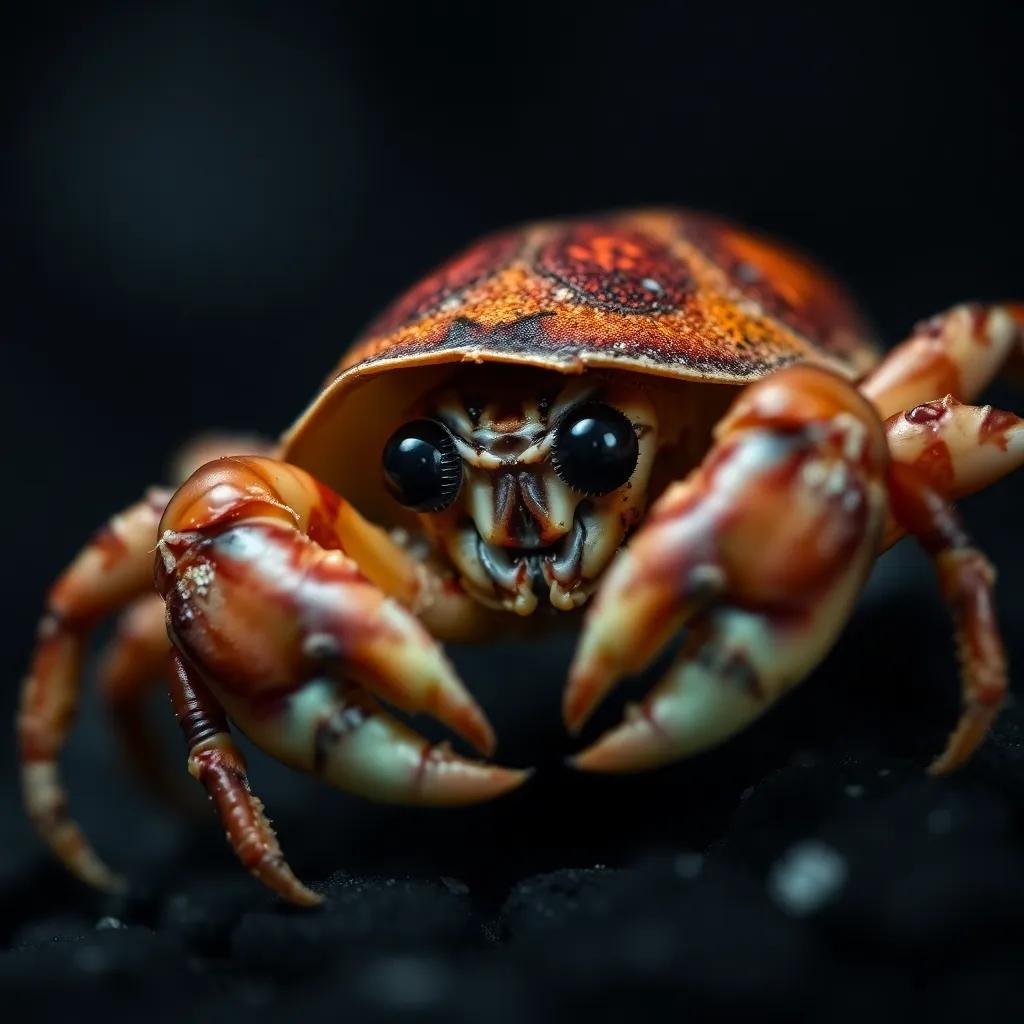
Hermit Crab close-up
Hermit Crab

SURVIVAL TOOLKIT

Built for Survival

Nature's engineering refined over millions of years

🔬 SURVIVAL TOOLKIT
Gastropod Shell Occupancy
01

Gastropod Shell Occupancy

A soft, uncalcified, asymmetrically curved abdomen is morphologically adapted to fit precisely inside spiral gastropod shells of the appropriate handedness and size.

Cheliped Door Seal
02

Cheliped Door Seal

An enlarged right claw exactly matches the aperture of the occupied shell, creating a physical barrier that blocks most predators from extracting the crab from its mobile refuge.

Anemone Symbiosis
03

Anemone Symbiosis

Some species solicit sea anemones onto their shells through specific touching behaviors; the anemone receives locomotion and feeding access while providing the crab with a living chemical and nematocyst defense.

Dual-Mode Respiration
04

Dual-Mode Respiration

Modified gill chambers with moist lining surfaces allow gas exchange in both water and air, enabling foraging in intertidal zones that cycle between submerged and aerial conditions with each tide.

Vacancy Chain Social Behavior
05

Vacancy Chain Social Behavior

Complex social information sharing about shell quality drives synchronized shell-exchange chains that efficiently allocate the limited resource of empty gastropod shells across the local population.

Wandering Tenant of the Shore. An extraordinary creature that reminds us what we stand to lose.

Jungal Safari · Wildlife Network
💡

Did You Know?

When a vacant shell of a desirable size appears, hermit crabs form a 'vacancy chain' — a queue of up to 20 crabs that simultaneously exchange shells in a rapid chain reaction, with each crab moving into the shell vacated by the crab in front of it.

🍖 DIET: OMNIVORE

What Does the Hermit Crab Eat?

🌿
Algae & Biofilm
🦀
Detritus & Carrion
🦐
Small Invertebrates
🐟
Fish Scraps
🗺️ GEOGRAPHIC RANGE

Where Do Hermit Crabs Live?

🌍
Continents
➡️
Population Trend Stable

Conservation in Action

How You Can Help the Hermit Crab

Small actions, taken together, can reverse the decline of species like this one

🌳
Protect Habitat

Support wildlife reserves and protected land corridors

🚫
Stop Poaching

Report illegal trade and back anti-poaching patrols

🔬
Fund Research

Camera-trap studies and population monitoring

🤝
Community Work

Partner with local herders to reduce conflict

📢
Raise Awareness

Educate and inspire future wildlife champions

"Without urgent action, the Hermit Crab could disappear from the wild within our lifetime."

PROTECT THEM. PRESERVE THEIR LEGACY.

The Hermit Crab's Future
Is In Our Hands

Every share, every donation, every voice raised — makes a difference for wildlife conservation.

🌳Protect Habitat
📢Raise Awareness
💰Fund Research
🤝Community Work
🚫Stop Poaching

"Protect Wildlife. Preserve Our Planet."

Every species matters. Every action counts.

Advertisement