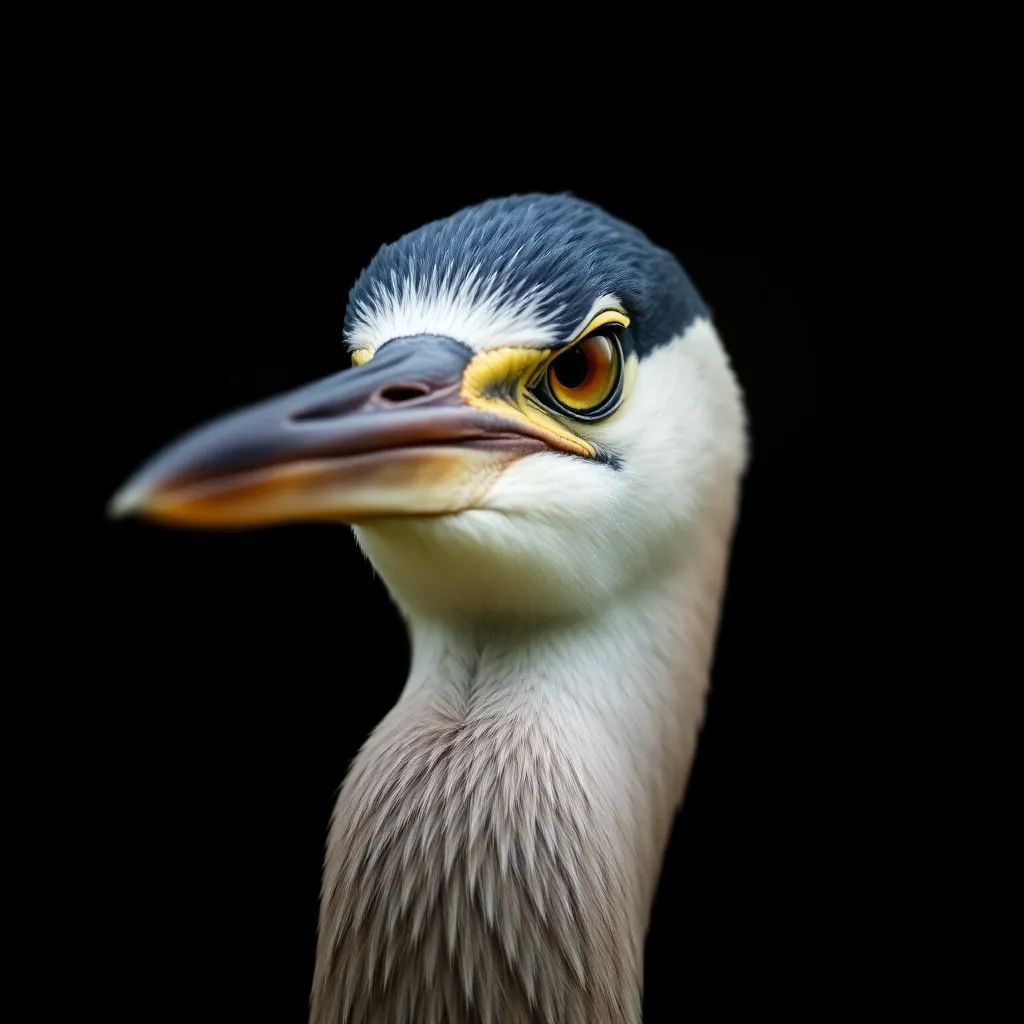
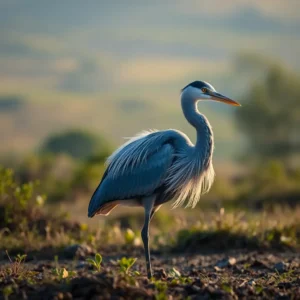
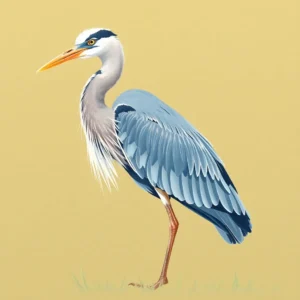
The great blue heron is the largest heron in North America, a stately wading bird found near freshwater and saltwater habitats from Alaska to Mexico. It hunts with extraordinary patience, standing motionless for minutes before striking prey with its dagger-like bill at lightning speed. Despite their solitary hunting nature, great blue herons nest colonially in structures called rookeries, sometimes sharing trees with egrets and cormorants.
About the Heron
Ardea herodias
Advertisement
⚡ Speed Comparison
📸 Photo Gallery





💡 Fun Facts
01
A heron's strike is so fast it registers only as a blur on high-speed camera footage — the bird can catch fish in water that distorts apparent depth.
02
Herons fold their necks into a tight S-curve during flight, unlike cranes which fly with necks extended, making them easy to identify in the air.
03
They have a comb-like middle toe claw called a 'pectinate claw' used for grooming and distributing powder-down feathers that help waterproof their plumage.
04
Great blue herons can choke to death attempting to swallow prey that is too large — they have been found dead with fish lodged in their throats.
05
Rookeries can contain hundreds of nests and are often used by the same colony for decades, occasionally for over a century.
📍 Where to Find This Animal
Habitat Types:
Wetlands and Marshes
🛒 Heron Related Gear
As an Amazon Associate we earn from qualifying purchases.



Join the Conversation
Share your thoughts about the Heron