Loading Wildlife…

Ardeidae LC

THE

EGRET

Snow-White Sentinel of Wetlands

Ardea alba

Global
CLASS Aves FAMILY Ardeidae GENUS Ardea
48 km/h
Top Speed
⚖️
700–1,500 g kg
Max Weight
📏
80–104 cm
Body Length
🕰️
15–22 years
Lifespan
🍖
Carnivore
Diet Type

IUCN Red List — Where this species stands

LC Least Concern
NT Near Threatened
VU Vulnerable
EN Endangered
CR Critical
EW Extinct Wild
EX Extinct

About the Egret

Ardea alba

Advertisement

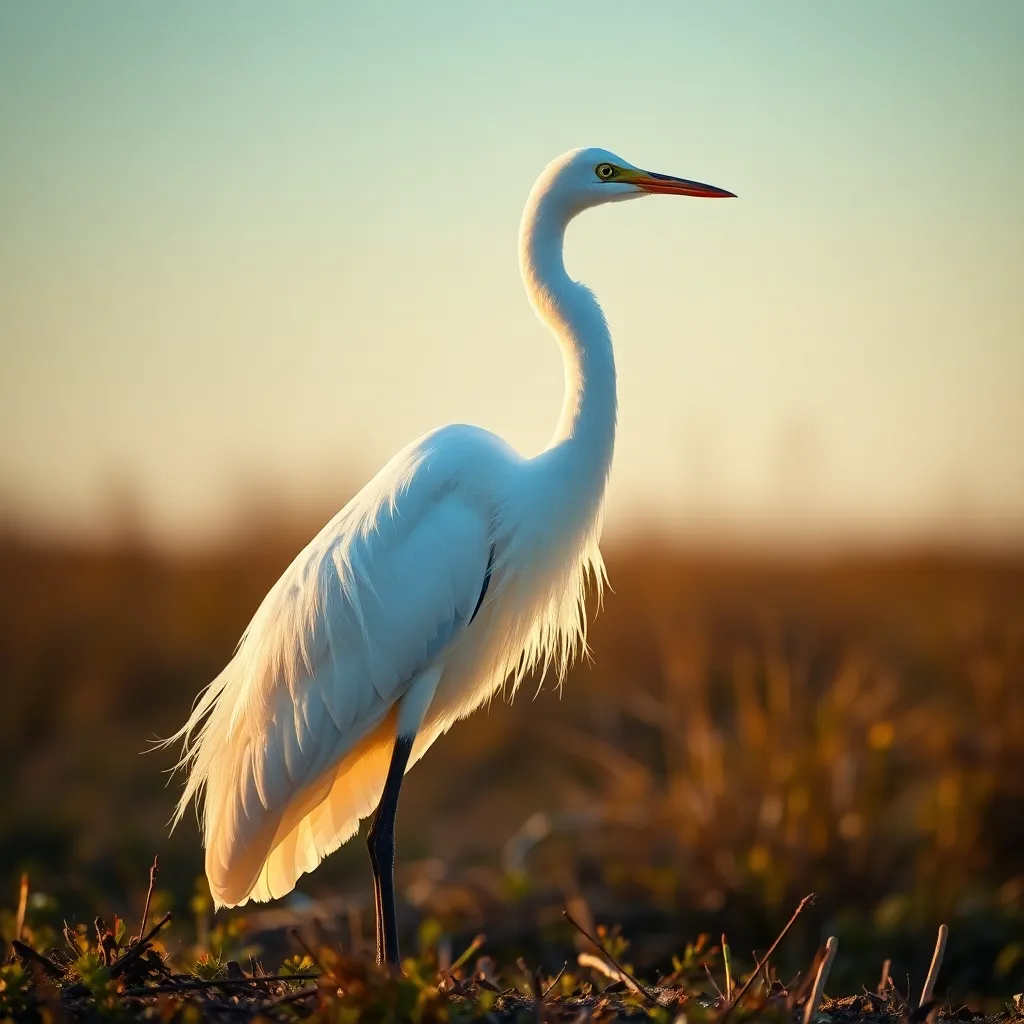
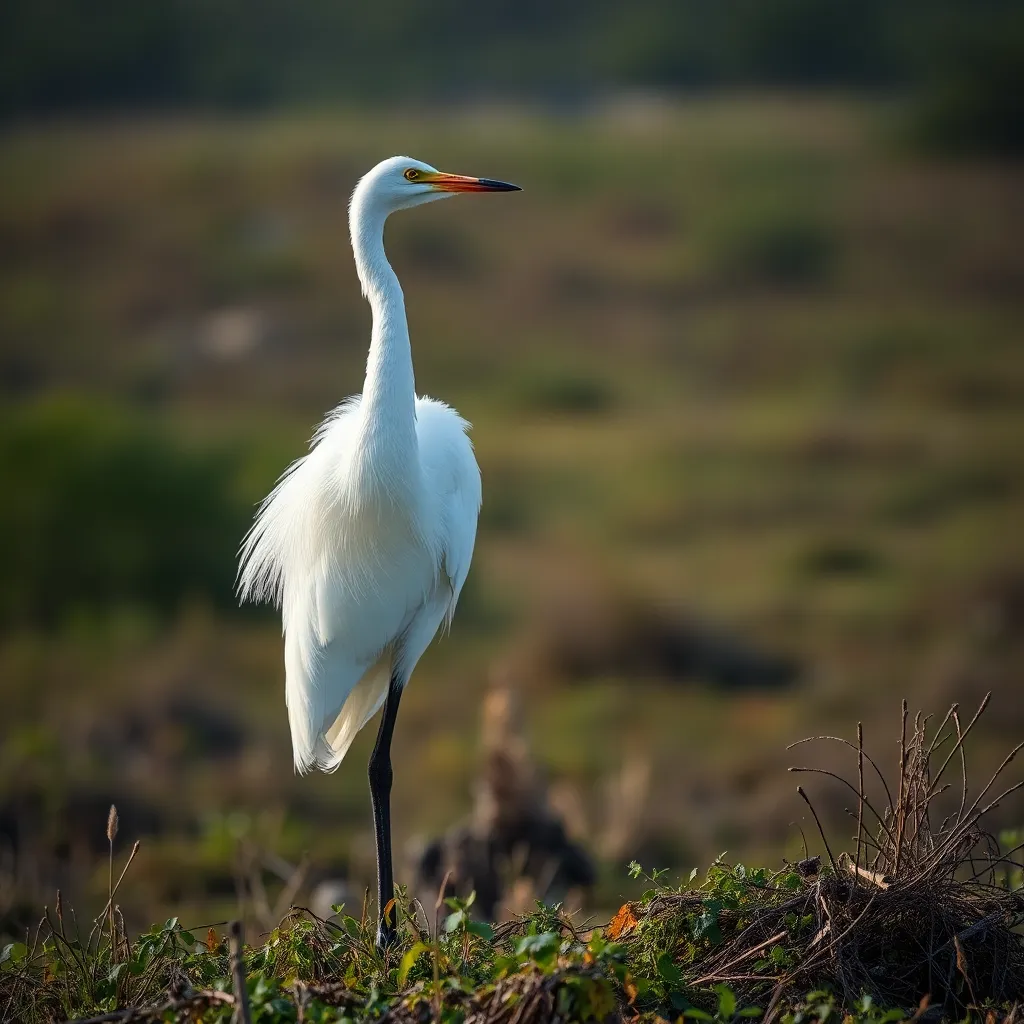
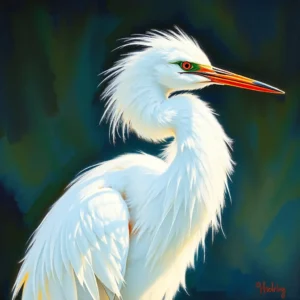
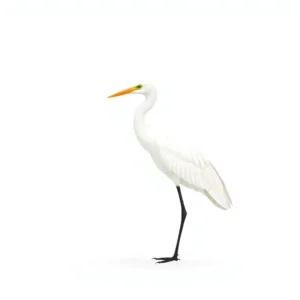
The great egret is a tall, elegant wading bird found on every continent except Antarctica, identifiable by its pure white plumage, yellow dagger-like bill, and slow, stately gait through shallow water. Hunted nearly to extinction in the late 19th century for their spectacular breeding plumes used in hat-making, egrets became a symbol of the conservation movement — their image is the logo of the National Audubon Society. Today they have rebounded strongly and are expanding their range northward as wetlands are protected and climates warm.

⚡ Speed Comparison

Human
12 km/h
Egret
48 km/h
Car (city)
50 km/h
Horse
54 km/h

💡 Fun Facts

01

Great egrets were hunted so intensively for their aigrette plumes in the 1880s–1900s that a pound of feathers sold for twice the price of gold, driving species to near-extinction across their range.

02

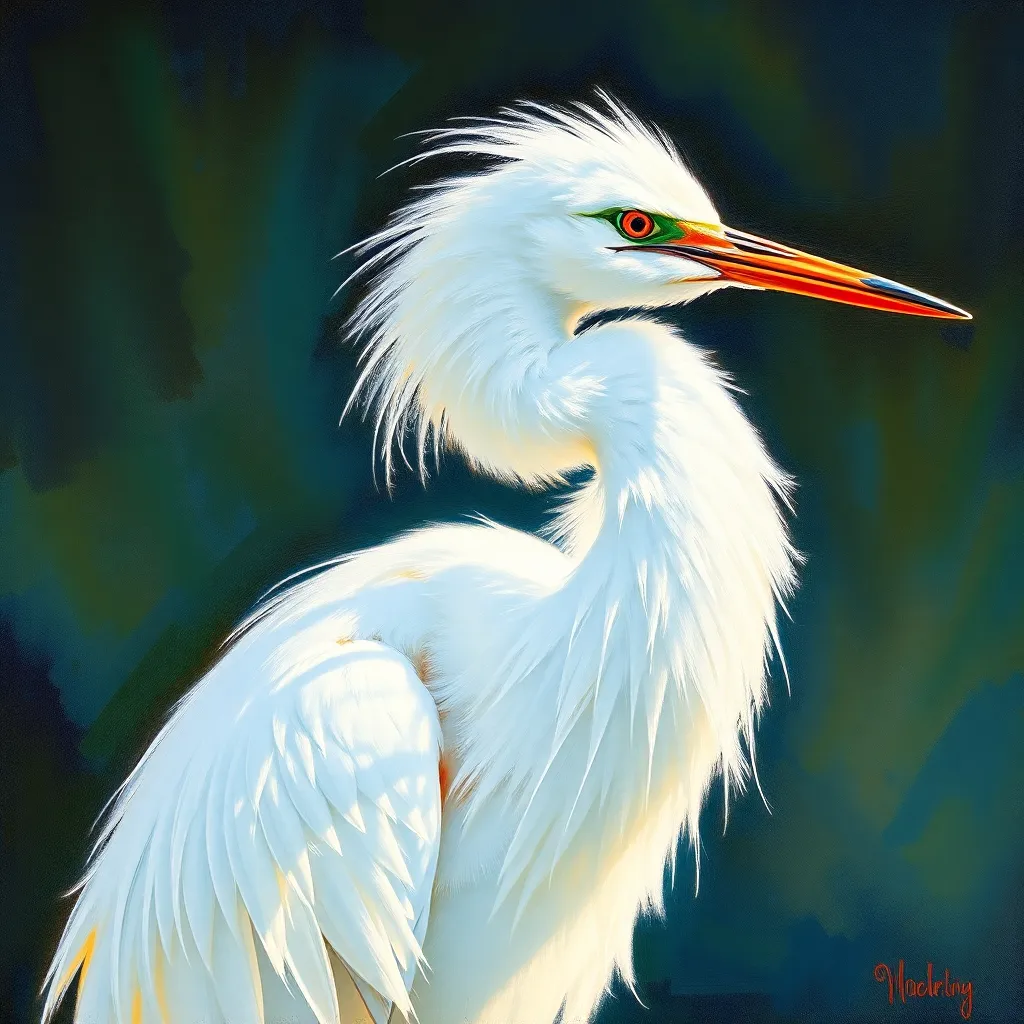
During breeding season, both sexes grow long, lacy ornamental plumes called aigrettes that extend beyond the tail, used in elaborate courtship displays.

03

Egrets strike prey with their bill at speeds exceeding 200 km/h — one of the fastest predatory strikes of any bird measured relative to neck length.

04

The great egret is the symbol of the National Audubon Society and galvanised early conservation legislation in the United States, including the Lacey Act of 1900.

05

Egrets sometimes engage in kleptoparasitism, stealing fish from other wading birds including herons and spoonbills to supplement their own foraging.

Unlock Expert Wildlife Facts

Watch a short 15-second video to unlock detailed expert analysis, exclusive wildlife photography, and rare behavioral facts.

📍 Where to Find This Animal

🛒 Egret Related Gear

As an Amazon Associate we earn from qualifying purchases.

🗨️

Join the Conversation

Share your thoughts about the Egret

✍️

Leave a Comment

Your email address will not be published. Required fields are marked *

How Big Is a Egret?

Side-by-side comparison with an adult human (175 cm)

🧍
Human
175 cm
🦢
Egret
65 cm
shoulder height
700–1,500 BODY WEIGHT
80–104 BODY LENGTH
48 TOP SPEED
15–22 LIFESPAN
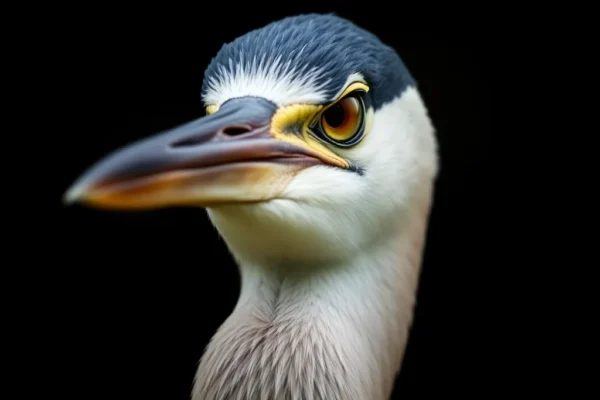
Egret close-up
Egret

SURVIVAL TOOLKIT

Built for Survival

Nature's engineering refined over millions of years

🔬 SURVIVAL TOOLKIT
S-Curved Neck
01

S-Curved Neck

Specialized vertebrae create an S-shaped neck that can be coiled like a spring and released explosively to drive the bill into water at extraordinary speed.

Long Wading Legs
02

Long Wading Legs

Greatly elongated legs allow the bird to wade in deeper water than most shorebirds, accessing prey unavailable to shorter-legged competitors.

Patience Hunting
03

Patience Hunting

Egrets stand motionless for minutes at a time, reducing disturbance to the water surface so fish approach within strike range, a strategy requiring exceptional stillness.

Waterproof Plumage
04

Waterproof Plumage

Dense powder down feathers continuously disintegrate to produce a fine powder that waterproofs the plumage, keeping the bird dry while wading.

Shade Canopy Feeding
05

Shade Canopy Feeding

Egrets extend their wings over the water to create shade, attracting light-seeking fish to the shadow while simultaneously reducing surface glare for the hunting bird.

Snow-White Sentinel of Wetlands. An extraordinary creature that reminds us what we stand to lose.

Jungal Safari · Wildlife Network
💡

Did You Know?

Great egrets were hunted so intensively for their aigrette plumes in the 1880s–1900s that a pound of feathers sold for twice the price of gold, driving species to near-extinction across their range.

🍖 DIET: CARNIVORE

What Does the Egret Eat?

🐟
Fish
🐸
Frogs & Tadpoles
🦎
Small Reptiles
🦐
Crayfish & Shrimp
🐭
Small Rodents
🗺️ GEOGRAPHIC RANGE

Where Do Egrets Live?

🌍
Continents
📈
Population Trend Increasing

Conservation in Action

How You Can Help the Egret

Small actions, taken together, can reverse the decline of species like this one

🌳
Protect Habitat

Support wildlife reserves and protected land corridors

🚫
Stop Poaching

Report illegal trade and back anti-poaching patrols

🔬
Fund Research

Camera-trap studies and population monitoring

🤝
Community Work

Partner with local herders to reduce conflict

📢
Raise Awareness

Educate and inspire future wildlife champions

"Without urgent action, the Egret could disappear from the wild within our lifetime."

PROTECT THEM. PRESERVE THEIR LEGACY.

The Egret's Future
Is In Our Hands

Every share, every donation, every voice raised — makes a difference for wildlife conservation.

🌳Protect Habitat
📢Raise Awareness
💰Fund Research
🤝Community Work
🚫Stop Poaching

"Protect Wildlife. Preserve Our Planet."

Every species matters. Every action counts.

Advertisement