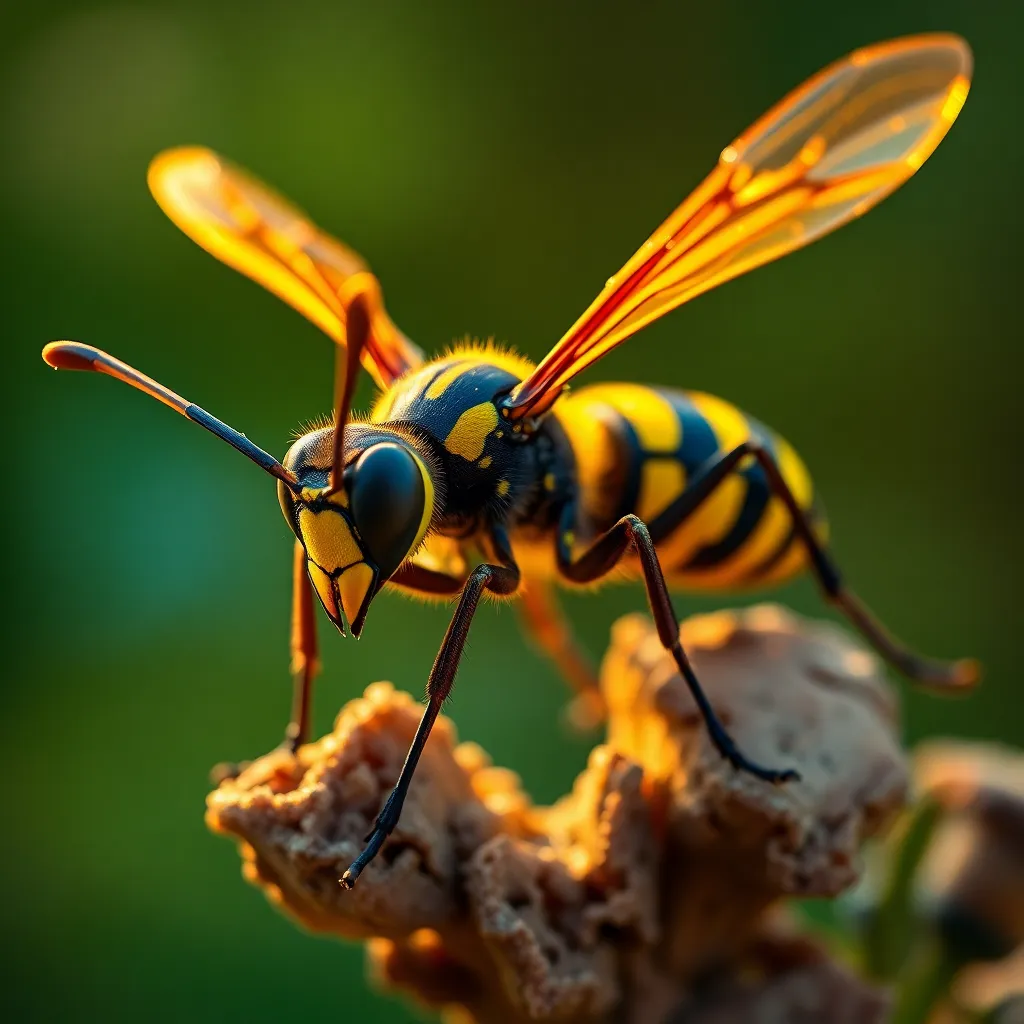
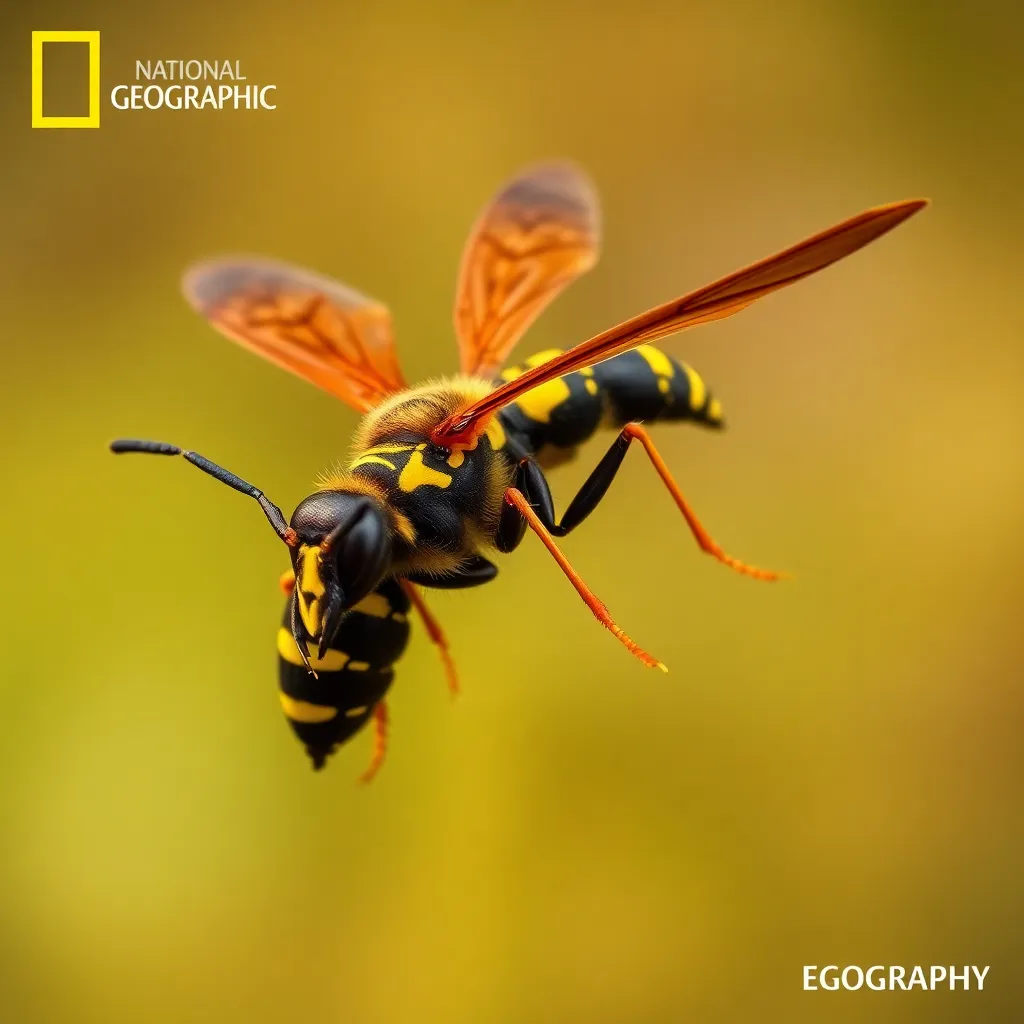
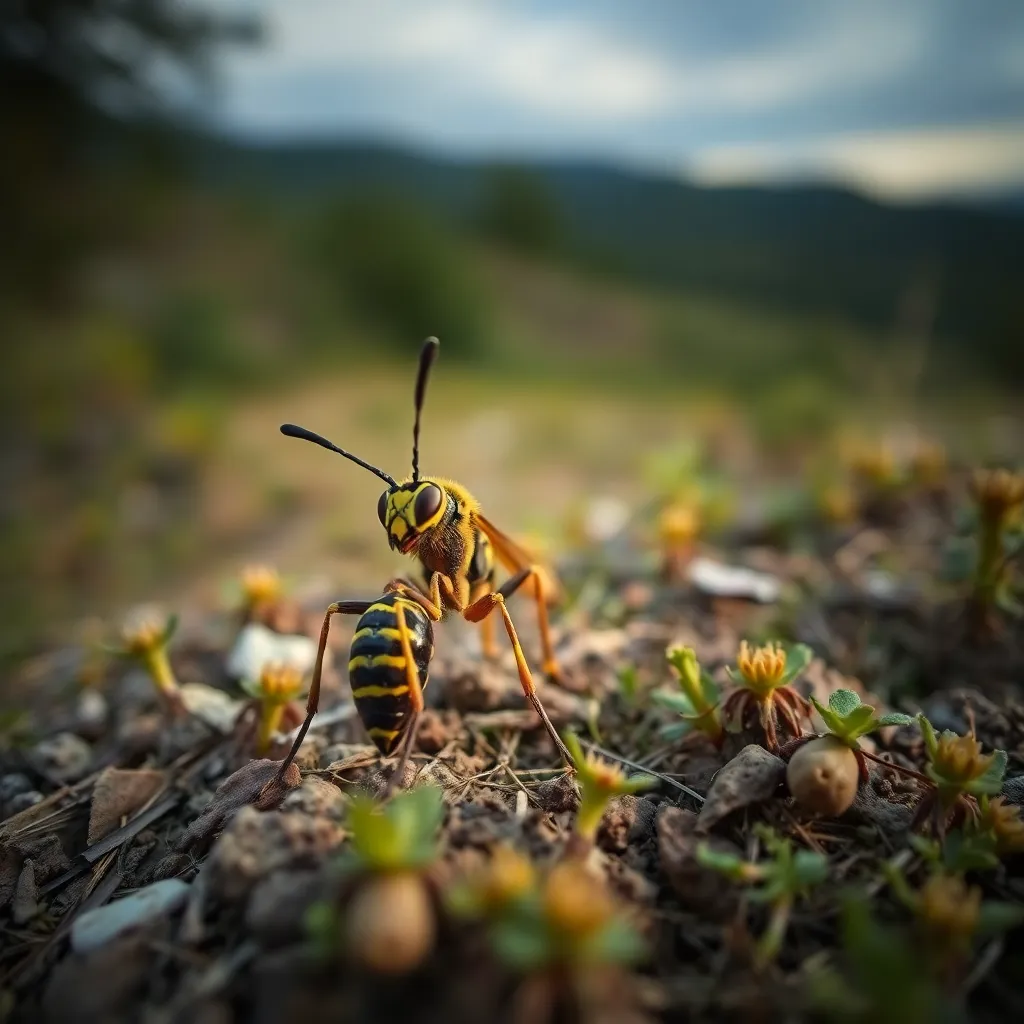
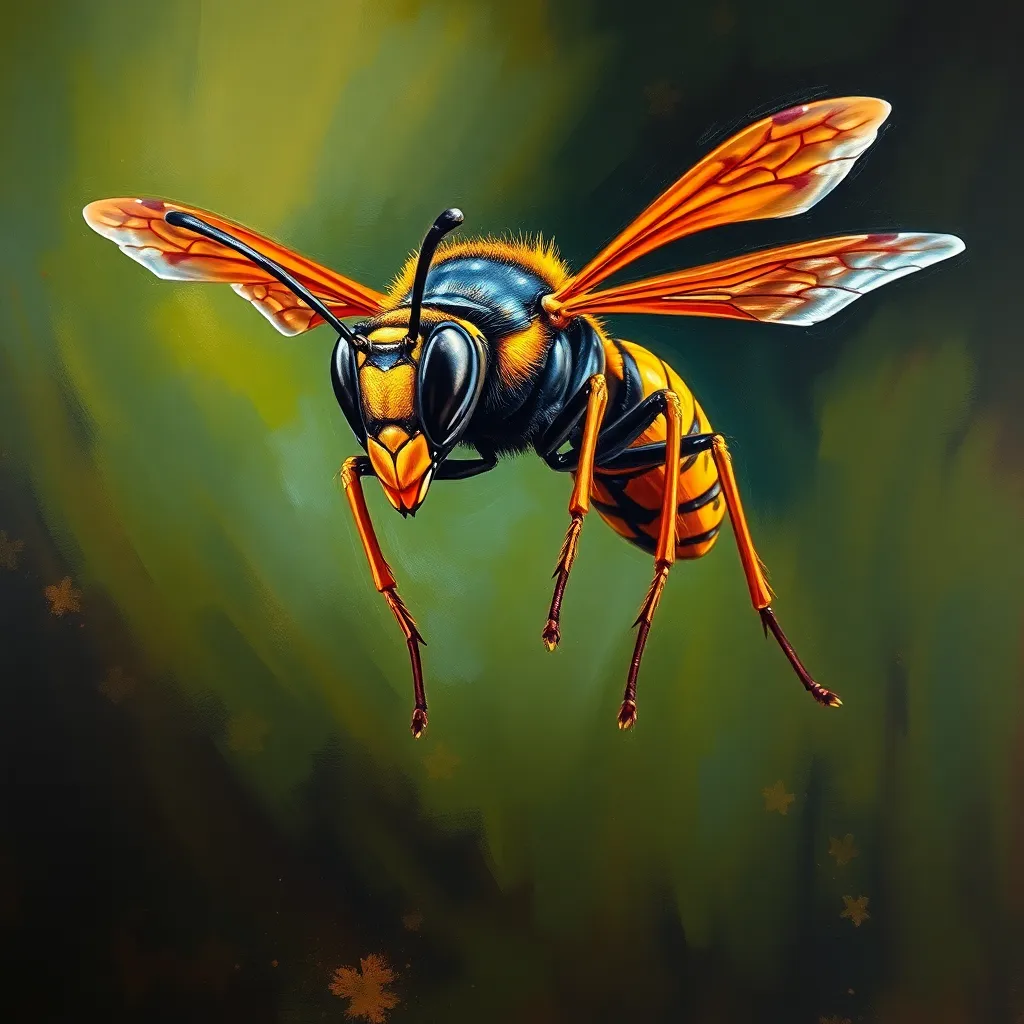
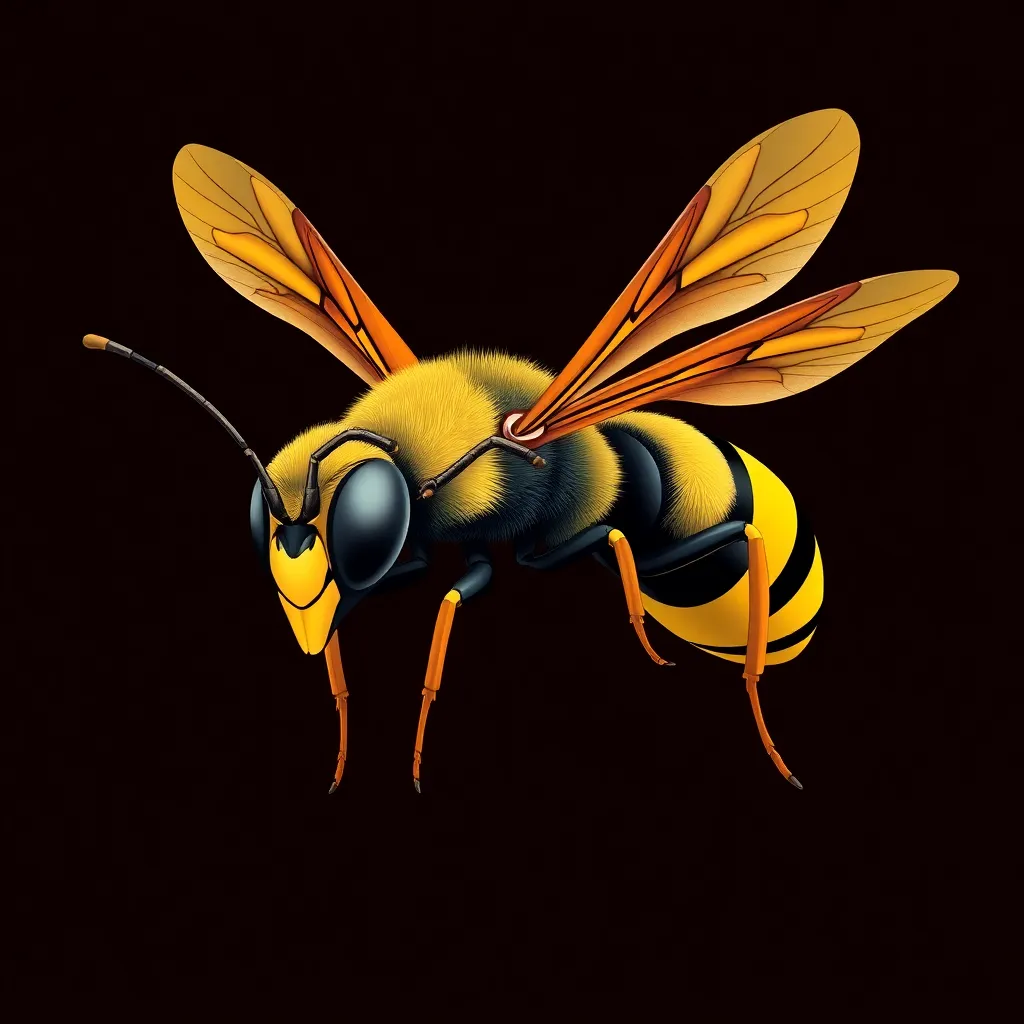
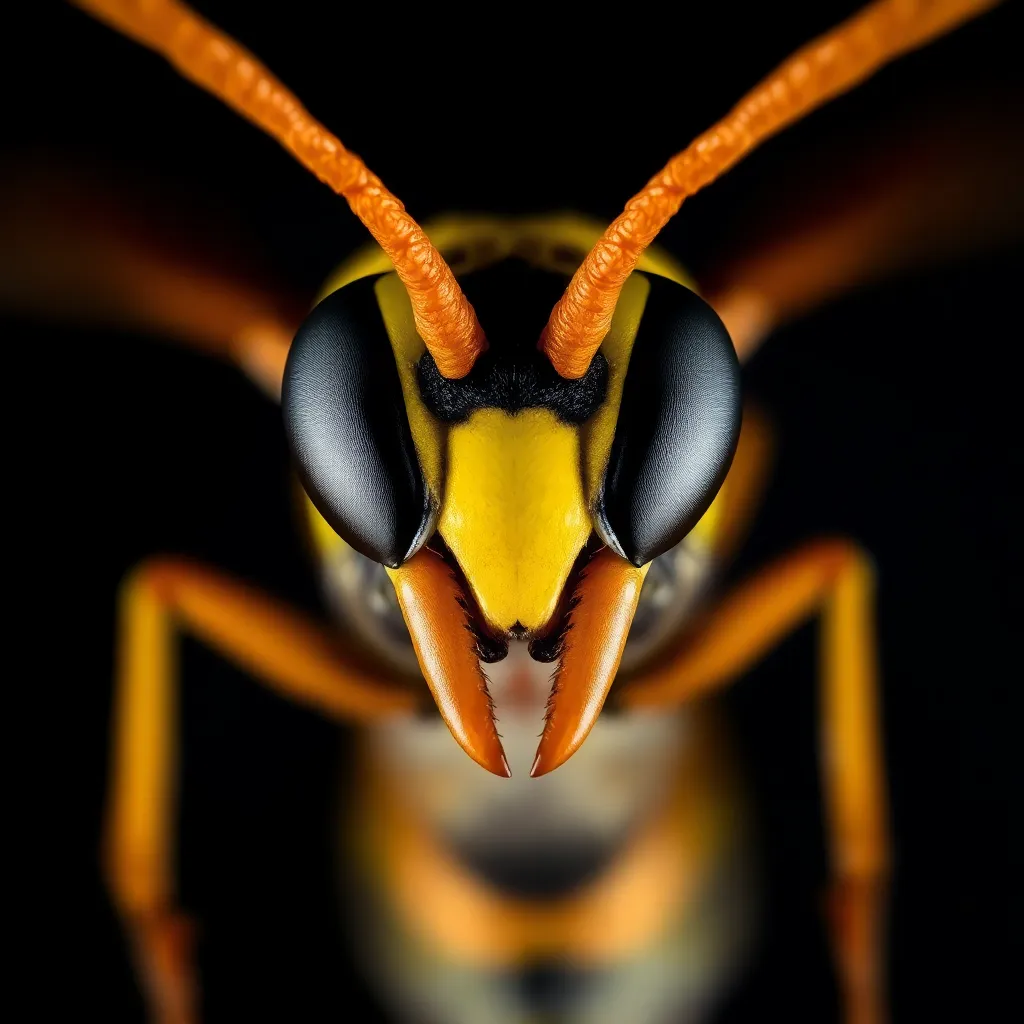
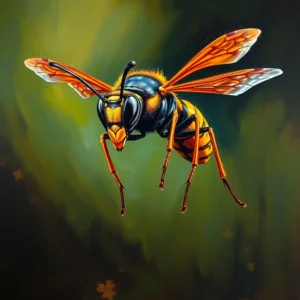
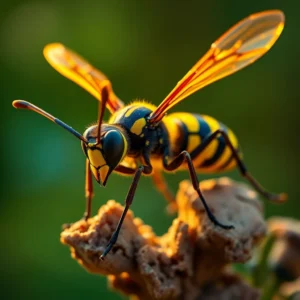
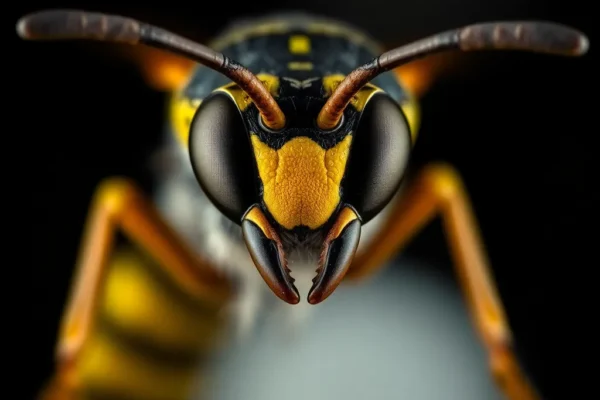
The European hornet is the largest eusocial wasp in Europe and a highly effective predator of large insects, playing an important role in forest ecosystems as a biological control agent. Unlike the invasive Asian giant hornet, European hornets rarely sting without provocation and are far less aggressive than smaller wasp species. A single colony of up to 700 workers can consume several kilograms of insects over a summer — including many agricultural pests.
About the Hornet
Vespa crabro
Advertisement
⚡ Speed Comparison
📸 Photo Gallery
💡 Fun Facts
01
European hornets are actually less aggressive than common wasps and will rarely sting unless the nest is directly threatened.
02
Hornets chew bark from young trees to collect wood pulp for nest paper, sometimes causing visible damage to garden shrubs.
03
The queen is the only member of the colony to survive winter, hibernating and founding a new colony entirely alone each spring.
04
Hornets are nocturnal hunters that are attracted to artificial lights — the only wasp in Europe regularly active after dark.
05
A hornet's venom delivers about 5x less venom per sting than a bee, but the sting is more painful due to acetylcholine content.
📍 Where to Find This Animal
Habitat Types:
Deciduous Forest, Gardens
🛒 Hornet Related Gear
As an Amazon Associate we earn from qualifying purchases.

Join the Conversation
Share your thoughts about the Hornet