The horseshoe crab is one of Earth’s oldest animal lineages, virtually unchanged for 450 million years. Despite its name, it is more closely related to spiders and scorpions than true crabs. Its blue, copper-based blood contains Limulus Amebocyte Lysate (LAL), a compound uniquely sensitive to bacterial endotoxins and essential to testing the safety of all injectable medicines worldwide.
About the Horseshoe Crab
Limulus polyphemus
Advertisement
⚡ Speed Comparison
📸 Photo Gallery
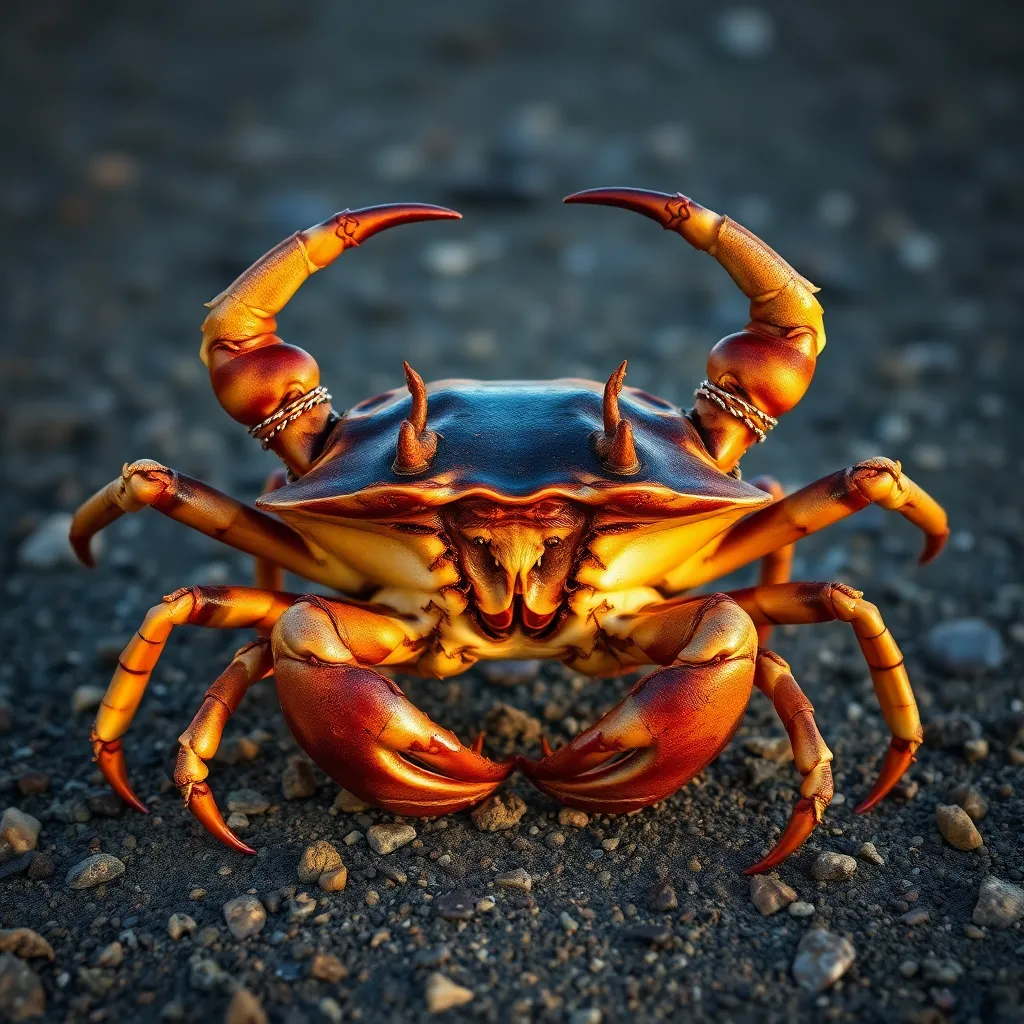
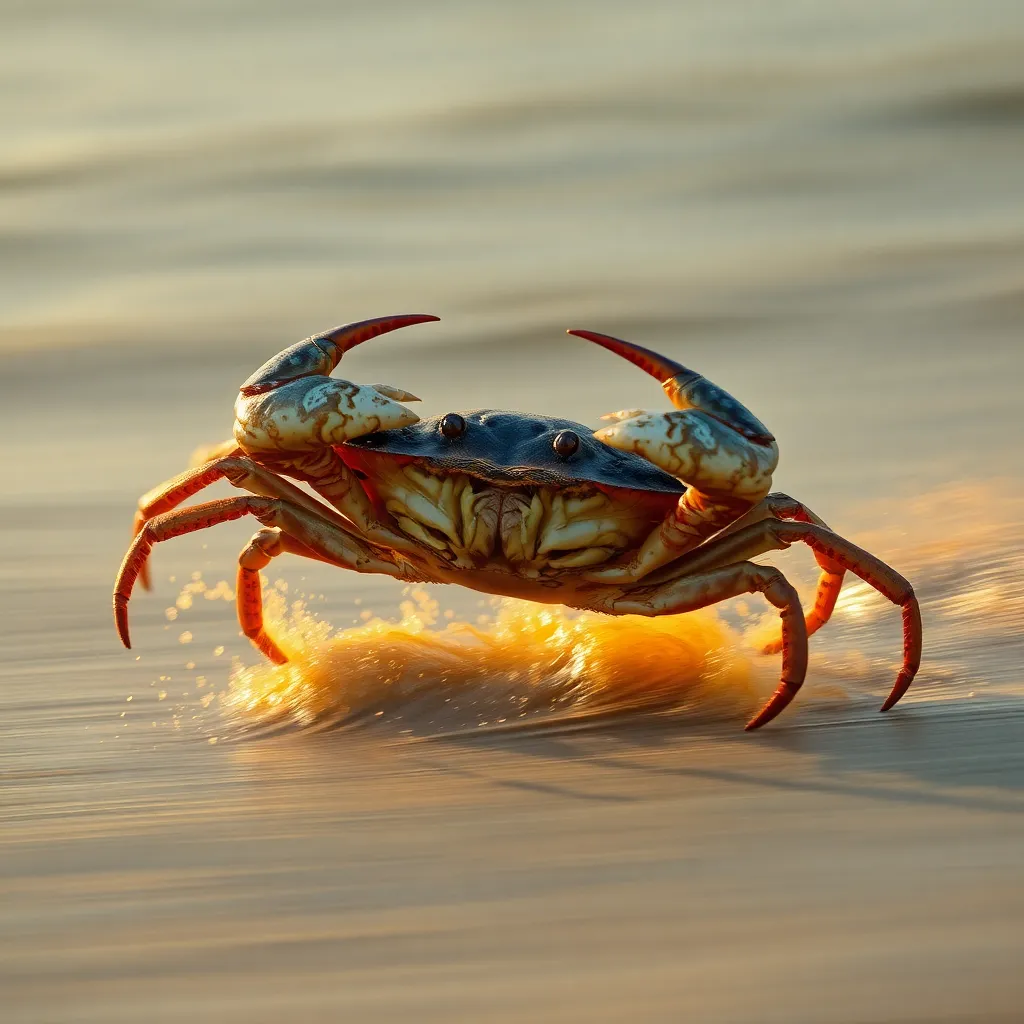
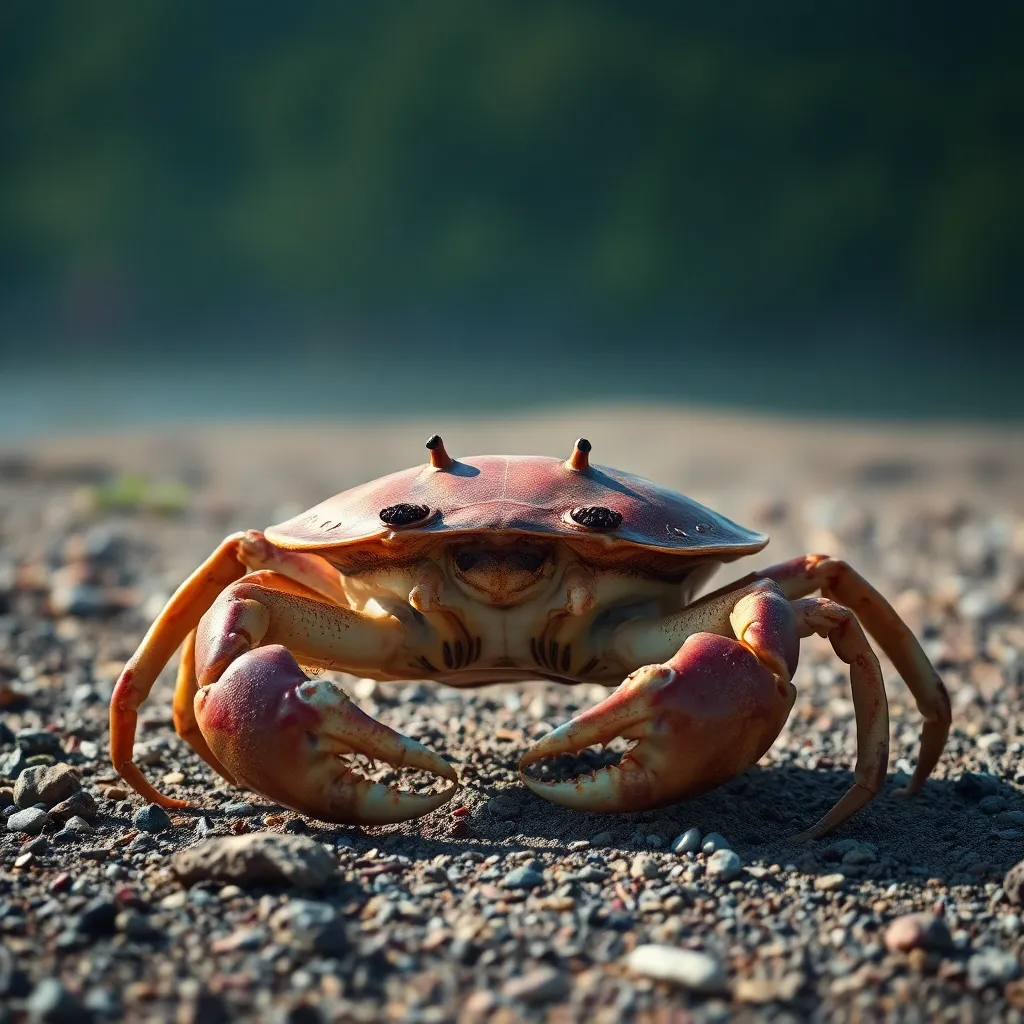
💡 Fun Facts
01
Horseshoe crab blood is bright blue due to copper-based hemocyanin rather than iron-based hemoglobin.
02
LAL extracted from horseshoe crab blood is used to test every vaccine, drug, and medical device approved for human use.
03
They have ten eyes, including two large compound eyes and eight smaller light-sensing organs.
04
During full moon high tides in spring, thousands of horseshoe crabs come ashore simultaneously to spawn in one of nature's great spectacles.
05
Their telson (tail spike) is not a weapon — horseshoe crabs use it to right themselves if flipped upside down.
📍 Where to Find This Animal
Habitat Types:
Coastal Ocean
🛒 Horseshoe Crab Related Gear
As an Amazon Associate we earn from qualifying purchases.
Join the Conversation
Share your thoughts about the Horseshoe Crab