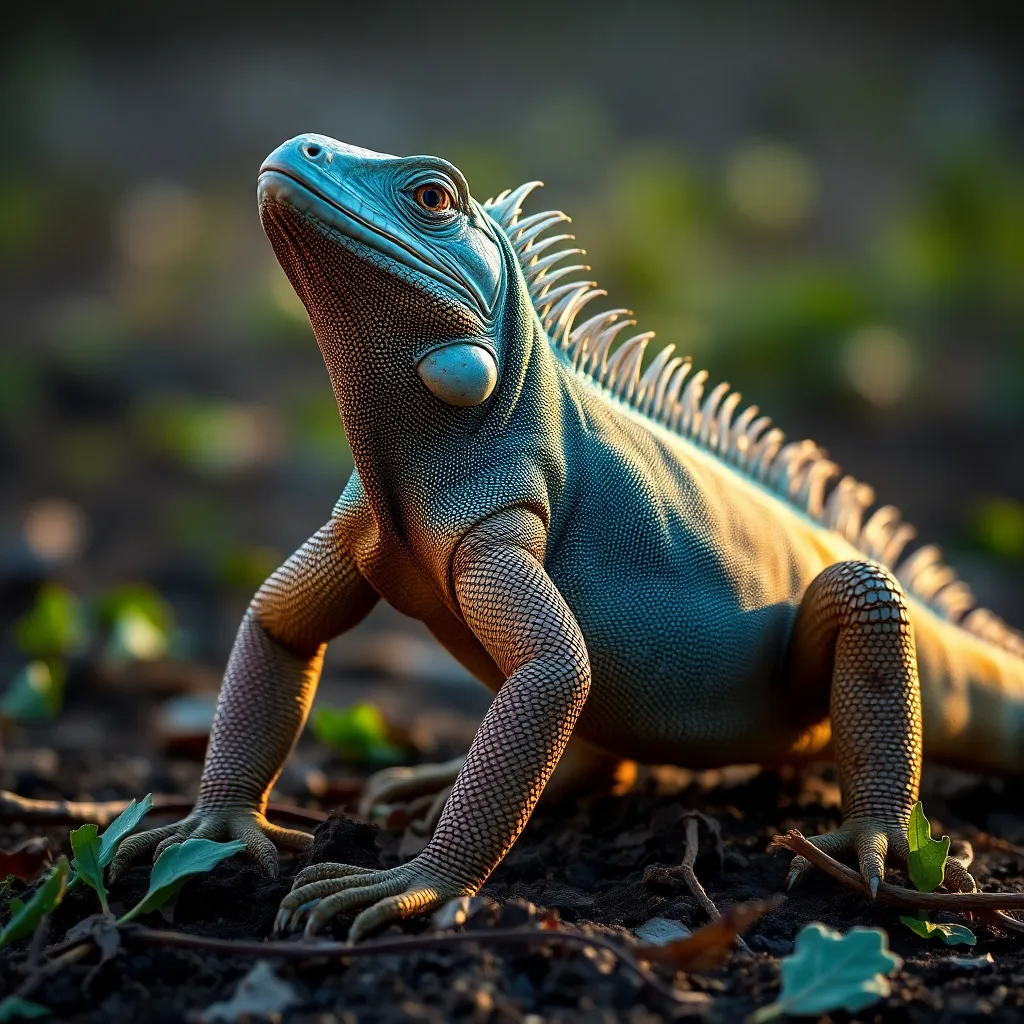
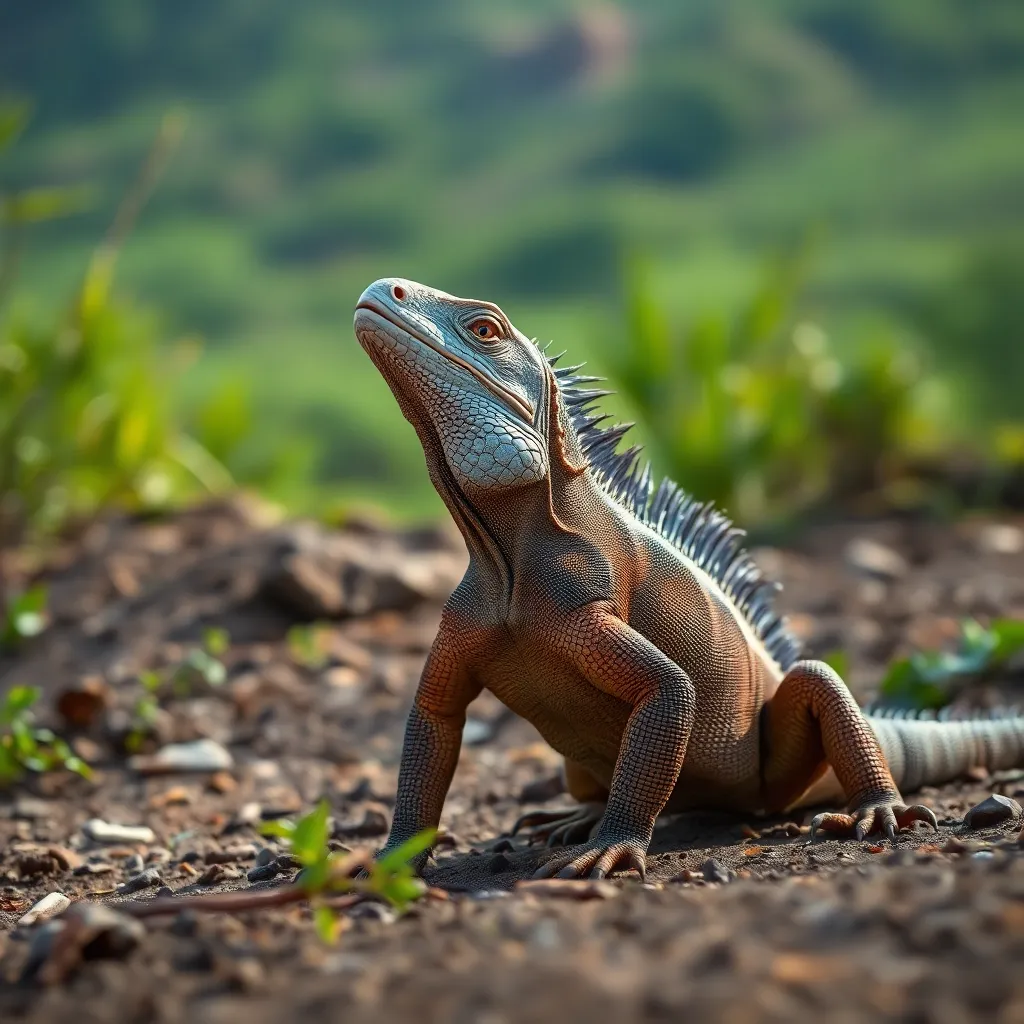
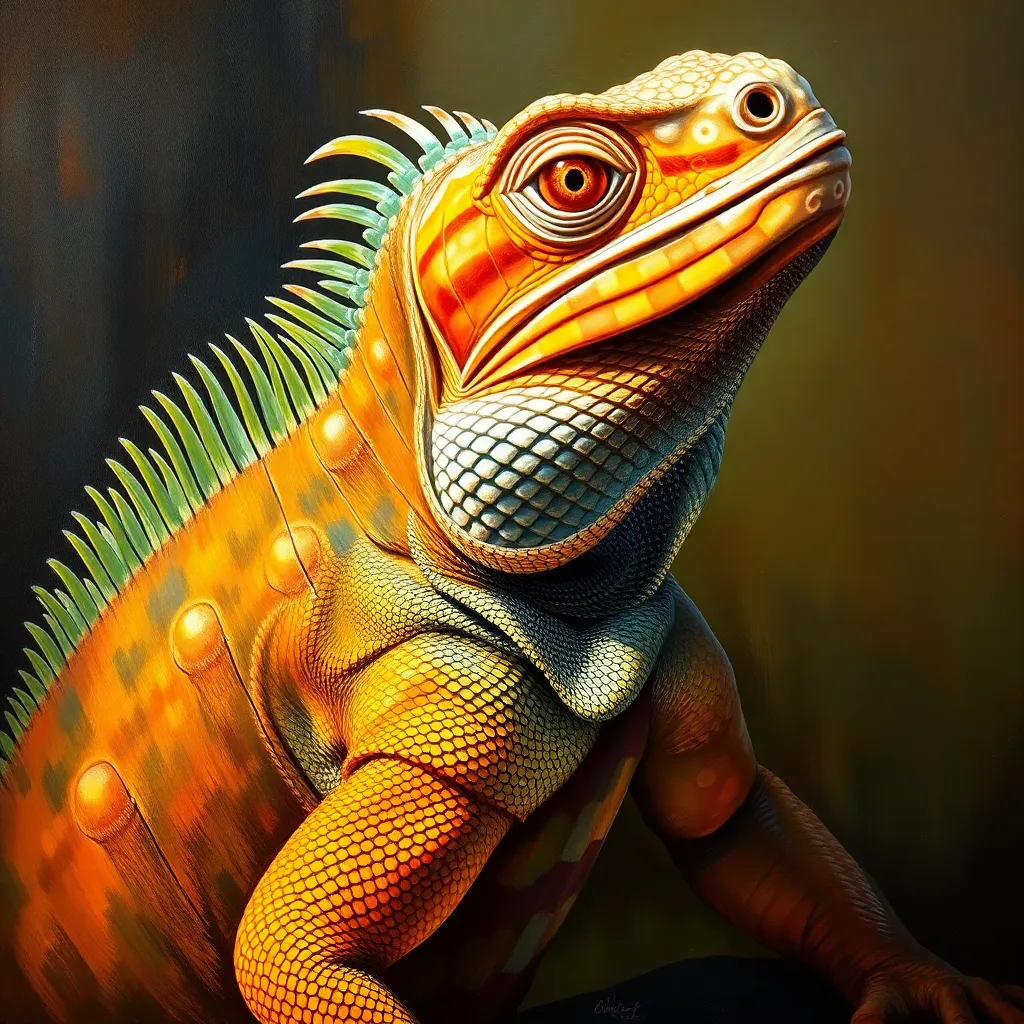
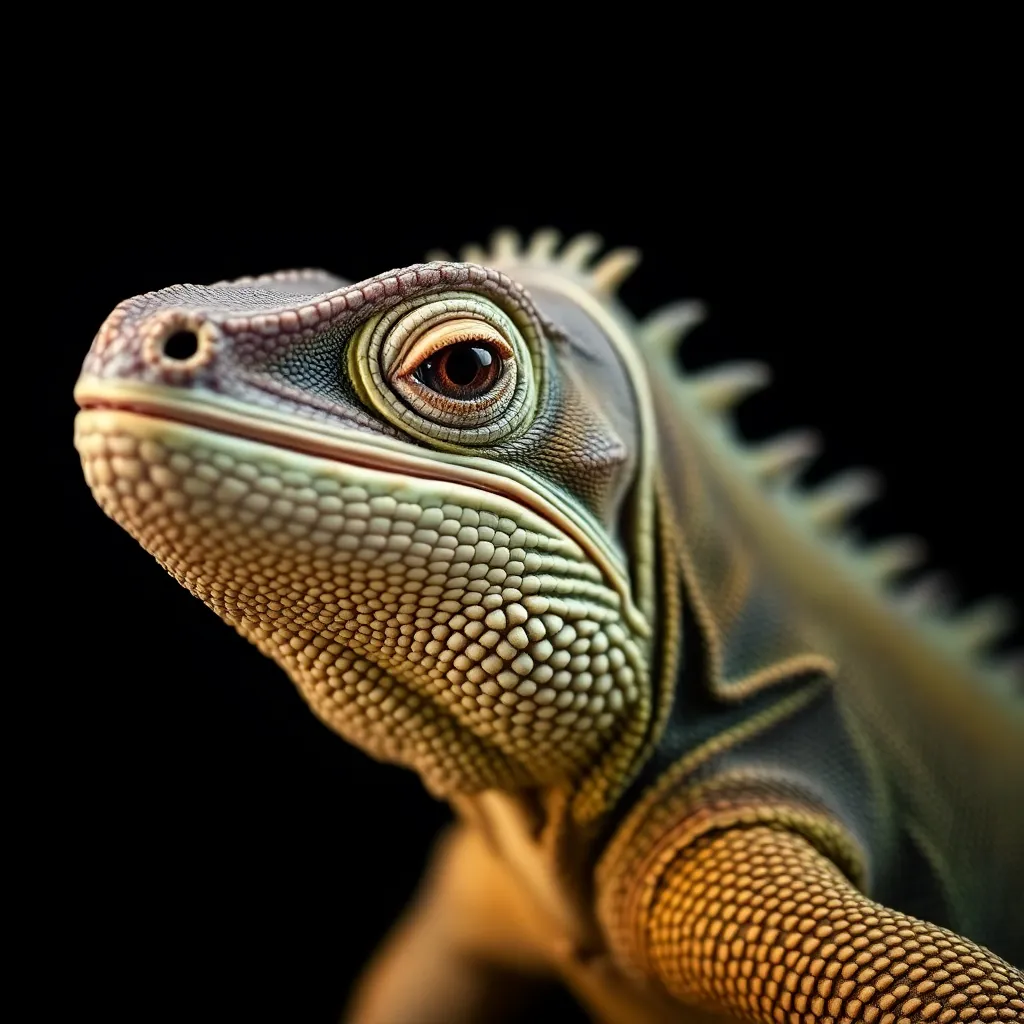
The green iguana is the largest lizard of the Americas and a magnificent arboreal herbivore that spends most of its life high in the forest canopy of Central and South American rainforests. Despite the name, adults can range from vivid orange to brown to black depending on age, health, and geographic origin. They are powerful swimmers, capable of dropping from trees up to 15 meters high into rivers below without injury, and are among the few lizards that are strictly herbivorous as adults.
About the Iguana
Iguana iguana
Advertisement
⚡ Speed Comparison
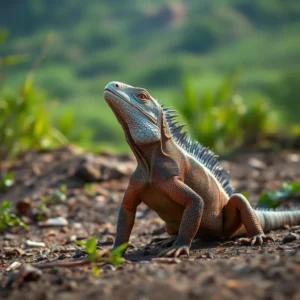
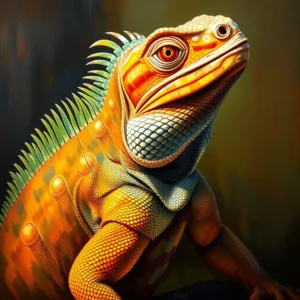
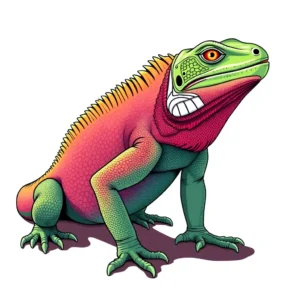
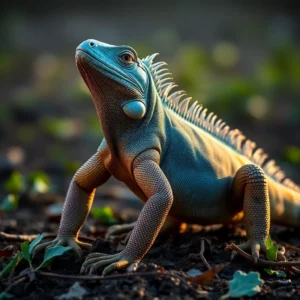
📸 Photo Gallery
💡 Fun Facts
01
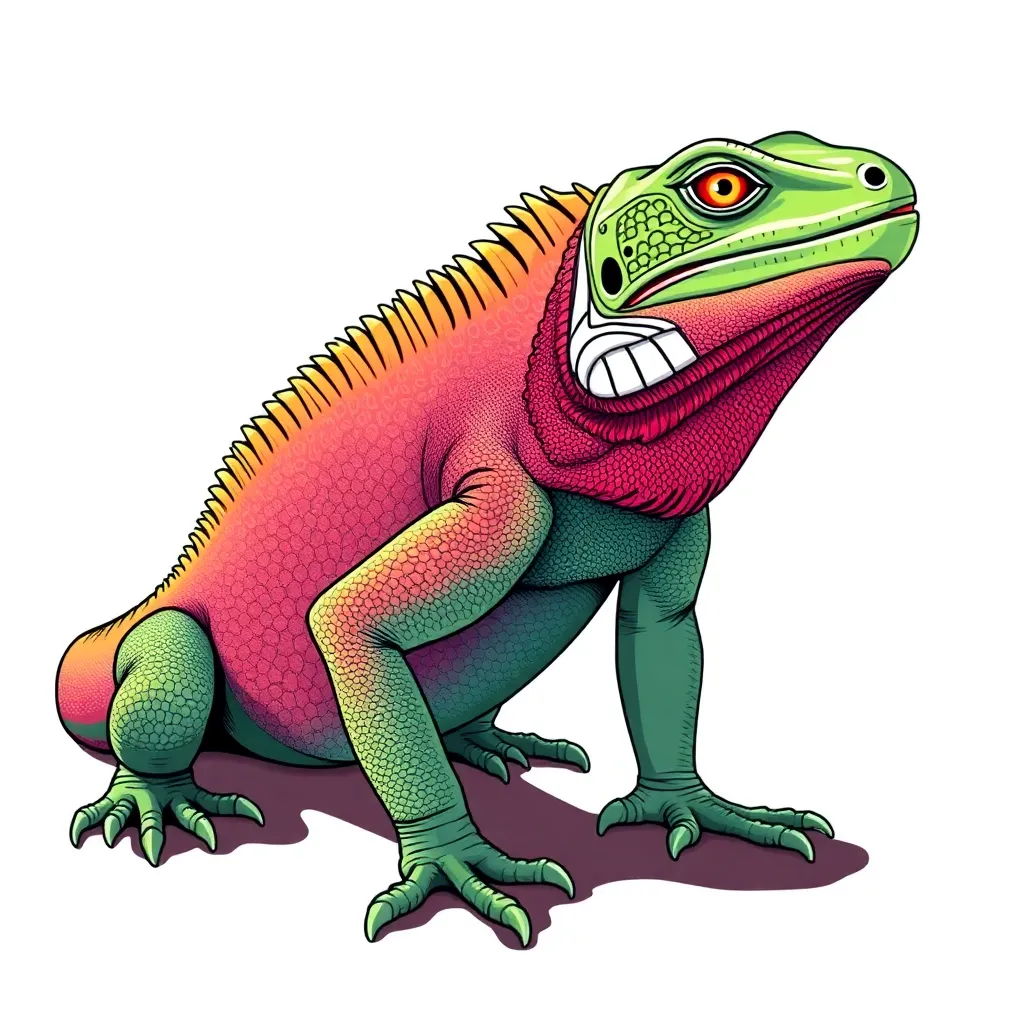
Green iguanas fall from trees up to 15 meters high into water or onto forest ground as an escape strategy, and land completely unharmed due to a flexible spine and strong limbs.
02
They have a 'third eye' — the parietal eye on top of the skull — which detects changes in light and shadow to warn of aerial predators approaching from above.
03
Iguanas communicate with head-bobbing sequences — different speeds and patterns convey specific messages from territorial challenges to courtship.
04
Male iguanas develop vivid orange coloration during breeding season and inflate their dewlap to appear larger to rivals and attractive to females.
05
Green iguanas are considered an invasive species in Florida, where escaped pets now number over 1 million and cause significant damage to native vegetation.
📍 Where to Find This Animal
Habitat Types:
Tropical Rainforest
🛒 Iguana Related Gear
As an Amazon Associate we earn from qualifying purchases.
Join the Conversation
Share your thoughts about the Iguana