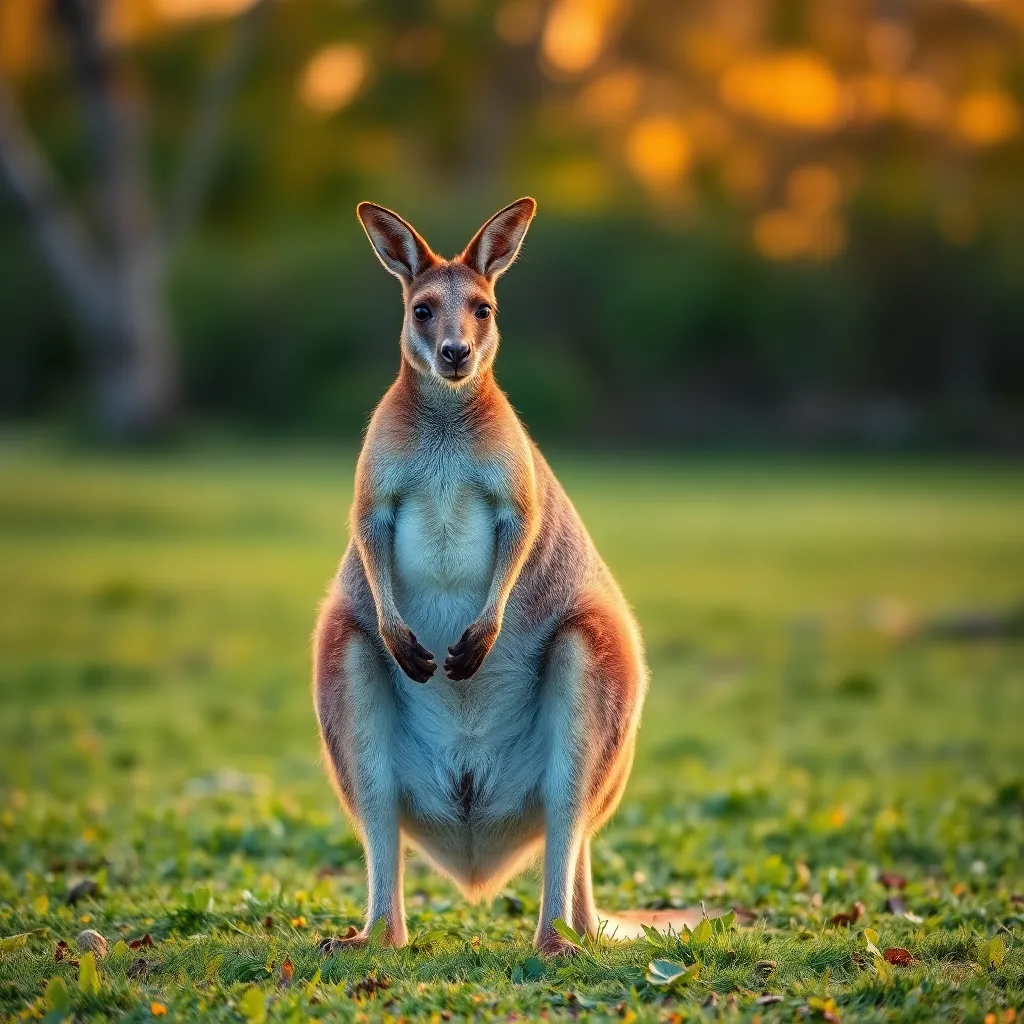
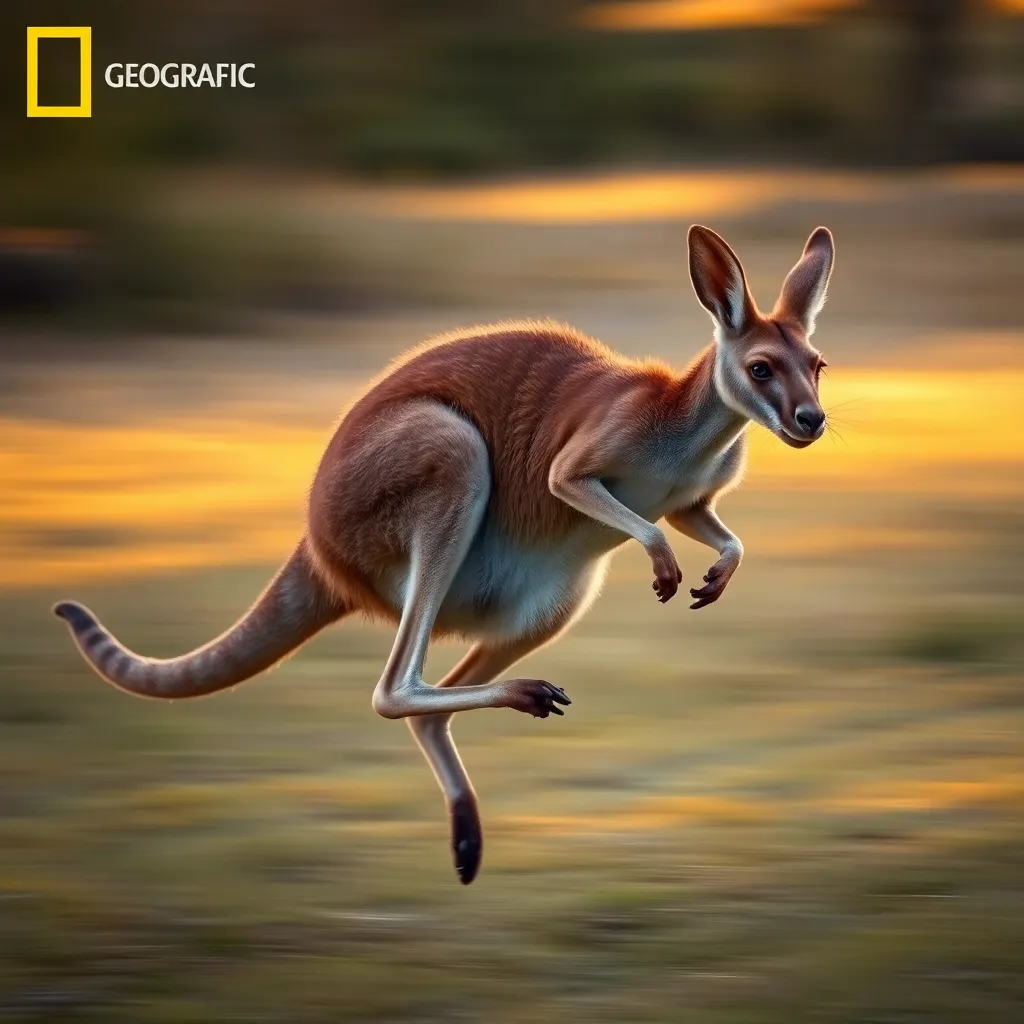
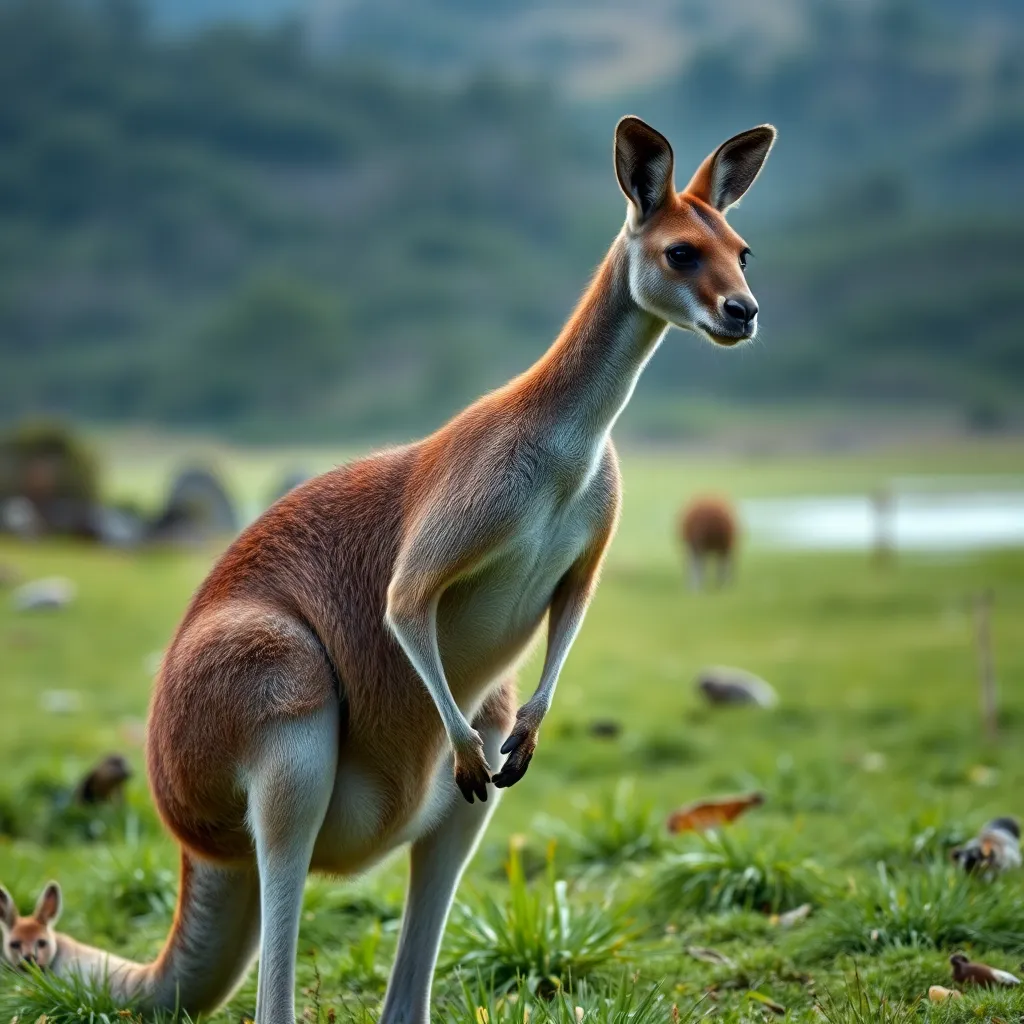
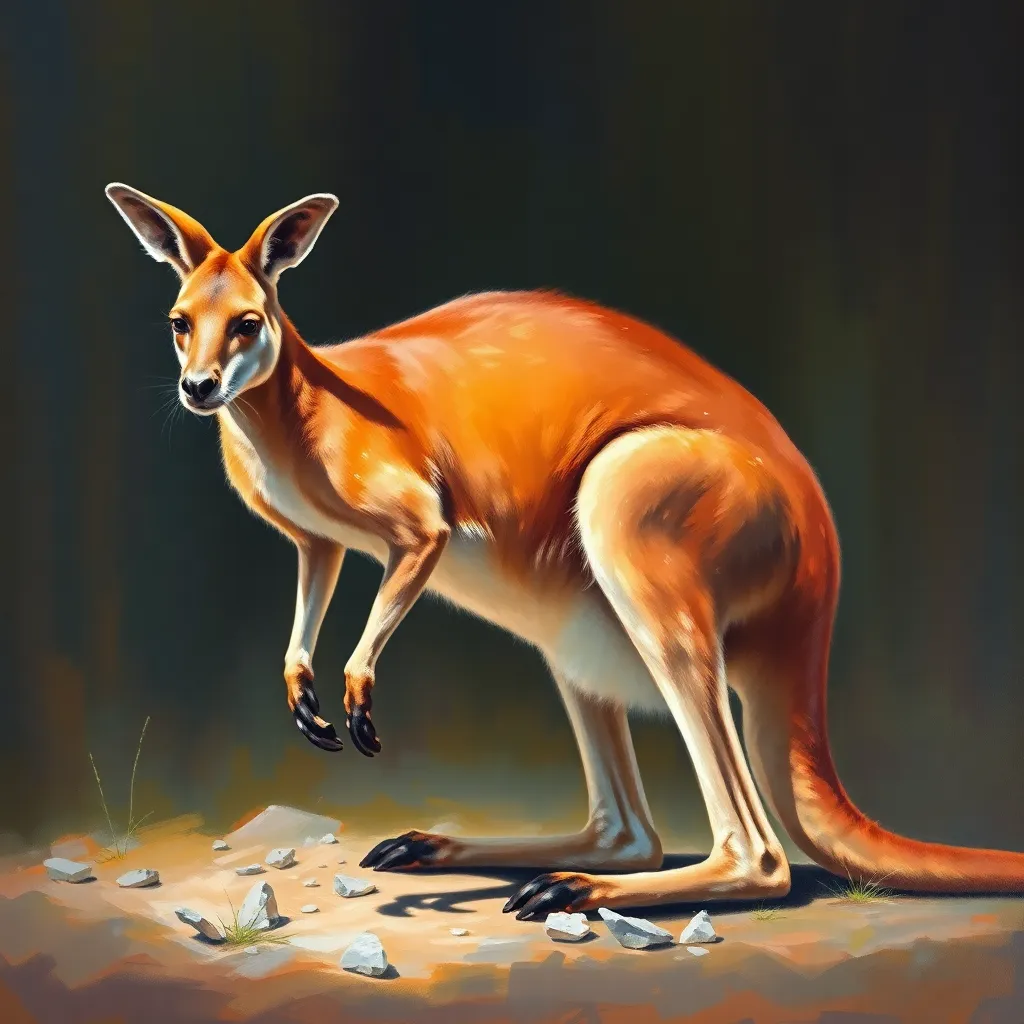
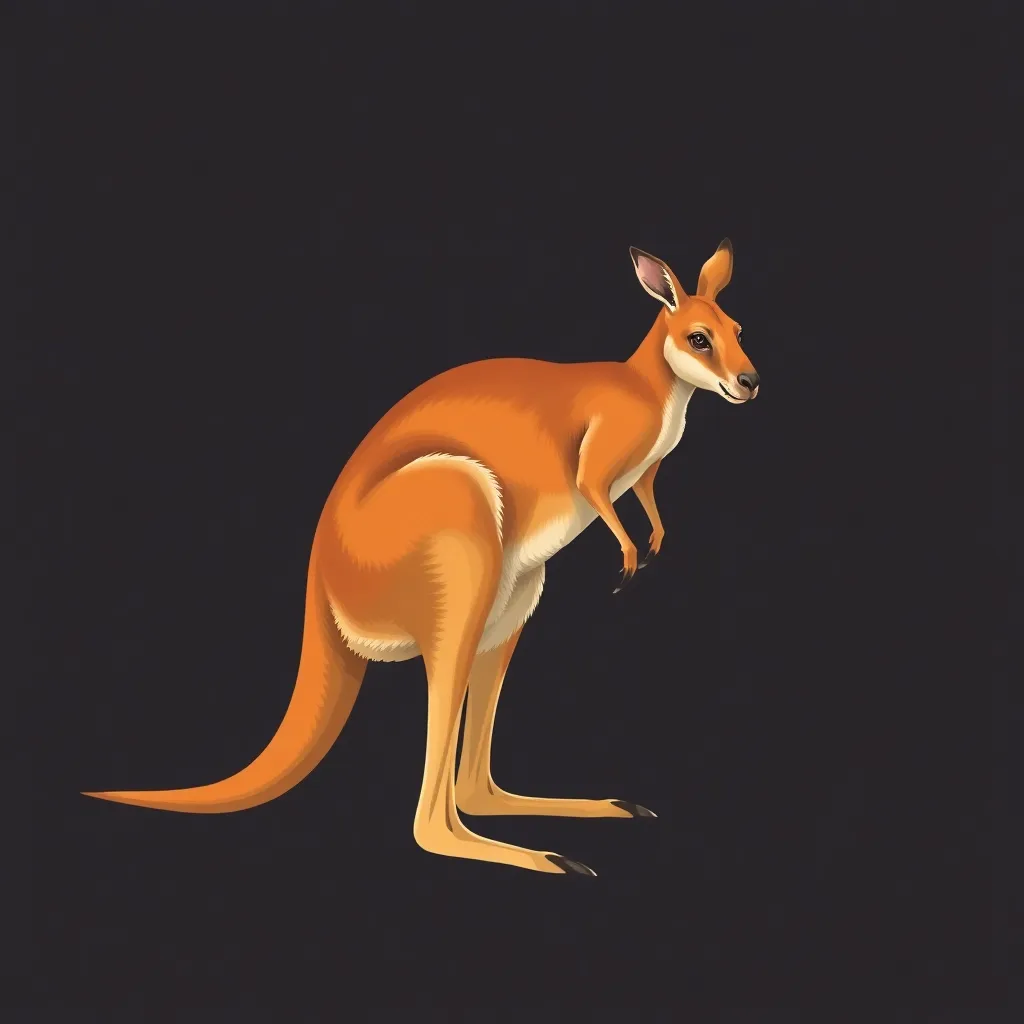
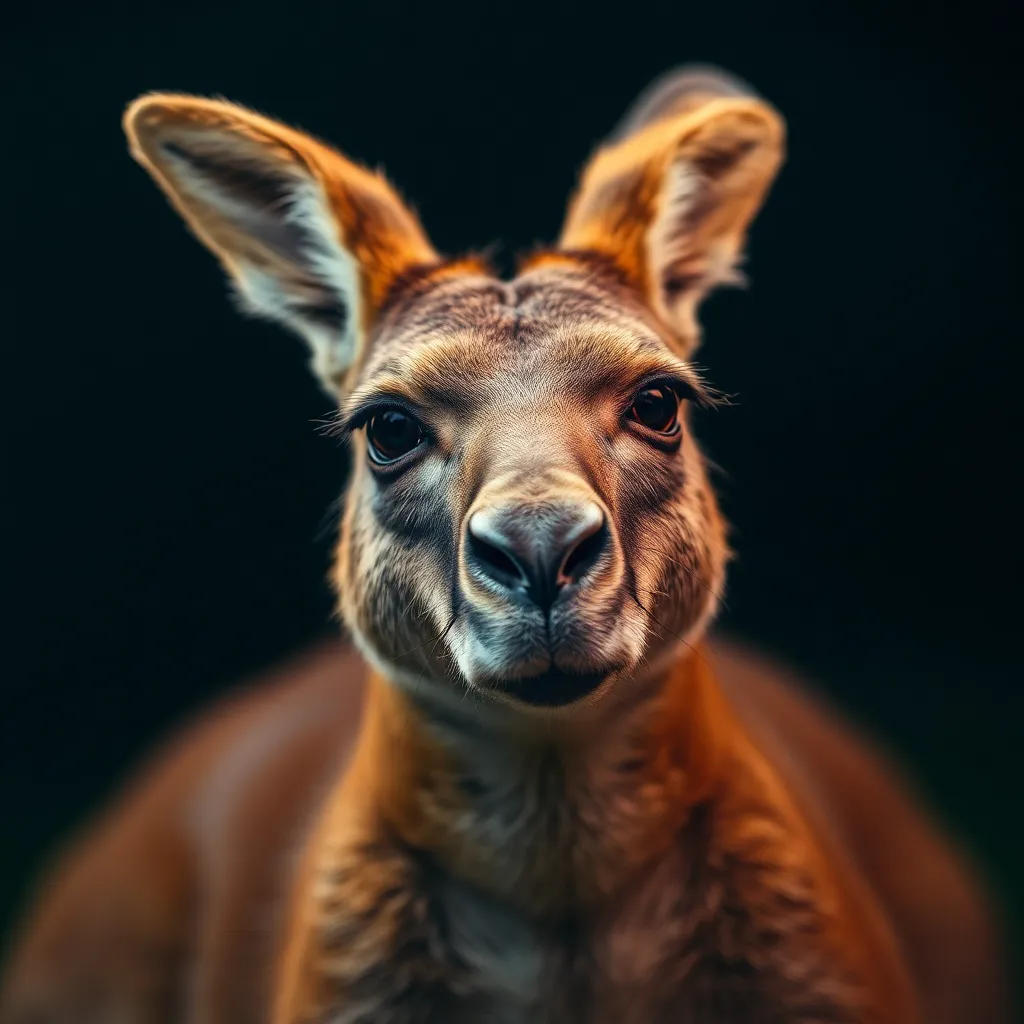
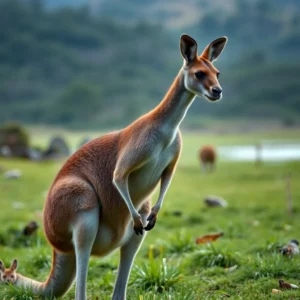
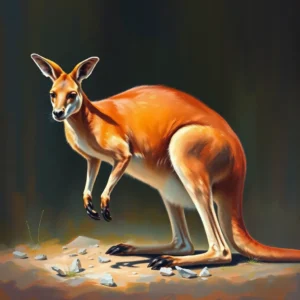
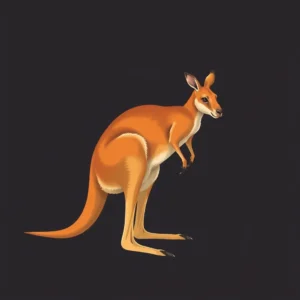
The red kangaroo is the largest marsupial and the largest native land animal in Australia, perfectly adapted to the arid interior of the continent. Their signature bounding locomotion is one of nature’s most energy-efficient gaits — unlike most mammals, red kangaroos use less energy at higher speeds because the elastic tendons in their legs act like springs, recycling kinetic energy with each stride. Joeys are born tiny and undeveloped, weighing just one gram, and complete their development inside the mother’s pouch over eight months.
About the Kangaroo
Macropus rufus
Advertisement
⚡ Speed Comparison
📸 Photo Gallery
💡 Fun Facts
01
A red kangaroo's tendons store elastic energy as they land and release it on the next hop — at 20 km/h they use less energy than walking, making them the most energetically efficient large mammal.
02
Female red kangaroos can pause a fertilised embryo in dormancy (embryonic diapause) until the pouch joey vacates, allowing near-continuous breeding.
03
Kangaroos cannot hop backwards, a fact that makes them a symbol of forward progress on the Australian coat of arms.
04
Male red kangaroos ('boomers') box rivals using their forelimbs and can deliver a disembowelling kick with powerful hind legs that can kill a dog.
05
Red kangaroos can survive without drinking water for months, extracting all the moisture they need from fresh green vegetation.
📍 Where to Find This Animal
Habitat Types:
Desert Grasslands
🛒 Kangaroo Related Gear
As an Amazon Associate we earn from qualifying purchases.
Join the Conversation
Share your thoughts about the Kangaroo