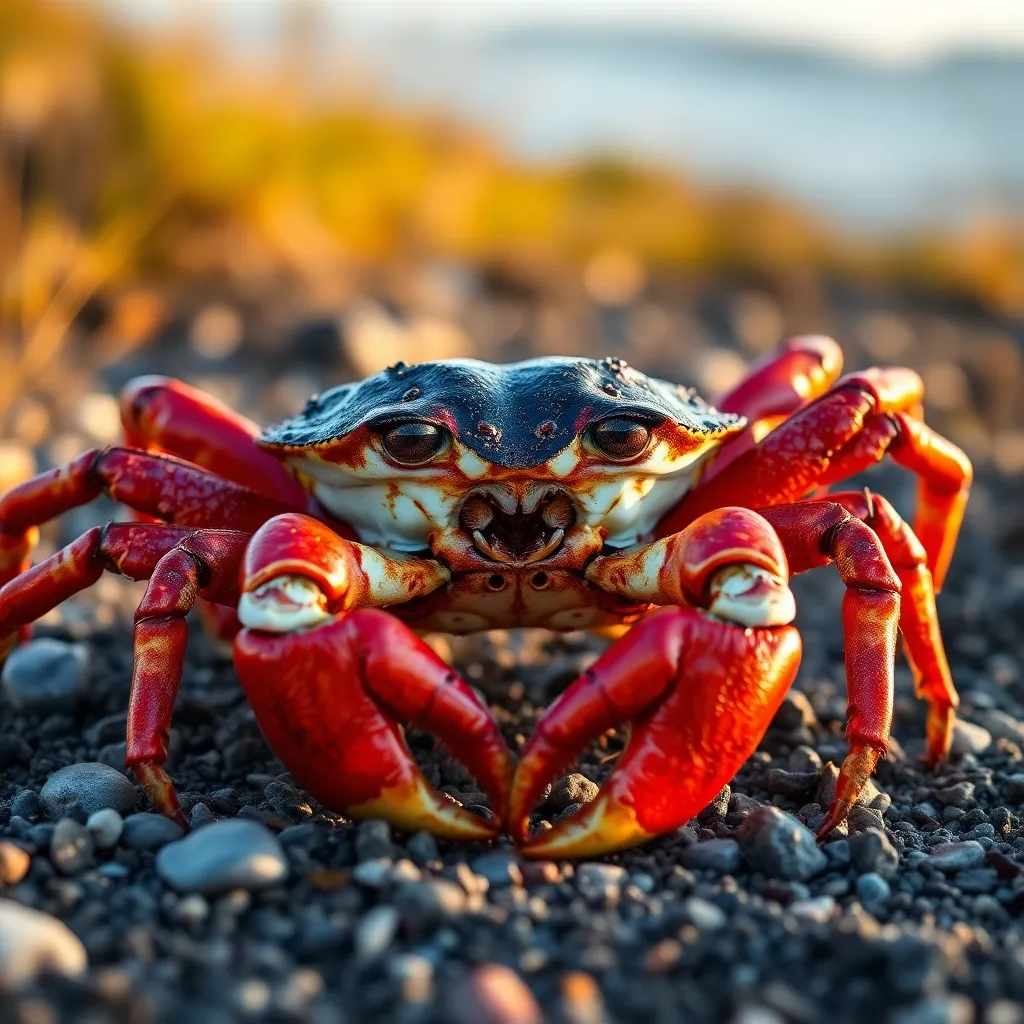
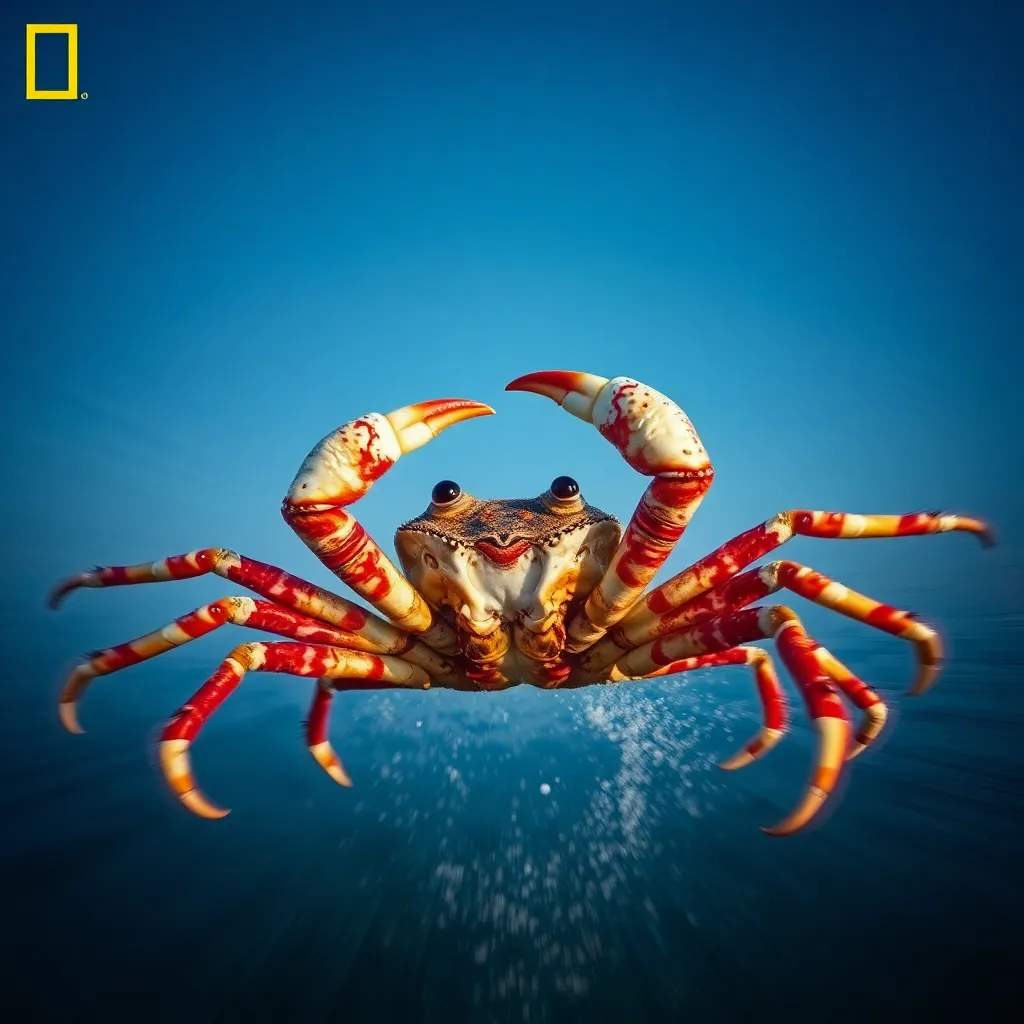
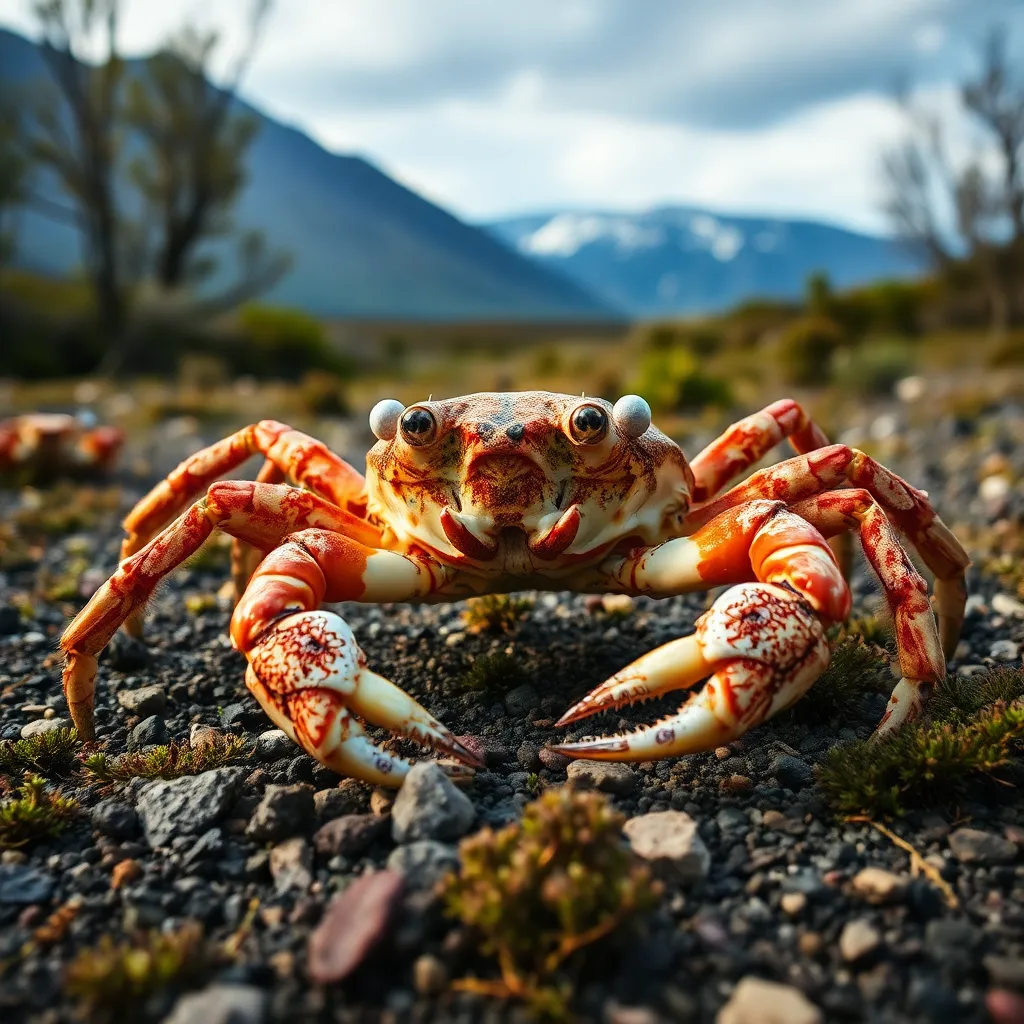
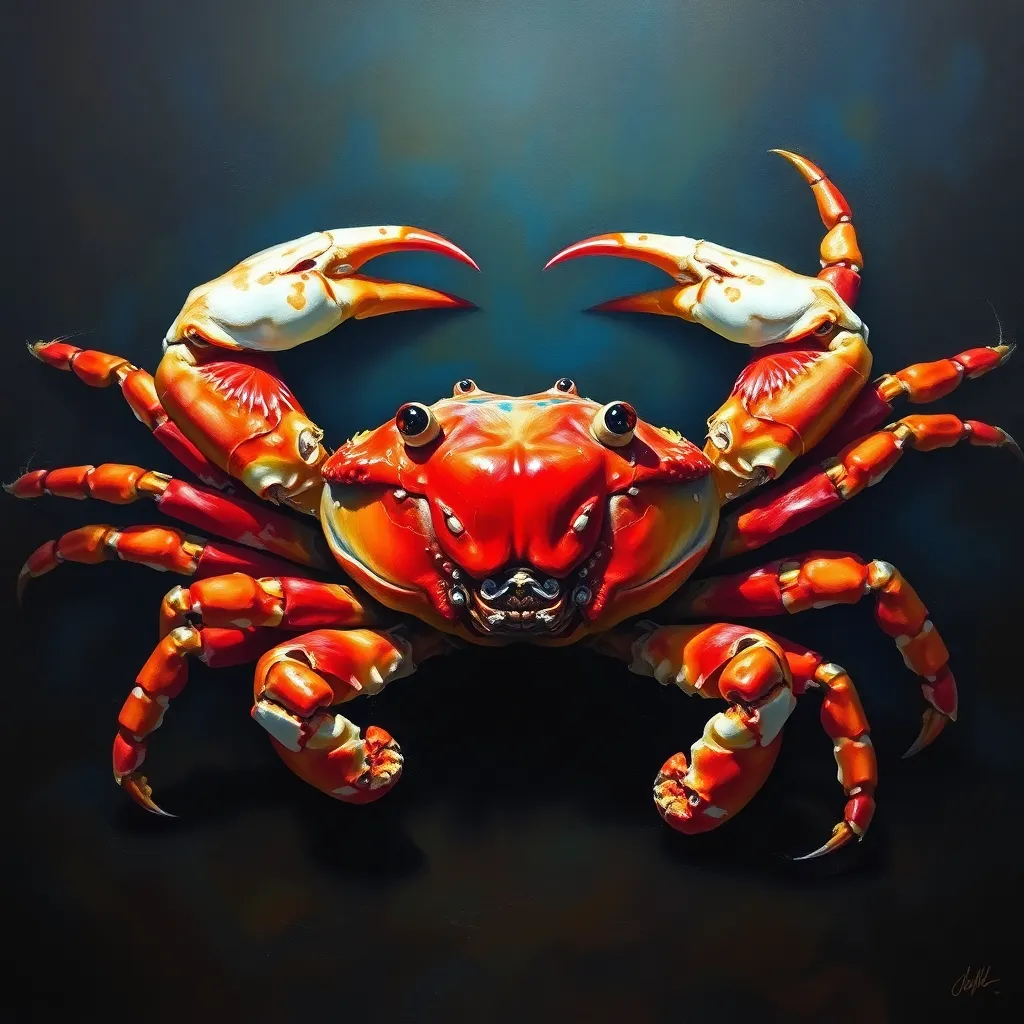
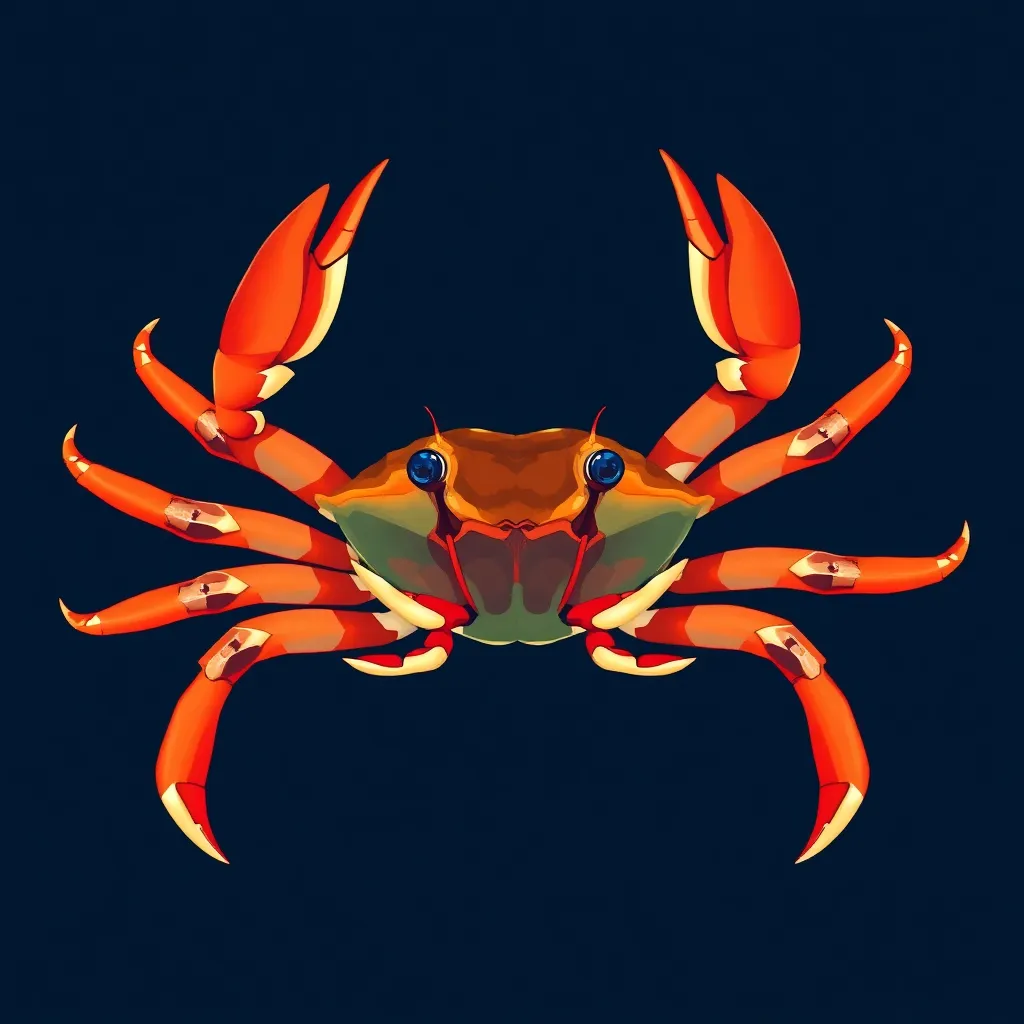
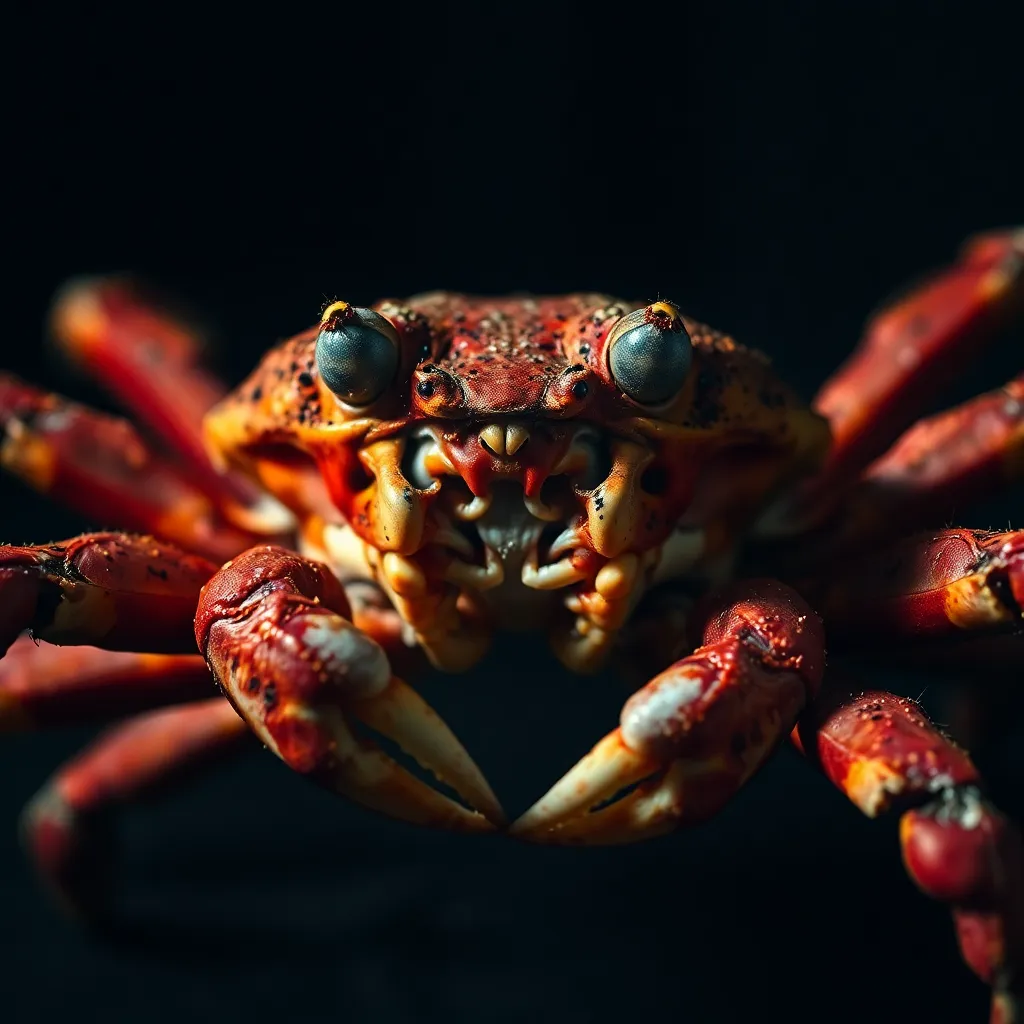
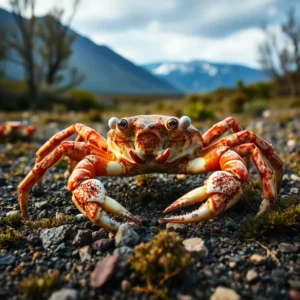
The red king crab is the largest commercially harvested crab in the world, with a leg span reaching nearly 1.8 metres and a weight exceeding 12 kg. Found in the cold, nutrient-rich waters of the Bering Sea and North Pacific, king crabs are celebrated both as apex benthic scavengers and as one of the most economically valuable fishery species on Earth. They undertake impressive seasonal migrations, moving from shallow waters during breeding to deep water in winter, and are famous for aggregating in enormous pods of thousands of animals that trudge collectively across the seafloor.
About the King Crab
Paralithodes camtschaticus
Advertisement
⚡ Speed Comparison
📸 Photo Gallery
💡 Fun Facts
01
Red king crabs are not true crabs — they are more closely related to hermit crabs than to swimming crabs, belonging to a group called Anomura that convergently evolved a crab-like body form.
02
King crabs have three functional walking legs per side — not four — with the fourth pair greatly reduced and folded under the carapace in females to hold eggs.
03
A female red king crab carries 150,000–400,000 eggs attached to her abdominal appendages for up to 12 months before releasing larvae into the plankton.
04
Fishing for king crab in the Bering Sea is widely considered the most dangerous peacetime occupation in the world, with mortality rates among fishermen far exceeding all other professions.
05
King crab blood is blue — it uses copper-based haemocyanin rather than iron-based haemoglobin to transport oxygen, which turns bright blue when oxygenated.
📍 Where to Find This Animal
Habitat Types:
Cold Subtidal Ocean Floor
🛒 King Crab Related Gear
As an Amazon Associate we earn from qualifying purchases.
Join the Conversation
Share your thoughts about the King Crab