Loading Wildlife…

Procyonidae LC

THE

KINKAJOU

Honey Bear of the Canopy

Potos flavus

Americas
CLASS Mammalia FAMILY Procyonidae GENUS Potos
10 km/h
Top Speed
⚖️
1.4-4.6 kg
Max Weight
📏
40-60 cm
Body Length
🕰️
20-25 years
Lifespan
🍖
Frugivore
Diet Type

IUCN Red List — Where this species stands

LC Least Concern
NT Near Threatened
VU Vulnerable
EN Endangered
CR Critical
EW Extinct Wild
EX Extinct

About the Kinkajou

Potos flavus

Advertisement

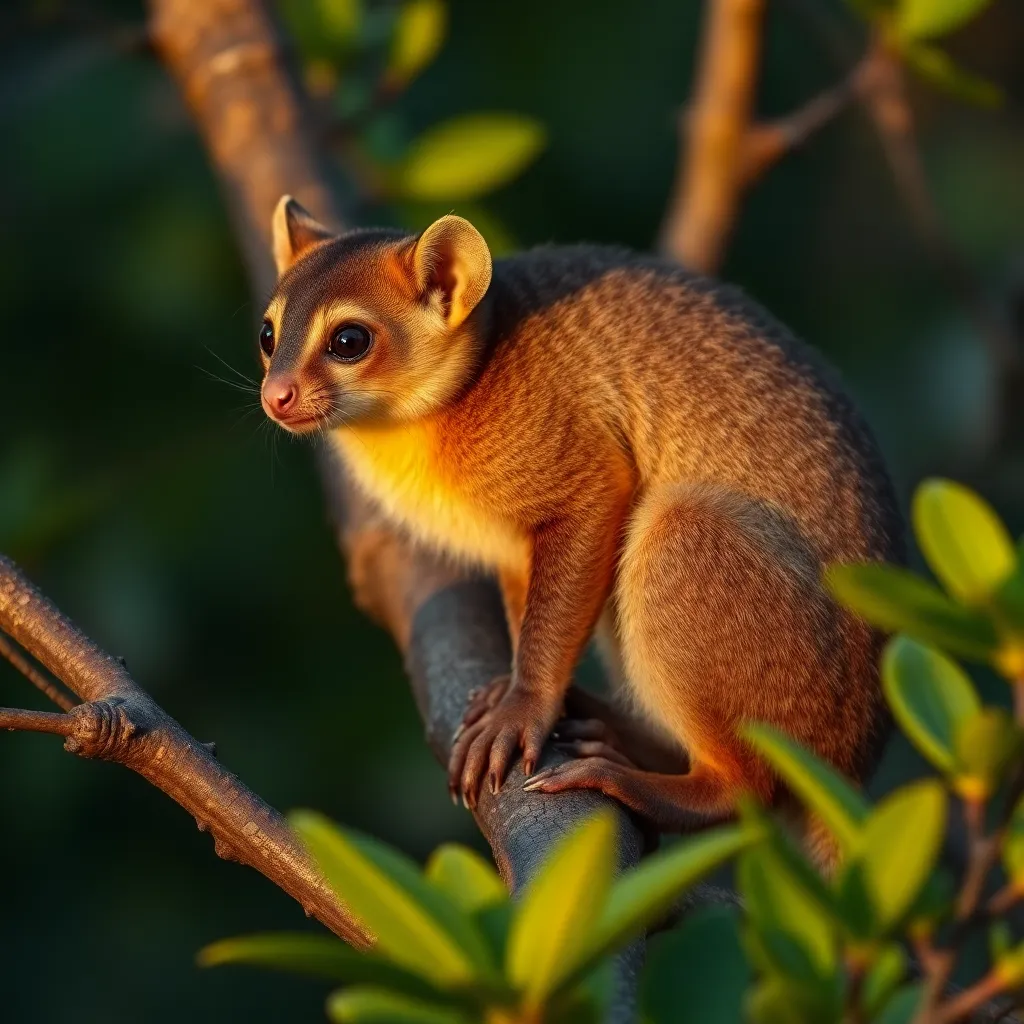
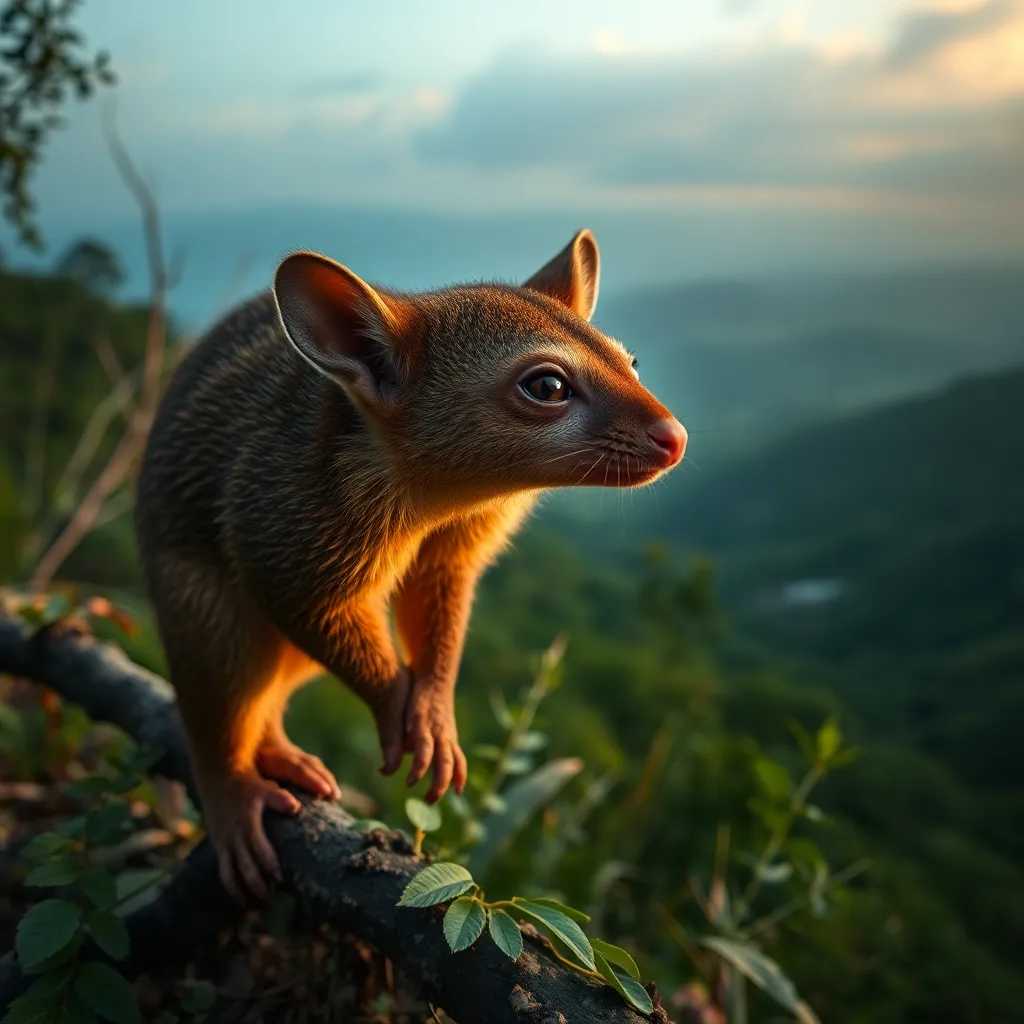
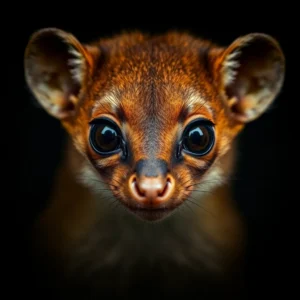
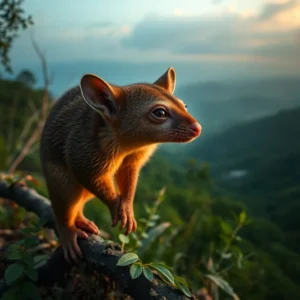
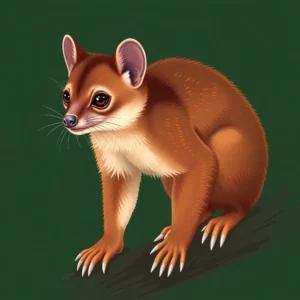
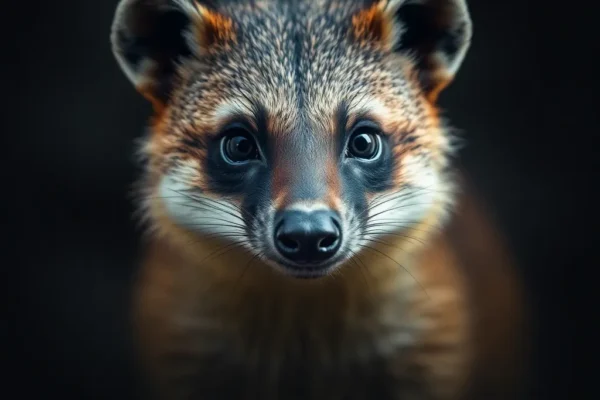
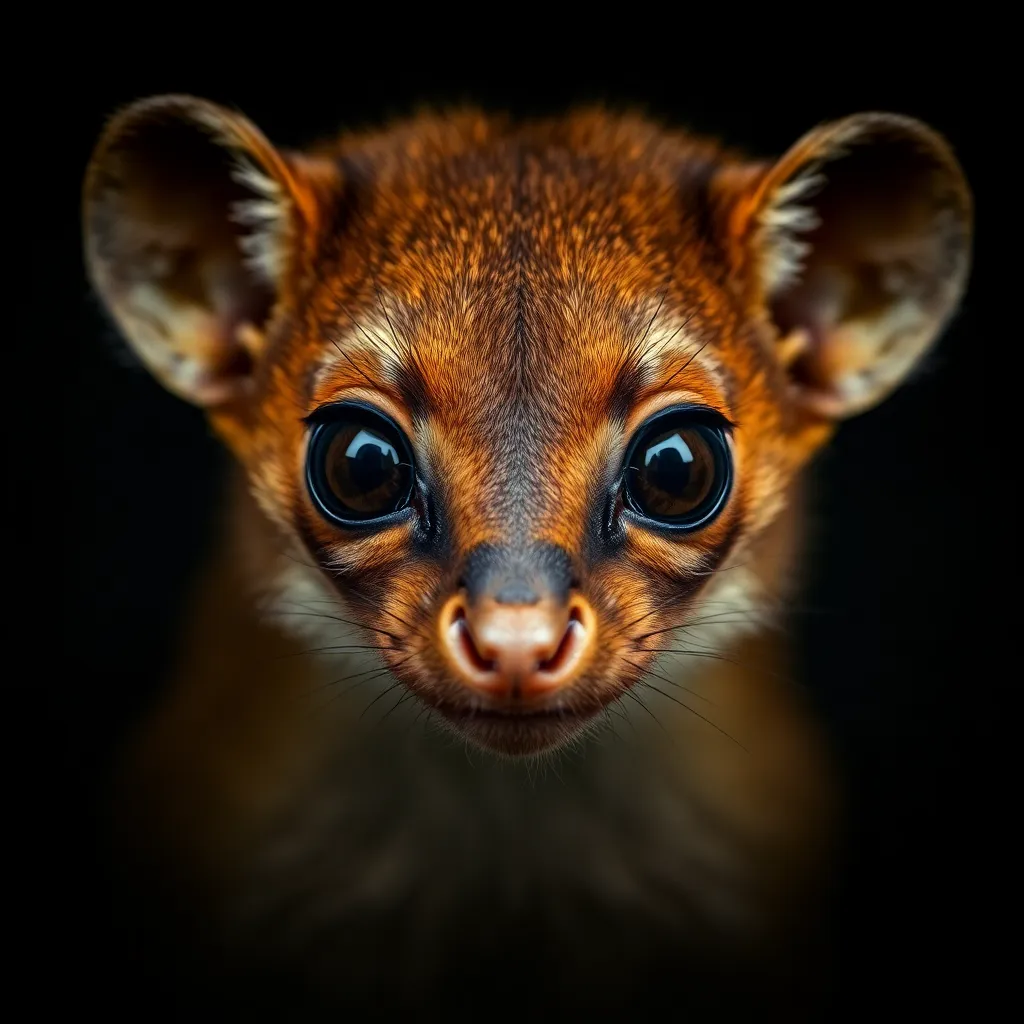
The kinkajou is a small, arboreal mammal of the Central and South American rainforest canopy, superficially resembling a primate despite being more closely related to raccoons and coatis. Its long prehensile tail acts as a fifth limb for gripping branches, and its elongated tongue is perfectly suited for extracting nectar and honey from flowers and hives. Strictly nocturnal, kinkajous are important pollinators and seed dispersers in tropical ecosystems.

⚡ Speed Comparison

Kinkajou
10 km/h
Human
12 km/h
Car (city)
50 km/h
Horse
54 km/h

💡 Fun Facts

01

A kinkajou's tongue can extend up to 13 cm to extract nectar from deep flowers, making it an unlikely pollinator.

02

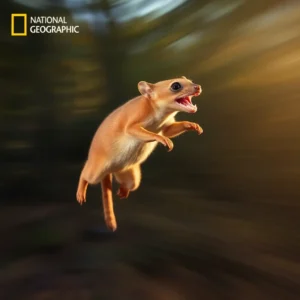
They can rotate their feet 180 degrees backward to run headfirst down tree trunks.

03

Despite being carnivoran mammals, their diet is over 90% fruit and nectar.

04

Kinkajous have scent glands on their throat, belly, and face used to mark territory.

05

They can live over 40 years in captivity, making them surprisingly long-lived for their size.

Unlock Expert Wildlife Facts

Watch a short 15-second video to unlock detailed expert analysis, exclusive wildlife photography, and rare behavioral facts.

📍 Where to Find This Animal

Habitat Types: Tropical Rainforest

🛒 Kinkajou Related Gear

As an Amazon Associate we earn from qualifying purchases.
🗨️

Join the Conversation

Share your thoughts about the Kinkajou

✍️

Leave a Comment

Your email address will not be published. Required fields are marked *

How Big Is a Kinkajou?

Side-by-side comparison with an adult human (175 cm)

🧍
Human
175 cm
🐾
Kinkajou
65 cm
shoulder height
1.4-4.6 BODY WEIGHT
40-60 BODY LENGTH
10 TOP SPEED
20-25 LIFESPAN
Kinkajou close-up
Kinkajou

SURVIVAL TOOLKIT

Built for Survival

Nature's engineering refined over millions of years

🔬 SURVIVAL TOOLKIT
Prehensile Tail
01

Prehensile Tail

A fully prehensile tail grips branches securely, freeing both forelimbs to manipulate food sources.

Elongated Tongue
02

Elongated Tongue

A 13-cm tongue allows deep probing into flower corollas and bee hives for nectar and honey.

Nocturnal Eyes
03

Nocturnal Eyes

Large, forward-facing eyes gather maximum light for precise navigation through dark forest canopy.

Reversible Feet
04

Reversible Feet

Ankles rotate 180° so the animal can descend trees headfirst with full claw grip.

Soft Vocalisations
05

Soft Vocalisations

A repertoire of soft chirps and hisses communicates with conspecifics without attracting predators.

Honey Bear of the Canopy. An extraordinary creature that reminds us what we stand to lose.

Jungal Safari · Wildlife Network
💡

Did You Know?

A kinkajou's tongue can extend up to 13 cm to extract nectar from deep flowers, making it an unlikely pollinator.

🍖 DIET: FRUGIVORE

What Does the Kinkajou Eat?

🍓
Tropical Fruits
🌸
Nectar
🍯
Honey
🌺
Flowers
🐛
Insects
🗺️ GEOGRAPHIC RANGE

Where Do Kinkajous Live?

🌍
Continents
📉
Population Trend Declining

Conservation in Action

How You Can Help the Kinkajou

Small actions, taken together, can reverse the decline of species like this one

🌳
Protect Habitat

Support wildlife reserves and protected land corridors

🚫
Stop Poaching

Report illegal trade and back anti-poaching patrols

🔬
Fund Research

Camera-trap studies and population monitoring

🤝
Community Work

Partner with local herders to reduce conflict

📢
Raise Awareness

Educate and inspire future wildlife champions

"Without urgent action, the Kinkajou could disappear from the wild within our lifetime."

PROTECT THEM. PRESERVE THEIR LEGACY.

The Kinkajou's Future
Is In Our Hands

Every share, every donation, every voice raised — makes a difference for wildlife conservation.

🌳Protect Habitat
📢Raise Awareness
💰Fund Research
🤝Community Work
🚫Stop Poaching

"Protect Wildlife. Preserve Our Planet."

Every species matters. Every action counts.

Advertisement