Loading Wildlife…

Suidae LC

THE

WARTHOG

Tusked Survivor of the Savanna

Phacochoerus africanus

Africa
CLASS Mammalia FAMILY Suidae GENUS Phacochoerus
55 km/h
Top Speed
⚖️
45-150 kg
Max Weight
📏
0.9-1.5 m
Body Length
🕰️
12-18 years
Lifespan
🍖
Omnivore
Diet Type

IUCN Red List — Where this species stands

LC Least Concern
NT Near Threatened
VU Vulnerable
EN Endangered
CR Critical
EW Extinct Wild
EX Extinct

About the Warthog

Phacochoerus africanus

Advertisement

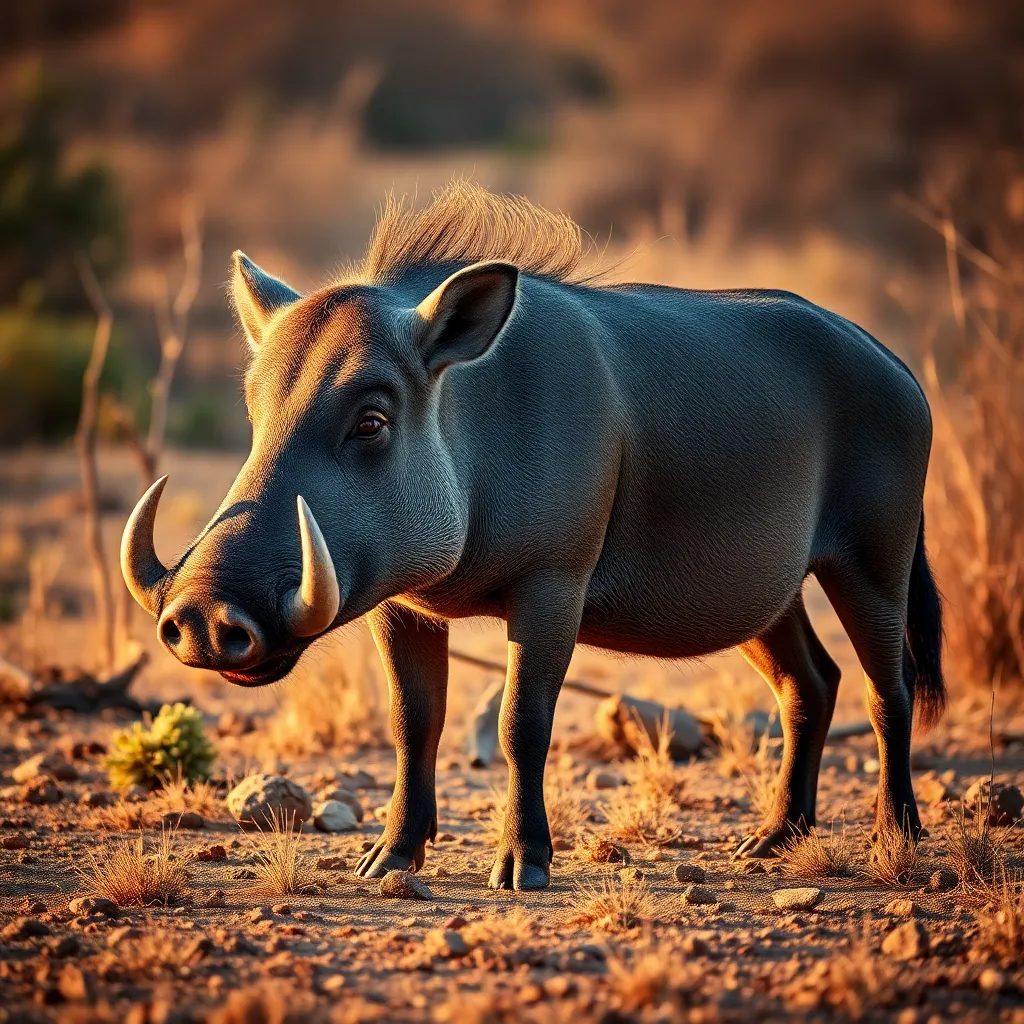
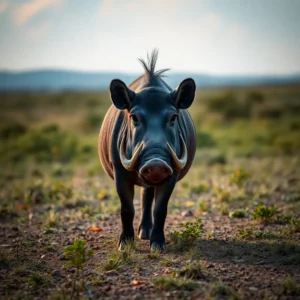
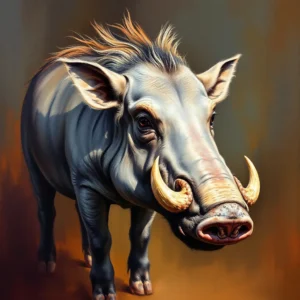
The common warthog is a tough, highly adaptable wild pig of the African savanna, known for its prominent facial warts, upward-curving tusks, and the endearing habit of running with its tail held straight up like a flagpole. Despite their fearsome appearance, warthogs are primarily grazers that drop to their calloused wrist pads to graze low-growing grasses. They are the only pig species known to be primarily diurnal, spending their days grazing and their nights in burrows — typically taking over abandoned aardvark dens.

⚡ Speed Comparison

Human
12 km/h
Car (city)
50 km/h
Horse
54 km/h
Warthog
55 km/h

💡 Fun Facts

01

Warthogs enter their burrows backwards, keeping their tusks pointing outward as a defensive barrier against any predator attempting to follow them in.

02

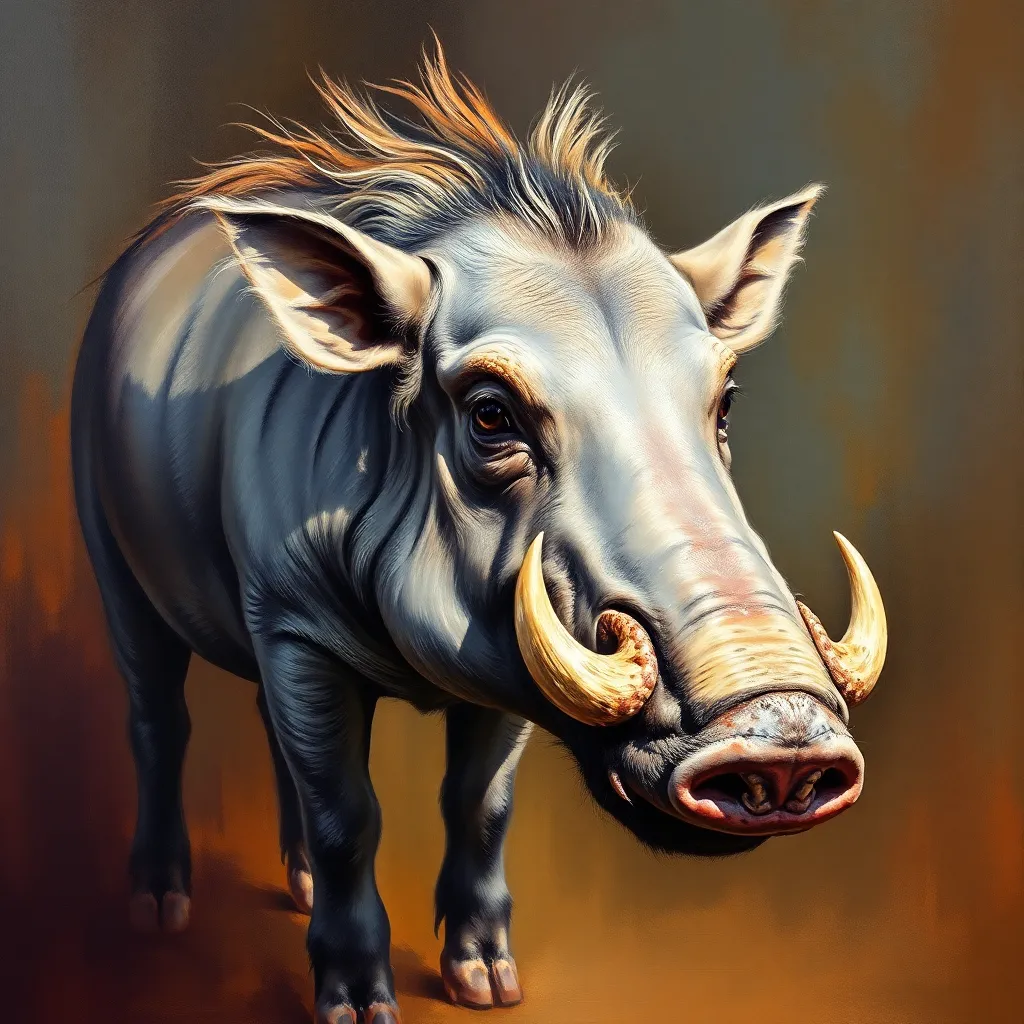
The four facial 'warts' are actually thick skin pads that protect the face during combat with rivals — their function is protective, not glandular.

03

Warthogs are one of the few large mammals that genuinely kneel to graze — they have evolved calloused pads on their wrists specifically for this posture.

04

Their canine teeth (tusks) can grow to 60 cm in old males and are used for rooting, defence, and combat, with lower tusks kept razor sharp by rubbing against the upper.

05

In a remarkable symbiosis, mongooses, oxpeckers, and banded mongoose follow warthogs to eat the parasites disturbed as they root through soil.

Unlock Expert Wildlife Facts

Watch a short 15-second video to unlock detailed expert analysis, exclusive wildlife photography, and rare behavioral facts.

📍 Where to Find This Animal

Habitat Types: Savanna

🛒 Warthog Related Gear

As an Amazon Associate we earn from qualifying purchases.
🗨️

Join the Conversation

Share your thoughts about the Warthog

✍️

Leave a Comment

Your email address will not be published. Required fields are marked *

How Big Is a Warthog?

Side-by-side comparison with an adult human (175 cm)

🧍
Human
175 cm
🐗
Warthog
65 cm
shoulder height
45-150 BODY WEIGHT
0.9-1.5 BODY LENGTH
55 TOP SPEED
12-18 LIFESPAN
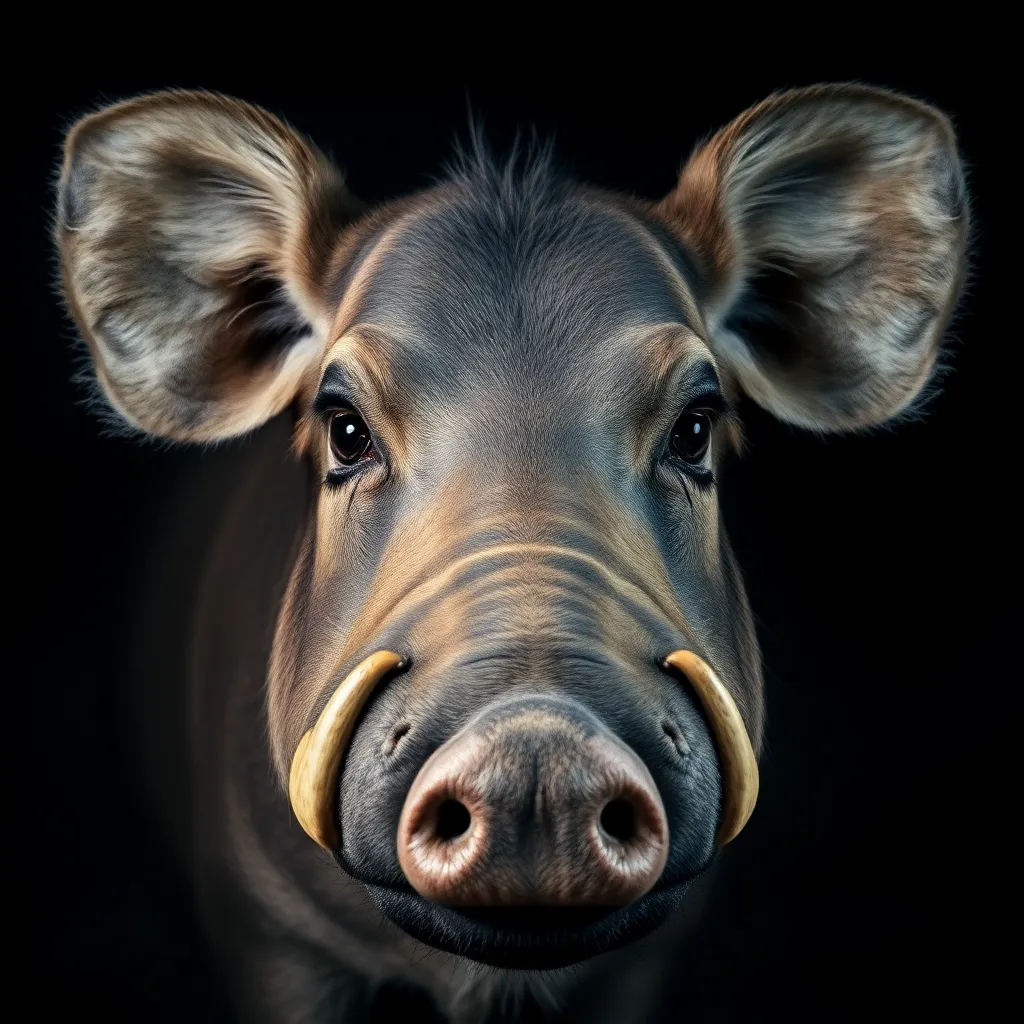
Warthog close-up
Warthog

SURVIVAL TOOLKIT

Built for Survival

Nature's engineering refined over millions of years

🔬 SURVIVAL TOOLKIT
Curved Tusks
01

Curved Tusks

Upper tusks serve as defensive weapons and digging tools; lower tusks are continuously self-sharpened by the upper pair like knife on steel.

Burrow Dwelling
02

Burrow Dwelling

Using aardvark dens for shelter provides protection from nocturnal predators and extreme temperatures without expending energy on digging.

Wrist-pad Grazing
03

Wrist-pad Grazing

Calloused carpal pads allow warthogs to kneel for extended periods while grazing short grass, an unusual adaptation unique among pigs.

Limited Sweat Glands
04

Limited Sweat Glands

Near-hairless skin and wallowing in mud regulate body temperature in savanna heat, with mud also acting as a parasite deterrent.

Tail-flag Warning
05

Tail-flag Warning

The erect tail serves as a visual beacon for piglets to follow their mother at speed through long grass while fleeing predators.

Tusked Survivor of the Savanna. An extraordinary creature that reminds us what we stand to lose.

Jungal Safari · Wildlife Network
💡

Did You Know?

Warthogs enter their burrows backwards, keeping their tusks pointing outward as a defensive barrier against any predator attempting to follow them in.

🍖 DIET: OMNIVORE

What Does the Warthog Eat?

🌿
Grass
🌰
Roots
🍄
Bulbs
🐛
Insects
🥩
Carrion (occasionally)
🗺️ GEOGRAPHIC RANGE

Where Do Warthogs Live?

🌍
Continents
➡️
Population Trend Stable

Conservation in Action

How You Can Help the Warthog

Small actions, taken together, can reverse the decline of species like this one

🌳
Protect Habitat

Support wildlife reserves and protected land corridors

🚫
Stop Poaching

Report illegal trade and back anti-poaching patrols

🔬
Fund Research

Camera-trap studies and population monitoring

🤝
Community Work

Partner with local herders to reduce conflict

📢
Raise Awareness

Educate and inspire future wildlife champions

"Without urgent action, the Warthog could disappear from the wild within our lifetime."

PROTECT THEM. PRESERVE THEIR LEGACY.

The Warthog's Future
Is In Our Hands

Every share, every donation, every voice raised — makes a difference for wildlife conservation.

🌳Protect Habitat
📢Raise Awareness
💰Fund Research
🤝Community Work
🚫Stop Poaching

"Protect Wildlife. Preserve Our Planet."

Every species matters. Every action counts.

Advertisement