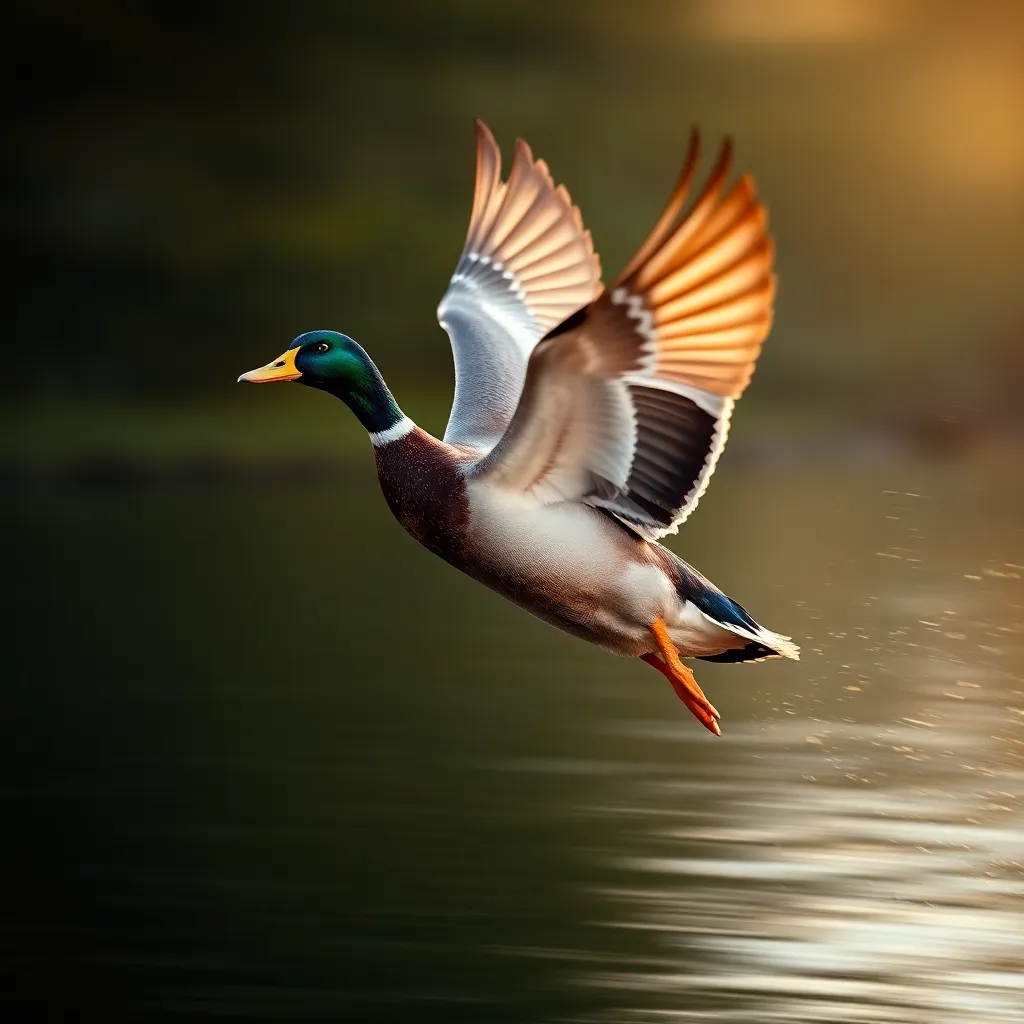
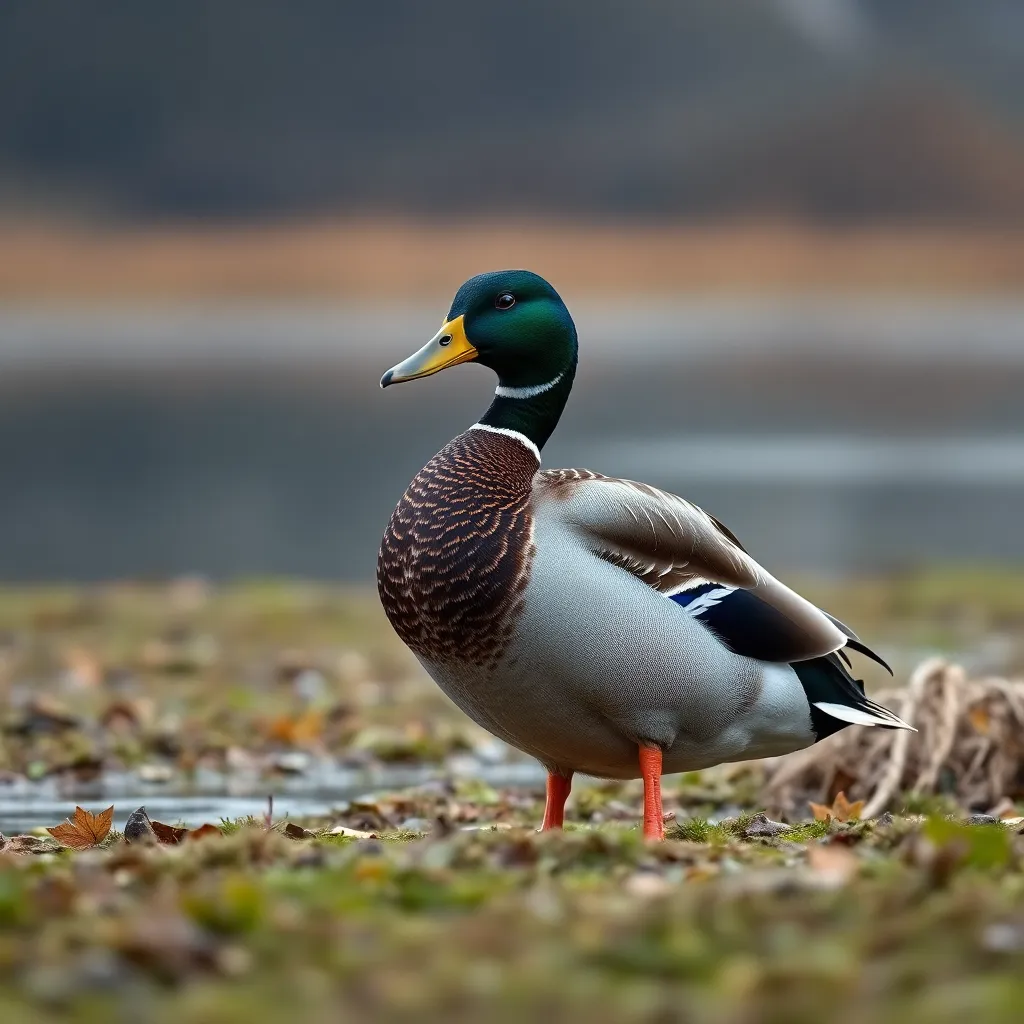
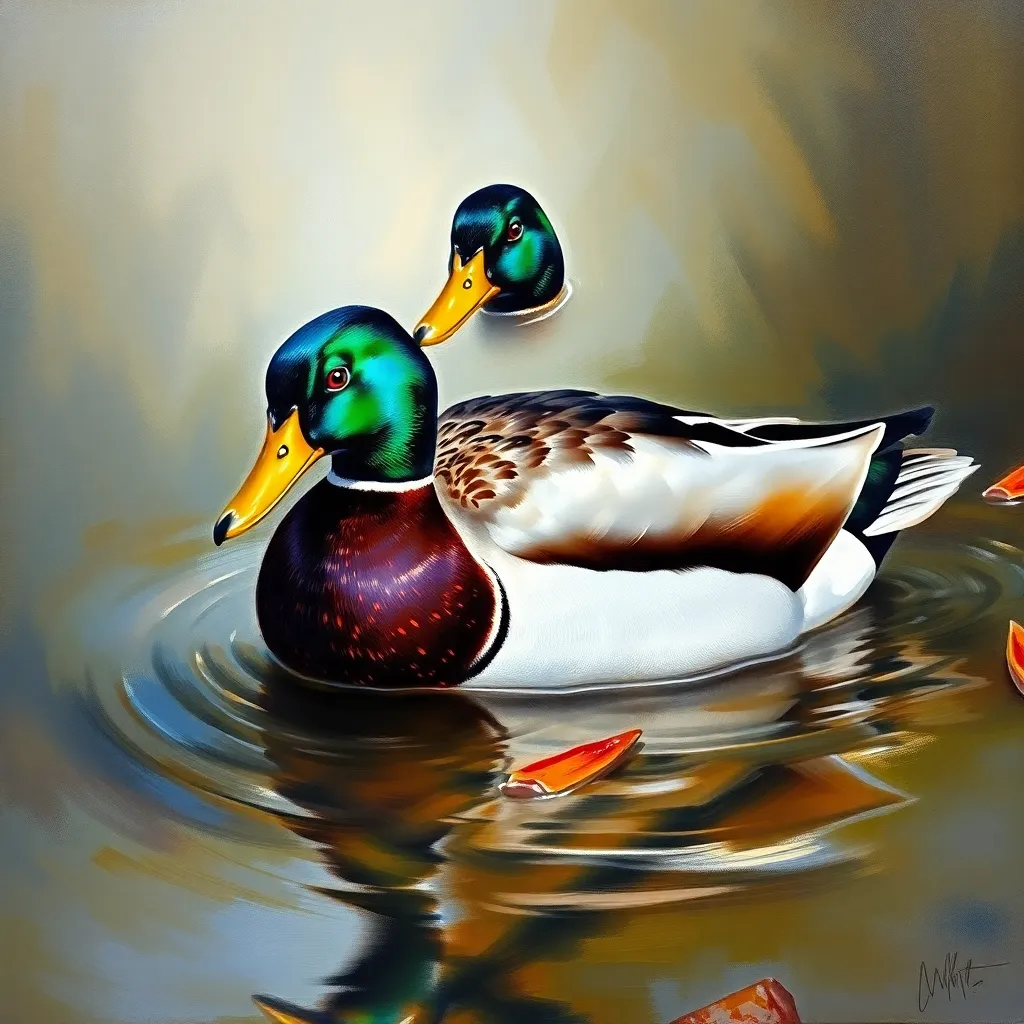
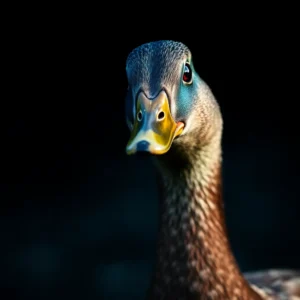
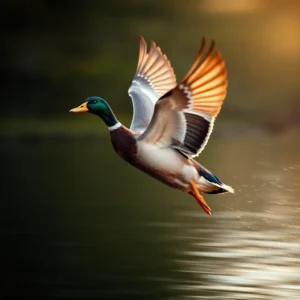
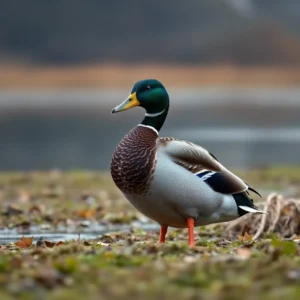
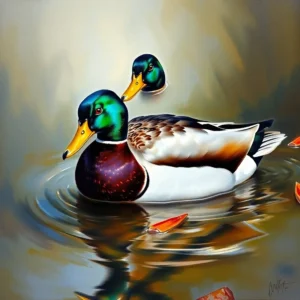
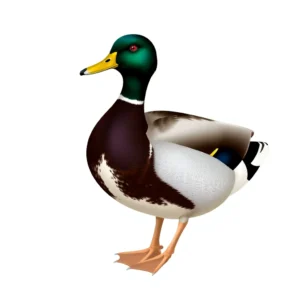
The mallard is the most abundant and widely distributed duck in the world, ancestral to nearly all domestic duck breeds and found across the entire Northern Hemisphere from tundra ponds to urban parks. Male mallards display one of the avian world’s most iridescent plumages — a glossy green head that shifts from green to purple depending on the angle of light, produced not by pigment but by nanostructure light interference. Mallards are surface-dabbling ducks, tipping tail-up to reach aquatic vegetation rather than diving.
About the Mallard
Anas platyrhynchos
Advertisement
⚡ Speed Comparison
📸 Photo Gallery


💡 Fun Facts
01
The male mallard's iridescent green head color is produced entirely by the nanostructural arrangement of feather melanosomes, not by green pigment.
02
Mallards are the ancestors of nearly all domestic duck breeds worldwide — the Pekin, Rouen, and Cayuga breeds all descend from this single wild species.
03
Ducklings imprint on the first moving object they see within 24 hours of hatching — typically their mother — a behavioral phenomenon first described by Konrad Lorenz.
04
Mallards can sleep with one eye open and half their brain awake (unihemispheric slow-wave sleep), maintaining awareness of predators while resting.
05
Female mallards produce the classic 'quack' sound; males produce a soft, raspy reed sound — only the female quacks, and this is true across virtually all duck species.
📍 Where to Find This Animal
Habitat Types:
Wetlands & Urban Parks
🛒 Mallard Related Gear
As an Amazon Associate we earn from qualifying purchases.

Join the Conversation
Share your thoughts about the Mallard