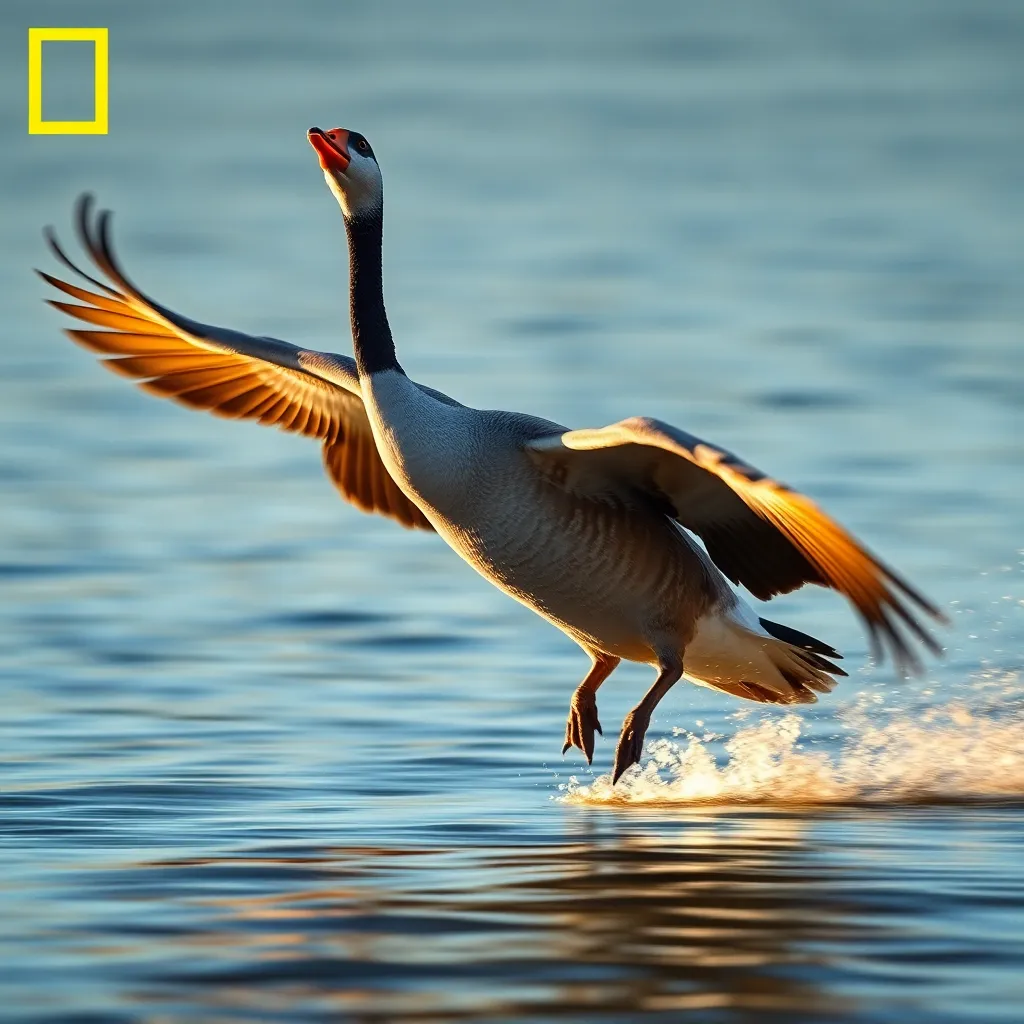
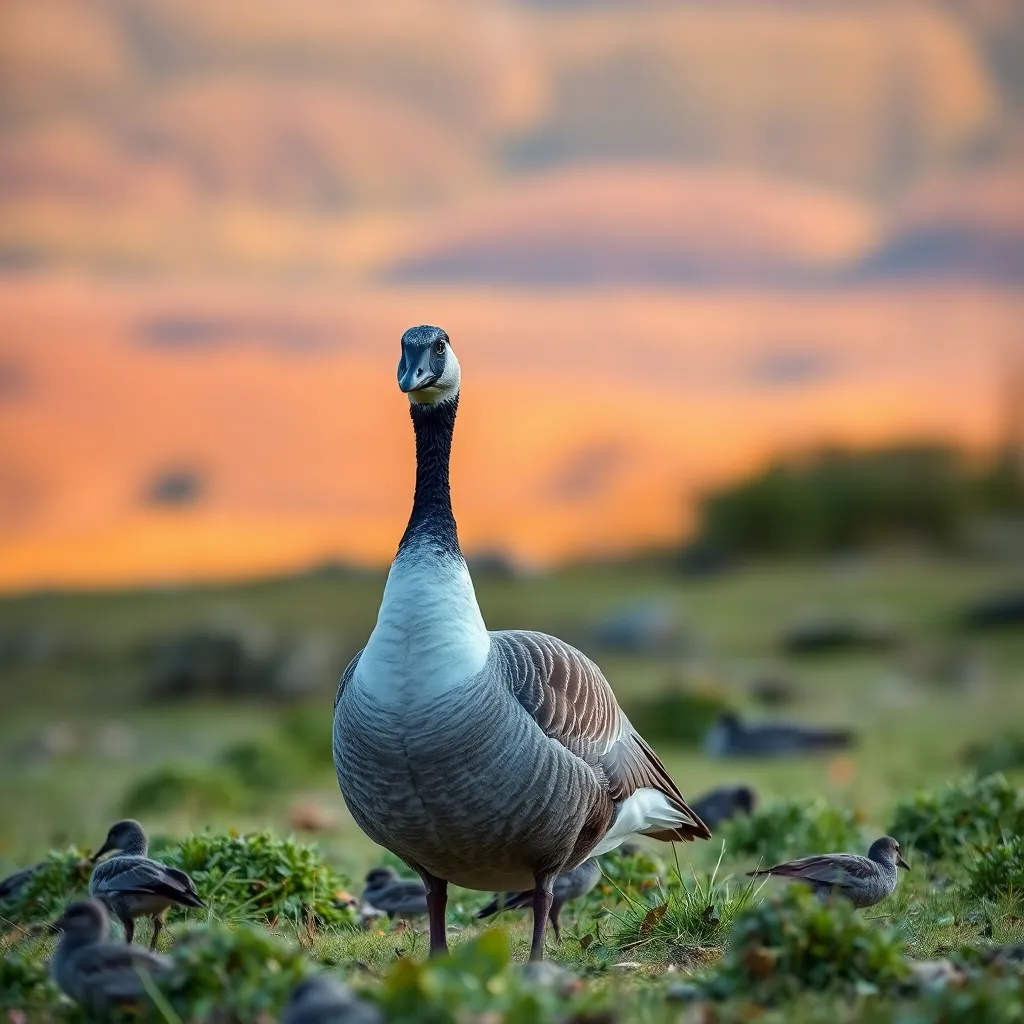
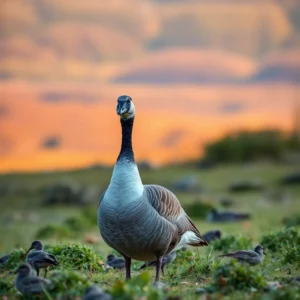
The Canada goose is one of North America’s most recognizable waterfowl — a large, long-necked bird with a distinctive black head and white chin patch. Celebrated for its V-formation migrations spanning thousands of kilometers, Canada geese are among the most aerodynamically sophisticated long-distance migrants. Originally migratory throughout North America, many populations have become permanently resident in suburban areas, lawns, and golf courses, where they thrive on maintained grass and have lost their migratory instincts entirely.
About the Goose
Branta canadensis
Advertisement
⚡ Speed Comparison
📸 Photo Gallery


💡 Fun Facts
01
Canada geese fly in a V-formation because each bird — except the leader — benefits from the upwash of air rotating off the wingtip of the bird ahead, reducing energy expenditure by up to 65% for birds further back in the formation.
02
Geese mate for life; if a partner is killed or dies, the surviving bird may mourn and remain alone for years before forming a new pair bond.
03
Canada geese perform a 'triumph ceremony' — a noisy wing-flapping, head-bobbing display — after successfully defeating a rival or escaping a predator, reinforcing the pair bond.
04
Goslings imprint on the first moving object they see after hatching, which in most cases is their mother; this irreversible behavioral bonding was first described scientifically using Canada geese.
05
A single Canada goose can produce up to 1 kg of droppings per day — creating significant water quality issues in lakes and parks where large resident flocks concentrate.
📍 Where to Find This Animal
Habitat Types:
Grassland, Wetland & Urban Parks
🛒 Goose Related Gear
As an Amazon Associate we earn from qualifying purchases.




Join the Conversation
Share your thoughts about the Goose