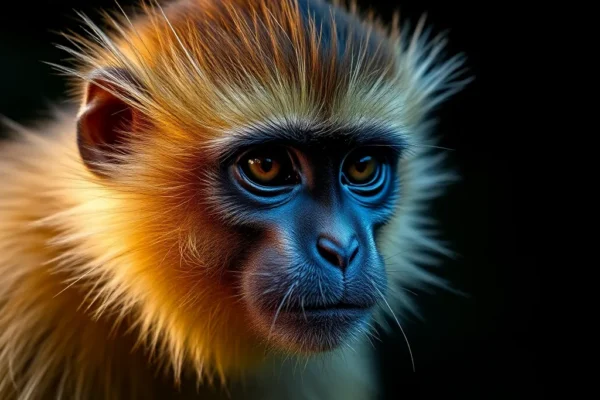
Loading Wildlife…

Cercopithecidae VU

THE

MANDRILL

Rainbow-Faced King of the Jungle

Mandrillus sphinx

Africa
CLASS Mammalia FAMILY Cercopithecidae GENUS Mandrillus
40 km/h
Top Speed
⚖️
11-37 kg
Max Weight
📏
55-95 cm
Body Length
🕰️
20-30 years
Lifespan
🍖
Omnivore
Diet Type

IUCN Red List — Where this species stands

LC Least Concern
NT Near Threatened
VU Vulnerable
EN Endangered
CR Critical
EW Extinct Wild
EX Extinct

About the Mandrill

Mandrillus sphinx

Advertisement

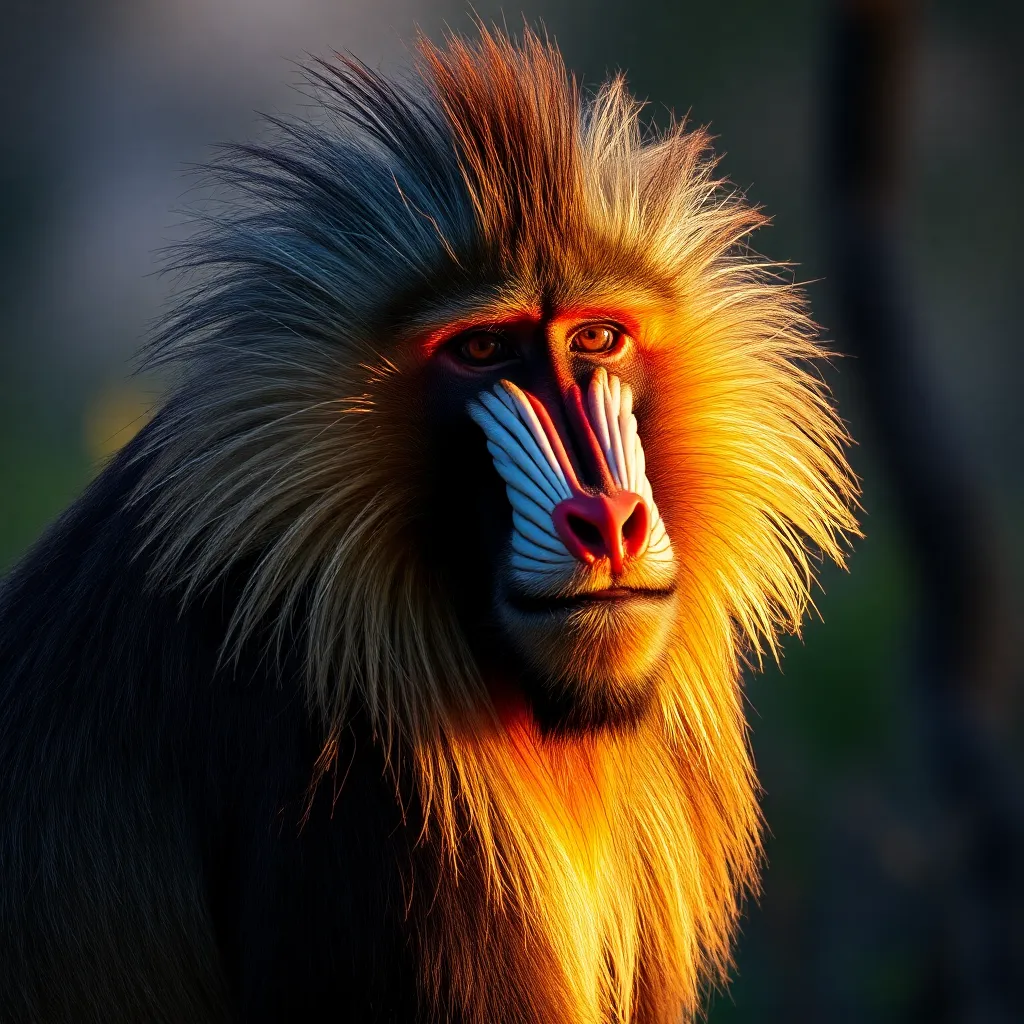
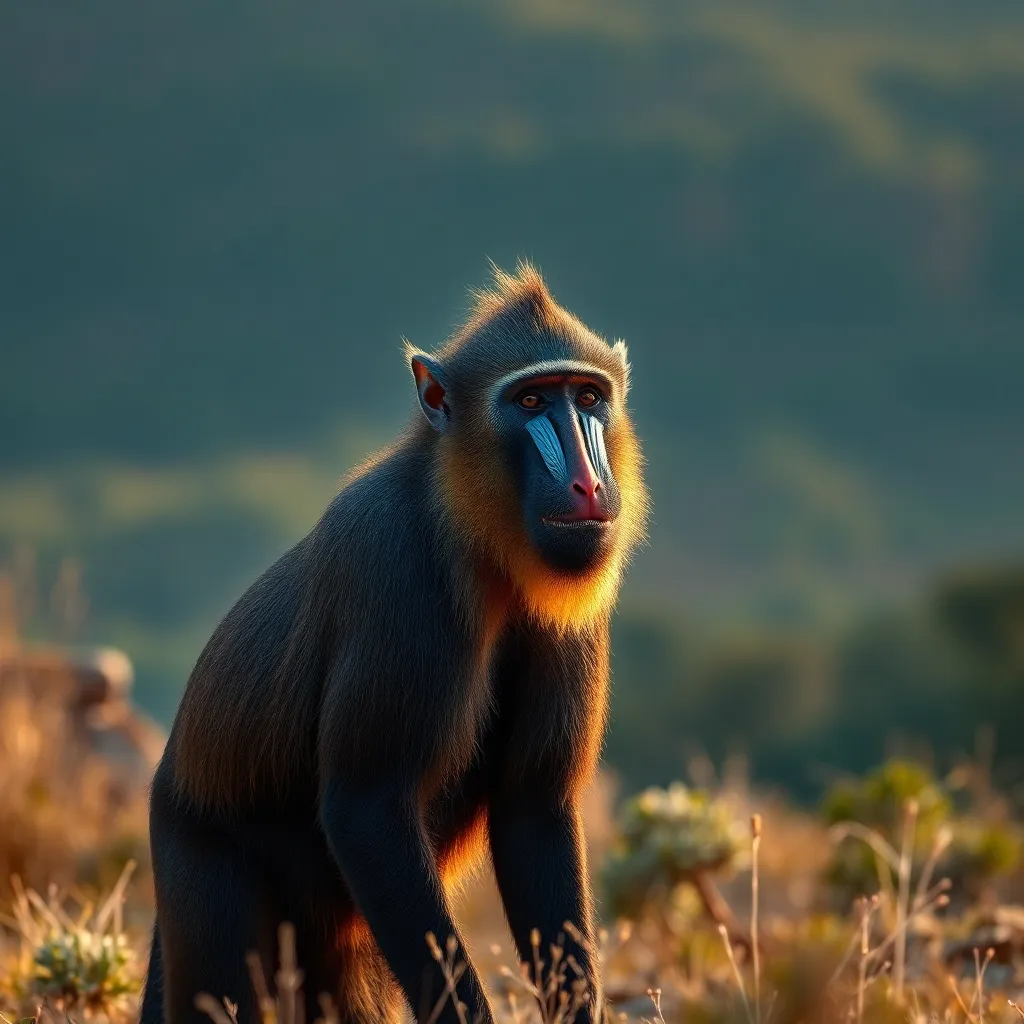
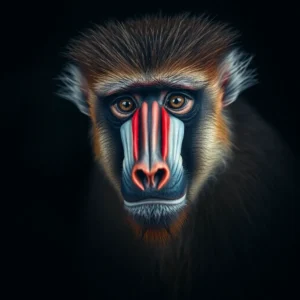
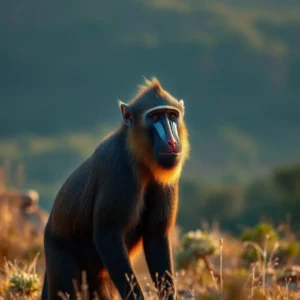
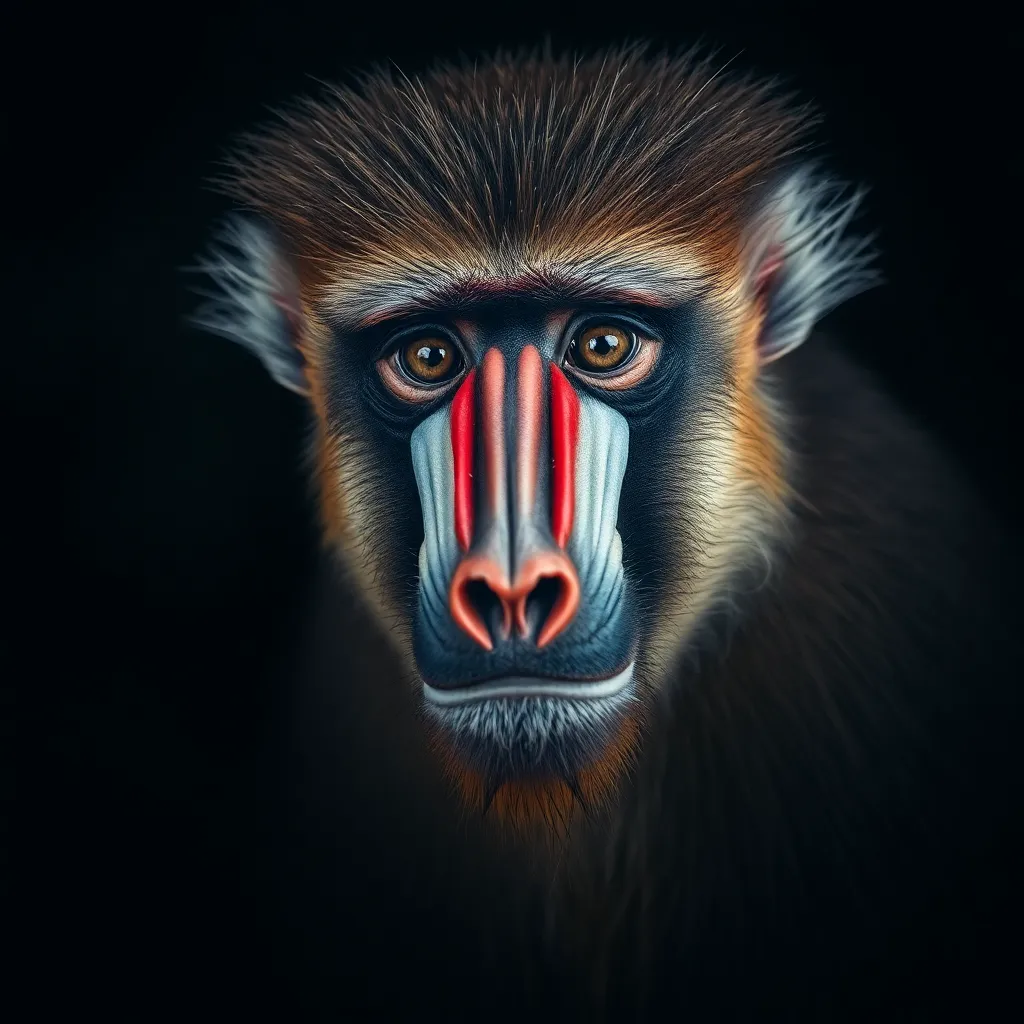
The mandrill is the world’s largest monkey and one of the most visually spectacular primates, native to the lowland rainforests of equatorial West Africa including Cameroon, Gabon, and Republic of Congo. Famous for the male’s extraordinary blue-and-red facial coloration, mandrills live in massive social hordes and spend most of their time on the forest floor, searching for fruits, seeds, and small animals. Hunting pressure and forest loss are driving population declines across their range.

⚡ Speed Comparison

Human
12 km/h
Mandrill
40 km/h
Car (city)
50 km/h
Horse
54 km/h

💡 Fun Facts

01

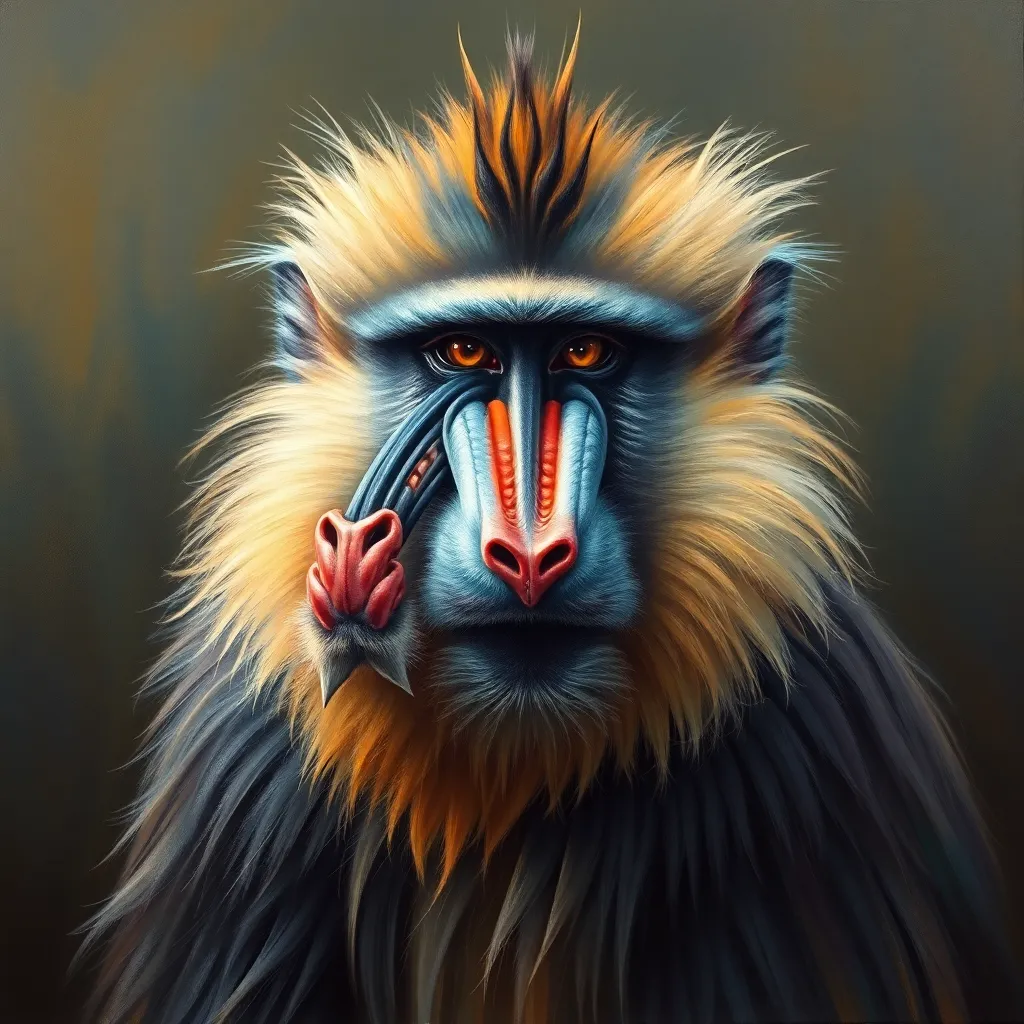
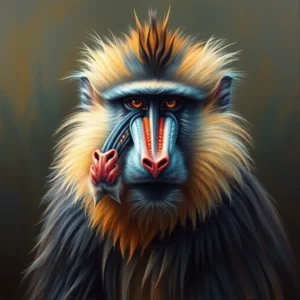
The mandrill is the world's largest monkey species and the most colorful mammal on Earth, with facial ridges in blue, red, and violet that intensify in dominant males.

02

Mandrill troops called 'hordes' can number over 1,000 individuals — the largest aggregations of any non-human primate ever recorded.

03

Male mandrills are approximately three times the body weight of females, representing one of the most extreme sexual size dimorphisms in the primate order.

04

The vivid facial and rump coloration of male mandrills is directly linked to testosterone levels — castrated males quickly lose their bright colors.

05

Mandrills have cheek pouches capable of storing a meal's worth of food, allowing them to forage rapidly on the ground and chew in safety elsewhere.

Unlock Expert Wildlife Facts

Watch a short 15-second video to unlock detailed expert analysis, exclusive wildlife photography, and rare behavioral facts.

📍 Where to Find This Animal

Habitat Types: Equatorial Rainforest

🛒 Mandrill Related Gear

As an Amazon Associate we earn from qualifying purchases.
🗨️

Join the Conversation

Share your thoughts about the Mandrill

✍️

Leave a Comment

Your email address will not be published. Required fields are marked *

How Big Is a Mandrill?

Side-by-side comparison with an adult human (175 cm)

🧍
Human
175 cm
🐒
Mandrill
65 cm
shoulder height
11-37 BODY WEIGHT
55-95 BODY LENGTH
40 TOP SPEED
20-30 LIFESPAN
Mandrill close-up
Mandrill

SURVIVAL TOOLKIT

Built for Survival

Nature's engineering refined over millions of years

🔬 SURVIVAL TOOLKIT
Structural Coloration
01

Structural Coloration

Blue facial ridges result from nanostructure light scattering rather than pigment, creating vivid colors that signal status regardless of lighting conditions.

Cheek Pouches
02

Cheek Pouches

Expandable cheek pouches allow rapid ground-level foraging with stored food processed later in safer, elevated positions.

Canine Weapons
03

Canine Weapons

Male canine teeth exceeding 6 cm function as formidable weapons in male-male competition and in defense against leopards.

Chemical Signaling
04

Chemical Signaling

Sternal scent glands produce complex chemical messages broadcast when rubbing against trees to mark territory and reproductive status.

Horde Living
05

Horde Living

Forming the largest non-human primate groups on Earth provides overwhelming collective defense against leopards and forest raptors.

Rainbow-Faced King of the Jungle. An extraordinary creature that reminds us what we stand to lose.

Jungal Safari · Wildlife Network
💡

Did You Know?

The mandrill is the world's largest monkey species and the most colorful mammal on Earth, with facial ridges in blue, red, and violet that intensify in dominant males.

🍖 DIET: OMNIVORE

What Does the Mandrill Eat?

🍌
Fruits
🌰
Seeds and Nuts
🦗
Insects
🐸
Small Vertebrates
🌿
Roots and Leaves
🗺️ GEOGRAPHIC RANGE

Where Do Mandrills Live?

🌍
Continents
📉
Population Trend Declining

Conservation in Action

How You Can Help the Mandrill

Small actions, taken together, can reverse the decline of species like this one

🌳
Protect Habitat

Support wildlife reserves and protected land corridors

🚫
Stop Poaching

Report illegal trade and back anti-poaching patrols

🔬
Fund Research

Camera-trap studies and population monitoring

🤝
Community Work

Partner with local herders to reduce conflict

📢
Raise Awareness

Educate and inspire future wildlife champions

"Without urgent action, the Mandrill could disappear from the wild within our lifetime."

PROTECT THEM. PRESERVE THEIR LEGACY.

The Mandrill's Future
Is In Our Hands

Every share, every donation, every voice raised — makes a difference for wildlife conservation.

🌳Protect Habitat
📢Raise Awareness
💰Fund Research
🤝Community Work
🚫Stop Poaching

"Protect Wildlife. Preserve Our Planet."

Every species matters. Every action counts.

Advertisement