Loading Wildlife…

Bovids

THE

MARKHOR

King of the Mountains

Capra falconeri

Asia
CLASS Mammalia FAMILY Bovids GENUS Capra
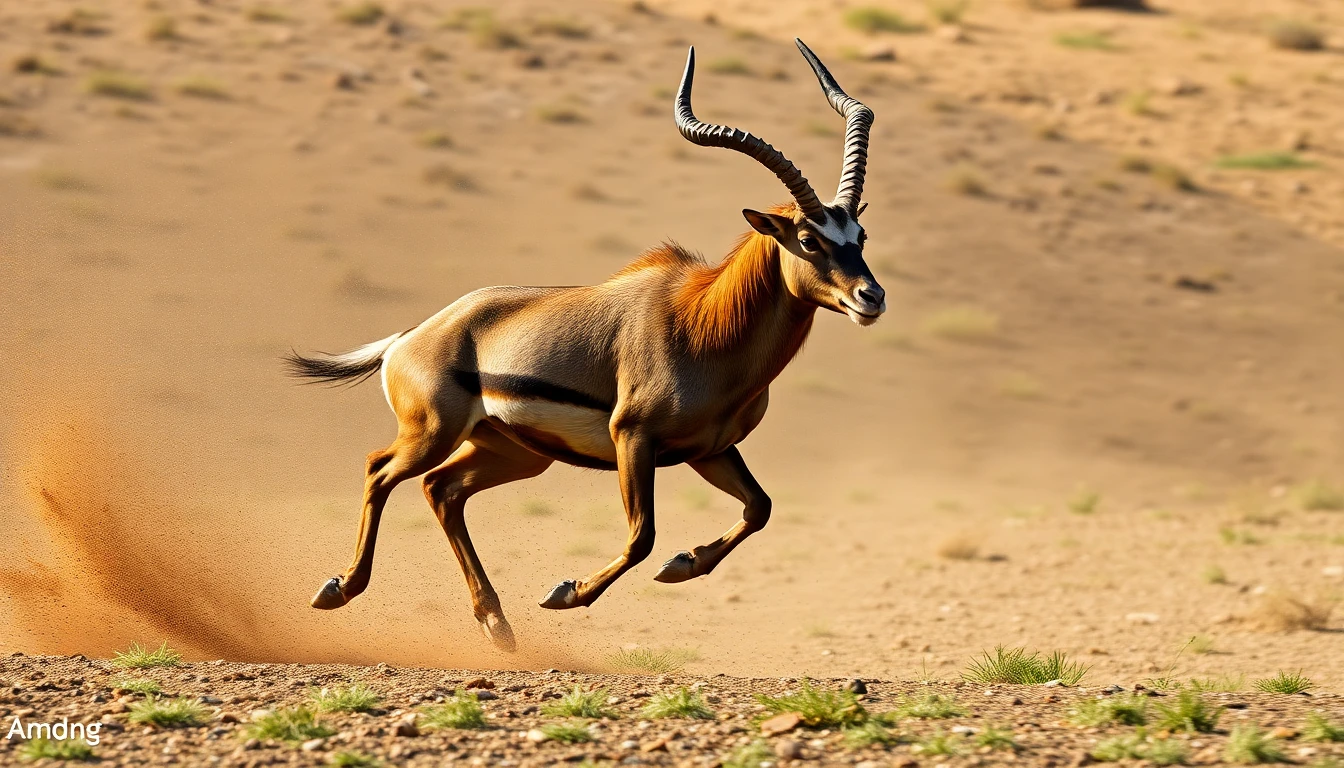
40 km/h
Top Speed
⚖️
110 kg
Max Weight
📏
65–100 cm (shoulder)
Height
🕰️
12 yrs
Lifespan
🌍
2,500 – 3,500
Est. Left
🍖
Herbivore
Diet Type

IUCN Red List — Where this species stands

LC Least Concern
NT Near Threatened
VU Vulnerable
EN Endangered
CR Critical
EW Extinct Wild
EX Extinct

About the Markhor

Capra falconeri

Advertisement

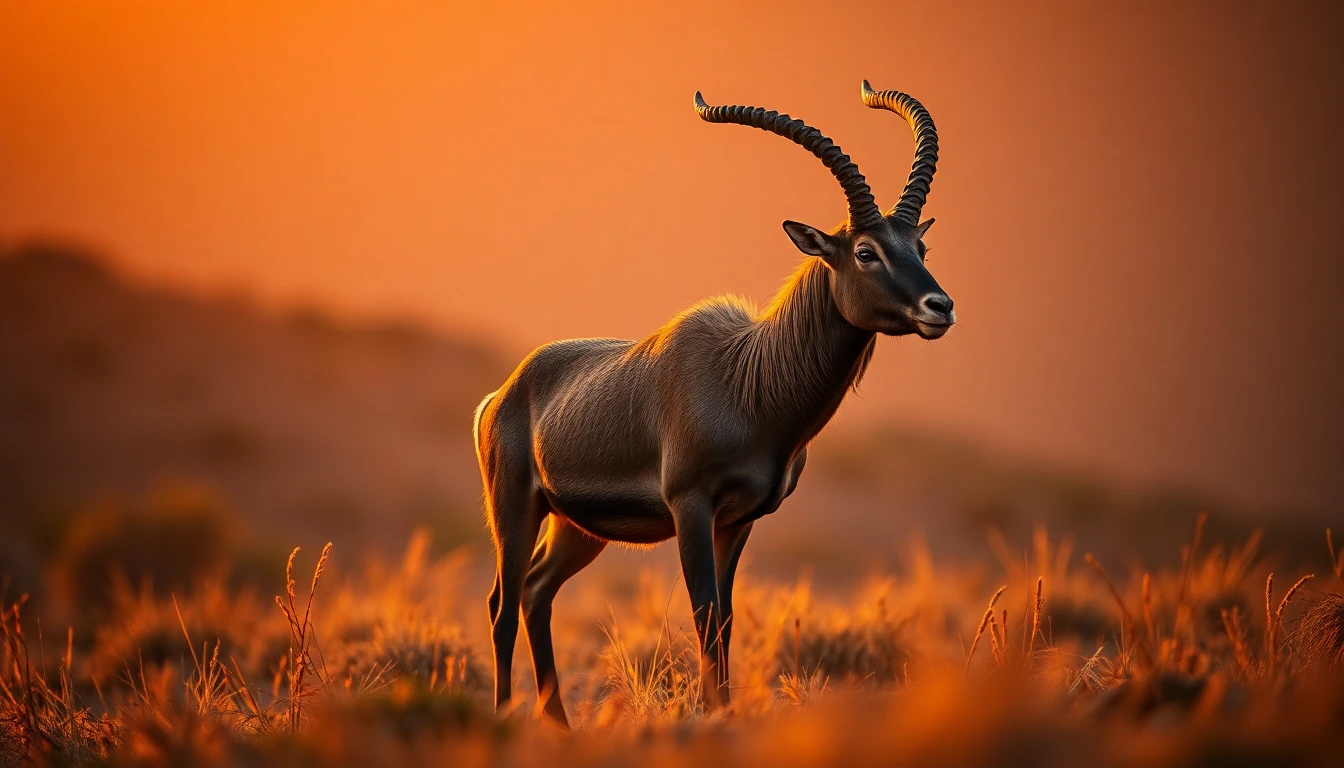
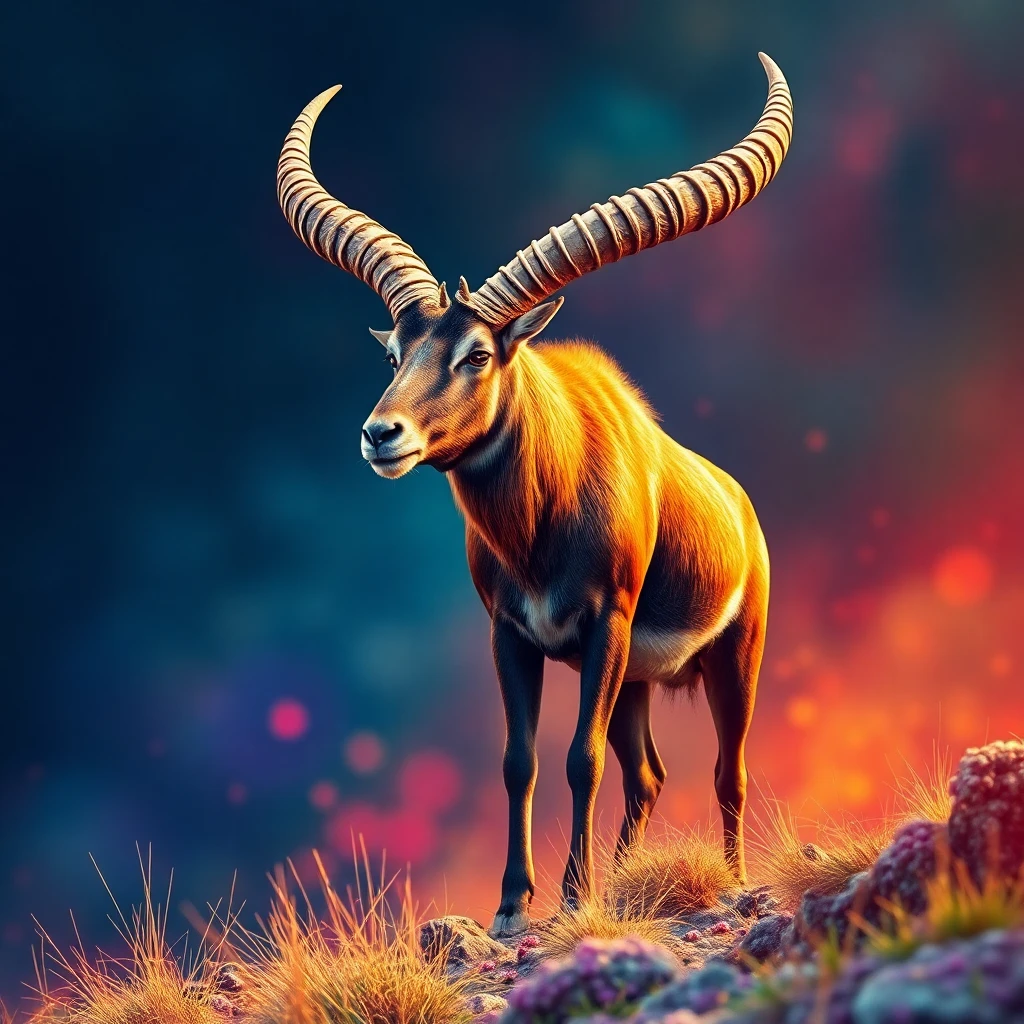
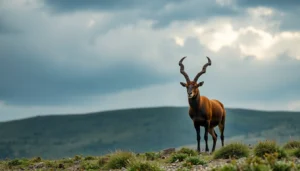
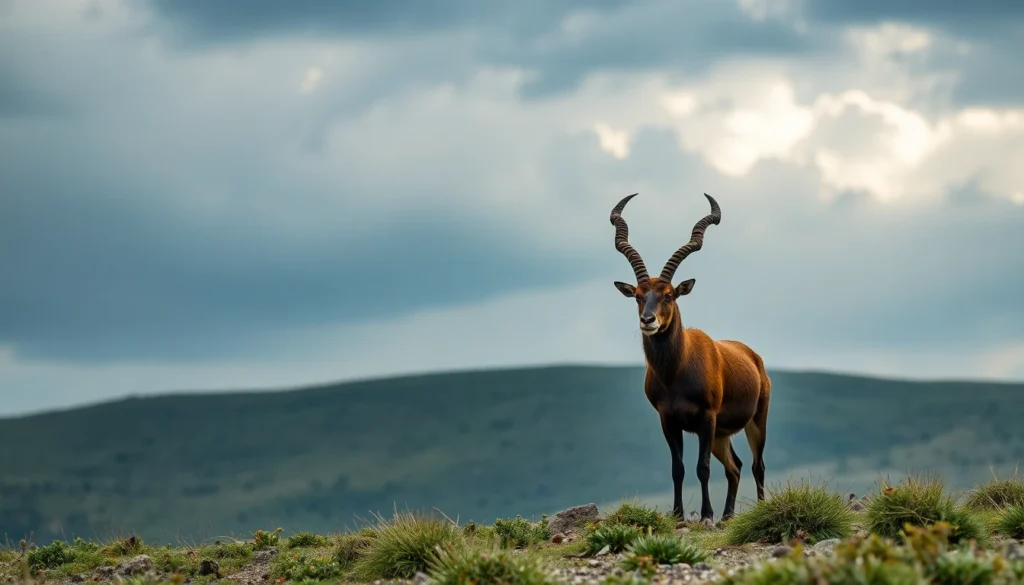
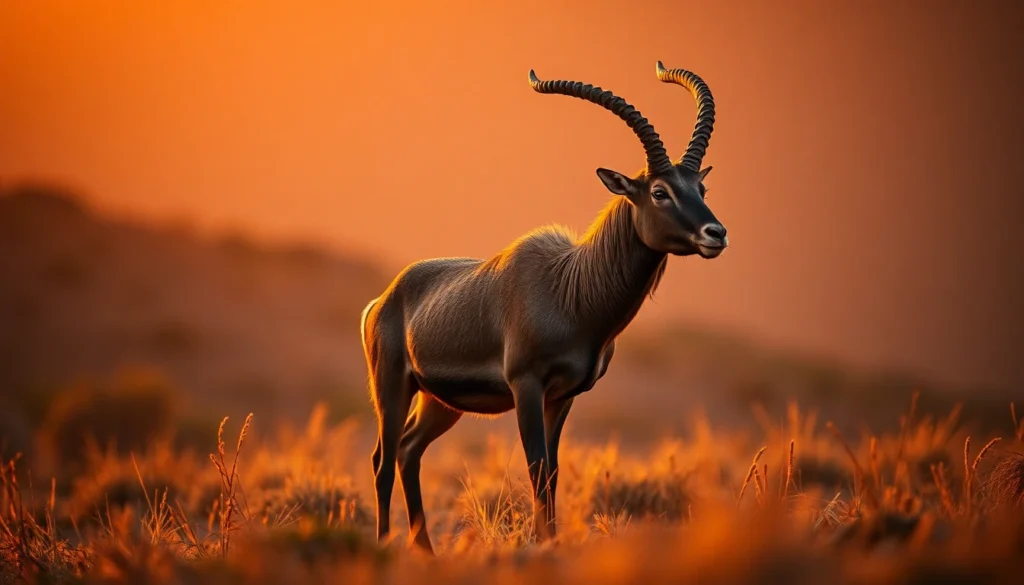
The Markhor (Capra falconeri) is Pakistan’s national animal — a legendary wild goat of the high Himalayas known for its spectacular corkscrew horns that can grow up to 1.6 meters long. These horns are among the most extraordinary natural structures in the animal kingdom, making the Markhor one of the most sought-after trophies and, consequently, one of the most threatened mountain species.

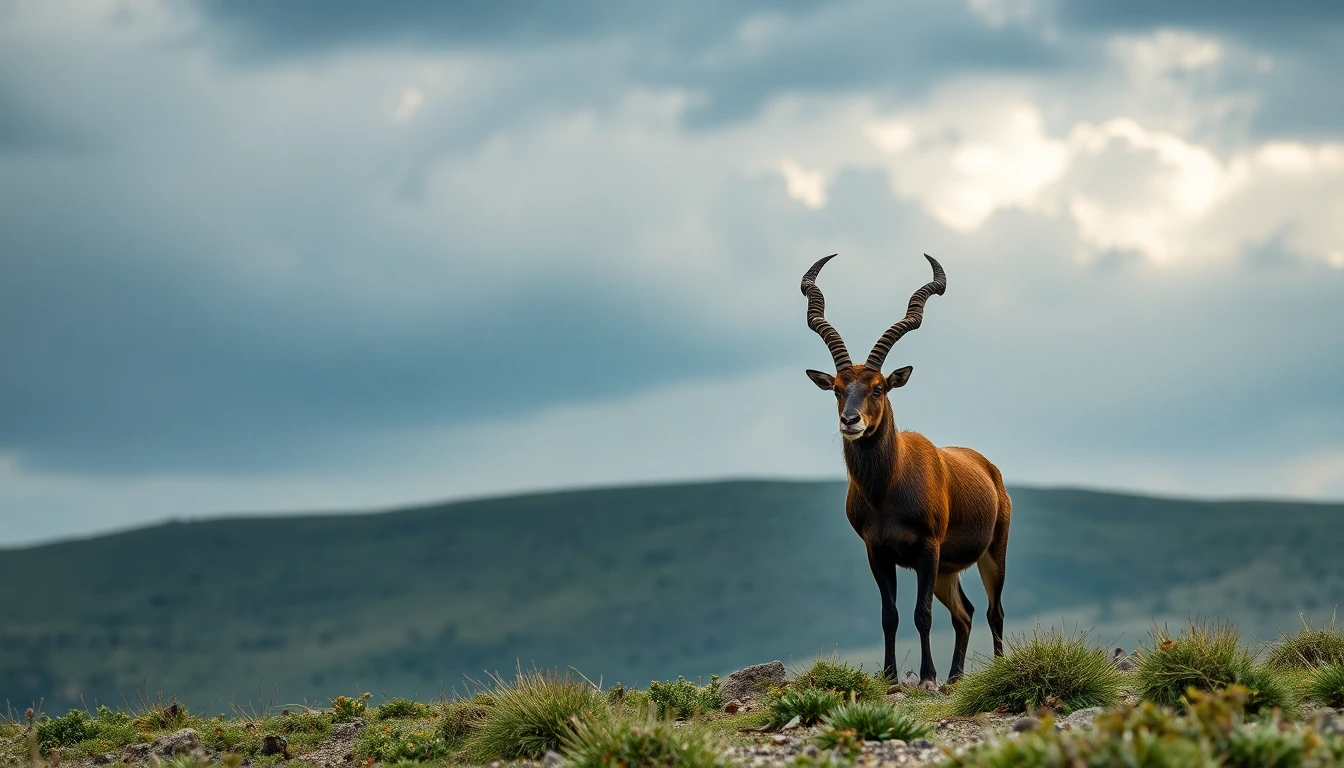
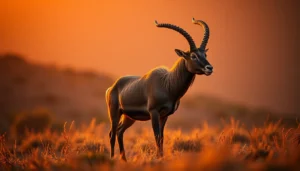
Inhabiting rocky cliffs at altitudes between 600 and 3,600 meters across Pakistan, Afghanistan, India, Uzbekistan, and Tajikistan, the Markhor is a master of extreme terrain. A remarkable conservation success story, the species has recovered from near-extinction to over 6,000 individuals thanks to community-based conservation programs.

Advertisement

⚡ Speed Comparison

Human
12 km/h
Markhor
40 km/h
Car (city)
50 km/h
Horse
54 km/h

💡 Fun Facts

01

The Markhor is Pakistan's national animal, featured on the rupee coin.

02

Male Markhors engage in dramatic horn-wrestling battles — clashing horns can be heard echoing through mountain valleys.

03

The Markhor is one of the few conservation success stories — population has tripled since the 1990s.

04

Their unique corkscrew horns are sexually dimorphic — females have shorter, straighter horns.

05

Community-based trophy hunting programs in Pakistan return 80% of fees directly to local villages, giving them economic incentive to protect the Markhor.

Unlock Expert Wildlife Facts

Watch a short 15-second video to unlock detailed expert analysis, exclusive wildlife photography, and rare behavioral facts.

📍 Where to Find This Animal

Geographic Range: Pakistan, Afghanistan, India, Uzbekistan, Tajikistan — mountain ranges of Central Asia

Habitat Types: Mountain

🛒 Markhor Related Gear

As an Amazon Associate we earn from qualifying purchases.
Leave a Reply

Your email address will not be published. Required fields are marked *

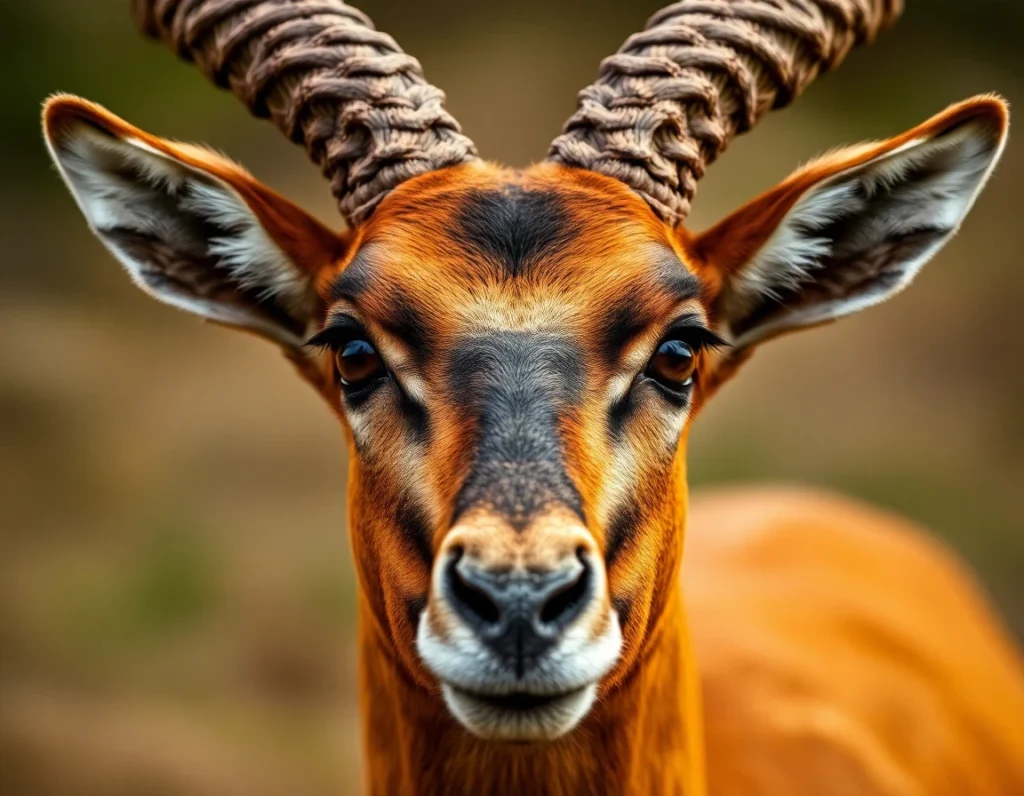
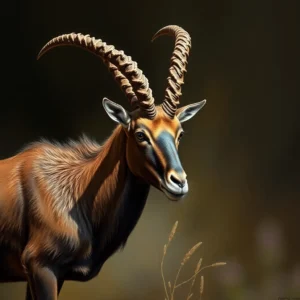
Markhor close-up
Markhor

SURVIVAL TOOLKIT

Built for Survival

Nature's engineering refined over millions of years

ud83cudf00 Spiral Horns

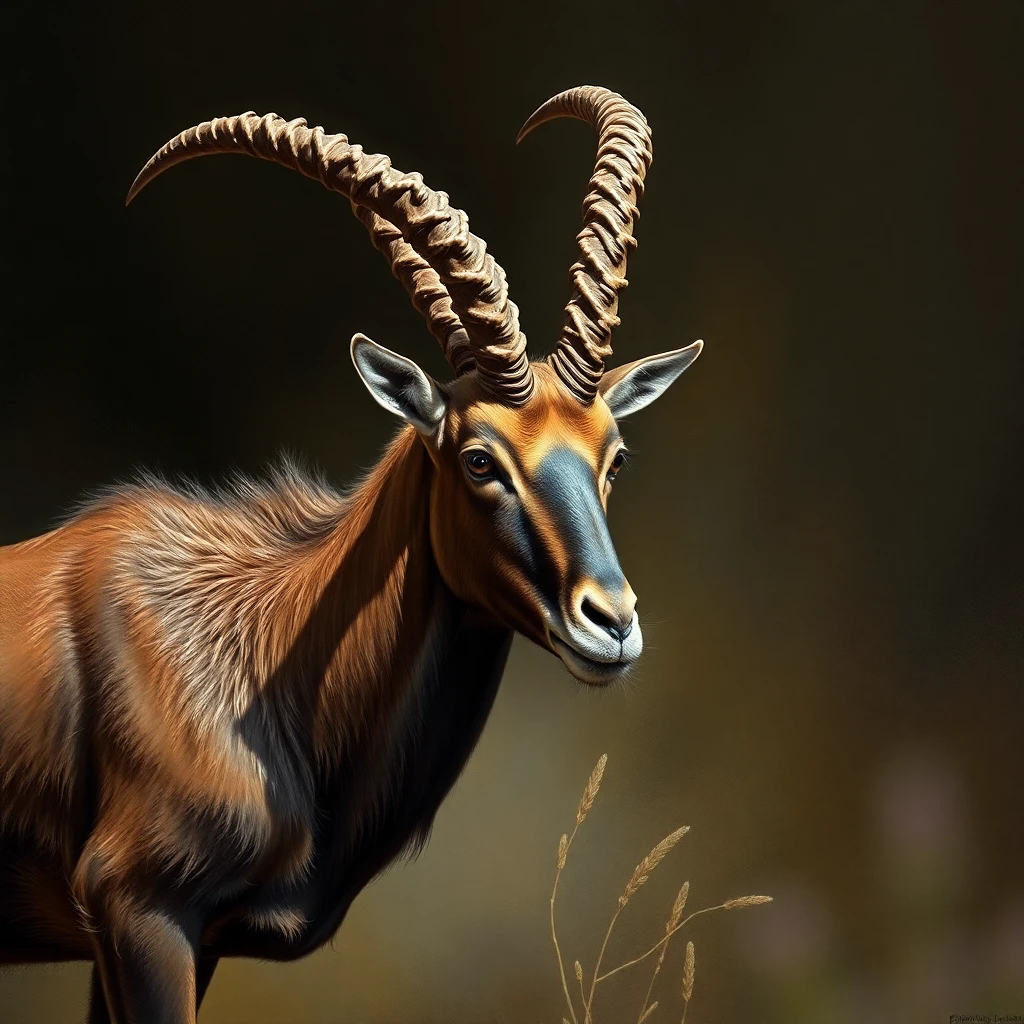
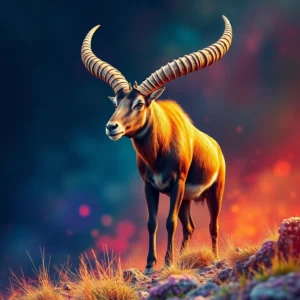
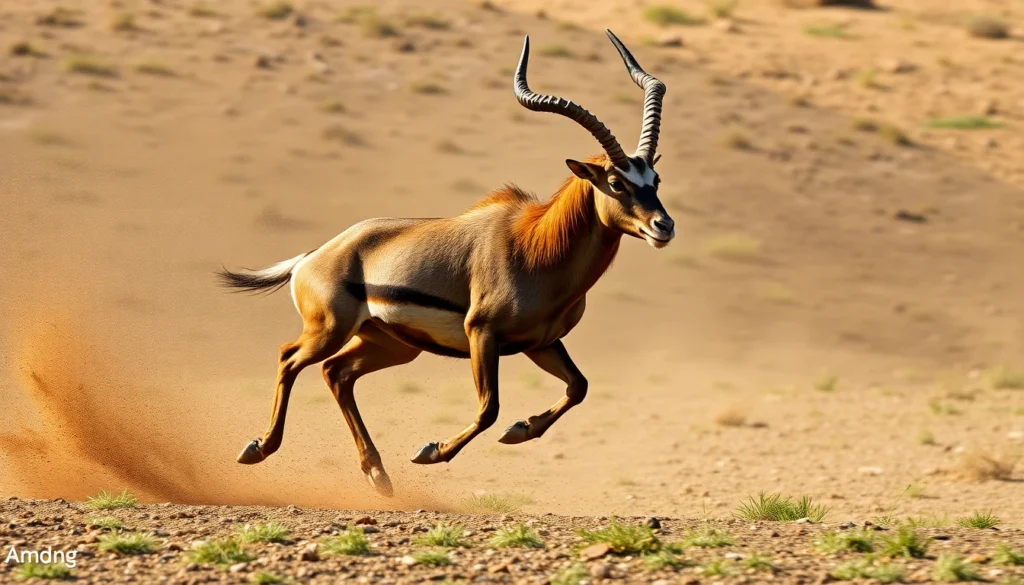
Magnificent corkscrew horns can reach 160 cm u2014 used in battles and to scrape tree bark for food.

ud83euddb6 Sure-Footed Hooves

Cloven hooves with hard edges and soft inner pads grip vertical rock faces and gravel slopes.

ud83eudde5 Shaggy Winter Coat

Long, shaggy winter fur protects against temperatures of -20u00b0C at altitude.

ud83dudca8 High-Altitude Lungs

Adapted to thin air at 1,500u20133,600 m elevation with high red blood cell density.

ud83eudd38 Incredible Agility

Can leap 3 m vertically and navigate sheer cliff faces at speeds that defy belief.

ud83cudfd4ufe0f Pakistan's National Animal

Revered in Pakistani and Central Asian culture as a symbol of national pride and resilience.

Estimated Wild Population

2,500 – 3,500

Markhor remaining in the wild · as of 2023

→ Population Stable

For context — New York City alone has 8 million people.
The entire wild population of the Markhor could fit inside a single football stadium.

💡

Did You Know?

When a Markhor eats a venomous snake and chews it, the foamy saliva that falls to the ground is believed by locals to cure snakebite — earning it the name "snake eater" in Persian.

What Does the Markhor Eat?

Herbivore

🦌 Grasses
🦌 Leaves
🦌 Twigs
🦌 Herbs
🦌 Wild Fruits
🦌 Shrubs

Threats to the Markhor

Human activity and habitat loss are pushing this species toward extinction

ud83dudd2b

Illegal Hunting

Hunted for trophies, traditional medicine, and meat across its Central Asian range.

ud83cudf33

Habitat Loss

Overgrazing, deforestation and development destroy alpine meadow habitat.

u2694ufe0f

Human-Wildlife Conflict

Competes with domestic livestock for scarce alpine grazing resources.

ud83cudf21ufe0f

Climate Change

Rising temperatures and extreme weather affect alpine grass availability.

GEOGRAPHIC RANGE

Where Do Markhors Live?

Pakistan, Afghanistan, India, Uzbekistan, Tajikistan — mountain ranges of Central Asia

🌍
Continents
📐
Total Range Area Across 5 countries, < 50,000 km² suitable habitat
🐾
Wild Population 2,500 – 3,500 estimated
➡️
Population Trend Stable

Conservation in Action

How You Can Help the Markhor

Small actions, taken together, can reverse the decline of species like this one

🌳 Protect Habitat

Support wildlife reserves and protected land corridors

🚫 Stop Poaching

Report illegal trade and back anti-poaching patrols

🔬 Fund Research

Camera-trap studies and population monitoring

🤝 Community Work

Partner with local herders to reduce conflict

📢 Raise Awareness

Educate and inspire future wildlife champions

"Without urgent action, the Markhor could disappear from the wild within our lifetime."

PROTECT THEM. PRESERVE THEIR LEGACY.

The Markhor's Future
Is In Our Hands

Every share, every donation, every voice raised — makes a difference for wildlife conservation.

🌳Protect Habitat
📢Raise Awareness
💰Fund Research
🤝Community Work
🚫Stop Poaching

Advertisement