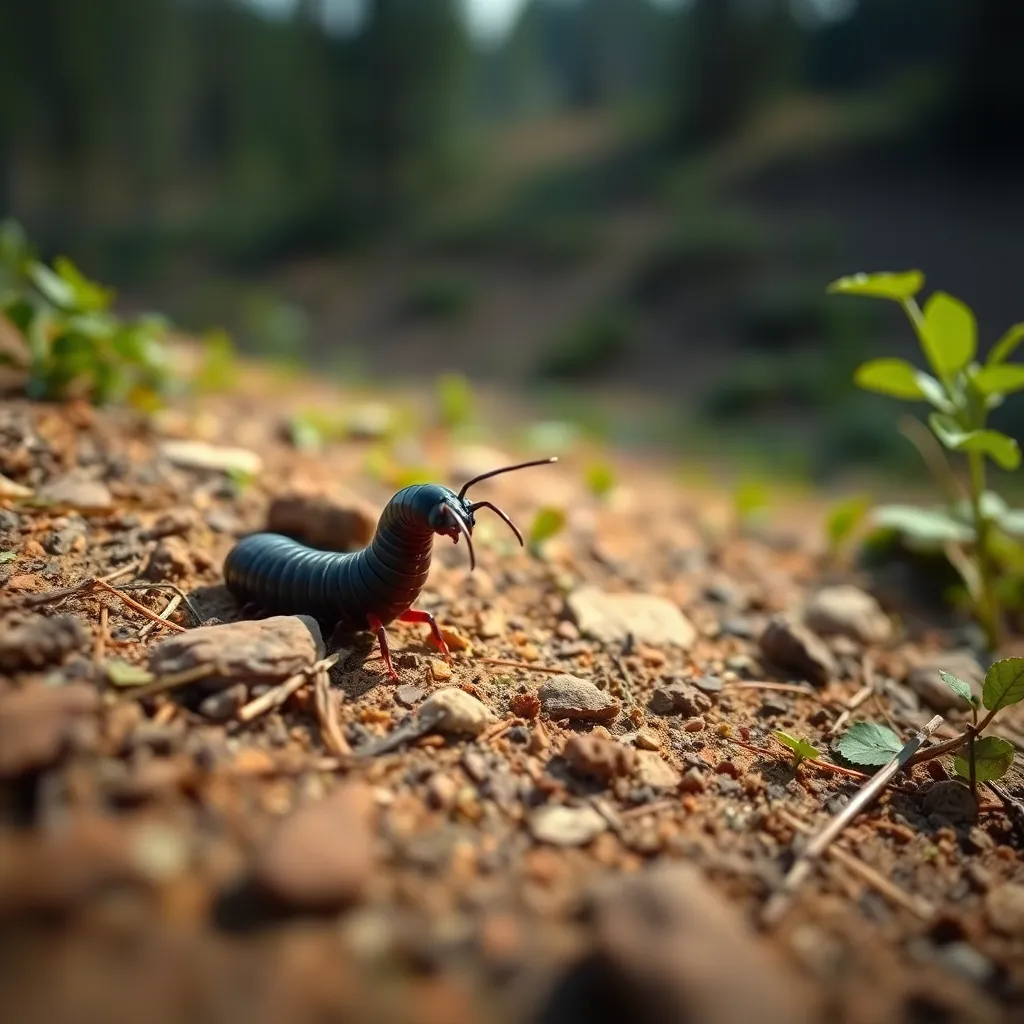
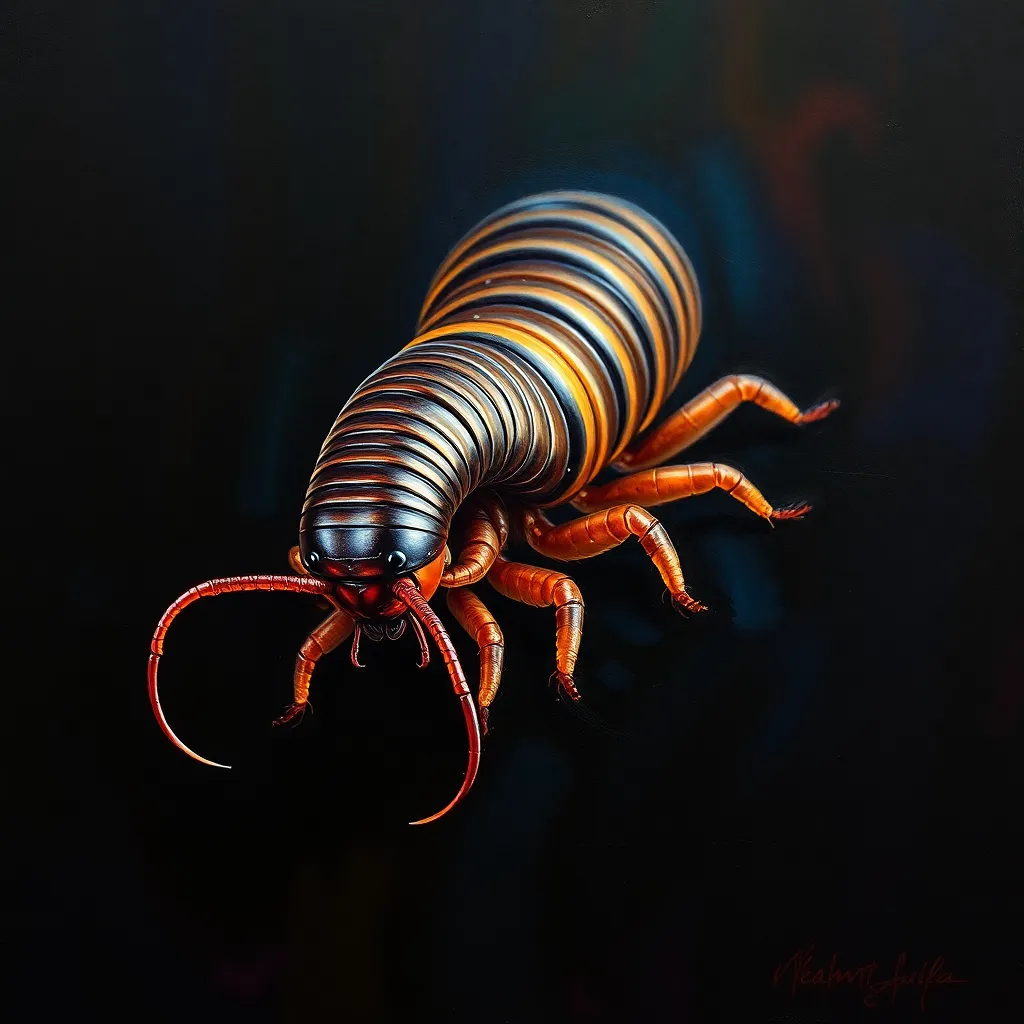
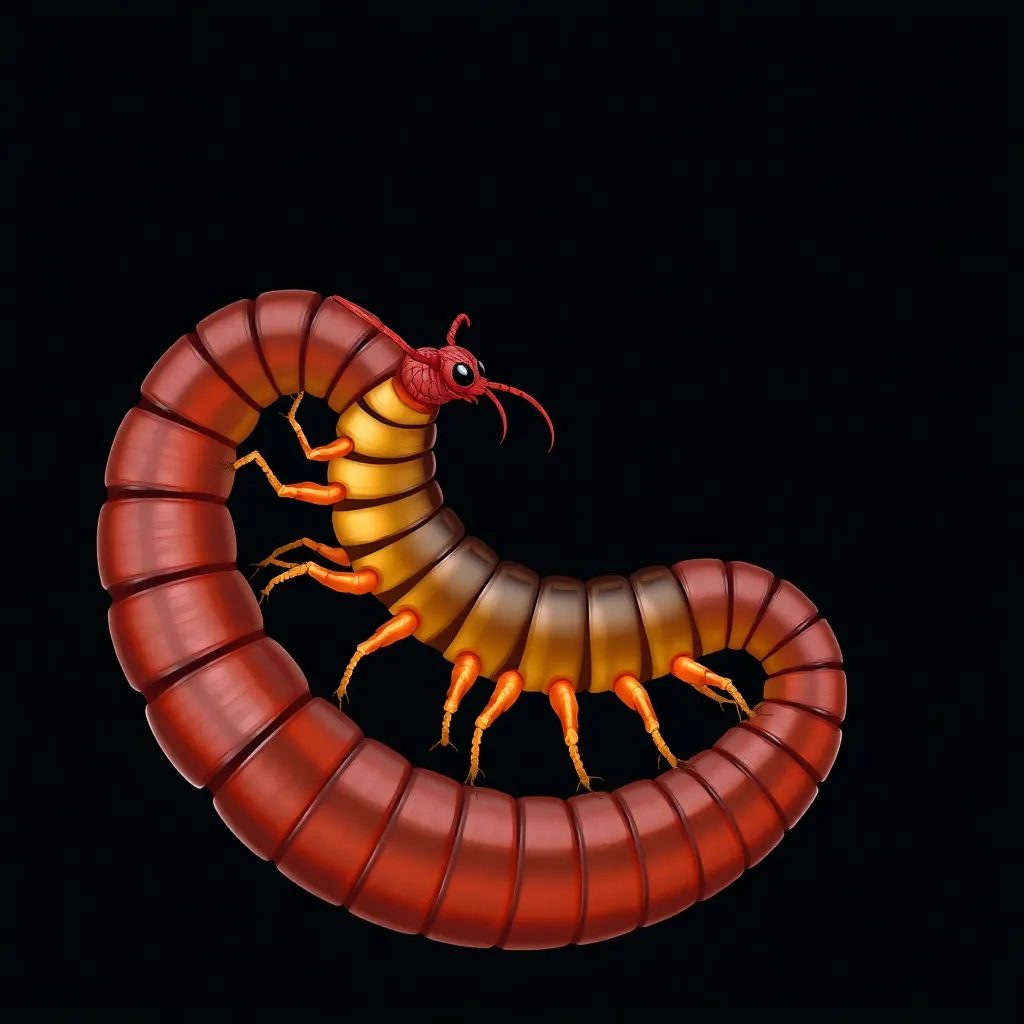
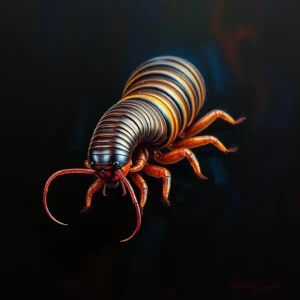
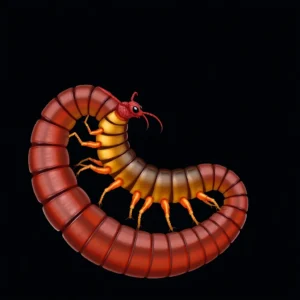
The American giant millipede is one of North America’s largest myriapod arthropods, found in the decaying wood and leaf litter of deciduous forests from New York to Florida. As primary decomposers, millipedes are essential to nutrient cycling — fragmenting dead plant material into fine particles that fungi and bacteria can process further. Their remarkable lineage stretches back nearly half a billion years, making them among the most evolutionarily successful terrestrial animals in Earth’s history.
About the Millipede
Narceus americanus
Advertisement
⚡ Speed Comparison
📸 Photo Gallery


💡 Fun Facts
01
Despite the name meaning 'thousand feet,' no millipede species has exactly 1,000 legs — most have between 36 and 400, though one species holds the record at 1,306.
02
Millipedes are among the oldest land animals on Earth, with fossils dating to 428 million years ago making them among the first organisms to colonize terrestrial habitats.
03
When threatened, the North American millipede curls into a tight spiral and releases hydrogen cyanide from glands along its body — enough to kill small insects.
04
Millipedes add one or two new body segments complete with two pairs of legs each time they molt throughout their lives.
05
In the Brazilian Amazon, giant millipede aggregations of millions of individuals migrate together across the forest floor after heavy rains in a phenomenon locals call 'worm rain.'
📍 Where to Find This Animal
Habitat Types:
Deciduous Forest Floor
🛒 Millipede Related Gear
As an Amazon Associate we earn from qualifying purchases.



Join the Conversation
Share your thoughts about the Millipede