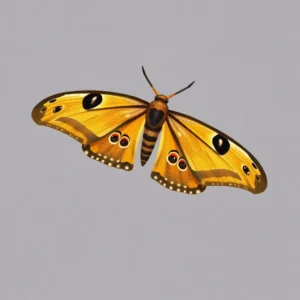
Loading Wildlife…

Sphingidae LC

THE

MOTH

Night Dancer of the Garden

Manduca sexta

Americas
CLASS Insecta FAMILY Sphingidae GENUS Manduca
17 km/h
Top Speed
⚖️
2–3 g kg
Max Weight
📏
10–15 cm (wingspan)
Body Length
🕰️
2–3 weeks (adult) yrs
Lifespan
🍖
Nectarivore
Diet Type

IUCN Red List — Where this species stands

LC Least Concern
NT Near Threatened
VU Vulnerable
EN Endangered
CR Critical
EW Extinct Wild
EX Extinct

About the Moth

Manduca sexta

Advertisement

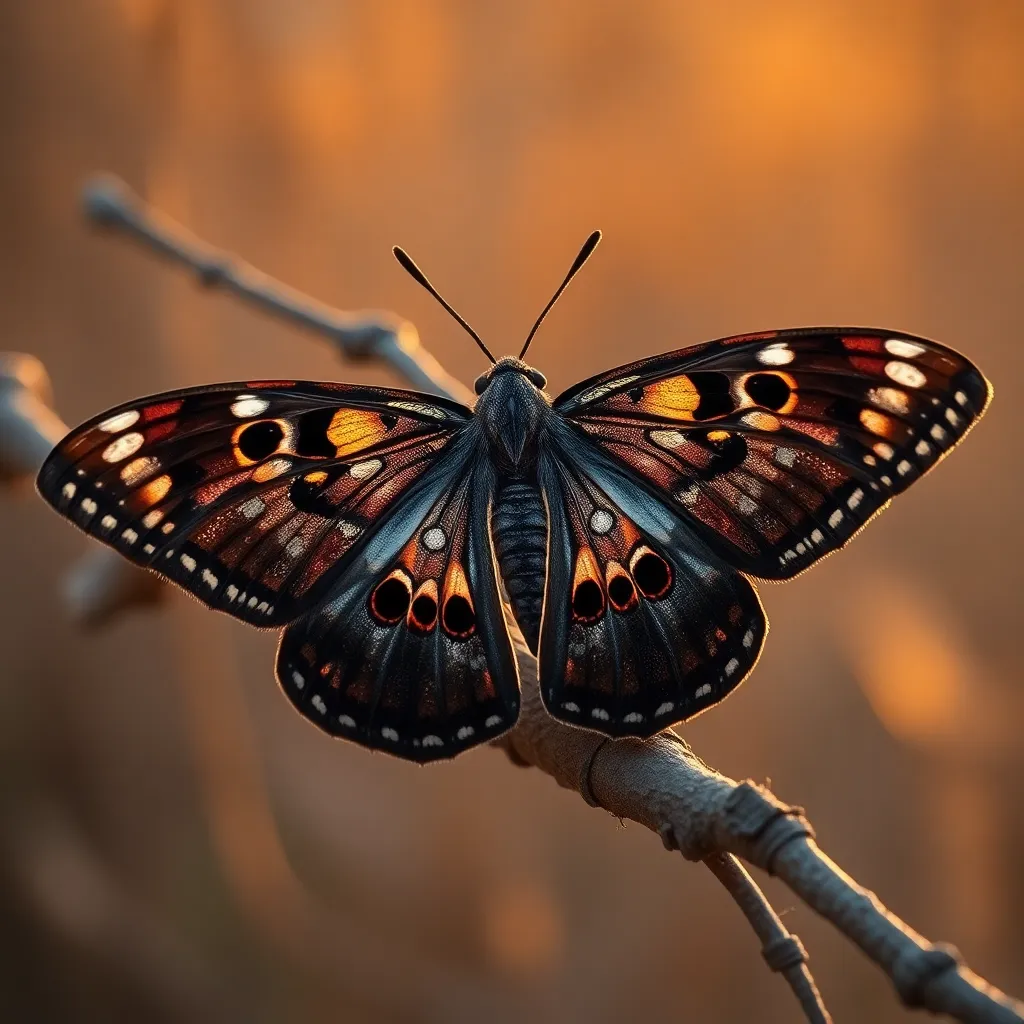
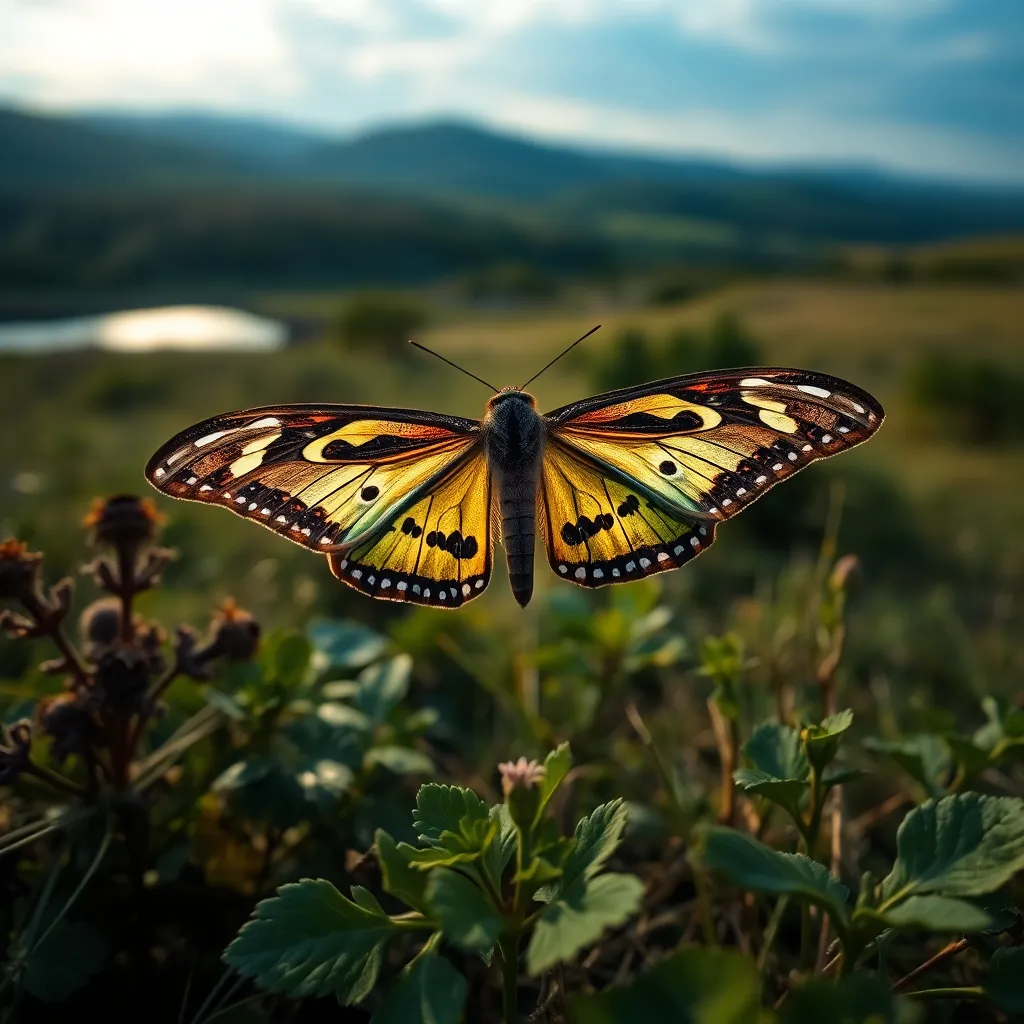
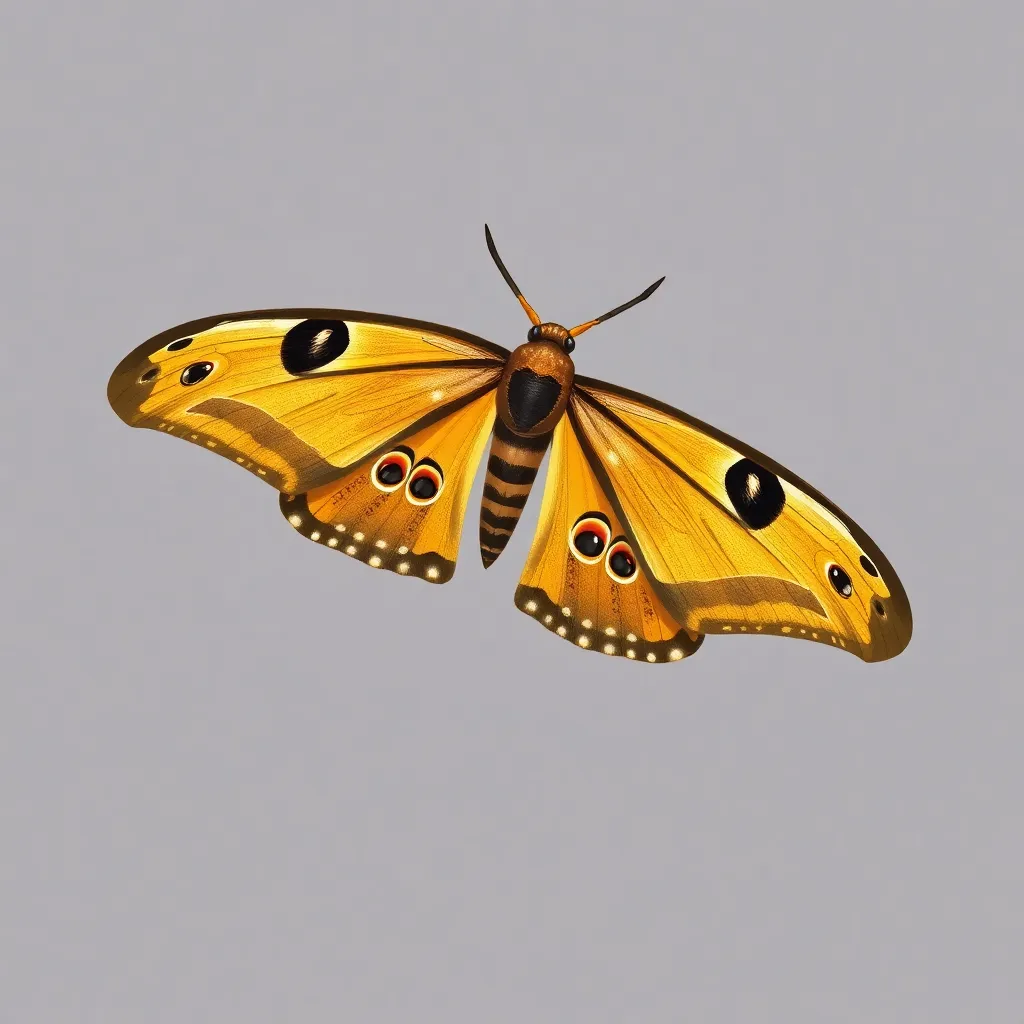
The tobacco hawkmoth is a large, powerfully flying sphinx moth whose hovering flight — achieved through rapid wingbeats generating aerodynamic forces analogous to a helicopter — allows it to feed on deep tubular flowers inaccessible to most pollinators. The caterpillar stage, known as the tobacco hornworm, is one of the most studied insects in biology and neuroscience, used as a model organism for understanding insect hormonal development, chemosensory neuroscience, and plant-insect interactions. As an adult, the moth pollinates flowers exclusively at night, guided to them by both scent and ultraviolet-reflective floral markings invisible to human eyes.

⚡ Speed Comparison

Human
12 km/h
Moth
17 km/h
Car (city)
50 km/h
Horse
54 km/h

💡 Fun Facts

01

Hawkmoth caterpillars experience a complete metamorphosis so radical that the protein components of nearly all larval cells are dissolved and rebuilt into an entirely different body plan during pupation.

02

Manduca sexta has been documented hovering and feeding in conditions of near-complete darkness using a neural processing system that integrates visual information across time to stabilize flight.

03

The proboscis of some hawkmoth species exceeds 30 cm — longer than the moth's body — and was predicted by Darwin before its discovery to match Angraecum sesquipedale orchid's nectar spur.

04

Hawkmoth caterpillars engage in chemical deterrence by incorporating toxic nicotine alkaloids from host plants into their hemolymph, then releasing it through breath to repel spider predators.

05

Moths navigate by holding the moon at a constant angle relative to their flight path — a system only goes wrong with artificial lights, causing the spiraling toward light sources that was once misunderstood as attraction.

Unlock Expert Wildlife Facts

Watch a short 15-second video to unlock detailed expert analysis, exclusive wildlife photography, and rare behavioral facts.

📍 Where to Find This Animal

🛒 Moth Related Gear

As an Amazon Associate we earn from qualifying purchases.
🗨️

Join the Conversation

Share your thoughts about the Moth

✍️

Leave a Comment

Your email address will not be published. Required fields are marked *

How Big Is a Moth?

Side-by-side comparison with an adult human (175 cm)

🧍
Human
175 cm
🦋
Moth
65 cm
shoulder height
2–3 BODY WEIGHT
10–15 BODY LENGTH
17 TOP SPEED
2–3 LIFESPAN
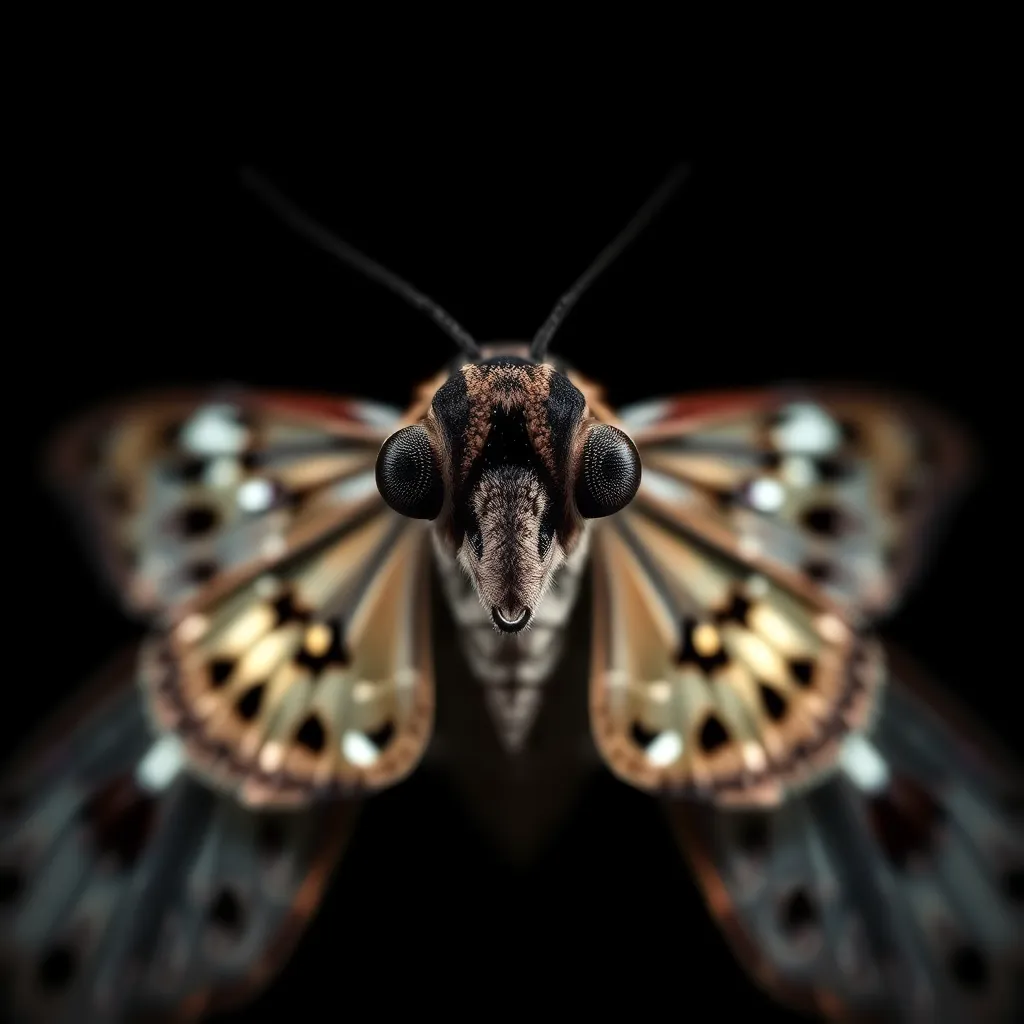
Moth close-up
Moth

SURVIVAL TOOLKIT

Built for Survival

Nature's engineering refined over millions of years

🔬 SURVIVAL TOOLKIT
Hovering Flight
01

Hovering Flight

Wings beat at up to 80 times per second generating sufficient lift and maneuverability to hover stationary at flower openings in turbulent air, accessing nectar unavailable to other pollinators.

Nocturnal Compound Eyes
02

Nocturnal Compound Eyes

Superposition compound eyes pool light from many facets onto single photoreceptors, achieving visual sensitivity 1000 times greater than diurnal insects for navigating in near-darkness.

Long-Range Pheromone Detection
03

Long-Range Pheromone Detection

Sexually dimorphic antennae in males detect a single molecule of female sex pheromone per cubic metre of air, enabling them to locate mates from over 10 km upwind.

Thoracic Pre-Flight Warm-Up
04

Thoracic Pre-Flight Warm-Up

Flight muscles must reach a minimum temperature of 35°C to function; moths shiver their wings before takeoff to generate metabolic heat, warming their thorax in minutes.

UV Floral Navigation
05

UV Floral Navigation

Compound eyes detect ultraviolet wavelengths invisible to humans, allowing moths to see UV nectar guides and floral patterns on white night-blooming flowers in apparent darkness.

Night Dancer of the Garden. An extraordinary creature that reminds us what we stand to lose.

Jungal Safari · Wildlife Network
💡

Did You Know?

Hawkmoth caterpillars experience a complete metamorphosis so radical that the protein components of nearly all larval cells are dissolved and rebuilt into an entirely different body plan during pupation.

🍖 DIET: NECTARIVORE

What Does the Moth Eat?

🌸
Flower Nectar
🌺
Night-Blooming Tubular Flowers
💧
Fruit Juices & Sap
🌿
Plant Material (larval stage)
🗺️ GEOGRAPHIC RANGE

Where Do Moths Live?

🌍
Continents
📉
Population Trend Declining

Conservation in Action

How You Can Help the Moth

Small actions, taken together, can reverse the decline of species like this one

🌳
Protect Habitat

Support wildlife reserves and protected land corridors

🚫
Stop Poaching

Report illegal trade and back anti-poaching patrols

🔬
Fund Research

Camera-trap studies and population monitoring

🤝
Community Work

Partner with local herders to reduce conflict

📢
Raise Awareness

Educate and inspire future wildlife champions

"Without urgent action, the Moth could disappear from the wild within our lifetime."

PROTECT THEM. PRESERVE THEIR LEGACY.

The Moth's Future
Is In Our Hands

Every share, every donation, every voice raised — makes a difference for wildlife conservation.

🌳Protect Habitat
📢Raise Awareness
💰Fund Research
🤝Community Work
🚫Stop Poaching

"Protect Wildlife. Preserve Our Planet."

Every species matters. Every action counts.

Advertisement