Loading Wildlife…

Monodontidae LC

THE

NARWHAL

Unicorn of the Arctic Seas

Monodon monoceros

Arctic
CLASS Mammalia FAMILY Monodontidae GENUS Monodon
~25 km/h
Top Speed
⚖️
800-1,600 kg
Max Weight
📏
4-5 m (excluding tusk)
Body Length
🕰️
50 years
Lifespan
🍖
Carnivore
Diet Type

IUCN Red List — Where this species stands

LC Least Concern
NT Near Threatened
VU Vulnerable
EN Endangered
CR Critical
EW Extinct Wild
EX Extinct

About the Narwhal

Monodon monoceros

Advertisement

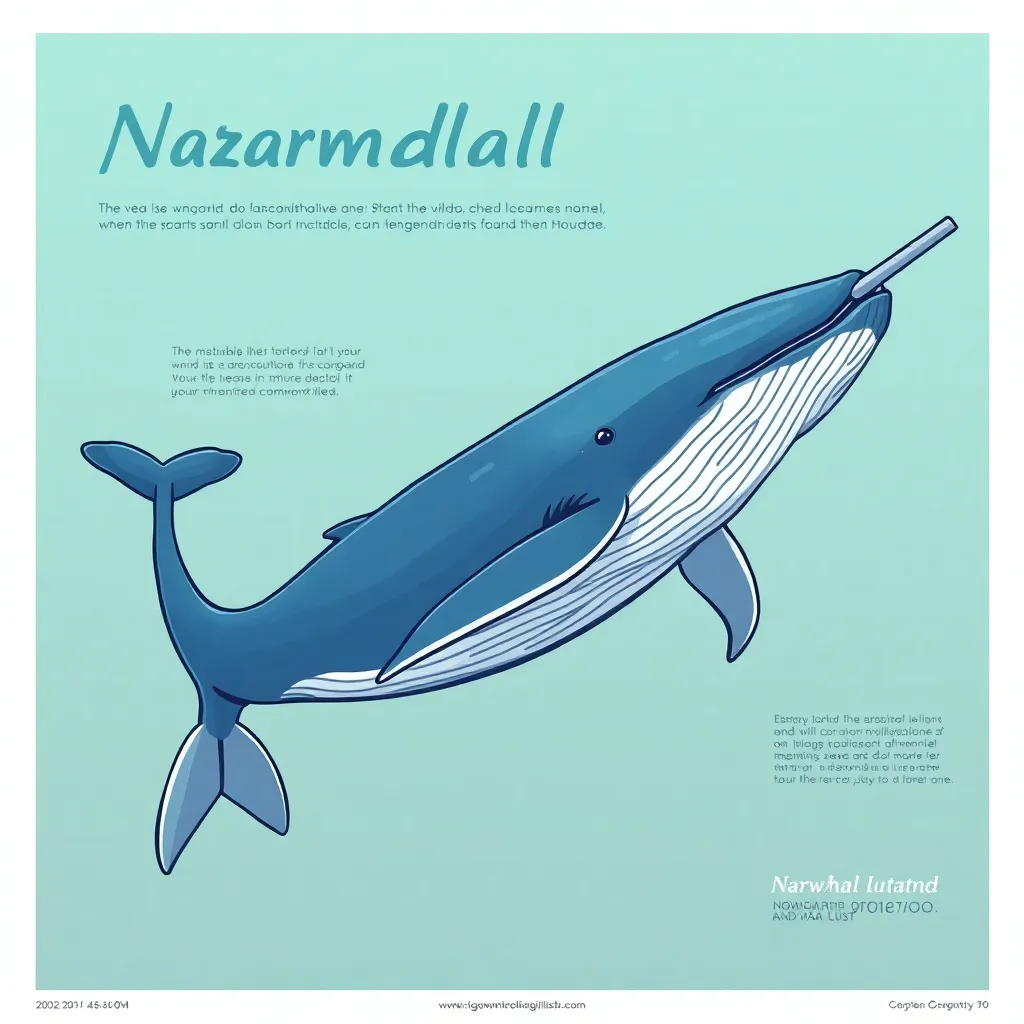
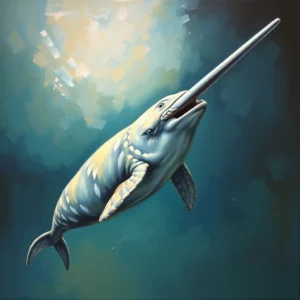
The narwhal is a medium-sized toothed whale found in the Arctic waters of Canada, Greenland, Norway, and Russia, renowned for the extraordinary spiral tusk that can grow up to 3 meters in males. This tusk is actually a modified upper-left canine tooth that erupts through the lip and grows in a left-handed helix, embedded with up to 10 million sensory nerve endings. Narwhals are among the deepest-diving cetaceans, plunging to over 1,500 meters in near-total darkness during winter to hunt Greenland halibut under pack ice.

⚡ Speed Comparison

Human
12 km/h
Narwhal
25 km/h
Car (city)
50 km/h
Horse
54 km/h

💡 Fun Facts

01

The narwhal's tusk contains up to 10 million sensory nerve endings connected to the outside through microscopic channels, possibly detecting temperature, pressure, and salinity.

02

Narwhals can dive to depths exceeding 1,800 meters and hold their breath for up to 25 minutes during winter hunts under Arctic pack ice.

03

Up to 15% of females also develop a tusk, and rare individuals have been recorded with two full-length tusks.

04

Narwhals have no dorsal fin — a key adaptation reducing heat loss and allowing movement beneath sea ice without obstruction.

05

They are called the 'canaries of the sea' because they produce a wide variety of click, whistle, and knock vocalizations for echolocation and communication.

Unlock Expert Wildlife Facts

Watch a short 15-second video to unlock detailed expert analysis, exclusive wildlife photography, and rare behavioral facts.

📍 Where to Find This Animal

🛒 Narwhal Related Gear

As an Amazon Associate we earn from qualifying purchases.
🗨️

Join the Conversation

Share your thoughts about the Narwhal

✍️

Leave a Comment

Your email address will not be published. Required fields are marked *

How Big Is a Narwhal?

Side-by-side comparison with an adult human (175 cm)

🧍
Human
175 cm
🦄
Narwhal
65 cm
shoulder height
800-1,600 BODY WEIGHT
4-5 BODY LENGTH
~25 TOP SPEED
50 LIFESPAN
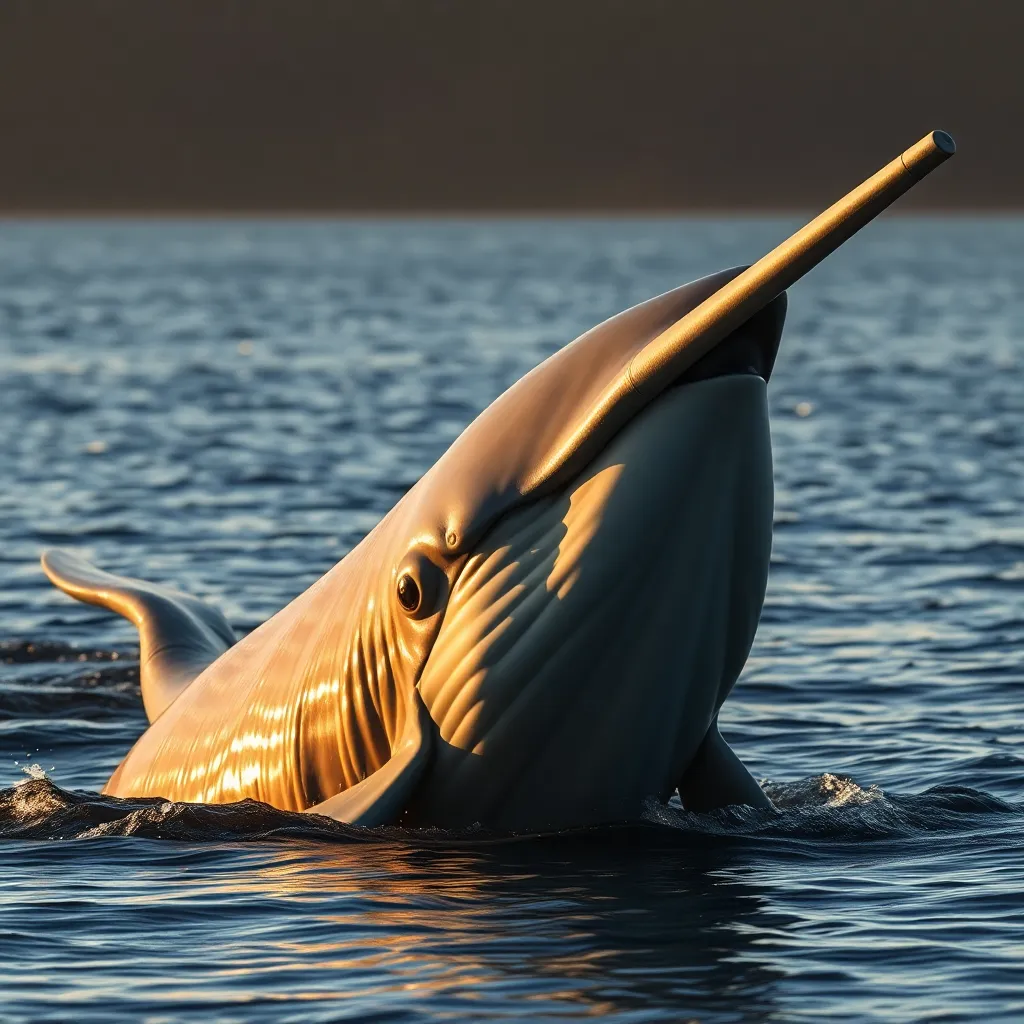
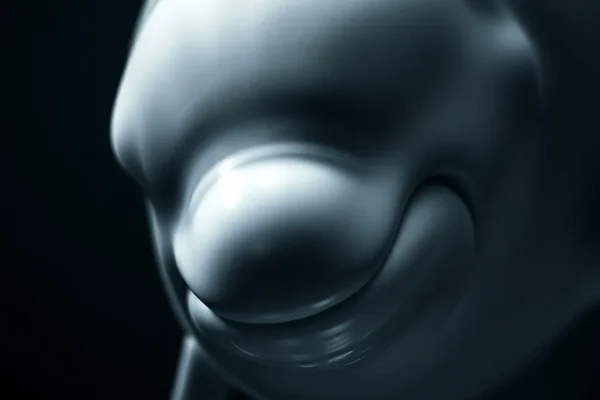
Narwhal close-up
Narwhal

SURVIVAL TOOLKIT

Built for Survival

Nature's engineering refined over millions of years

🔬 SURVIVAL TOOLKIT
Sensory Tusk
01

Sensory Tusk

A spiraling 3-meter canine tooth bristling with nerve endings may detect ocean salinity, temperature, and pressure changes.

Sea-Ice Navigation
02

Sea-Ice Navigation

Absence of a dorsal fin allows narwhals to swim freely beneath pack ice without getting snagged, accessing rich under-ice feeding grounds.

Circulatory Dive Reflex
03

Circulatory Dive Reflex

Heart rate slows dramatically during deep dives and blood is shunted from extremities to vital organs, conserving oxygen for dives over 1,500 m.

Blubber Insulation
04

Blubber Insulation

A thick blubber layer comprising up to 40% of body weight insulates against Arctic waters approaching freezing.

Echolocation
05

Echolocation

Narwhals produce high-frequency click trains through their melon to navigate and locate fish beneath hundreds of meters of ice.

Unicorn of the Arctic Seas. An extraordinary creature that reminds us what we stand to lose.

Jungal Safari · Wildlife Network
💡

Did You Know?

The narwhal's tusk contains up to 10 million sensory nerve endings connected to the outside through microscopic channels, possibly detecting temperature, pressure, and salinity.

🍖 DIET: CARNIVORE

What Does the Narwhal Eat?

🐟
Greenland halibut
🦑
Arctic squid
🦐
Polar shrimp
🐡
Arctic cod
🗺️ GEOGRAPHIC RANGE

Where Do Narwhals Live?

🌍
Continents
➡️
Population Trend Unknown

Conservation in Action

How You Can Help the Narwhal

Small actions, taken together, can reverse the decline of species like this one

🌳
Protect Habitat

Support wildlife reserves and protected land corridors

🚫
Stop Poaching

Report illegal trade and back anti-poaching patrols

🔬
Fund Research

Camera-trap studies and population monitoring

🤝
Community Work

Partner with local herders to reduce conflict

📢
Raise Awareness

Educate and inspire future wildlife champions

"Without urgent action, the Narwhal could disappear from the wild within our lifetime."

PROTECT THEM. PRESERVE THEIR LEGACY.

The Narwhal's Future
Is In Our Hands

Every share, every donation, every voice raised — makes a difference for wildlife conservation.

🌳Protect Habitat
📢Raise Awareness
💰Fund Research
🤝Community Work
🚫Stop Poaching

"Protect Wildlife. Preserve Our Planet."

Every species matters. Every action counts.

Advertisement