Africa’s Deadliest Predator (to Humans)
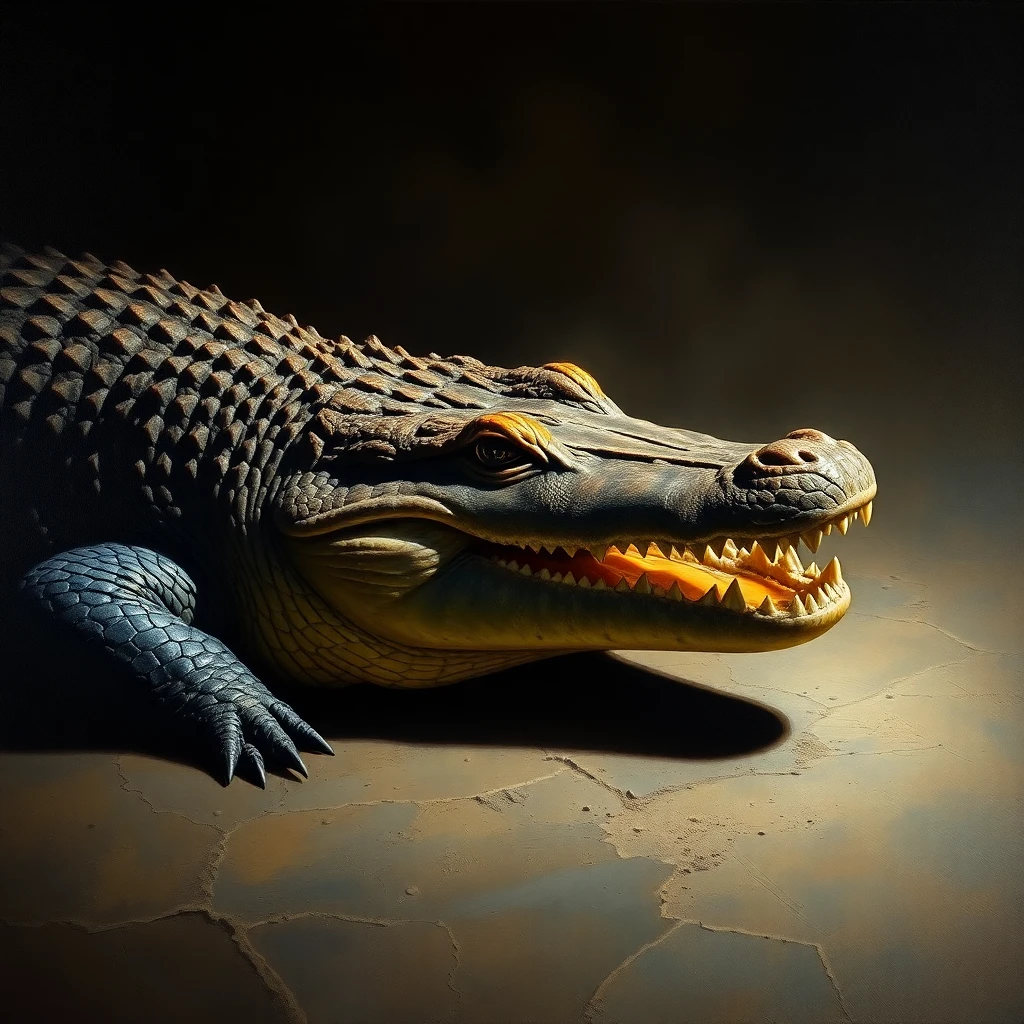
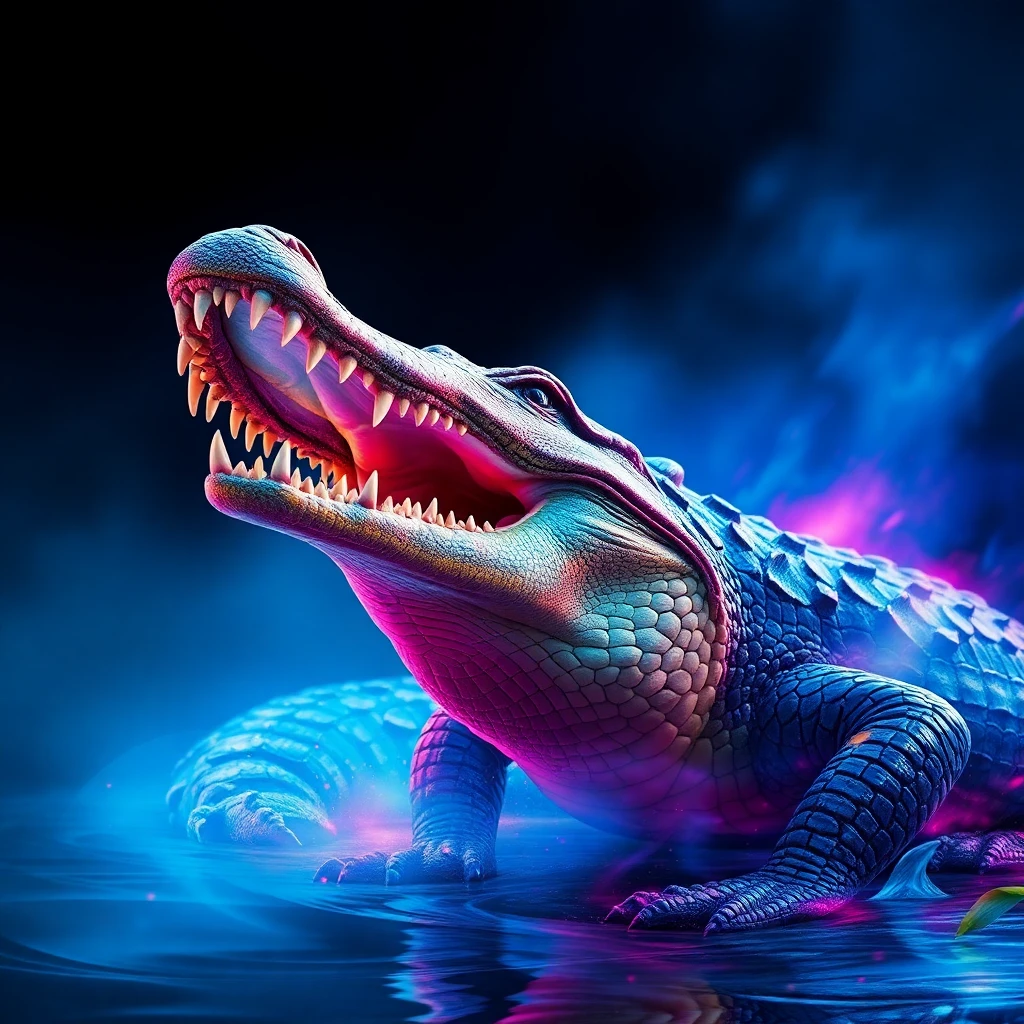
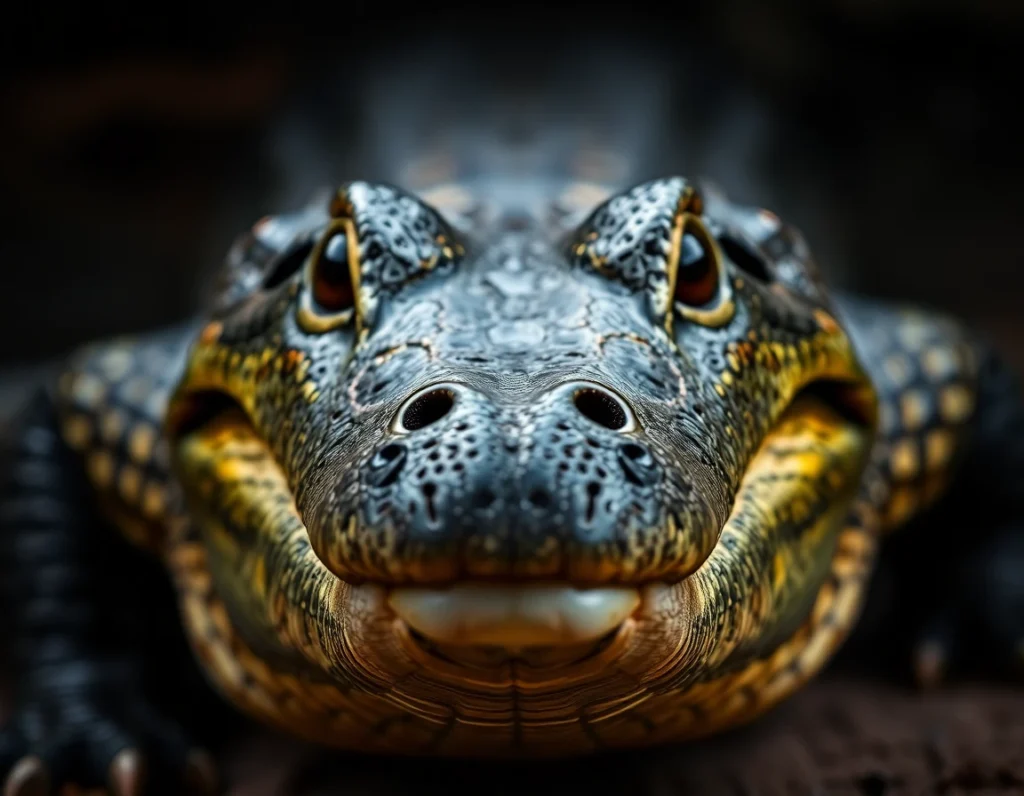
The Nile Crocodile (Crocodylus niloticus) kills approximately 200–500 people per year — more than lions, sharks, and hippos combined (outside of mosquito-borne diseases), making it Africa’s most lethal large predator from a human fatality perspective. A living relic from the age of dinosaurs, the Nile crocodile’s body plan has remained virtually unchanged for 200 million years — evolution’s endorsement of a design so effective that no improvement was necessary.
The Death Roll & Ambush Mastery
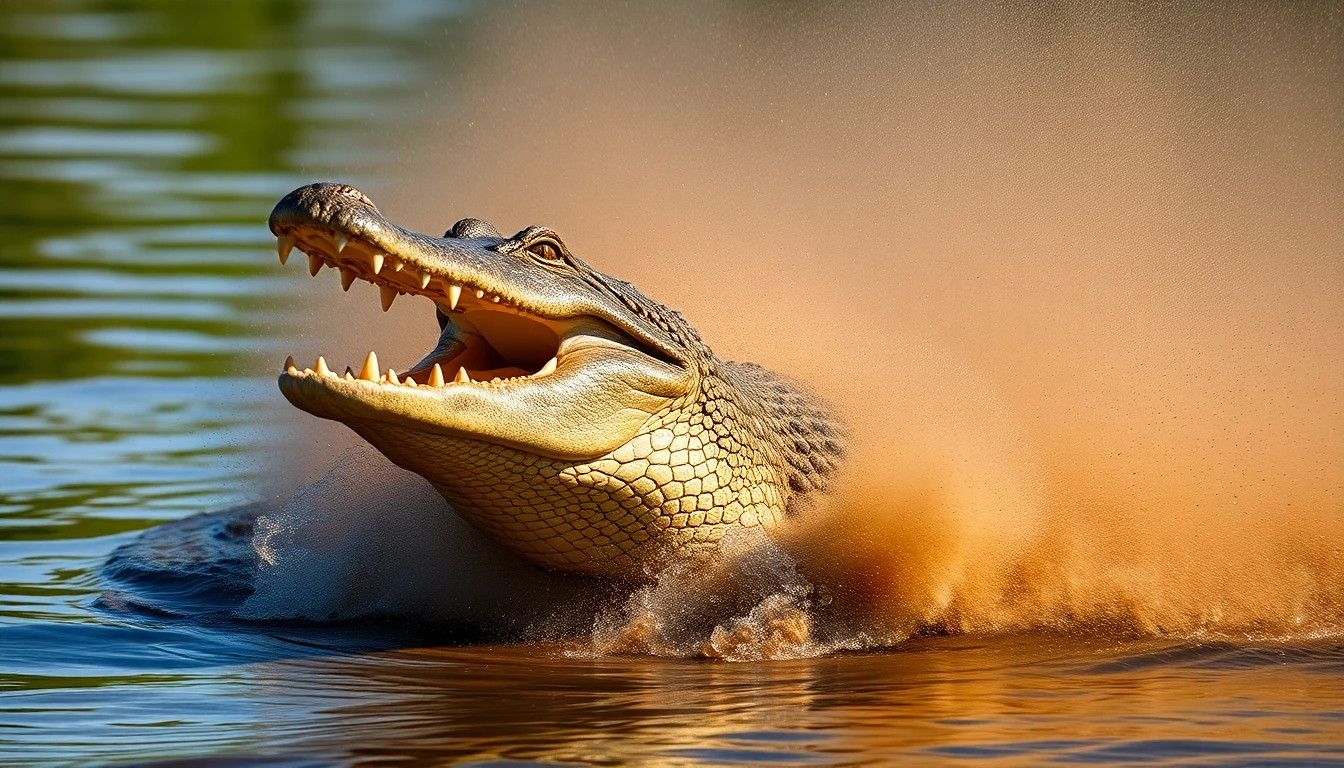
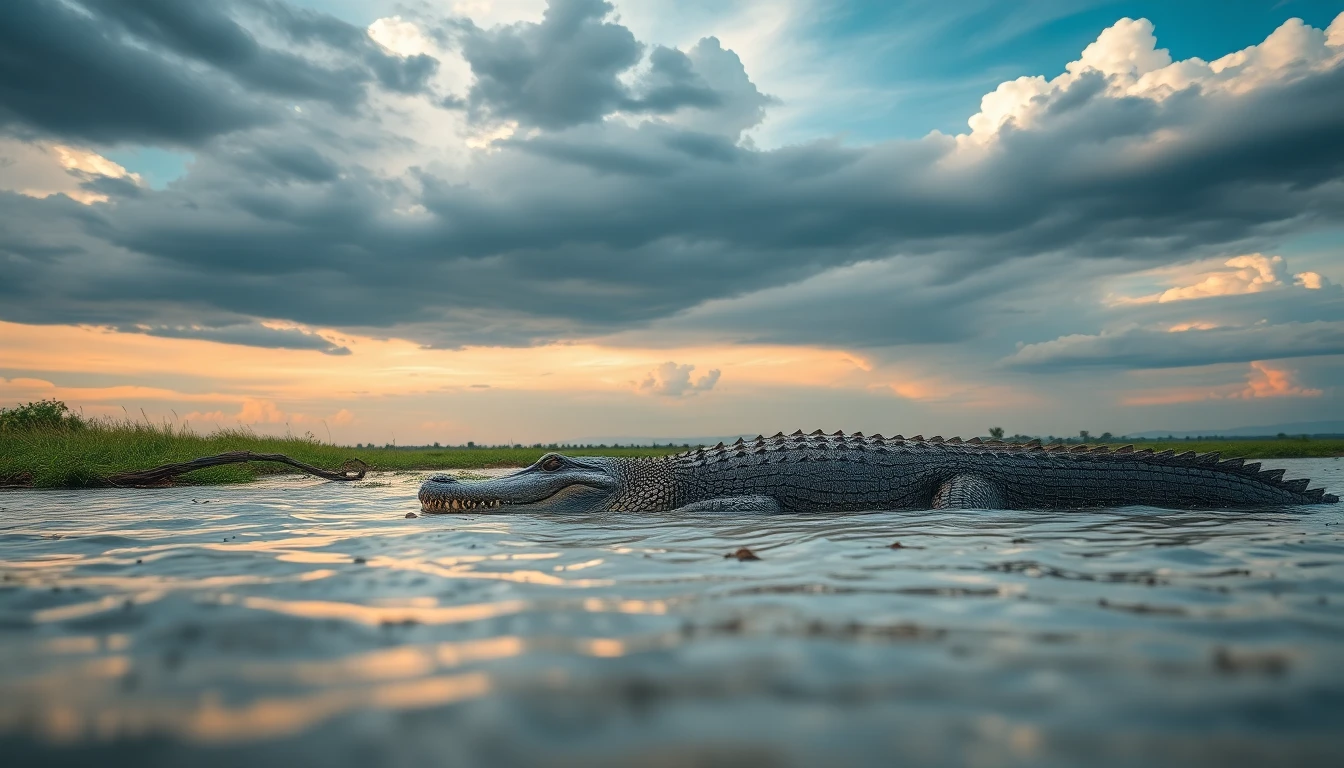
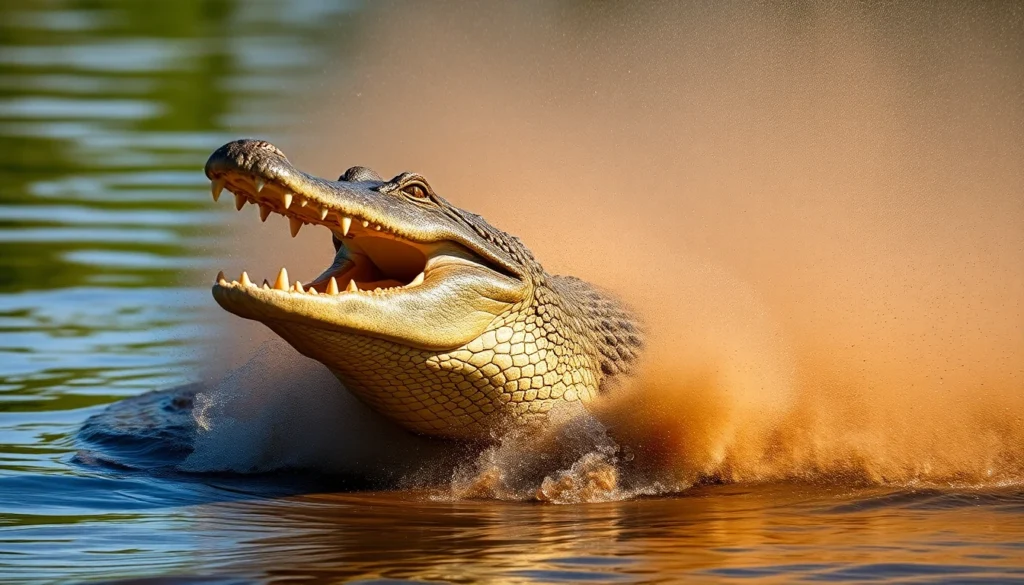
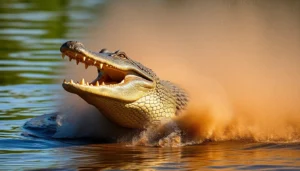
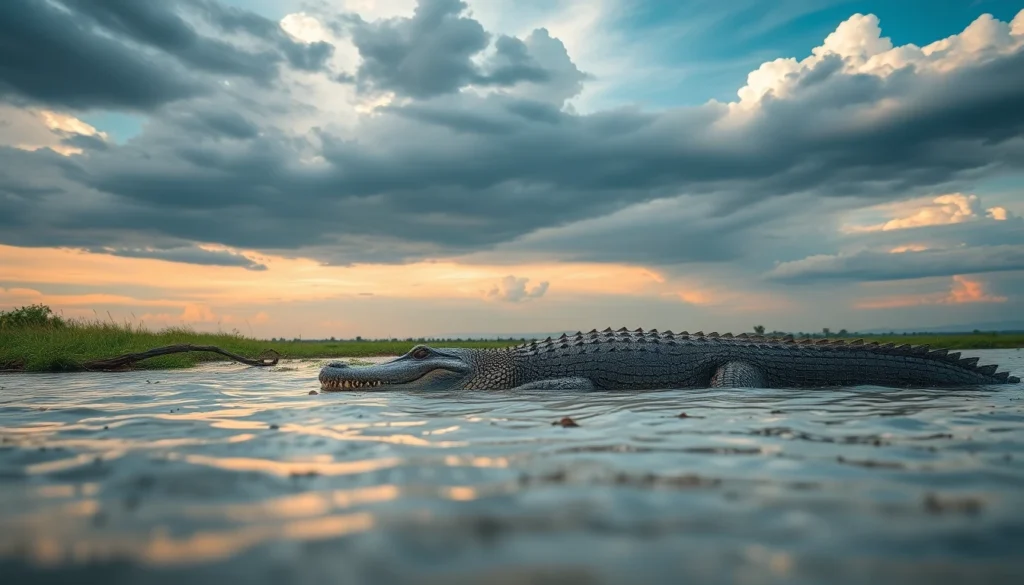
A Nile crocodile ambush is executed with terrifying efficiency. Lying motionless at the water’s edge — invisible except for eyes and nostrils — a crocodile can remain stationary for hours, then strike with a lunge reaching 2 metres out of the water in under a second. The bite force — 5,000 psi (pounds per square inch), the strongest of any living animal — secures the prey, which is then killed through the “death roll”: the crocodile rotates rapidly around its longitudinal axis, using torque to dismember or drown the prey. A single male crocodile can consume a 200-kg wildebeest in less than 30 minutes.
Thermoregulation & Parental Care
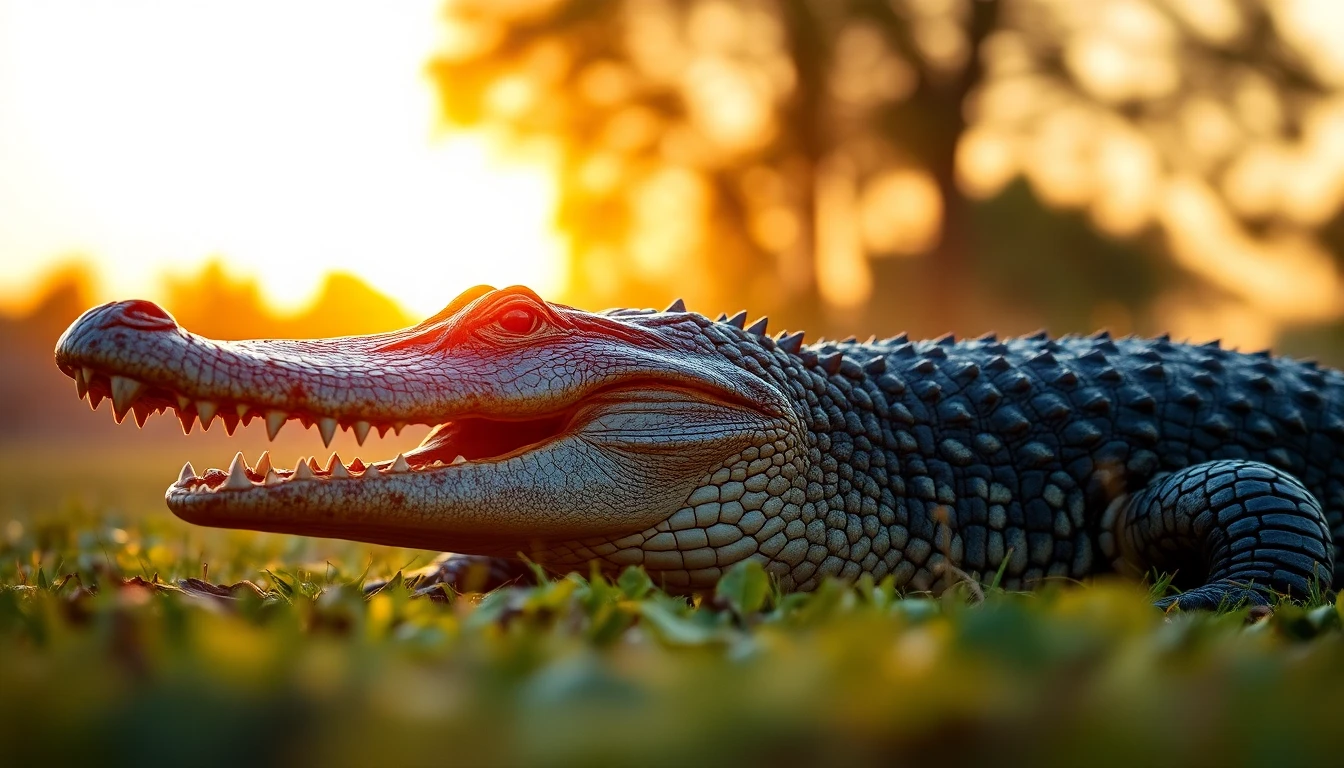
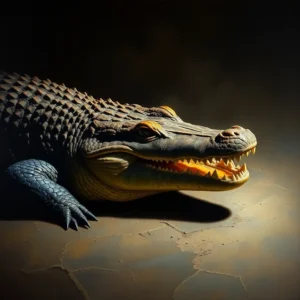
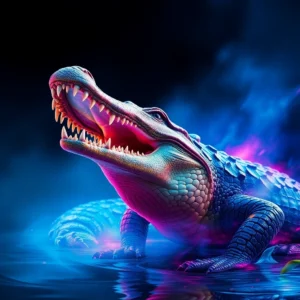
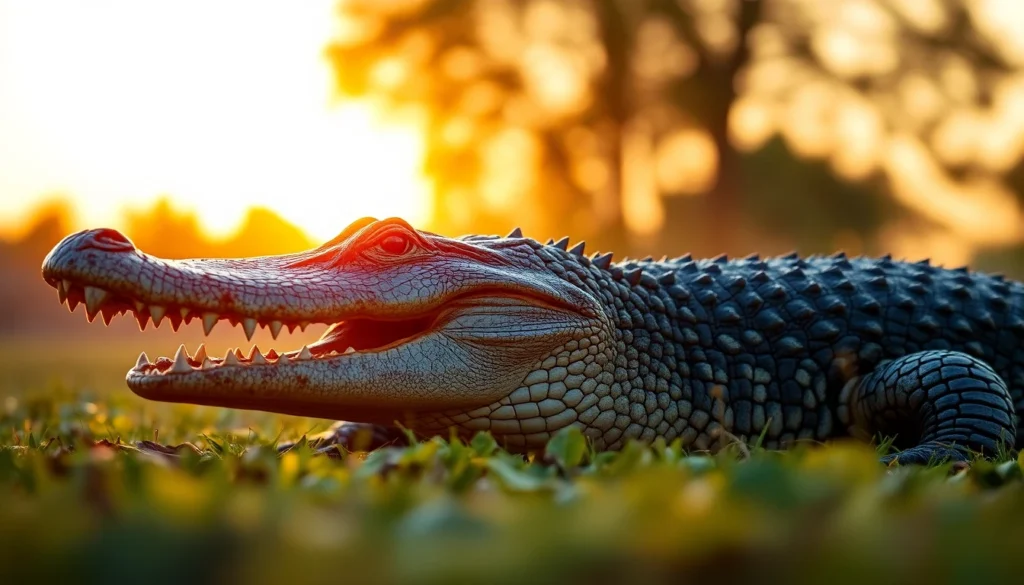
As ectotherms (cold-blooded), Nile crocodiles spend considerable time basking with mouths open in what appears threatening but is actually essential thermal regulation. The open-mouth posture allows heat dissipation from the highly vascularized mouth tissue — an organic radiator. Perhaps most surprising for a creature of such ferocity: Nile crocodiles are exceptionally attentive parents. Females guard nests for 3 months, help hatchlings emerge, carry them to water in their mouths, and protect young for up to 2 years — a level of parental investment extraordinary for reptiles.
Advertisement


Join the Conversation
Share your thoughts about the Nile Crocodile