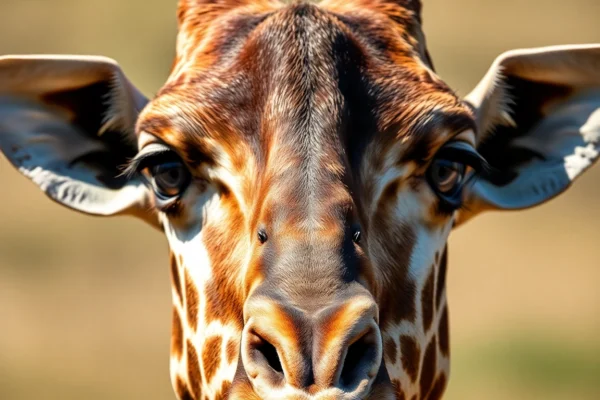
Loading Wildlife…

Giraffidae EN

THE

OKAPI

Forest Phantom of the Congo

Okapia johnstoni

Africa
CLASS Mammalia FAMILY Giraffidae GENUS Okapia
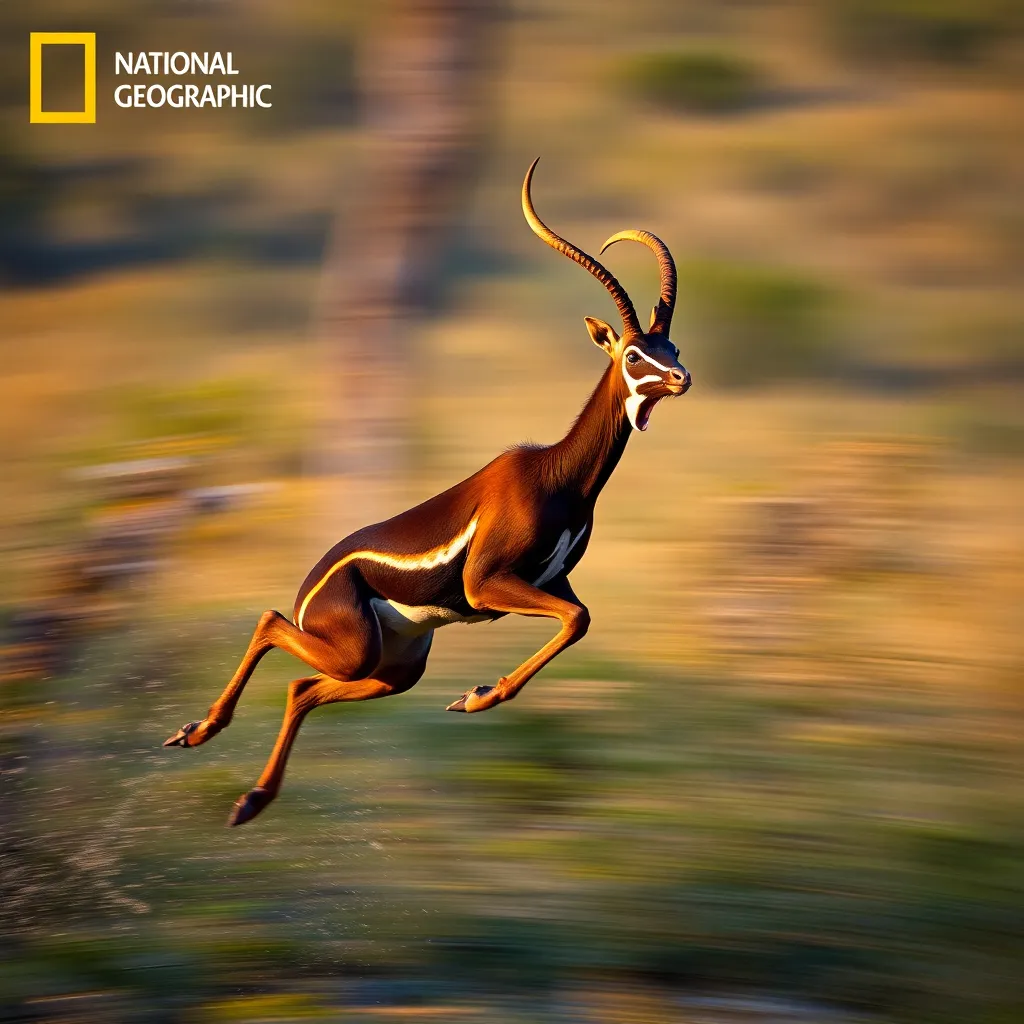
60 km/h
Top Speed
⚖️
200-350 kg
Max Weight
📏
1.9-2.5 m
Body Length
🕰️
20-30 years
Lifespan
🍖
Herbivore
Diet Type

IUCN Red List — Where this species stands

LC Least Concern
NT Near Threatened
VU Vulnerable
EN Endangered
CR Critical
EW Extinct Wild
EX Extinct

About the Okapi

Okapia johnstoni

Advertisement

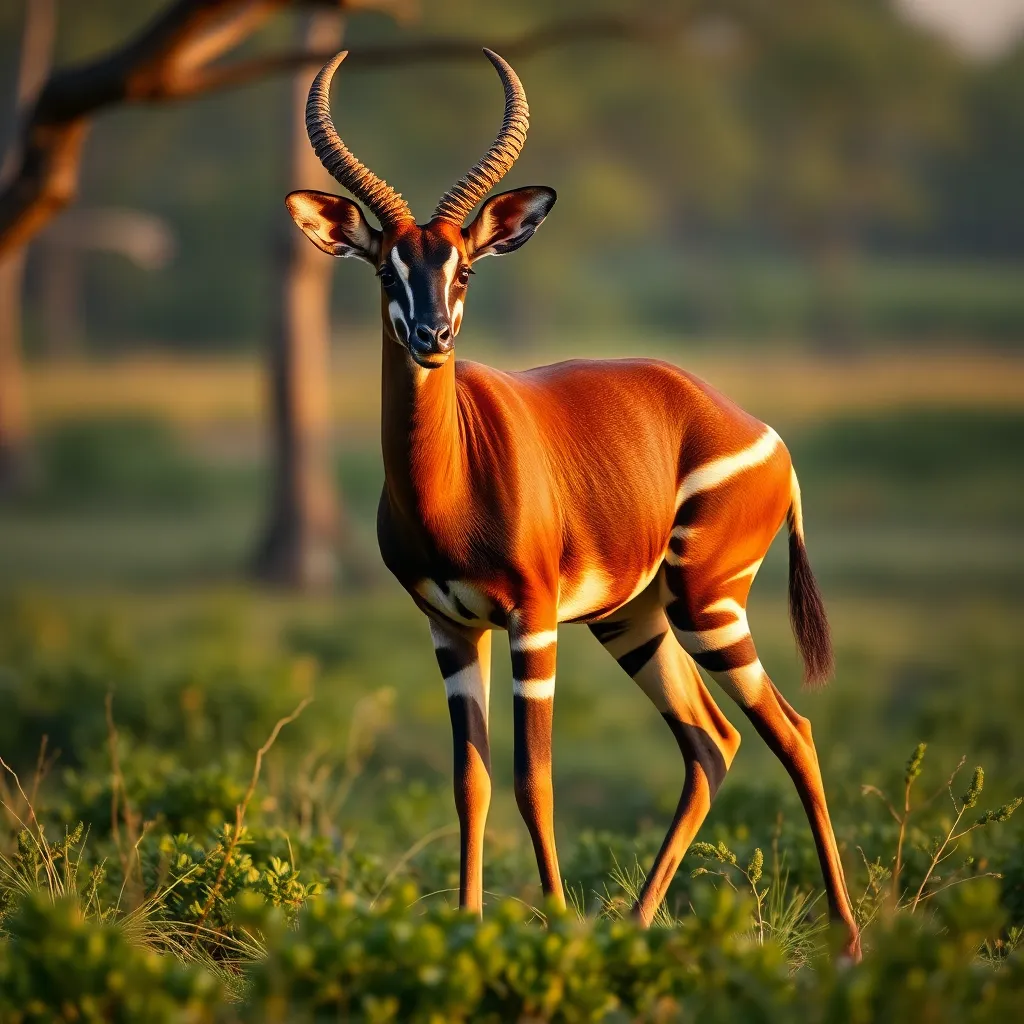
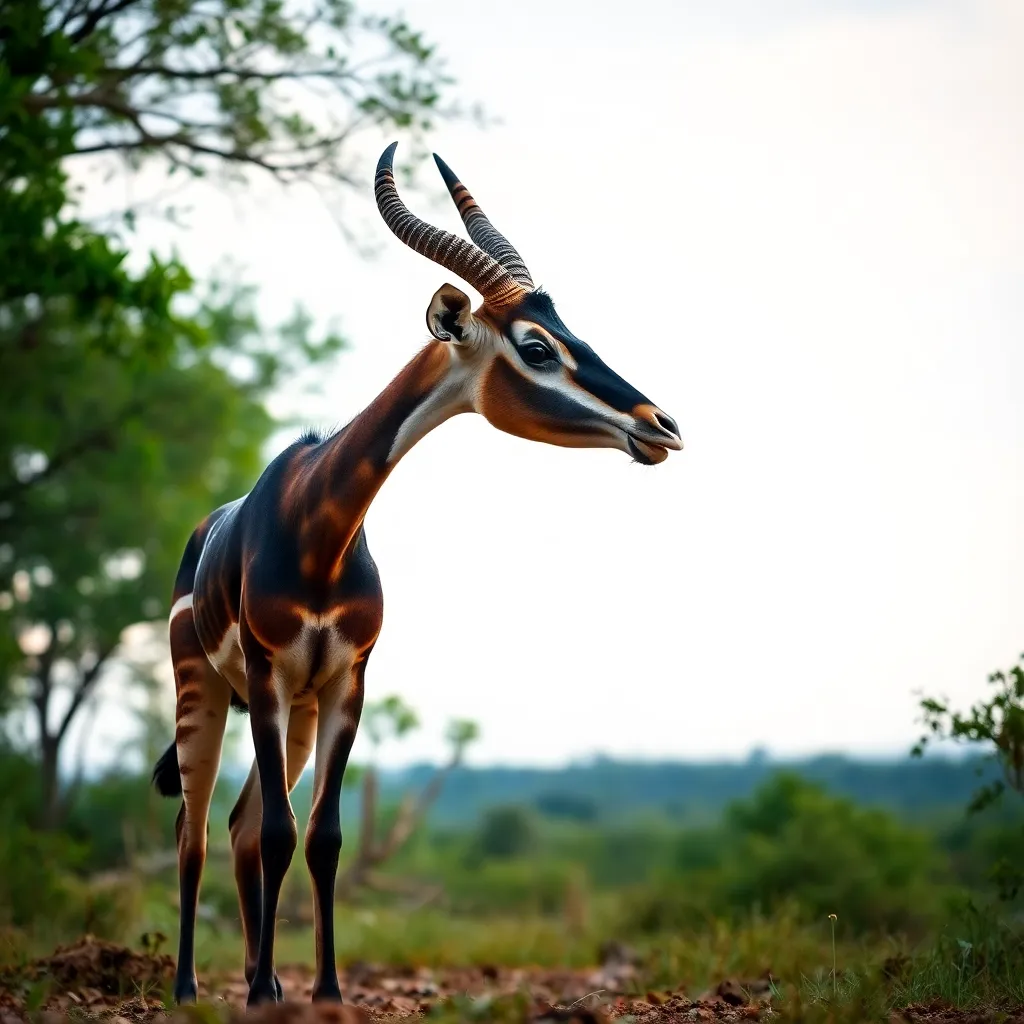
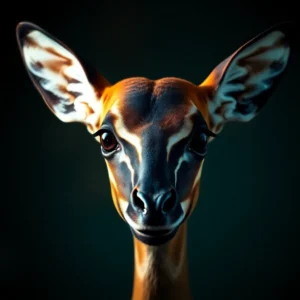
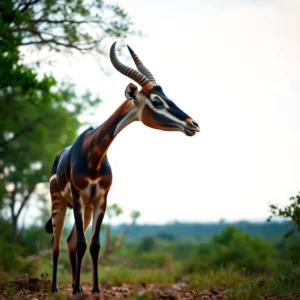
The okapi is one of the world’s most elusive large mammals and a remarkable evolutionary puzzle — despite its zebra-like striped legs, it is in fact the sole living relative of the giraffe. Confined to the dense Ituri Rainforest of the Democratic Republic of Congo, the okapi was unknown to Western science until 1901. Its striped hindquarters are thought to help calves follow their mothers through dim forest light, and its 35-cm tongue can reach every part of its own face and is strong enough to strip leaves from branches.

⚡ Speed Comparison

Human
12 km/h
Car (city)
50 km/h
Horse
54 km/h
Okapi
60 km/h

💡 Fun Facts

01

The okapi was completely unknown to science until 1901, making it one of the last large mammals to be 'discovered' by Western naturalists.

02

Despite resembling a zebra, the okapi is the only living relative of the giraffe (family Giraffidae).

03

Their tongue is approximately 35 cm long and prehensile, used to strip leaves and strong enough to wash the okapi's own eyes and ears.

04

Okapis produce infrasonics — sounds below the threshold of human hearing — to communicate through dense rainforest without alerting predators.

05

The okapi is the only mammal known to produce its own antimicrobial secretions; glands on its feet leave a tar-like substance that may deter bacteria and fungi.

Unlock Expert Wildlife Facts

Watch a short 15-second video to unlock detailed expert analysis, exclusive wildlife photography, and rare behavioral facts.

📍 Where to Find This Animal

🛒 Okapi Related Gear

As an Amazon Associate we earn from qualifying purchases.
🗨️

Join the Conversation

Share your thoughts about the Okapi

✍️

Leave a Comment

Your email address will not be published. Required fields are marked *

How Big Is a Okapi?

Side-by-side comparison with an adult human (175 cm)

🧍
Human
175 cm
🦒
Okapi
65 cm
shoulder height
200-350 BODY WEIGHT
1.9-2.5 BODY LENGTH
60 TOP SPEED
20-30 LIFESPAN
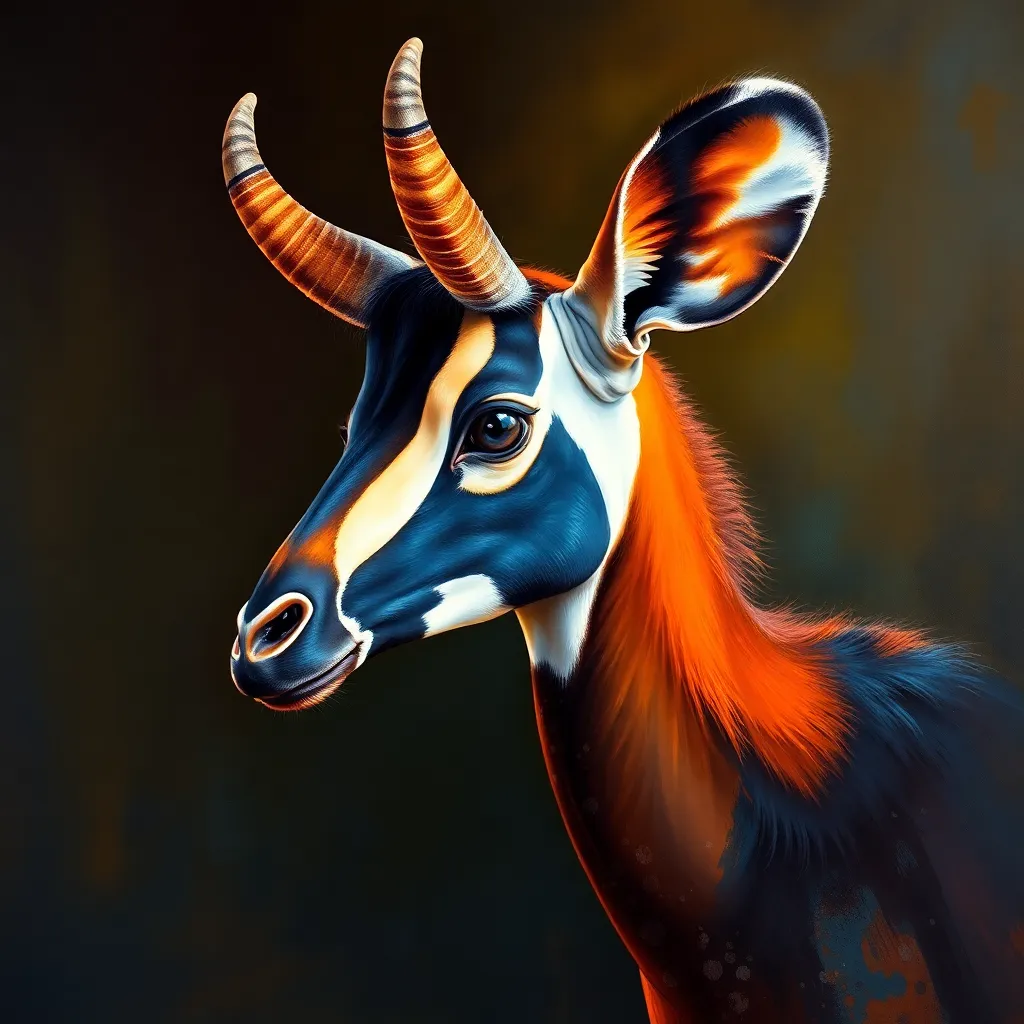
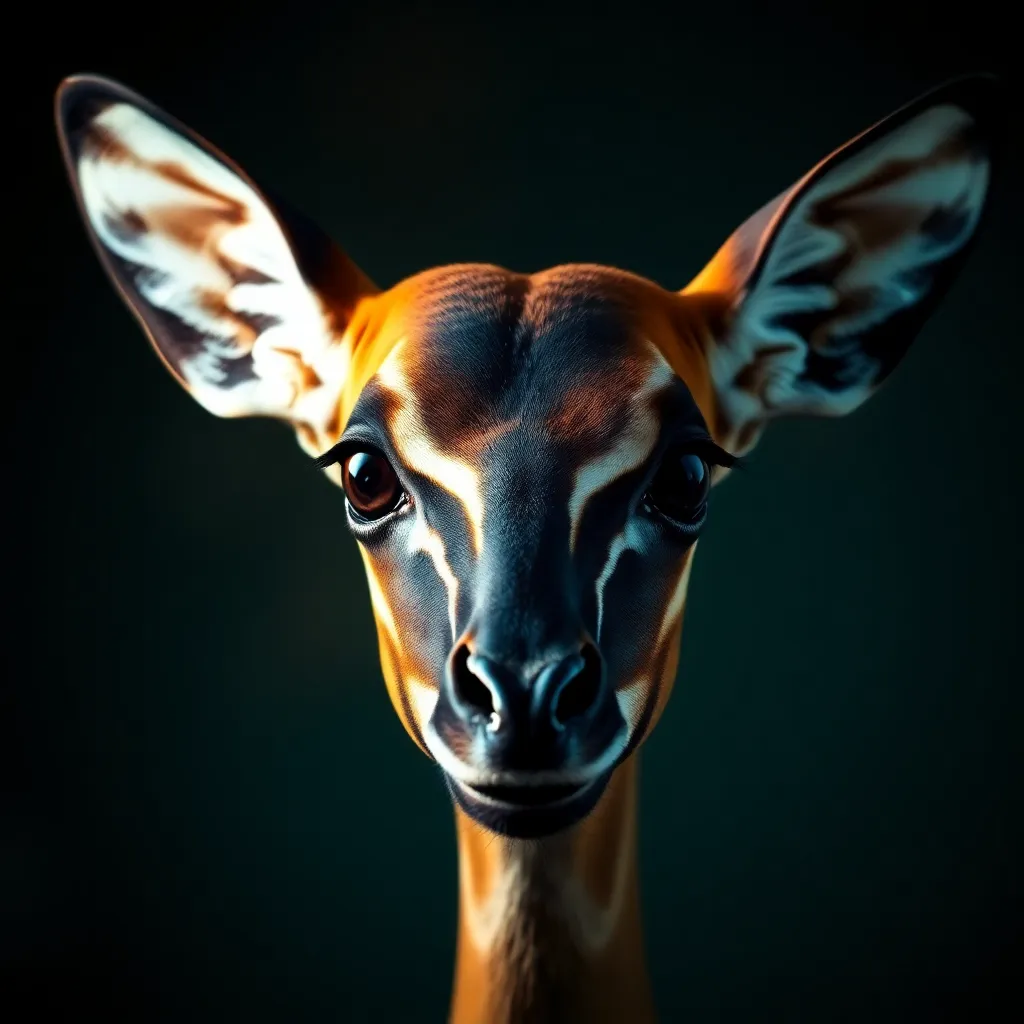
Okapi close-up
Okapi

SURVIVAL TOOLKIT

Built for Survival

Nature's engineering refined over millions of years

🔬 SURVIVAL TOOLKIT
Prehensile Tongue
01

Prehensile Tongue

A 35-cm, dark purplish tongue rich in melanin (protecting against sunburn in forest clearings) grips and strips leaves from thorny branches with extraordinary precision.

Disruptive Stripe Camouflage
02

Disruptive Stripe Camouflage

White-striped hindquarters break up the animal's outline in dappled forest light, making it extraordinarily difficult for leopards and human hunters to detect.

Infrasound Communication
03

Infrasound Communication

Okapis produce low-frequency sounds below 20 Hz that travel through dense forest without the volume needed for high-pitched calls that attract predators.

Large Rotatable Ears
04

Large Rotatable Ears

Outsized, independently rotatable ears detect the subtle movements of leopards — their primary predator — through the dense rustling undergrowth of the rainforest.

Oil-Gland Secretions
05

Oil-Gland Secretions

Interdigital glands on all four feet secrete a waxy, tar-like substance that may have antimicrobial properties, protecting the feet from the humid, fungus-rich forest floor.

Forest Phantom of the Congo. An extraordinary creature that reminds us what we stand to lose.

Jungal Safari · Wildlife Network
💡

Did You Know?

The okapi was completely unknown to science until 1901, making it one of the last large mammals to be 'discovered' by Western naturalists.

🍖 DIET: HERBIVORE

What Does the Okapi Eat?

🍃
Tree Leaves
🍄
Fungi
🌿
Ferns
🫐
Fruit
🌱
Grass
🗺️ GEOGRAPHIC RANGE

Where Do Okapis Live?

🌍
Continents
📉
Population Trend Declining

Conservation in Action

How You Can Help the Okapi

Small actions, taken together, can reverse the decline of species like this one

🌳
Protect Habitat

Support wildlife reserves and protected land corridors

🚫
Stop Poaching

Report illegal trade and back anti-poaching patrols

🔬
Fund Research

Camera-trap studies and population monitoring

🤝
Community Work

Partner with local herders to reduce conflict

📢
Raise Awareness

Educate and inspire future wildlife champions

"Without urgent action, the Okapi could disappear from the wild within our lifetime."

PROTECT THEM. PRESERVE THEIR LEGACY.

The Okapi's Future
Is In Our Hands

Every share, every donation, every voice raised — makes a difference for wildlife conservation.

🌳Protect Habitat
📢Raise Awareness
💰Fund Research
🤝Community Work
🚫Stop Poaching

"Protect Wildlife. Preserve Our Planet."

Every species matters. Every action counts.

Advertisement