Loading Wildlife…

Phasianidae LC

THE

PEAFOWL

Living Jewel of Asia

Pavo cristatus

Asia
CLASS Aves FAMILY Phasianidae GENUS Pavo
16 km/h
Top Speed
⚖️
3–6 kg
Max Weight
📏
90–130 cm (body); train up to 150 cm
Body Length
🕰️
15–25 years
Lifespan
🍖
Omnivore
Diet Type

IUCN Red List — Where this species stands

LC Least Concern
NT Near Threatened
VU Vulnerable
EN Endangered
CR Critical
EW Extinct Wild
EX Extinct

About the Peafowl

Pavo cristatus

Advertisement

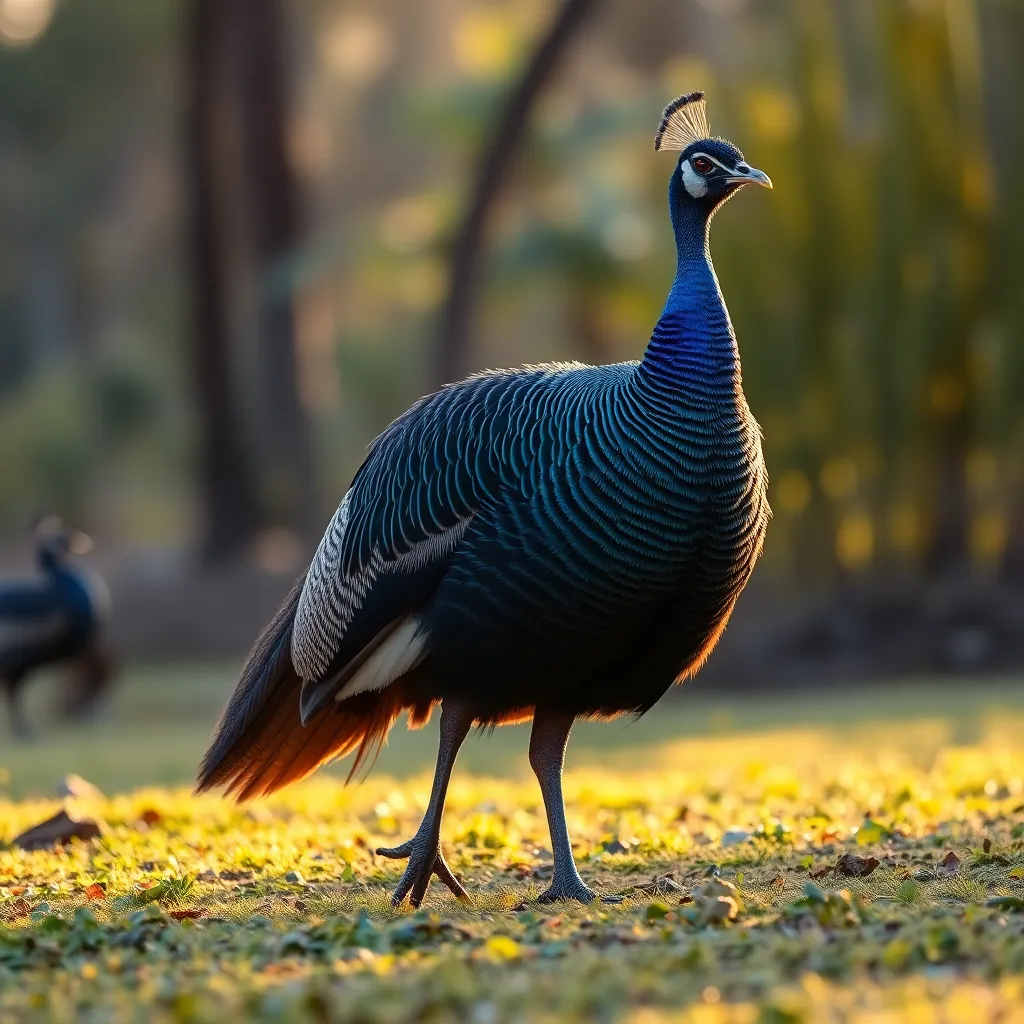
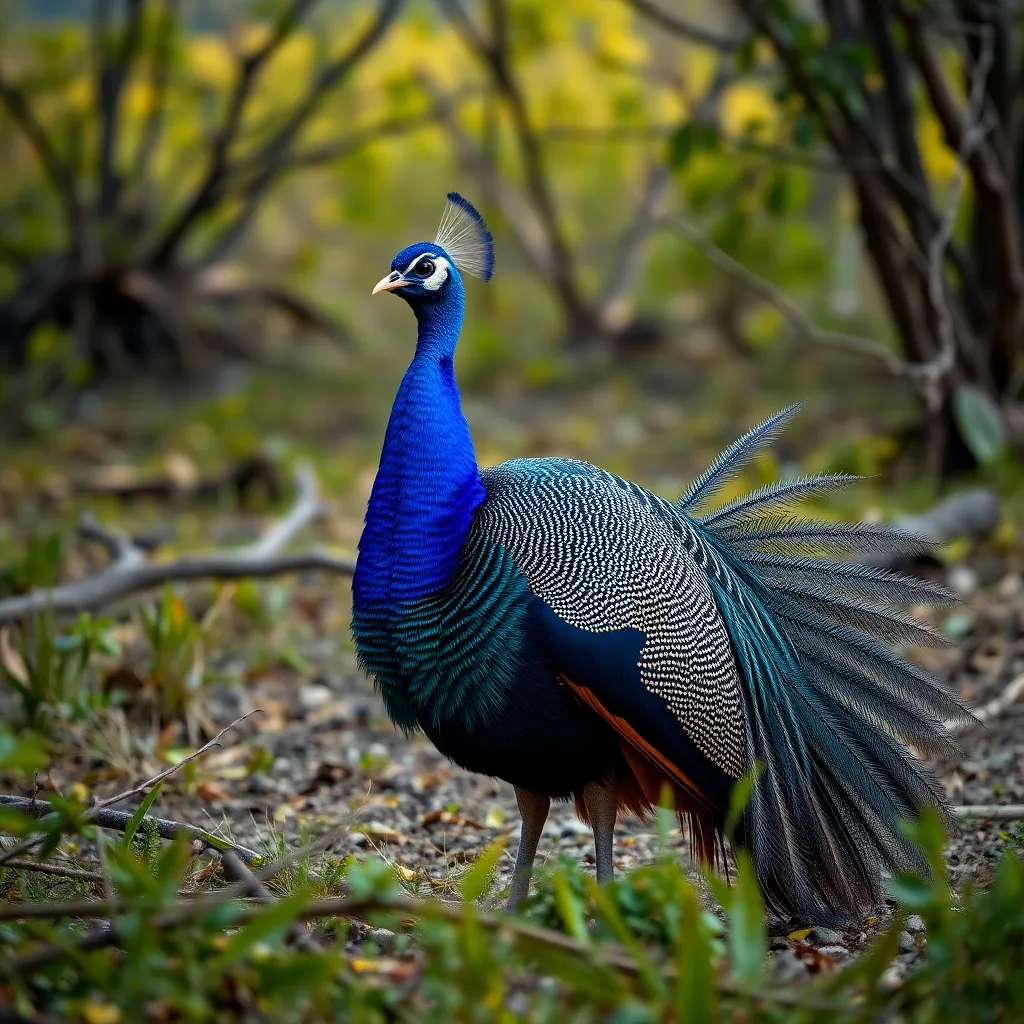
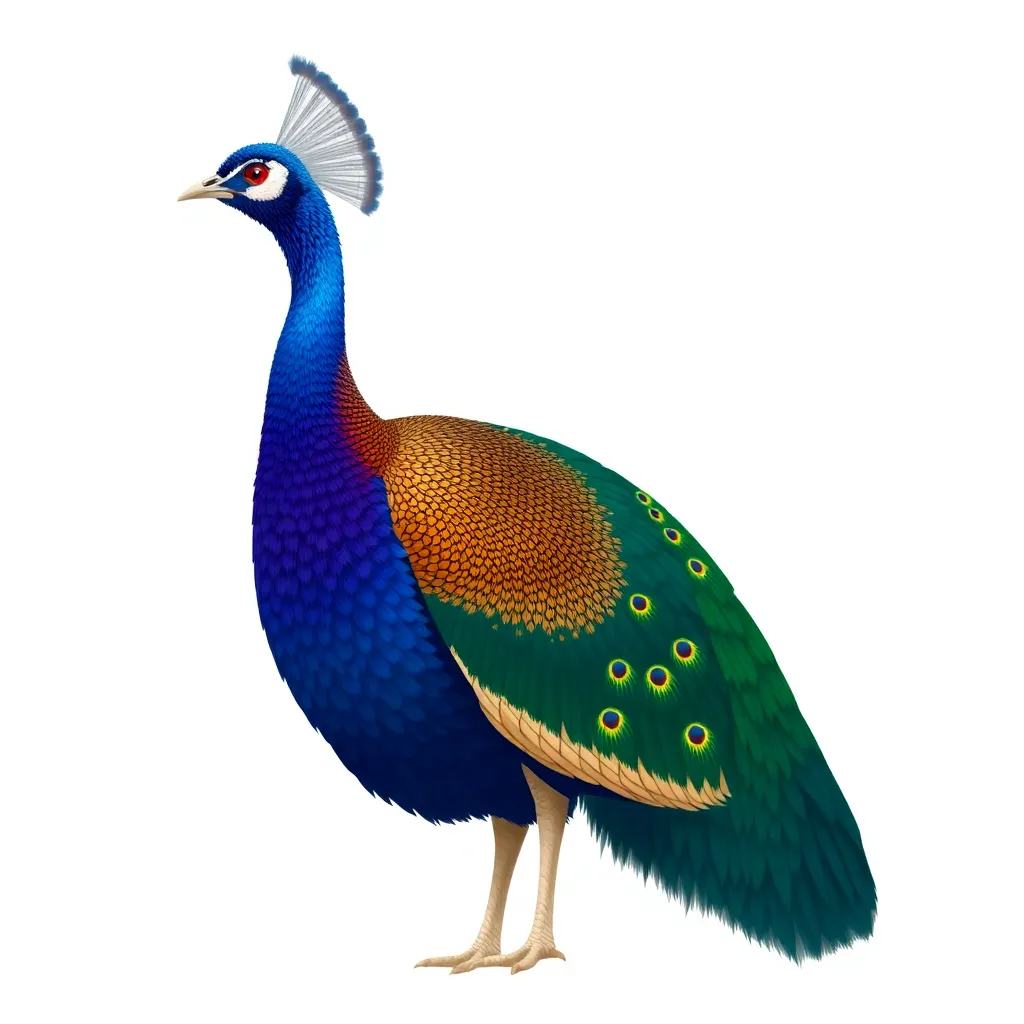
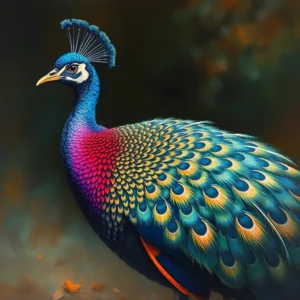
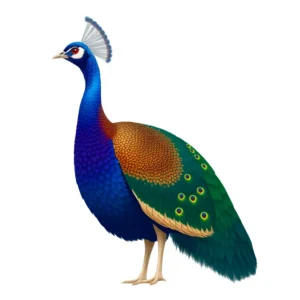
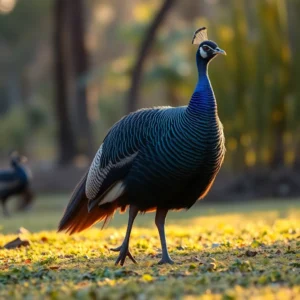
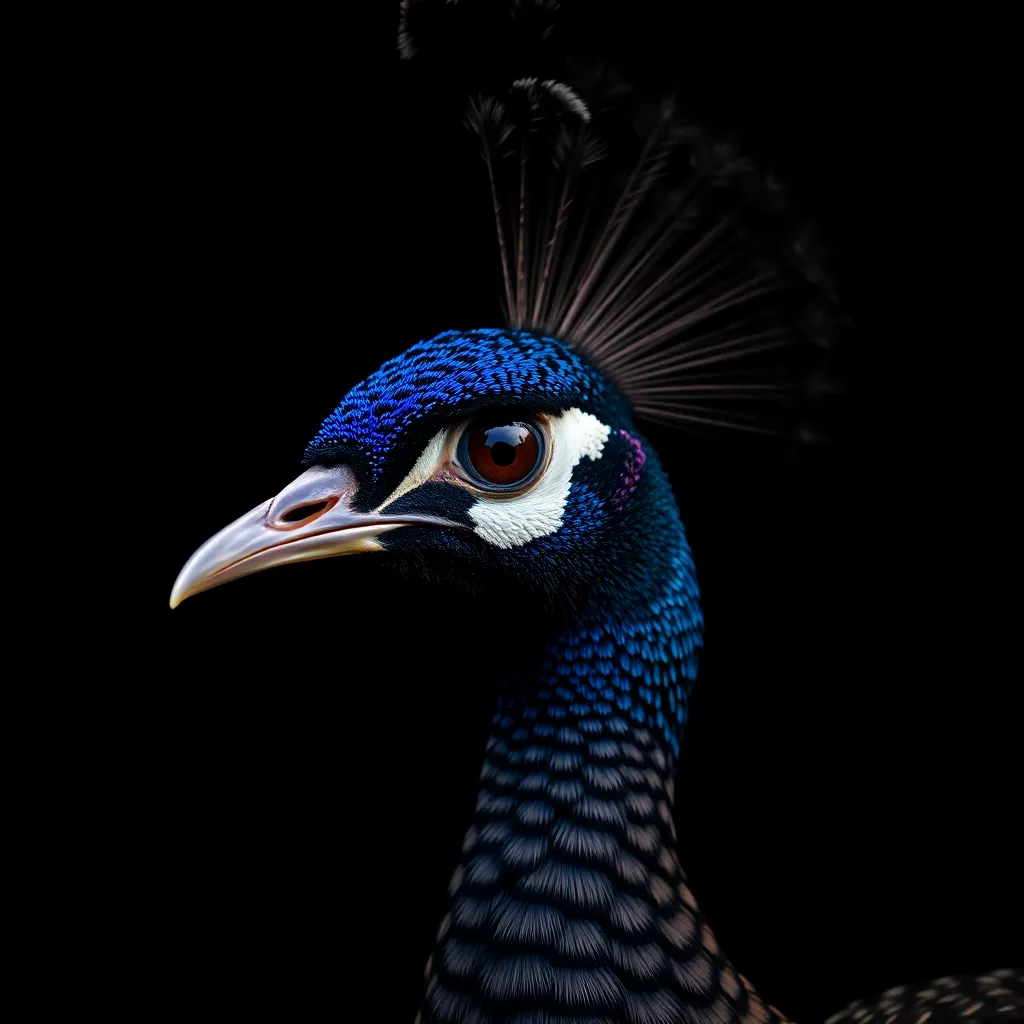
The Indian peafowl is the national bird of India and one of the most visually spectacular birds on Earth. The male’s iconic iridescent tail train — technically elongated upper tail coverts — features elaborate eyespot patterns that serve as the centerpiece of elaborate courtship displays. Peafowl inhabit forests, grasslands, and agricultural areas across the Indian subcontinent and Sri Lanka, and have been introduced worldwide as ornamental birds.

⚡ Speed Comparison

Human
12 km/h
Peafowl
16 km/h
Car (city)
50 km/h
Horse
54 km/h

💡 Fun Facts

01

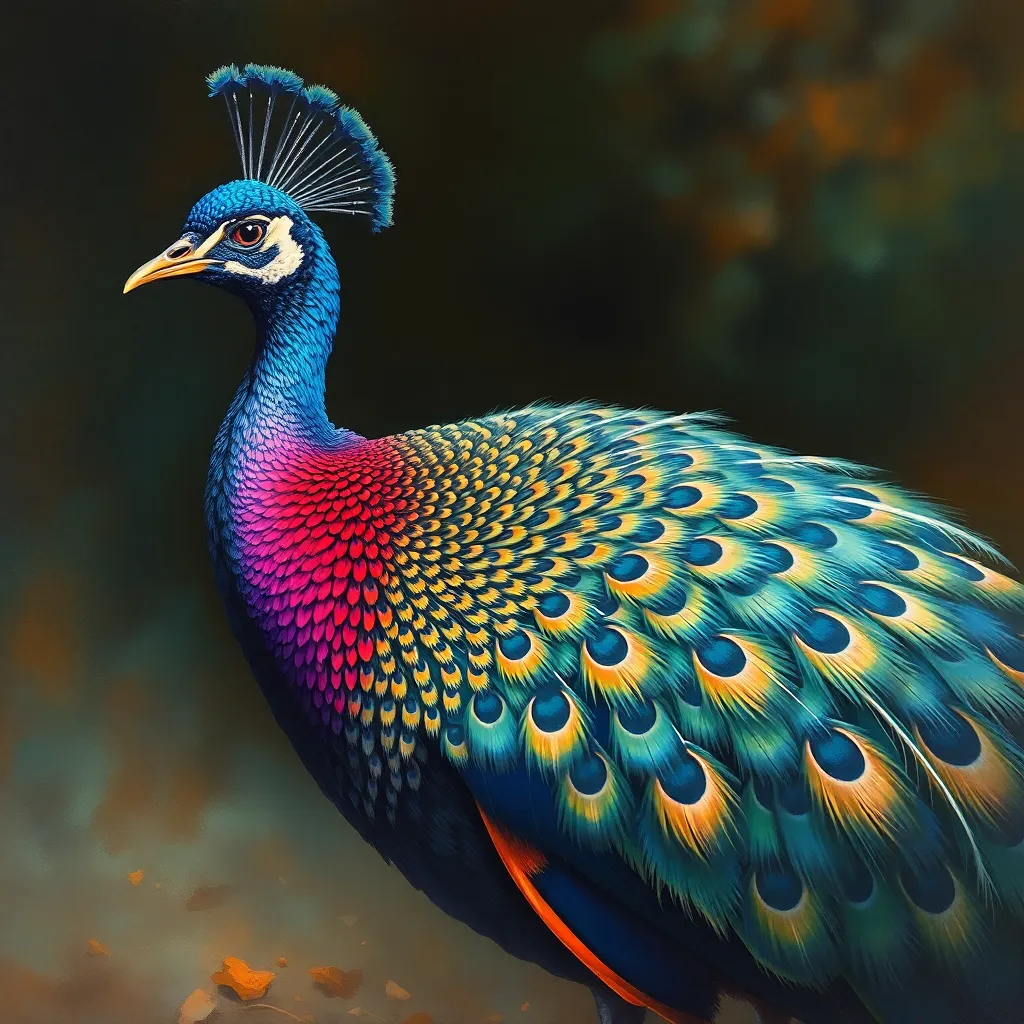
The elaborate 'tail' of a peacock is actually not tail feathers at all — it is composed of highly elongated upper tail covert feathers that can number over 200.

02

Iridescent colors in peacock feathers are produced not by pigment but by microscopic crystal-like structures that diffract and reflect light — a phenomenon called structural coloration.

03

Peahens can hear the infrasound vibrations produced by a displaying male's quivering train from over a kilometer away.

04

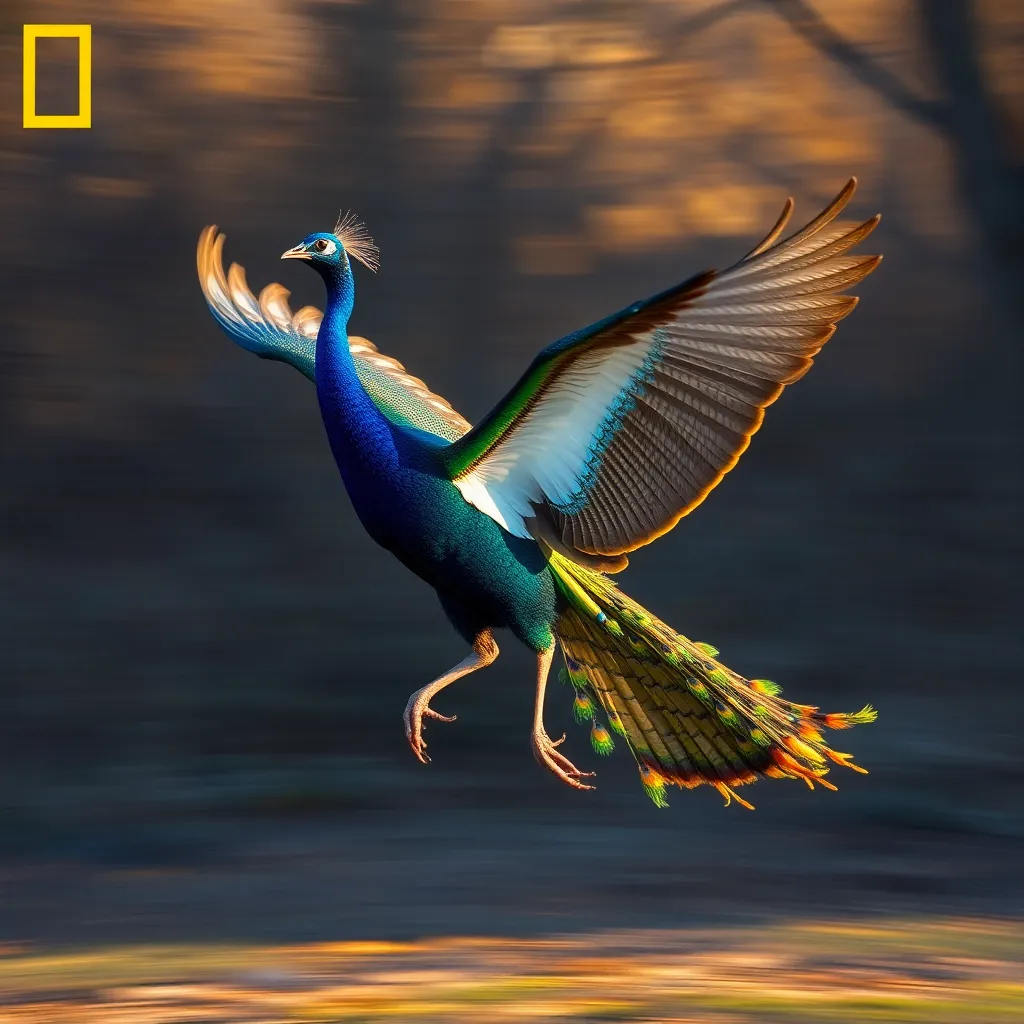
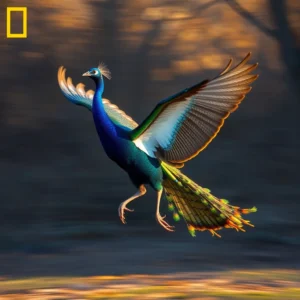
Peacocks are capable fliers despite their enormous trains; they roost in tall trees every night to escape ground predators.

05

The eyespots on a peacock's train are not random — females preferentially mate with males whose eyespots are most symmetrical, as symmetry indicates genetic health.

Unlock Expert Wildlife Facts

Watch a short 15-second video to unlock detailed expert analysis, exclusive wildlife photography, and rare behavioral facts.

📍 Where to Find This Animal

🛒 Peafowl Related Gear

As an Amazon Associate we earn from qualifying purchases.
🗨️

Join the Conversation

Share your thoughts about the Peafowl

✍️

Leave a Comment

Your email address will not be published. Required fields are marked *

How Big Is a Peafowl?

Side-by-side comparison with an adult human (175 cm)

🧍
Human
175 cm
🦚
Peafowl
65 cm
shoulder height
3–6 BODY WEIGHT
90–130 BODY LENGTH
16 TOP SPEED
15–25 LIFESPAN
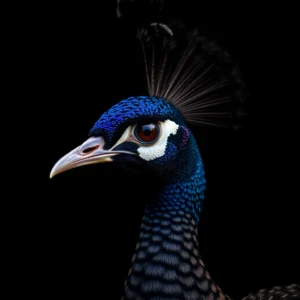
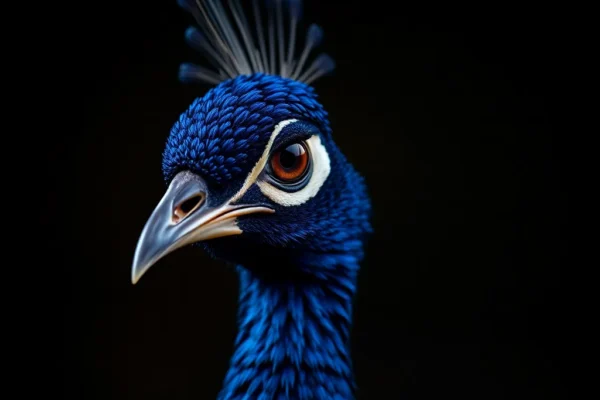
Peafowl close-up
Peafowl

SURVIVAL TOOLKIT

Built for Survival

Nature's engineering refined over millions of years

🔬 SURVIVAL TOOLKIT
Structural Iridescence
01

Structural Iridescence

Nanoscale crystal lattices in feather barbules scatter and amplify specific wavelengths of light, producing brilliant blue-green colors that shift with viewing angle.

Eyespot Signal
02

Eyespot Signal

Ocellated spots on the train mimic large eyes, confusing predators and simultaneously serving as honest fitness signals to choosing females.

Loud Alarm Calls
03

Loud Alarm Calls

Peafowl produce penetrating calls audible over long distances that alert other animals — including deer and cattle — to approaching predators, earning them roles as jungle sentinels.

Cryptic Peahen Plumage
04

Cryptic Peahen Plumage

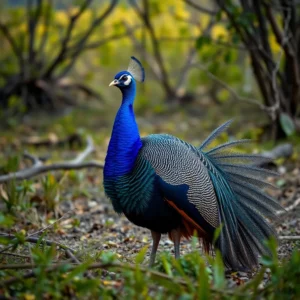
Females evolved drab brown-green camouflage to remain inconspicuous while incubating eggs on the ground.

Snake Predation
05

Snake Predation

Peafowl actively hunt and consume venomous snakes, using their sharp spurs and powerful legs to pin and kill cobras and kraits.

Rain-Dance Behavior
06

Rain-Dance Behavior

Males display most intensely before and during monsoon rains, using atmospheric pressure changes as a cue to align peak ornamentation display with peak female fertility.

Living Jewel of Asia. An extraordinary creature that reminds us what we stand to lose.

Jungal Safari · Wildlife Network
💡

Did You Know?

The elaborate 'tail' of a peacock is actually not tail feathers at all — it is composed of highly elongated upper tail covert feathers that can number over 200.

🍖 DIET: OMNIVORE

What Does the Peafowl Eat?

🌾
Seeds & Grain
🐍
Snakes & Lizards
🦟
Insects
🫐
Berries & Fruit
🐀
Small Rodents
🗺️ GEOGRAPHIC RANGE

Where Do Peafowls Live?

🌍
Continents
➡️
Population Trend Stable

Conservation in Action

How You Can Help the Peafowl

Small actions, taken together, can reverse the decline of species like this one

🌳
Protect Habitat

Support wildlife reserves and protected land corridors

🚫
Stop Poaching

Report illegal trade and back anti-poaching patrols

🔬
Fund Research

Camera-trap studies and population monitoring

🤝
Community Work

Partner with local herders to reduce conflict

📢
Raise Awareness

Educate and inspire future wildlife champions

"Without urgent action, the Peafowl could disappear from the wild within our lifetime."

PROTECT THEM. PRESERVE THEIR LEGACY.

The Peafowl's Future
Is In Our Hands

Every share, every donation, every voice raised — makes a difference for wildlife conservation.

🌳Protect Habitat
📢Raise Awareness
💰Fund Research
🤝Community Work
🚫Stop Poaching

"Protect Wildlife. Preserve Our Planet."

Every species matters. Every action counts.

Advertisement