Loading Wildlife…

Pelecanidae LC

THE

PELICAN

The Plunge Diver's Elegant Grace

Pelecanus occidentalis

Americas
CLASS Aves FAMILY Pelecanidae GENUS Pelecanus
56 km/h
Top Speed
⚖️
2.75-5.5 kg
Max Weight
📏
1-1.4 m
Body Length
🕰️
10-25 years
Lifespan
🍖
Piscivore
Diet Type

IUCN Red List — Where this species stands

LC Least Concern
NT Near Threatened
VU Vulnerable
EN Endangered
CR Critical
EW Extinct Wild
EX Extinct

About the Pelican

Pelecanus occidentalis

Advertisement

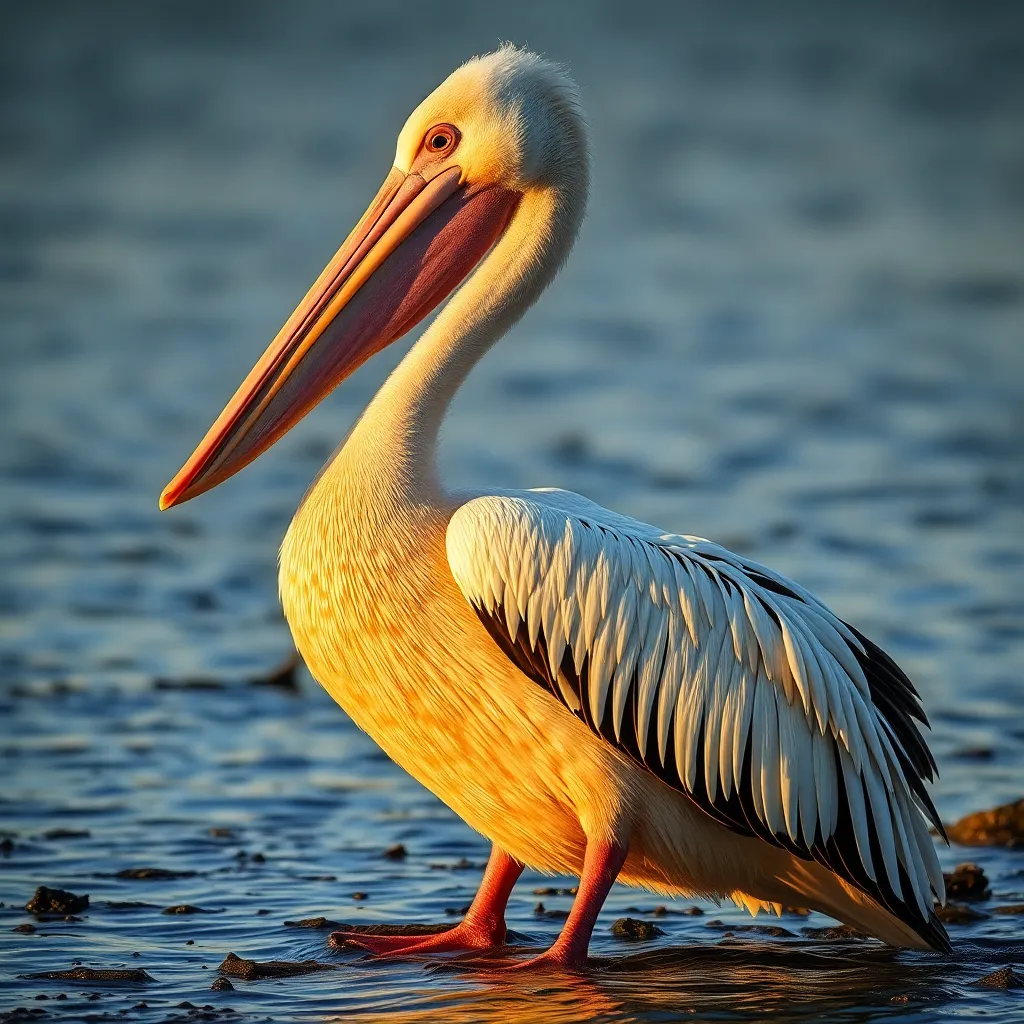
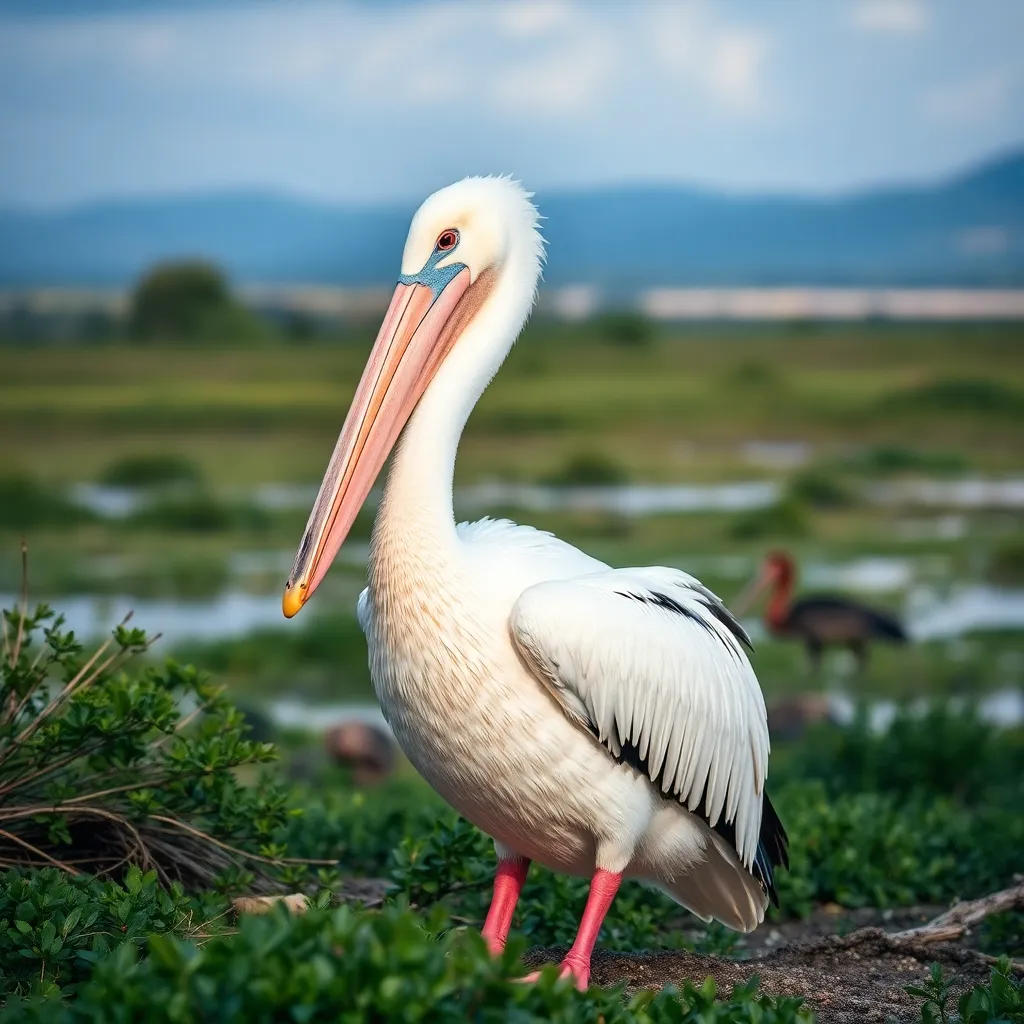
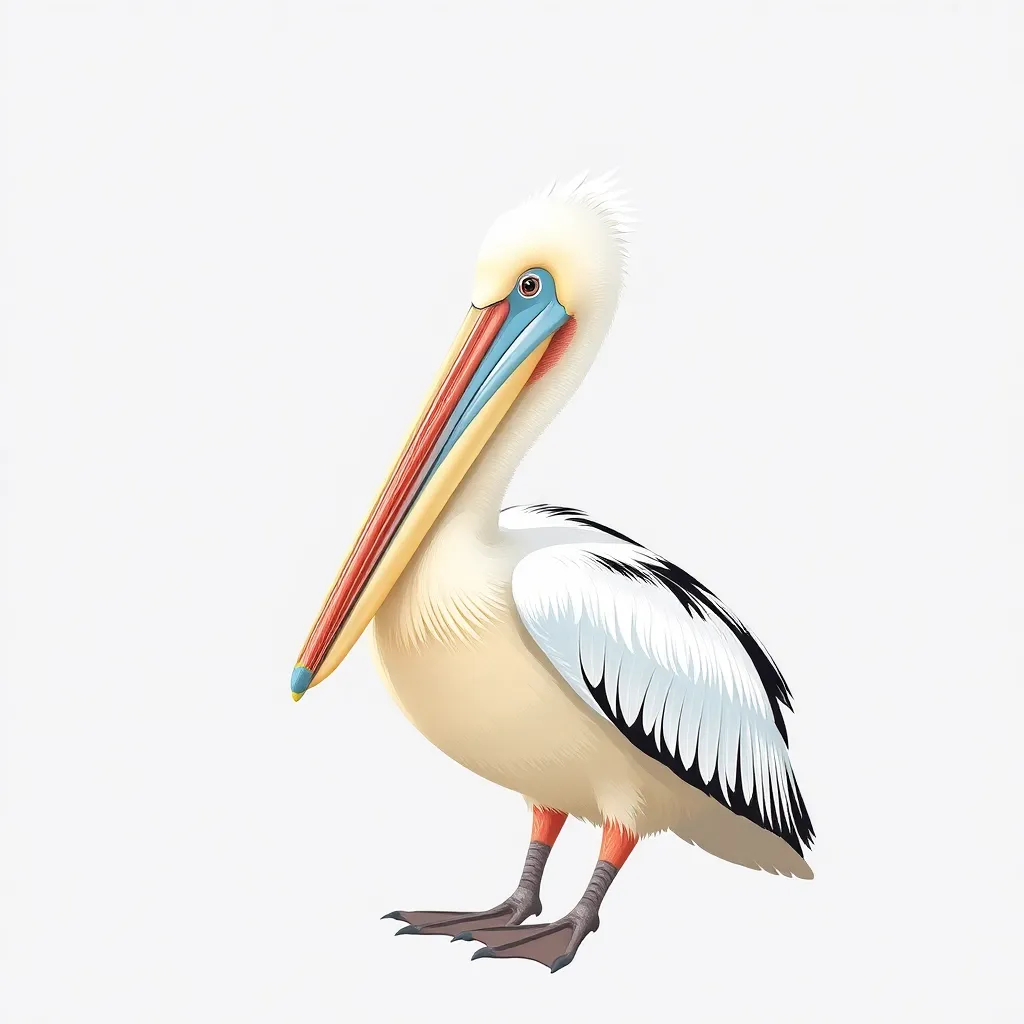
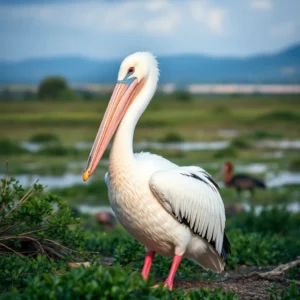
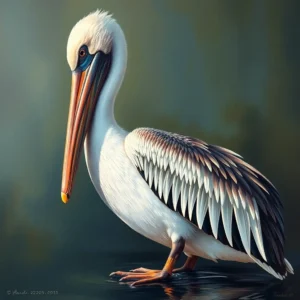
The brown pelican is the smallest of the world’s eight pelican species and the only one that feeds by dramatic plunge-diving into the ocean. Found along the Atlantic and Pacific coasts of the Americas, from Nova Scotia to the Amazon delta, brown pelicans are iconic seabirds of coastal habitats. Their remarkable recovery from DDT-induced reproductive failure following a total ban on the pesticide is a landmark story in conservation biology, with populations now stable and growing.

⚡ Speed Comparison

Human
12 km/h
Car (city)
50 km/h
Horse
54 km/h
Pelican
56 km/h

💡 Fun Facts

01

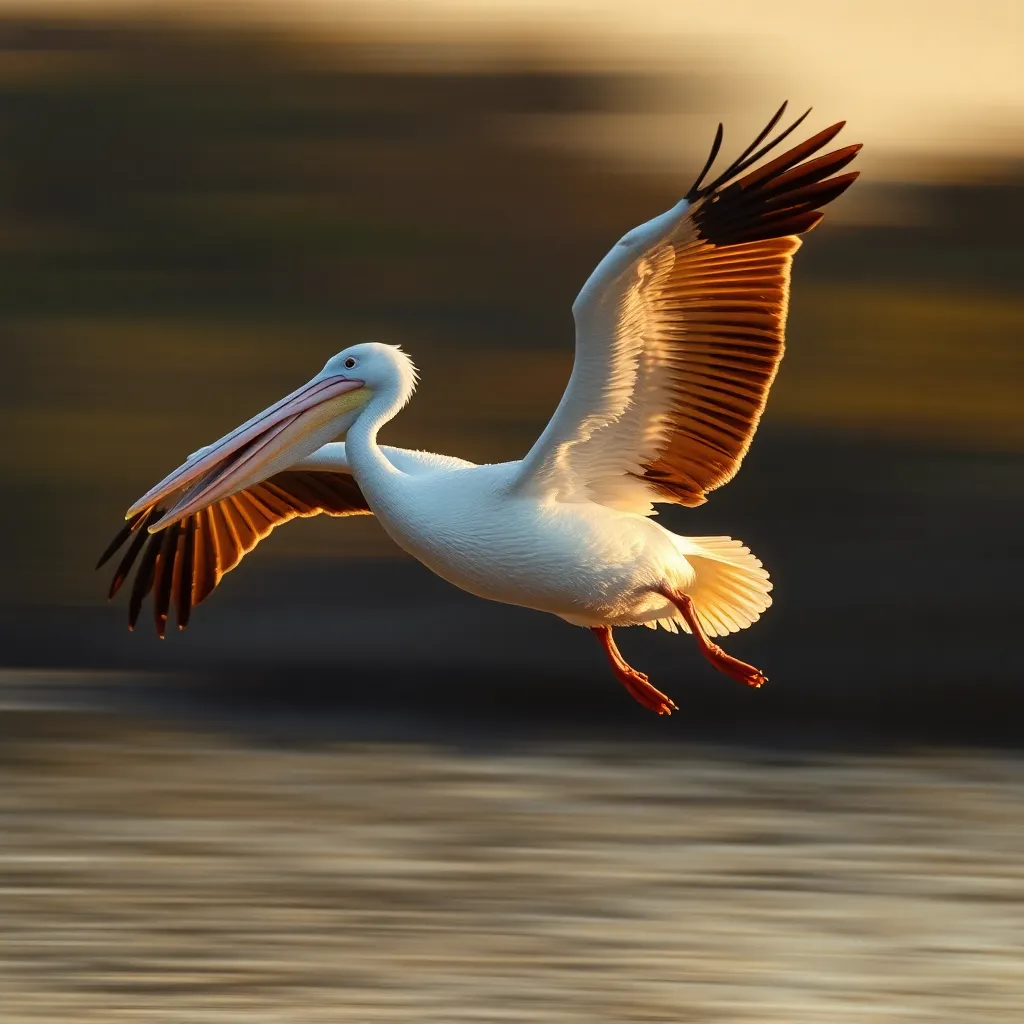
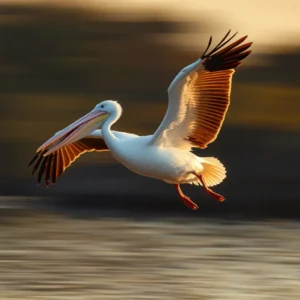
The brown pelican is one of the only pelican species that dives from heights of up to 20 meters at speeds exceeding 70 km/h to catch fish below the surface.

02

Pelicans have air sacs beneath the skin of their chest and neck that inflate on impact with the water, cushioning the force of their high-speed dives.

03

The pelican's throat pouch can hold up to 13 liters of water — roughly three times the capacity of its stomach — which it uses as a cast net to scoop fish.

04

Like the peregrine falcon, brown pelicans were devastated by DDT in the 1970s and removed from the US Endangered Species List only in 2009 after a successful recovery.

05

Pelicans are among the oldest bird groups on Earth, with fossils nearly identical to modern species found in deposits over 30 million years old.

Unlock Expert Wildlife Facts

Watch a short 15-second video to unlock detailed expert analysis, exclusive wildlife photography, and rare behavioral facts.

📍 Where to Find This Animal

Habitat Types: Coastal and Marine

🛒 Pelican Related Gear

As an Amazon Associate we earn from qualifying purchases.
🗨️

Join the Conversation

Share your thoughts about the Pelican

✍️

Leave a Comment

Your email address will not be published. Required fields are marked *

How Big Is a Pelican?

Side-by-side comparison with an adult human (175 cm)

🧍
Human
175 cm
🦢
Pelican
65 cm
shoulder height
2.75-5.5 BODY WEIGHT
1-1.4 BODY LENGTH
56 TOP SPEED
10-25 LIFESPAN
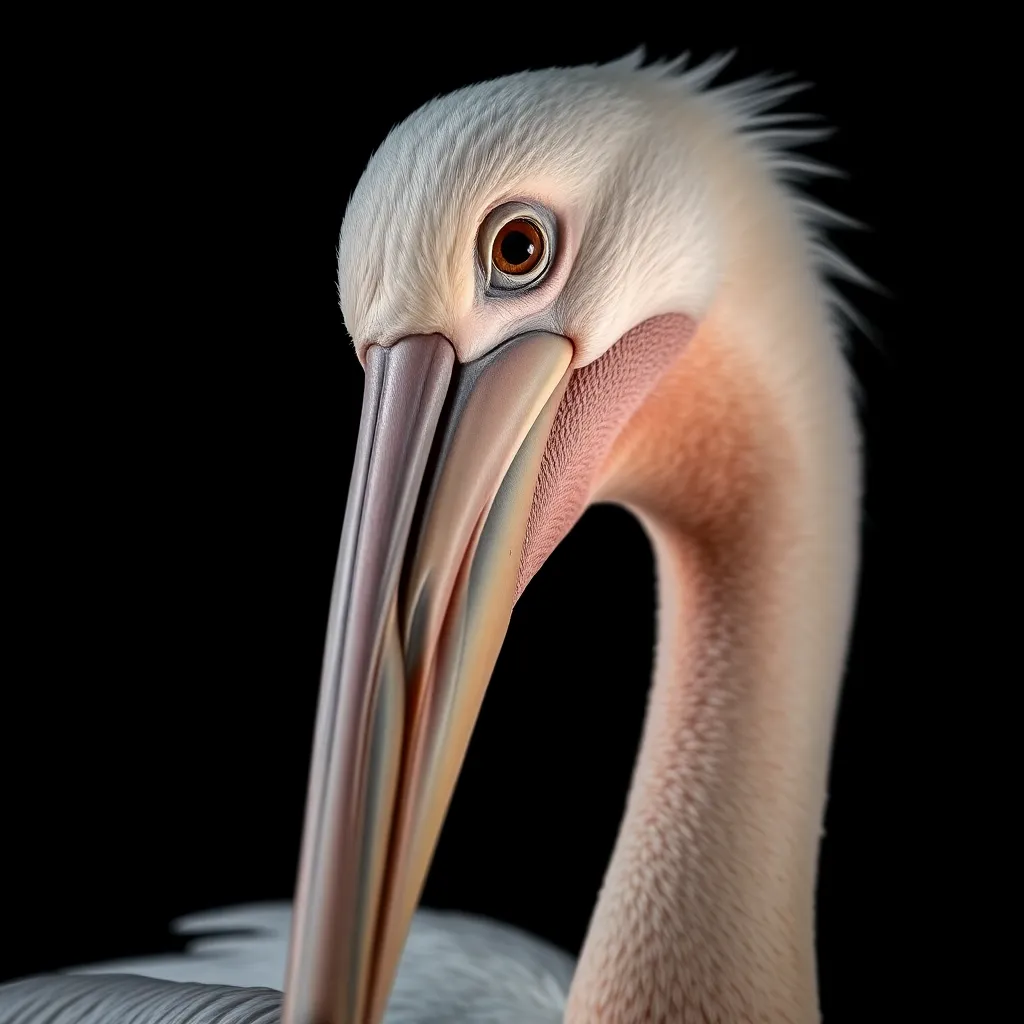
Pelican close-up
Pelican

SURVIVAL TOOLKIT

Built for Survival

Nature's engineering refined over millions of years

🔬 SURVIVAL TOOLKIT
Plunge-Dive Adaptation
01

Plunge-Dive Adaptation

Subcutaneous air sacs throughout the chest and neck inflate automatically to absorb the violent impact of high-speed water entry.

Expandable Throat Pouch
02

Expandable Throat Pouch

An enormous keratinous gular pouch strains up to 13 liters of water from a catch while retaining multiple fish simultaneously.

Thermal Soaring
03

Thermal Soaring

A 2.4-meter wingspan enables effortless soaring on coastal thermals and wave updraughts, covering vast distances without flapping.

Hollow Skeleton
04

Hollow Skeleton

Pneumatized bones honeycombed with air pockets reduce total skeletal weight to under 10% of body mass, enabling sustained flight.

Group Fishing
05

Group Fishing

Coordinated V-formation herding drives fish schools into shallow water where multiple birds dive simultaneously for maximum catch efficiency.

The Plunge Diver's Elegant Grace. An extraordinary creature that reminds us what we stand to lose.

Jungal Safari · Wildlife Network
💡

Did You Know?

The brown pelican is one of the only pelican species that dives from heights of up to 20 meters at speeds exceeding 70 km/h to catch fish below the surface.

🍖 DIET: PISCIVORE

What Does the Pelican Eat?

🐟
Anchovies
🐠
Menhaden
🦐
Shrimp
🐡
Sardines
🗺️ GEOGRAPHIC RANGE

Where Do Pelicans Live?

🌍
Continents
📈
Population Trend Increasing

Conservation in Action

How You Can Help the Pelican

Small actions, taken together, can reverse the decline of species like this one

🌳
Protect Habitat

Support wildlife reserves and protected land corridors

🚫
Stop Poaching

Report illegal trade and back anti-poaching patrols

🔬
Fund Research

Camera-trap studies and population monitoring

🤝
Community Work

Partner with local herders to reduce conflict

📢
Raise Awareness

Educate and inspire future wildlife champions

"Without urgent action, the Pelican could disappear from the wild within our lifetime."

PROTECT THEM. PRESERVE THEIR LEGACY.

The Pelican's Future
Is In Our Hands

Every share, every donation, every voice raised — makes a difference for wildlife conservation.

🌳Protect Habitat
📢Raise Awareness
💰Fund Research
🤝Community Work
🚫Stop Poaching

"Protect Wildlife. Preserve Our Planet."

Every species matters. Every action counts.

Advertisement