Loading Wildlife…

Syngnathidae LC

THE

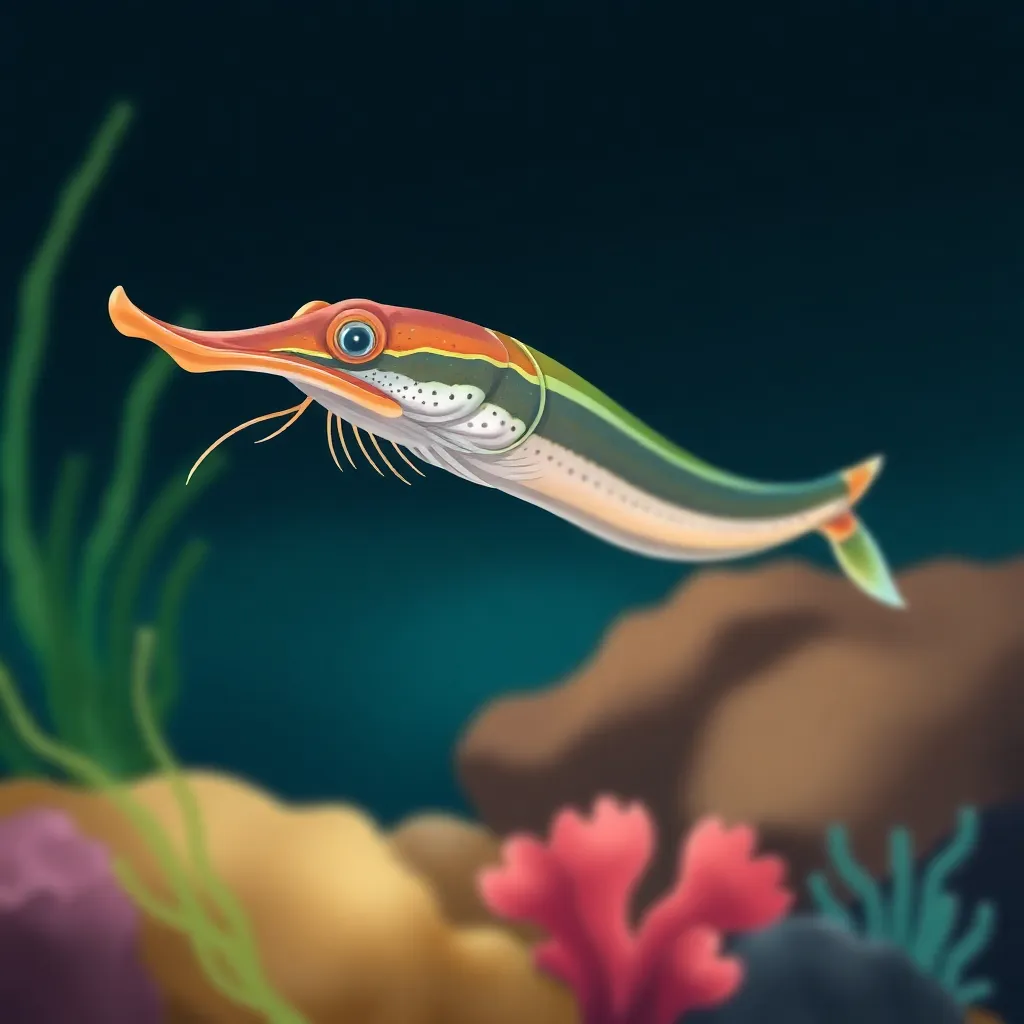
PIPEFISH

Needle of the Seagrass Sea

Syngnathus acus

Europe
CLASS Actinopterygii FAMILY Syngnathidae GENUS Syngnathus
2 km/h
Top Speed
⚖️
2–10 g kg
Max Weight
📏
30–47 cm
Body Length
🕰️
3–5 years
Lifespan
🍖
Carnivore
Diet Type

IUCN Red List — Where this species stands

LC Least Concern
NT Near Threatened
VU Vulnerable
EN Endangered
CR Critical
EW Extinct Wild
EX Extinct

About the Pipefish

Syngnathus acus

Advertisement

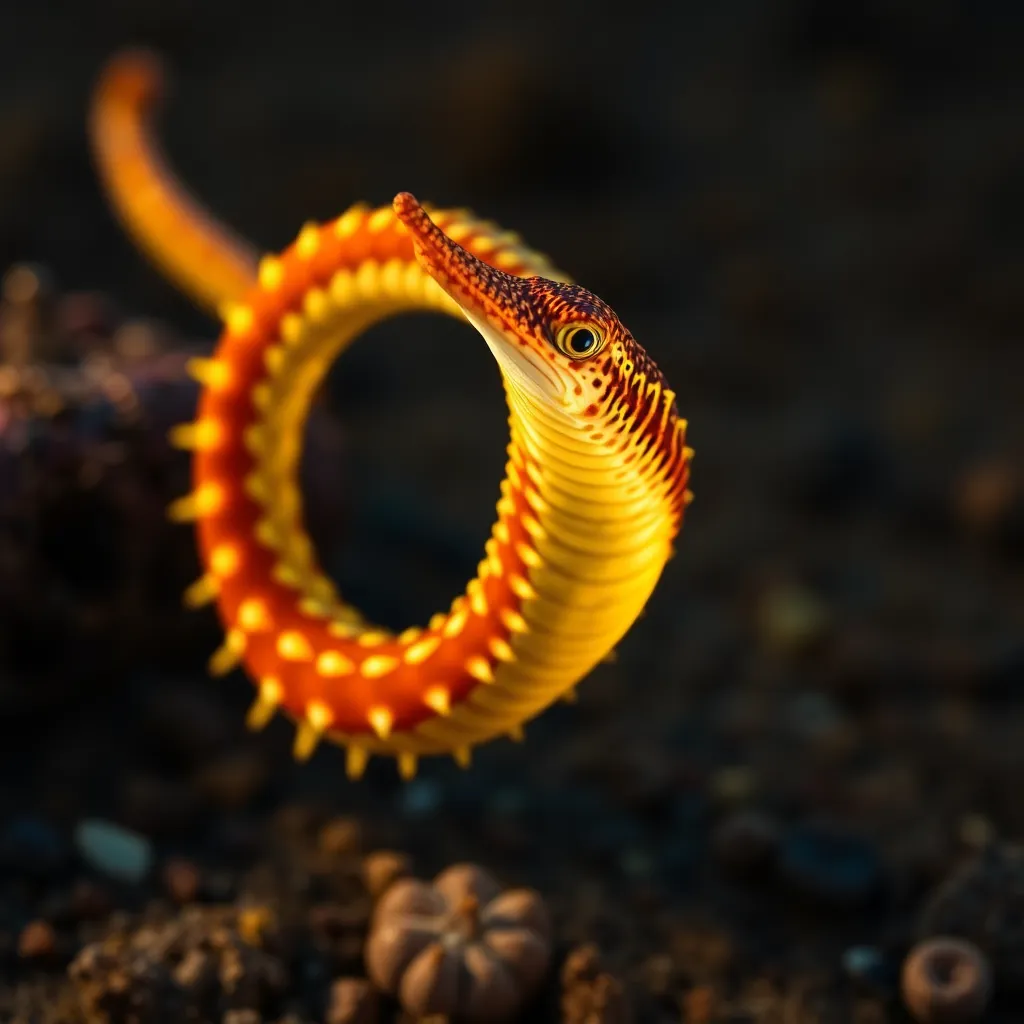
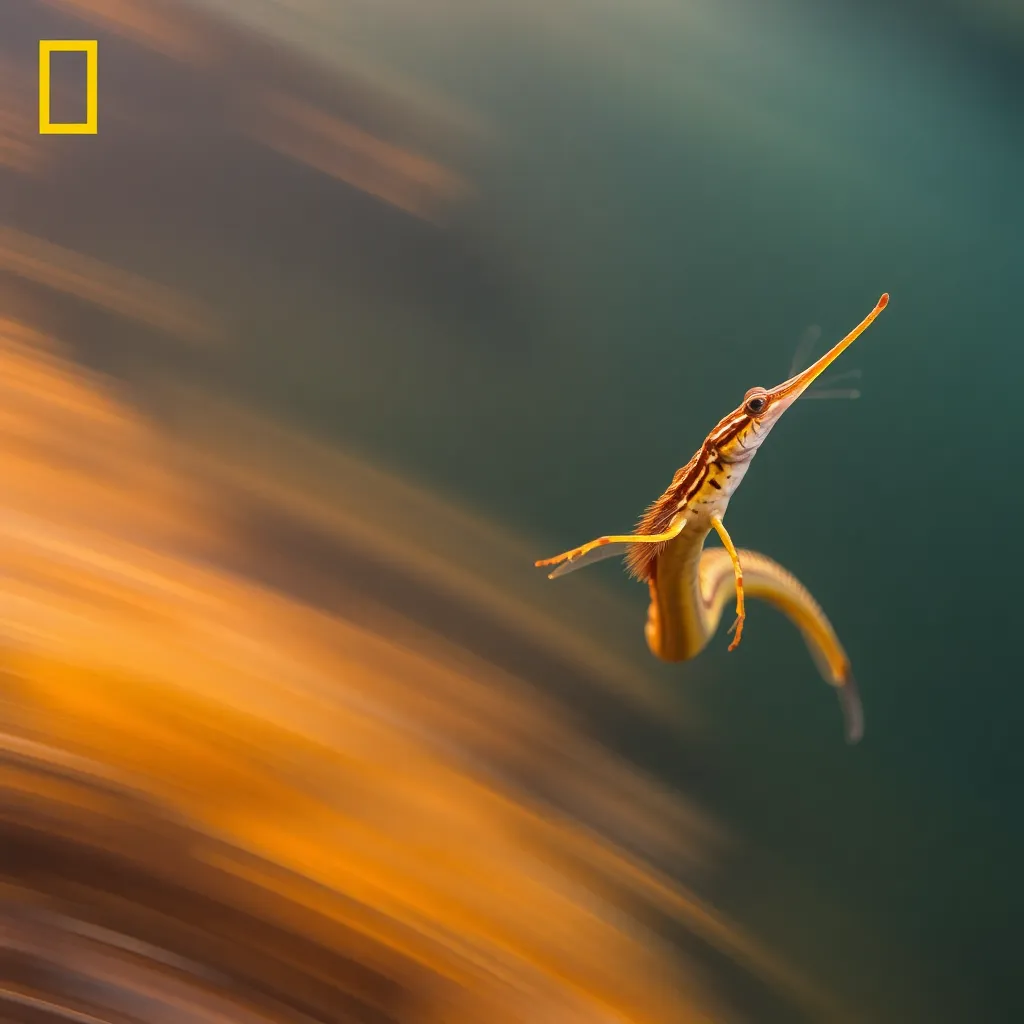
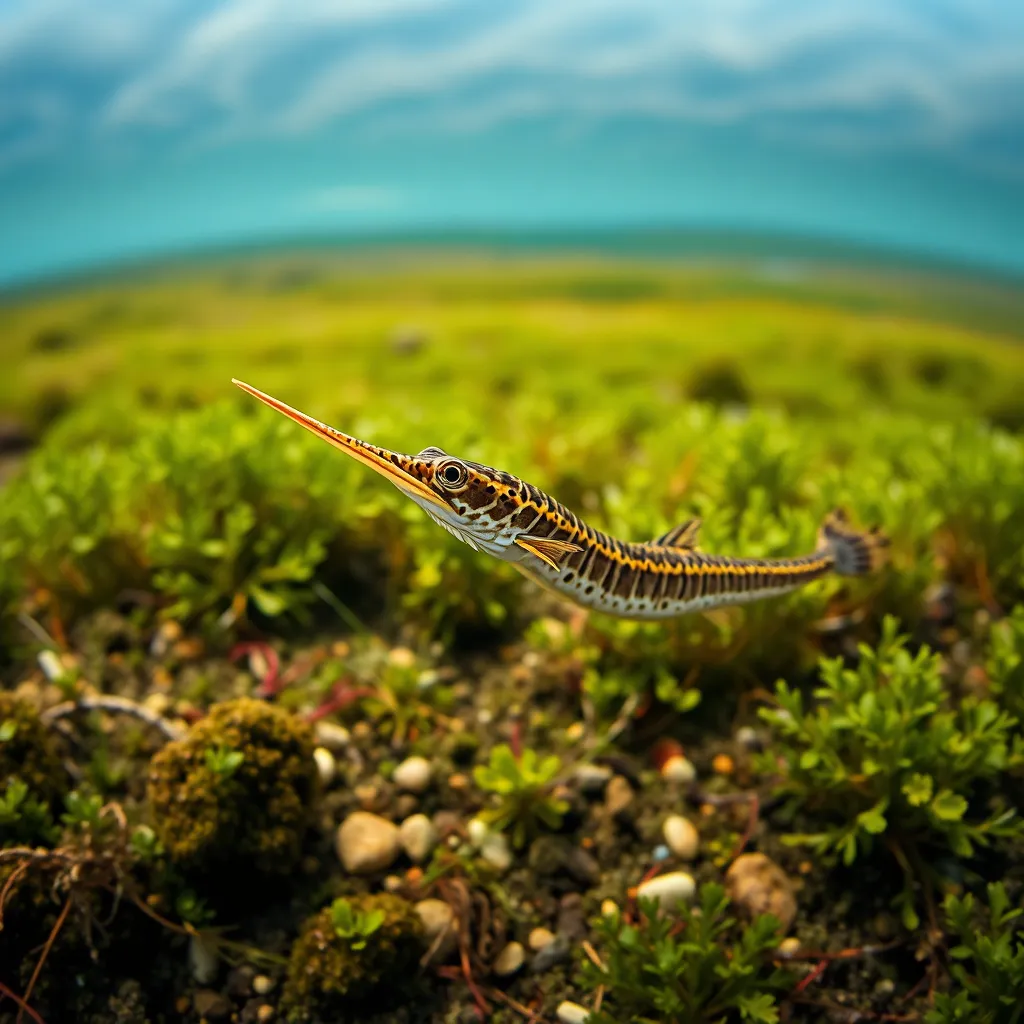
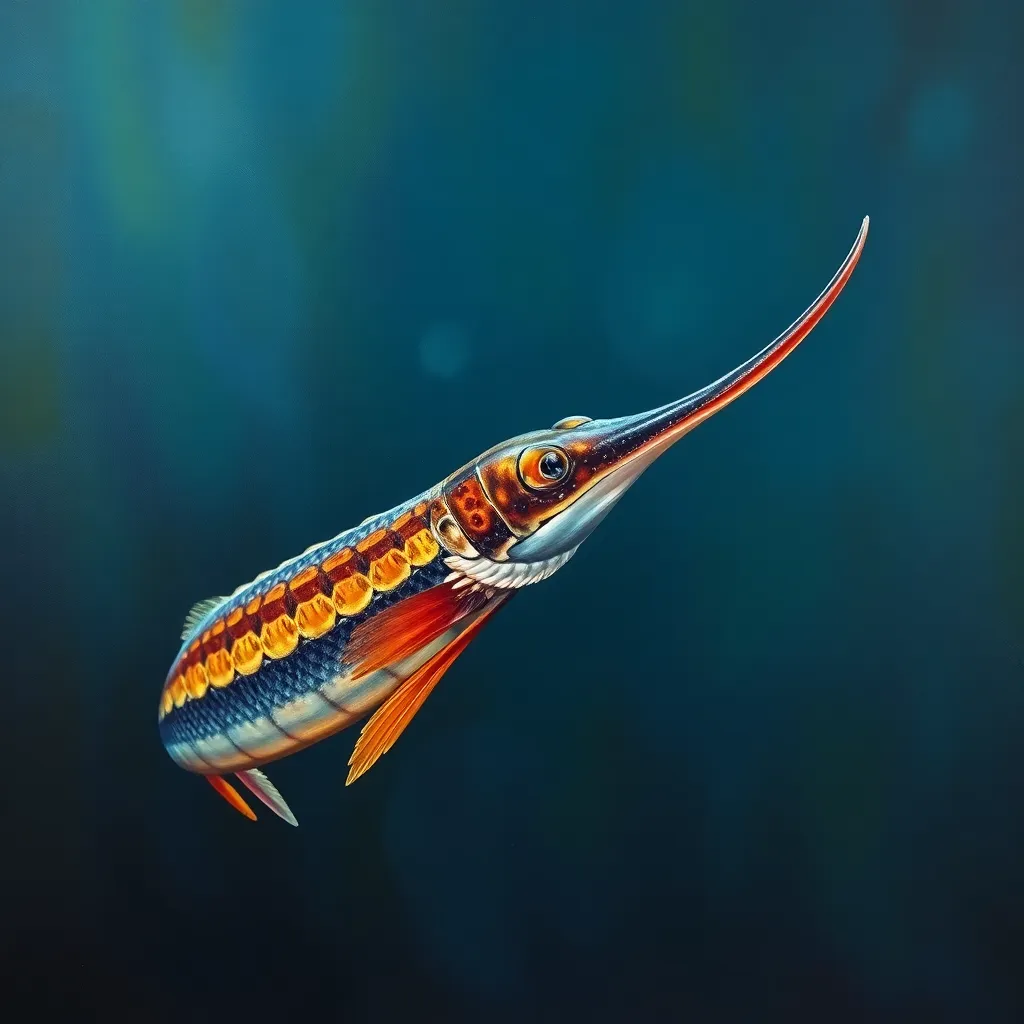
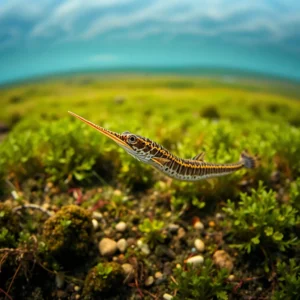
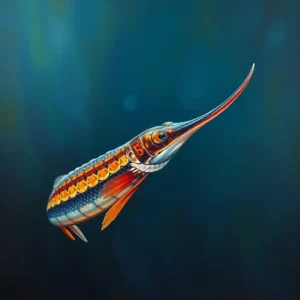
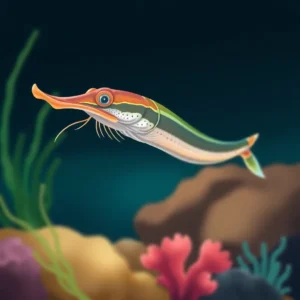
The greater pipefish is a long, slender relative of seahorses found in seagrass meadows and shallow coastal waters of the eastern Atlantic and Mediterranean. Like all syngnathids, pipefish have a unique reversed reproductive system: females deposit eggs into a brood pouch on the male’s abdomen, and the male carries, nourishes, and gives birth to the young. Their tube-like snout acts as a pipette, creating a rapid vacuum to suck in tiny prey.

⚡ Speed Comparison

Pipefish
2 km/h
Human
12 km/h
Car (city)
50 km/h
Horse
54 km/h

💡 Fun Facts

01

Male pipefish become pregnant: females deposit eggs into a ventral brood pouch on the male, who nourishes the embryos and gives birth to fully formed juveniles.

02

Pipefish can move their tubular snout independently and strike prey with a lightning-fast pipette suction lasting less than 1 millisecond — one of the fastest feeding strikes in the animal kingdom.

03

Males can selectively abort embryos from less attractive females if a more attractive female becomes available — a form of post-mating sexual selection.

04

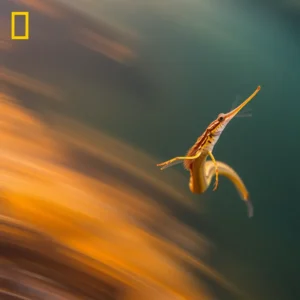
Pipefish swim upright or nearly horizontally, stabilizing their position with rapid oscillations of a single dorsal fin while remaining perfectly motionless relative to swaying seagrass.

05

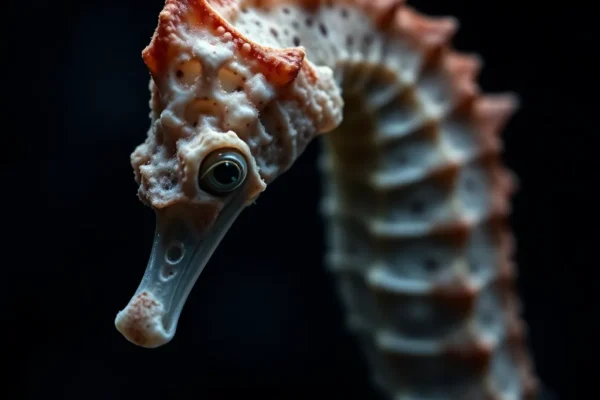
The bony rings (annuli) covering a pipefish's body make it rigid but flexible, providing armor-like protection while allowing gentle serpentine movement.

Unlock Expert Wildlife Facts

Watch a short 15-second video to unlock detailed expert analysis, exclusive wildlife photography, and rare behavioral facts.

📍 Where to Find This Animal

🛒 Pipefish Related Gear

As an Amazon Associate we earn from qualifying purchases.
🗨️

Join the Conversation

Share your thoughts about the Pipefish

✍️

Leave a Comment

Your email address will not be published. Required fields are marked *

How Big Is a Pipefish?

Side-by-side comparison with an adult human (175 cm)

🧍
Human
175 cm
🐟
Pipefish
65 cm
shoulder height
2–10 BODY WEIGHT
30–47 BODY LENGTH
2 TOP SPEED
3–5 LIFESPAN
Pipefish close-up
Pipefish

SURVIVAL TOOLKIT

Built for Survival

Nature's engineering refined over millions of years

🔬 SURVIVAL TOOLKIT
Cryptic Body Shape
01

Cryptic Body Shape

An elongated, laterally compressed body and green-brown coloration make pipefish almost indistinguishable from seagrass blades when motionless.

Pipette Suction Feeding
02

Pipette Suction Feeding

Rapid expansion of the buccal chamber creates a vacuum suction burst lasting under a millisecond, drawing copepods and amphipods into the snout from up to 3 cm away.

Male Pregnancy
03

Male Pregnancy

A ventral brood pouch on males provides oxygen, immune protection, and nutrients to developing embryos, freeing females to produce more egg clutches.

Bony Exoskeleton Rings
04

Bony Exoskeleton Rings

A series of bony plates arranged in rings provides structural rigidity and predator defense without heavy scales, maintaining flexibility for swimming.

Fin Stabilization
05

Fin Stabilization

A rapidly beating dorsal fin provides fine position control, enabling near-stationary hovering in currents to ambush prey from fixed perches in seagrass.

Needle of the Seagrass Sea. An extraordinary creature that reminds us what we stand to lose.

Jungal Safari · Wildlife Network
💡

Did You Know?

Male pipefish become pregnant: females deposit eggs into a ventral brood pouch on the male, who nourishes the embryos and gives birth to fully formed juveniles.

🍖 DIET: CARNIVORE

What Does the Pipefish Eat?

🦐
Copepods
🦐
Amphipods
🐟
Larval Fish
🦐
Mysid Shrimps
🗺️ GEOGRAPHIC RANGE

Where Do Pipefishs Live?

🌍
Continents
📉
Population Trend Declining

Conservation in Action

How You Can Help the Pipefish

Small actions, taken together, can reverse the decline of species like this one

🌳
Protect Habitat

Support wildlife reserves and protected land corridors

🚫
Stop Poaching

Report illegal trade and back anti-poaching patrols

🔬
Fund Research

Camera-trap studies and population monitoring

🤝
Community Work

Partner with local herders to reduce conflict

📢
Raise Awareness

Educate and inspire future wildlife champions

"Without urgent action, the Pipefish could disappear from the wild within our lifetime."

PROTECT THEM. PRESERVE THEIR LEGACY.

The Pipefish's Future
Is In Our Hands

Every share, every donation, every voice raised — makes a difference for wildlife conservation.

🌳Protect Habitat
📢Raise Awareness
💰Fund Research
🤝Community Work
🚫Stop Poaching

"Protect Wildlife. Preserve Our Planet."

Every species matters. Every action counts.

Advertisement