Loading Wildlife…

Serrasalmidae LC

THE

PIRANHA

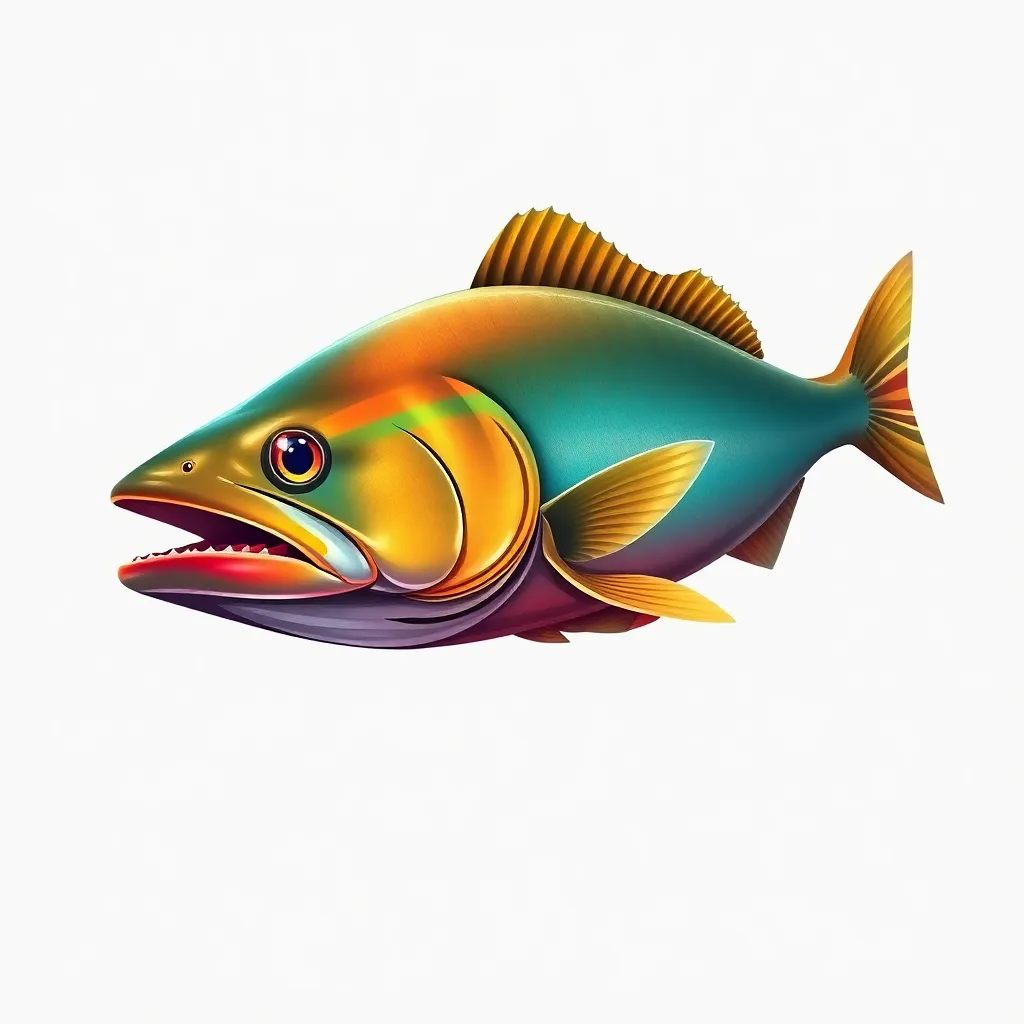
Razor-Toothed River Phantom

Pygocentrus nattereri

Americas
CLASS Actinopterygii FAMILY Serrasalmidae GENUS Pygocentrus
25 km/h
Top Speed
⚖️
0.9–3.5 kg
Max Weight
📏
20–33 cm
Body Length
🕰️
10–25 years
Lifespan
🍖
Carnivore
Diet Type

IUCN Red List — Where this species stands

LC Least Concern
NT Near Threatened
VU Vulnerable
EN Endangered
CR Critical
EW Extinct Wild
EX Extinct

About the Piranha

Pygocentrus nattereri

Advertisement

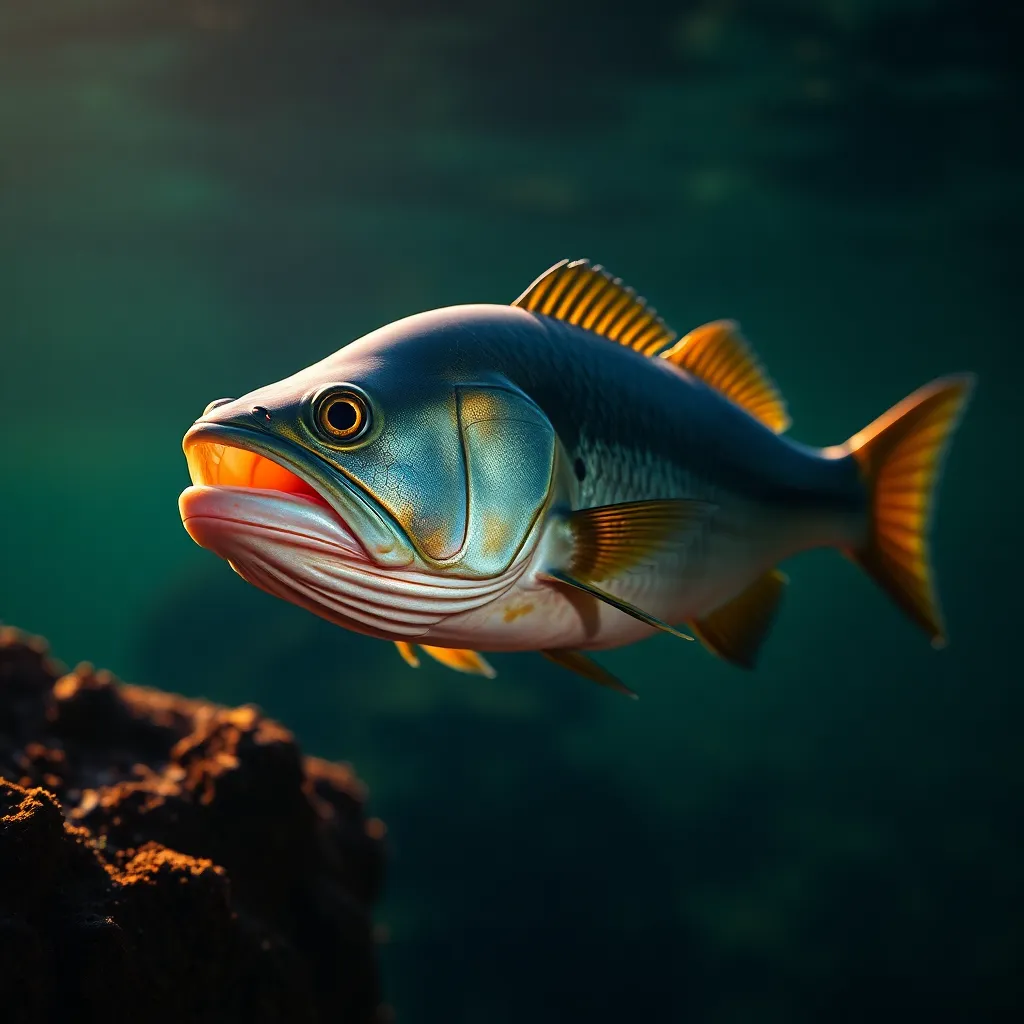
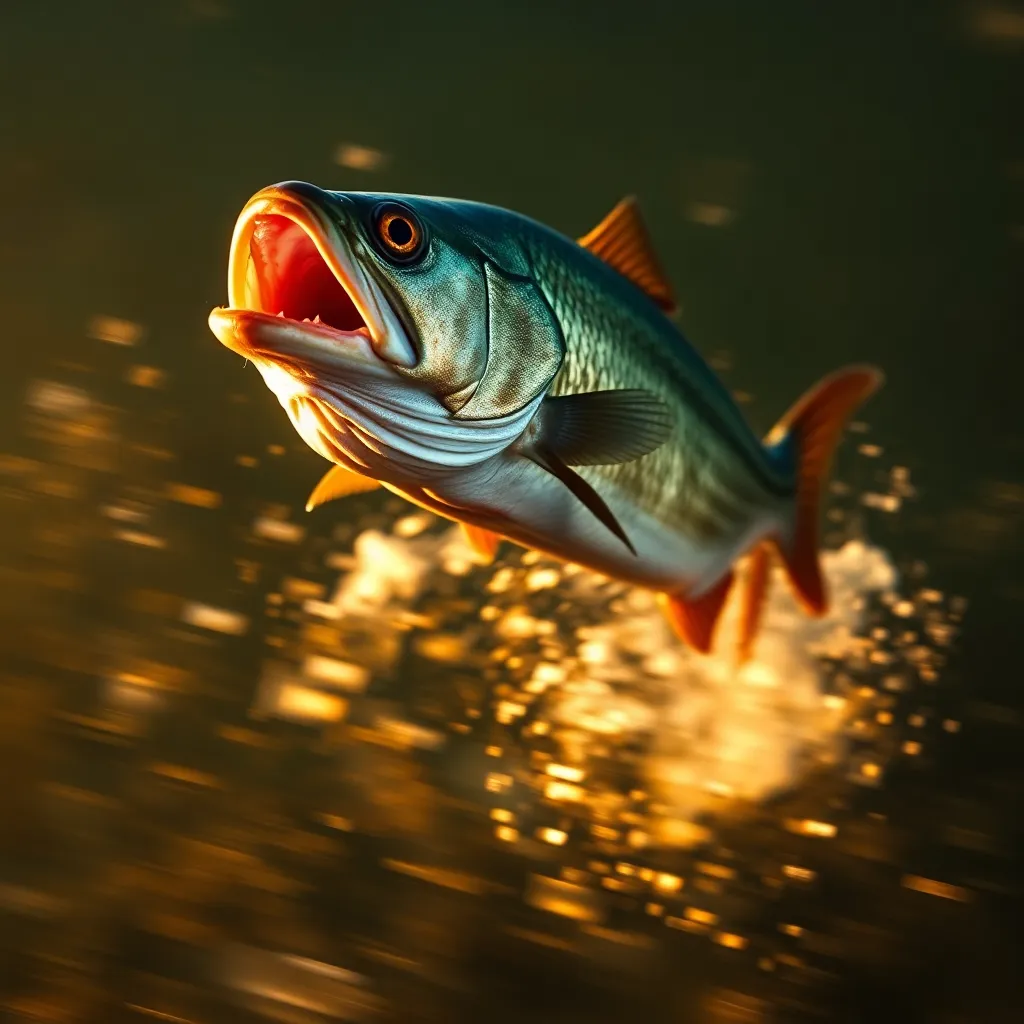
The red-bellied piranha is one of the most feared freshwater fish in the world, renowned for its razor-sharp interlocking teeth capable of stripping flesh with extraordinary speed and efficiency. Native to the Amazon basin and surrounding river systems, piranhas are actually highly social shoaling fish that form defensive groups against their own predators, including caiman, dolphins, and large birds. Despite their fearsome reputation, attacks on healthy humans are rare, and piranhas fulfill a vital ecological role as both scavengers and predators in Amazonian ecosystems.

⚡ Speed Comparison

Human
12 km/h
Piranha
25 km/h
Car (city)
50 km/h
Horse
54 km/h

💡 Fun Facts

01

Piranha teeth are serrated and triangular like shark teeth, but are set in interlocking rows that allow the jaws to close with shearing precision rather than crushing force.

02

Piranhas are themselves prey for many Amazonian predators, and the shoal's defensive behaviour — not aggression toward large animals — is the primary reason they school.

03

Theodore Roosevelt famously wrote terrifying accounts of piranha feeding frenzies in 1914 after Brazilian fishermen staged them by starving fish in a blocked channel, exaggerating their danger.

04

Piranhas use a distinctive bark-like sound produced by vibrating their swim bladder to communicate aggression, territory, and spawning readiness.

05

In the dry season when rivers shrink, piranhas can be stranded in isolated pools where competition is fierce — this is when the few recorded serious attacks on humans occur.

Unlock Expert Wildlife Facts

Watch a short 15-second video to unlock detailed expert analysis, exclusive wildlife photography, and rare behavioral facts.

📍 Where to Find This Animal

🛒 Piranha Related Gear

As an Amazon Associate we earn from qualifying purchases.
🗨️

Join the Conversation

Share your thoughts about the Piranha

✍️

Leave a Comment

Your email address will not be published. Required fields are marked *

How Big Is a Piranha?

Side-by-side comparison with an adult human (175 cm)

🧍
Human
175 cm
🐟
Piranha
65 cm
shoulder height
0.9–3.5 BODY WEIGHT
20–33 BODY LENGTH
25 TOP SPEED
10–25 LIFESPAN
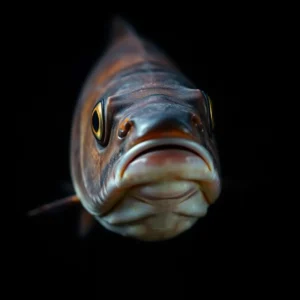
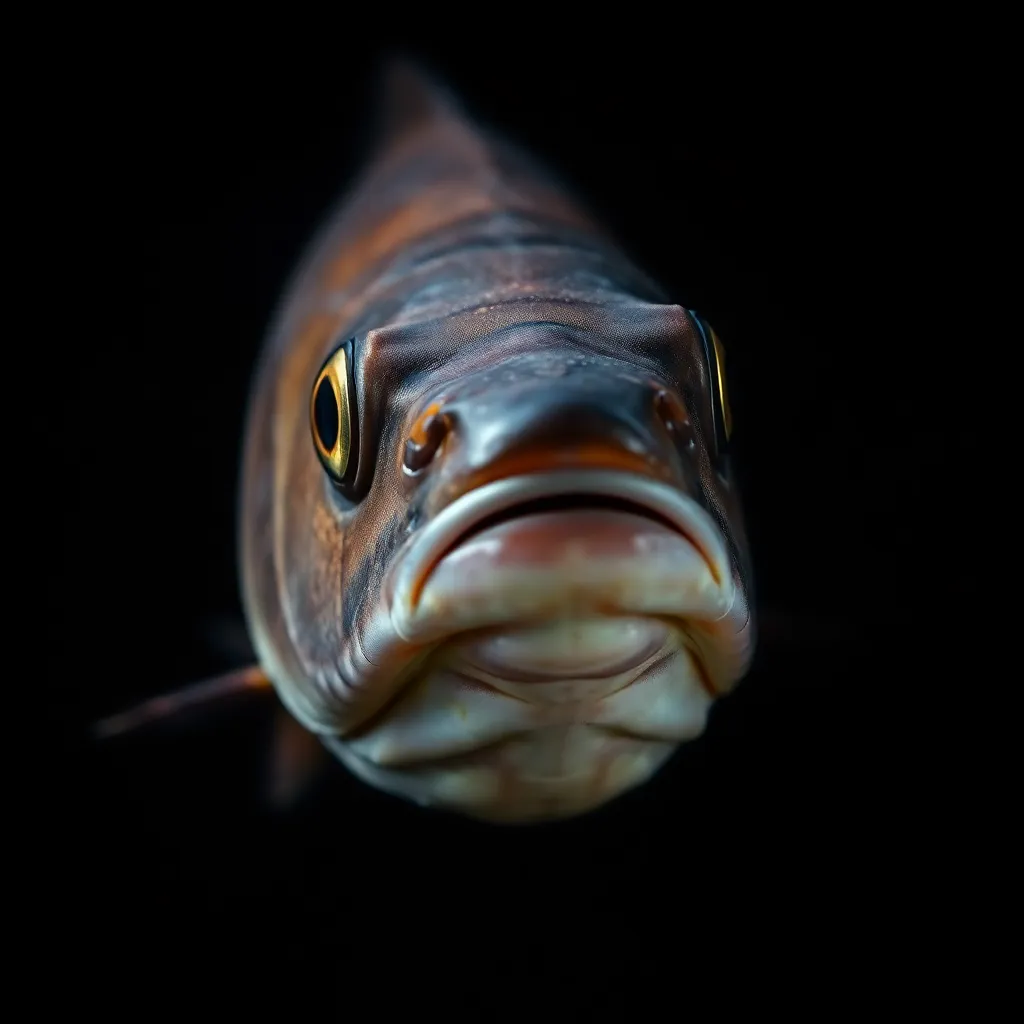
Piranha close-up
Piranha

SURVIVAL TOOLKIT

Built for Survival

Nature's engineering refined over millions of years

🔬 SURVIVAL TOOLKIT
Interlocking Blade Teeth
01

Interlocking Blade Teeth

Triangular, serrated teeth in both jaws interlock precisely when closed, creating a scissors action that shears flesh cleanly from bone in seconds.

Lateral Line System
02

Lateral Line System

A series of sensory cells along the body detects vibrations and pressure changes in the water, enabling piranhas to track struggling prey in murky, dark river water.

Binocular Vision
03

Binocular Vision

Forward-facing eyes provide a degree of binocular overlap, improving depth perception for precise strikes at fast-moving prey.

Swim Bladder Acoustics
04

Swim Bladder Acoustics

A modified swim bladder acts as a resonating drum, producing low-frequency sounds used in threat displays, shoal coordination, and courtship.

Counter-Shaded Camouflage
05

Counter-Shaded Camouflage

A silvery-red coloration matches dappled sunlight in tannin-stained tropical waters, concealing the fish from above and below when ambushing prey.

Razor-Toothed River Phantom. An extraordinary creature that reminds us what we stand to lose.

Jungal Safari · Wildlife Network
💡

Did You Know?

Piranha teeth are serrated and triangular like shark teeth, but are set in interlocking rows that allow the jaws to close with shearing precision rather than crushing force.

🍖 DIET: CARNIVORE

What Does the Piranha Eat?

🐟
Fish
🦆
Small Birds & Mammals
🥩
Carrion & Carcasses
🦐
Invertebrates
🌰
Seeds & Fruit
🗺️ GEOGRAPHIC RANGE

Where Do Piranhas Live?

🌍
Continents
➡️
Population Trend Stable

Conservation in Action

How You Can Help the Piranha

Small actions, taken together, can reverse the decline of species like this one

🌳
Protect Habitat

Support wildlife reserves and protected land corridors

🚫
Stop Poaching

Report illegal trade and back anti-poaching patrols

🔬
Fund Research

Camera-trap studies and population monitoring

🤝
Community Work

Partner with local herders to reduce conflict

📢
Raise Awareness

Educate and inspire future wildlife champions

"Without urgent action, the Piranha could disappear from the wild within our lifetime."

PROTECT THEM. PRESERVE THEIR LEGACY.

The Piranha's Future
Is In Our Hands

Every share, every donation, every voice raised — makes a difference for wildlife conservation.

🌳Protect Habitat
📢Raise Awareness
💰Fund Research
🤝Community Work
🚫Stop Poaching

"Protect Wildlife. Preserve Our Planet."

Every species matters. Every action counts.

Advertisement