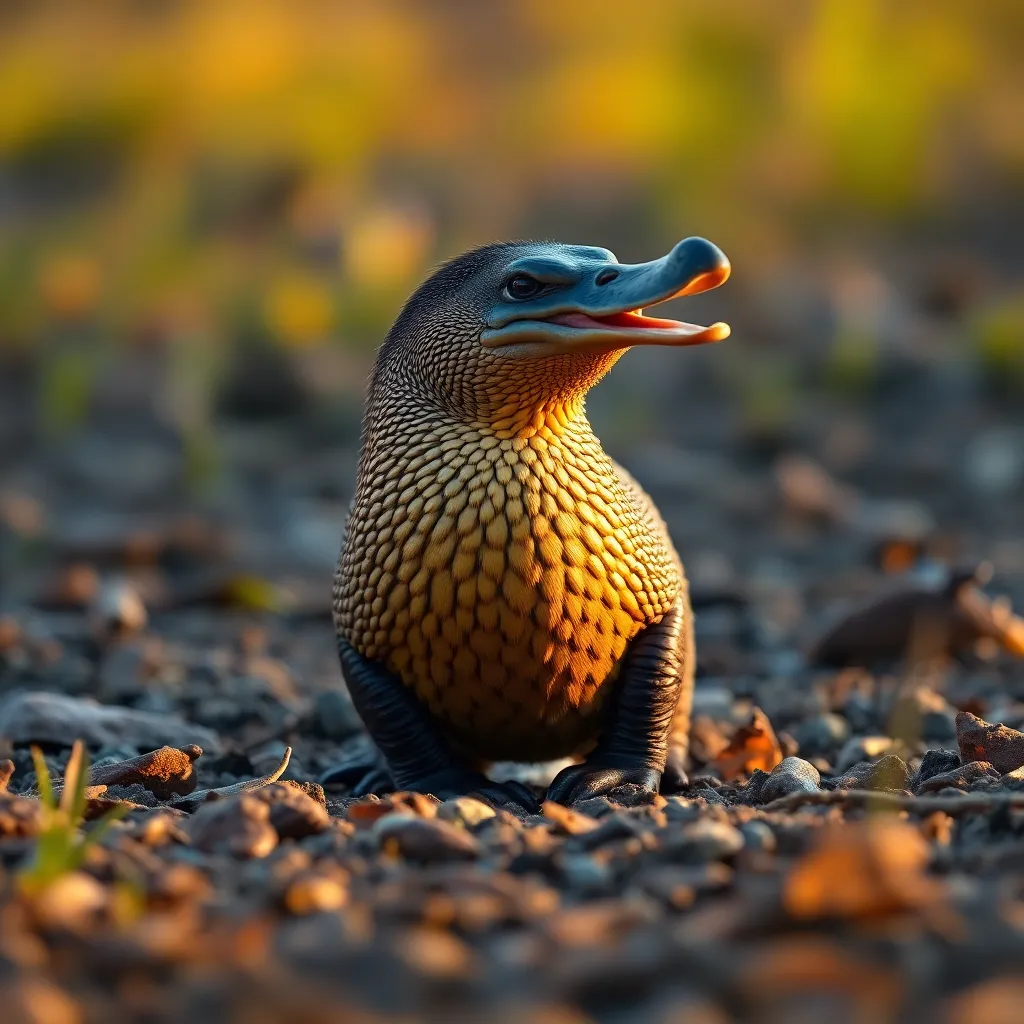
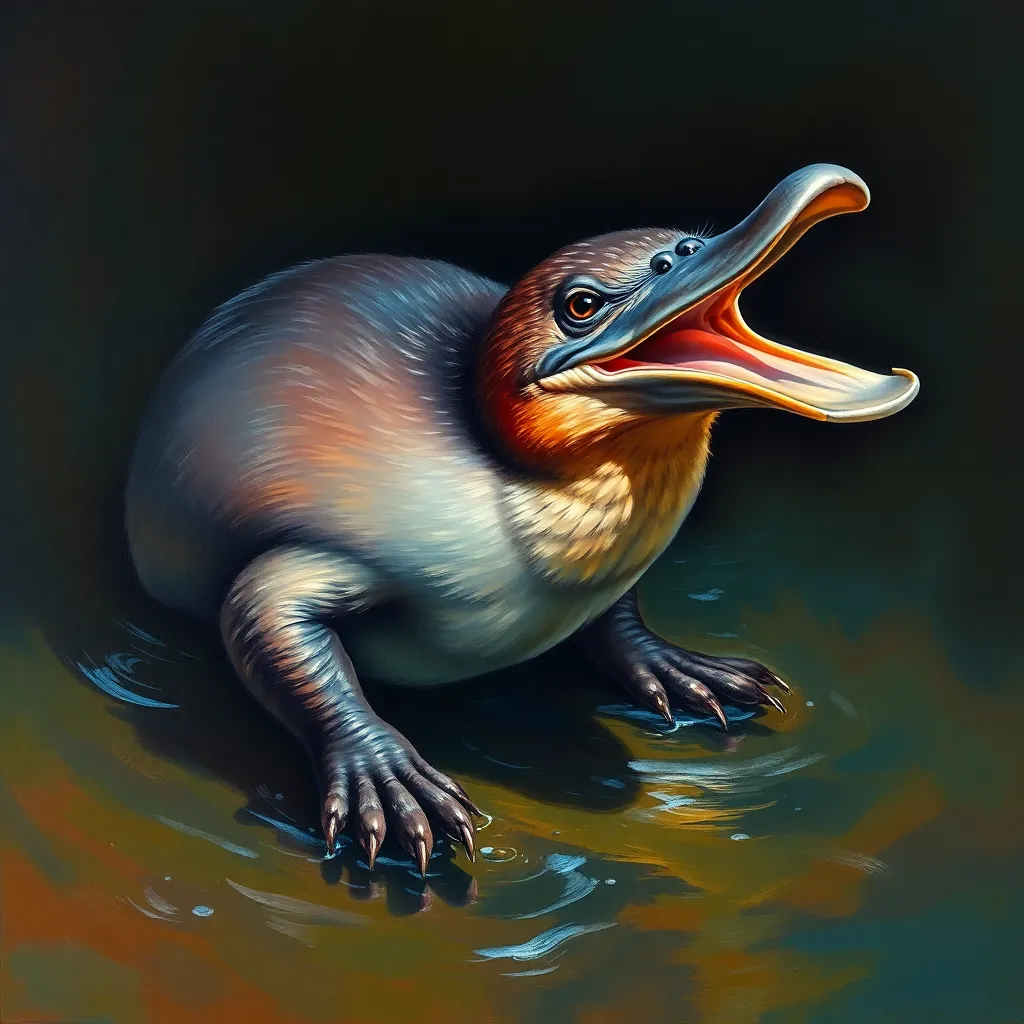
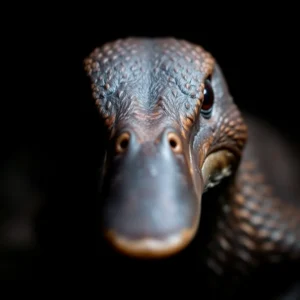
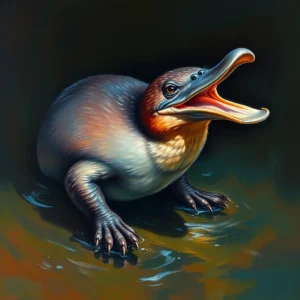
The platypus is perhaps the most evolutionarily unusual mammal alive, combining features so bizarre that when the first specimen arrived in Britain in 1799, scientists suspected it was a taxidermy hoax. One of only five monotreme species, it lays eggs, produces venom, hunts using electroreception, and is one of the very few venomous mammals. The platypus navigates its river habitat almost entirely blind and deaf underwater, relying on an electrosensory bill capable of detecting the microsecond electrical signals produced by prey muscle contractions.
About the Platypus
Ornithorhynchus anatinus
Advertisement
⚡ Speed Comparison
📸 Photo Gallery


💡 Fun Facts
01
When the first platypus specimen was sent to Britain in 1799, scientists thought it was a taxidermy hoax made from a beaver and duck.
02
Male platypuses have venomous spurs on their hind legs that deliver venom powerful enough to incapacitate a dog or cause intense, long-lasting pain in humans.
03
A platypus has 10 sex chromosomes — compared to 2 in humans — and its sex determination system resembles that of birds more than mammals.
04
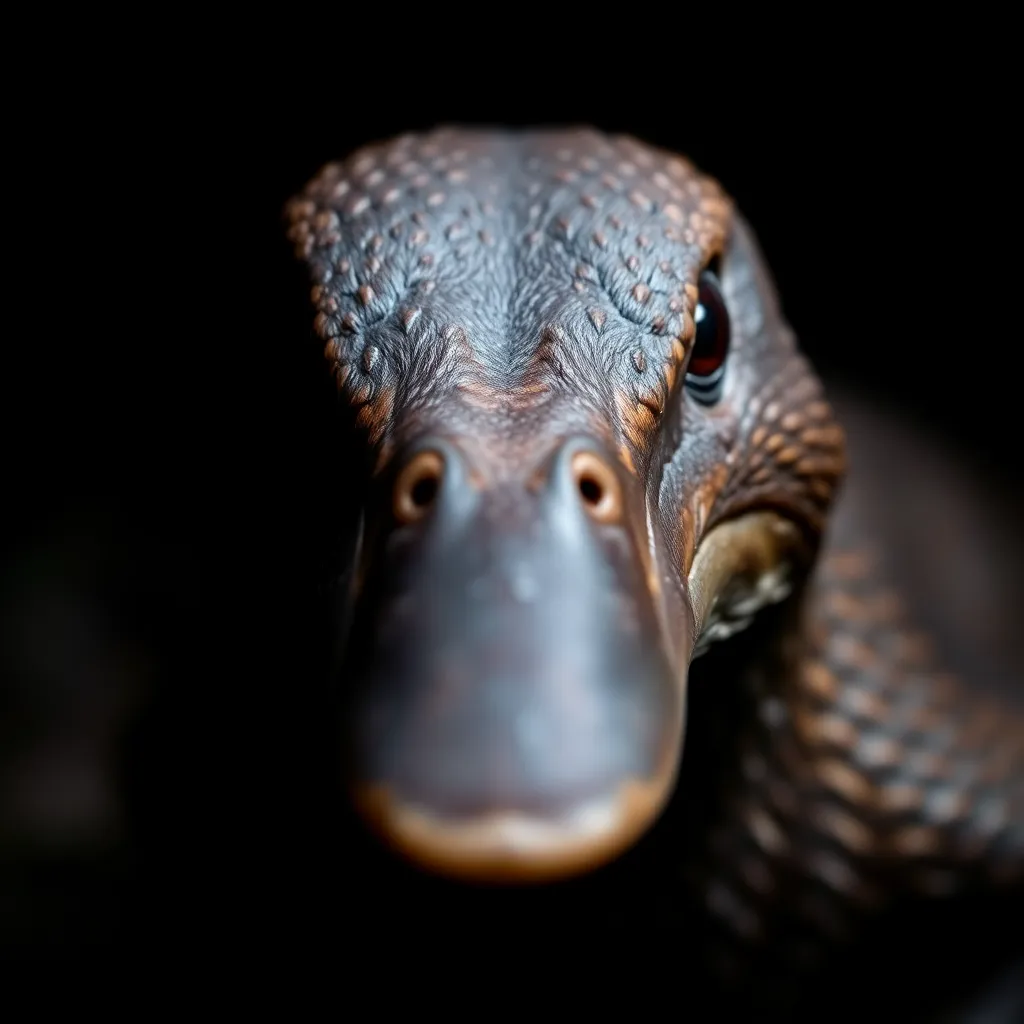
The platypus bill contains 40,000 electroreceptors and 60,000 mechanoreceptors, giving it 3D prey detection in total darkness.
05
Platypuses store fat in their tail (not their body) and the tail shrinks noticeably when food is scarce — a visible indicator of body condition.
📍 Where to Find This Animal
Habitat Types:
Freshwater Rivers & Lakes
🛒 Platypus Related Gear
As an Amazon Associate we earn from qualifying purchases.


Join the Conversation
Share your thoughts about the Platypus