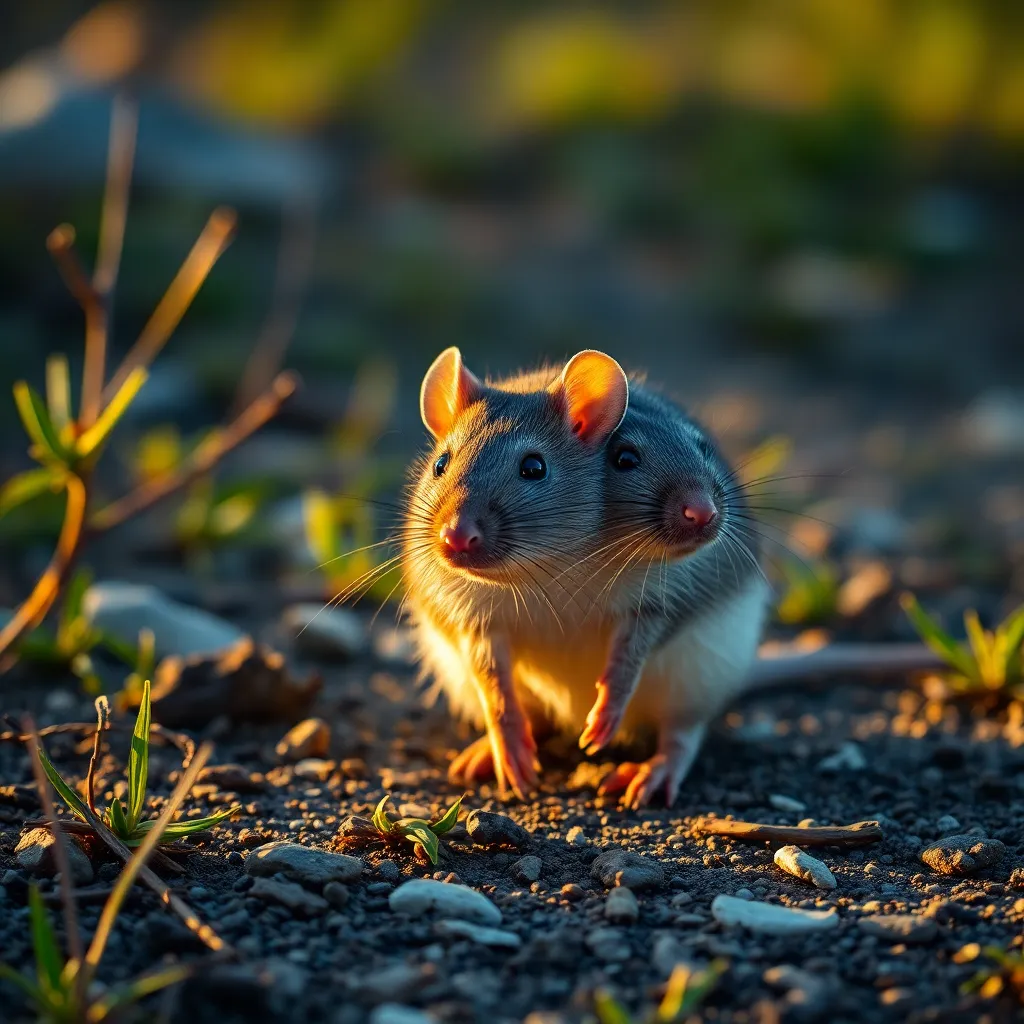
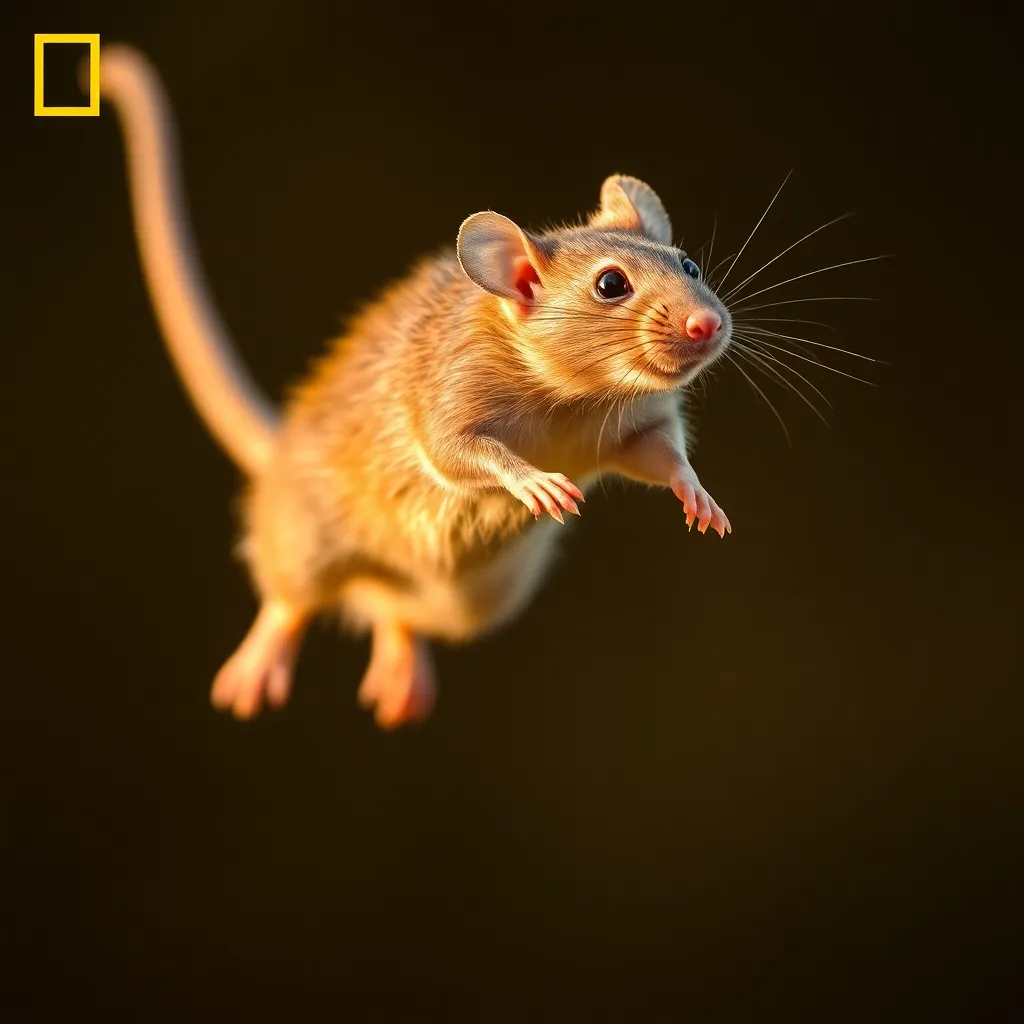
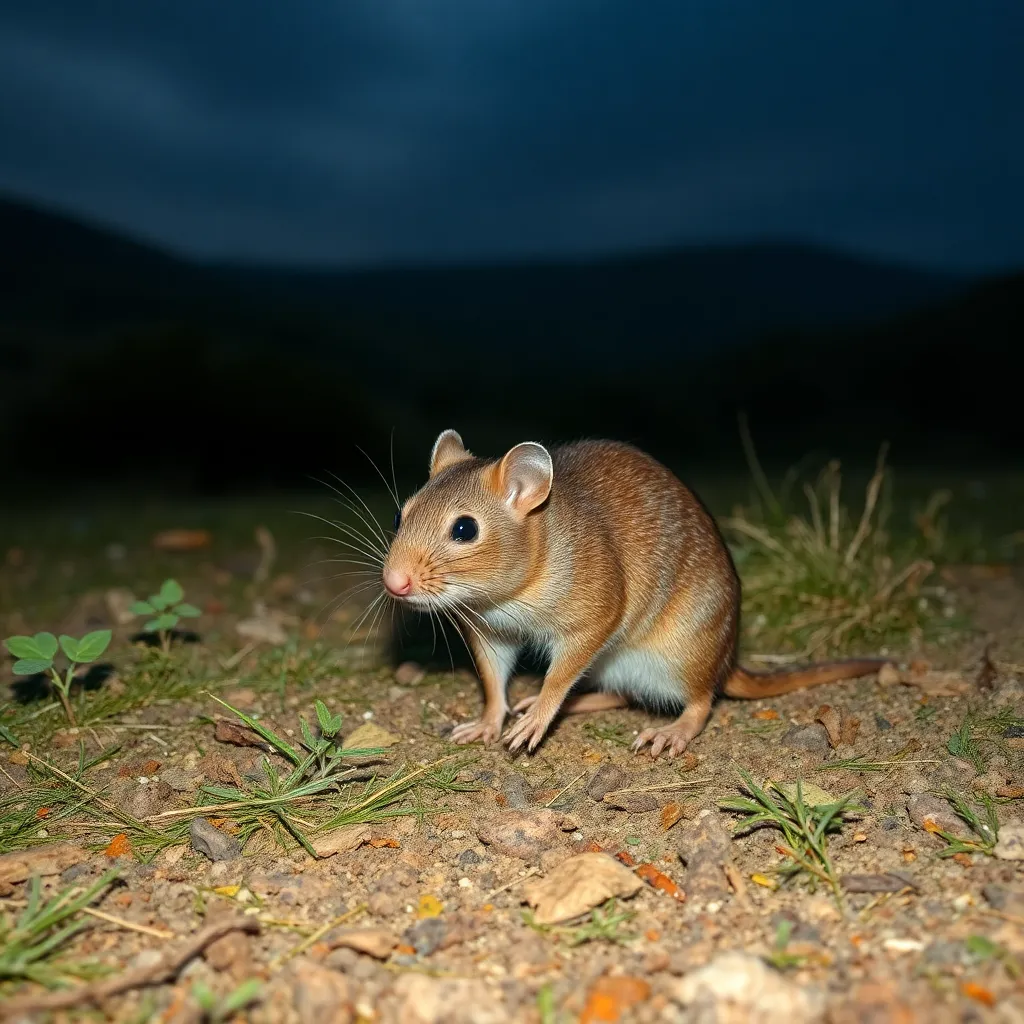
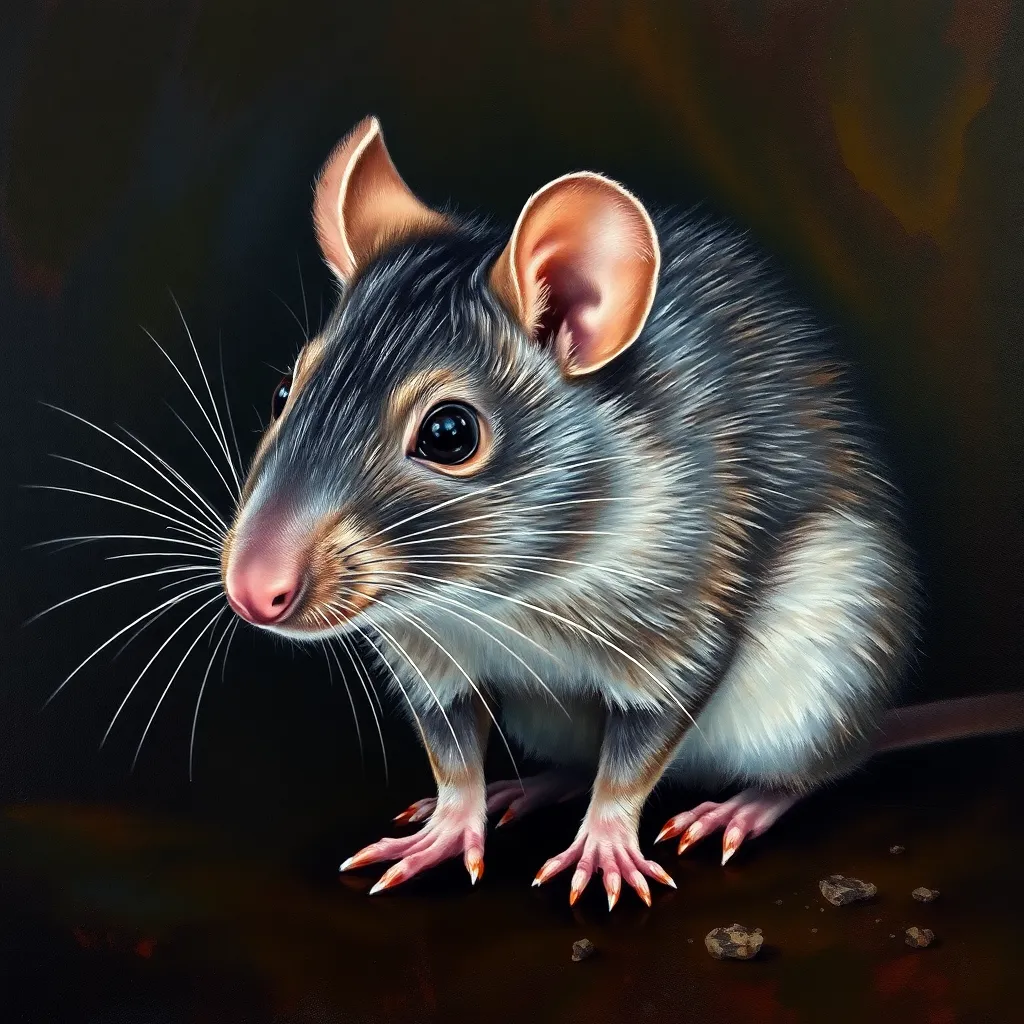
The brown rat, or Norway rat, is one of the most successful mammals on Earth, present on every continent except Antarctica and thriving in the most densely human-populated environments on the planet. Despite their reputation, rats are highly intelligent, deeply social, and display remarkable empathy — they will sacrifice a reward to help a trapped cage-mate and will not inflict pain on others even when trained with shock protocols. Their genetic and physiological similarities to humans make them indispensable in biomedical research.
About the Rat
Rattus norvegicus
Advertisement
⚡ Speed Comparison
📸 Photo Gallery

💡 Fun Facts
01
Rats emit ultrasonic chirps at 50 kHz during play and tickling — researchers describe this as rat laughter, inaudible to the human ear.
02
Rats demonstrate empathy: they will consistently free a trapped cagemate before claiming food, even when they are hungry.
03
A rat's incisor teeth grow approximately 14 cm per year and are harder than iron — rated 5.5 on the Mohs scale, harder than platinum.
04
Rats cannot vomit — they lack both the muscle reflex and the anatomical structures required, which is why they are highly susceptible to rodenticide bait that cannot be regurgitated.
05
Norway rats have colonized every continent except Antarctica through stowing away on sailing ships — arguably the most geographically successful mammal expansion in history.
📍 Where to Find This Animal
Habitat Types:
Urban and Agricultural Areas
🛒 Rat Related Gear
As an Amazon Associate we earn from qualifying purchases.
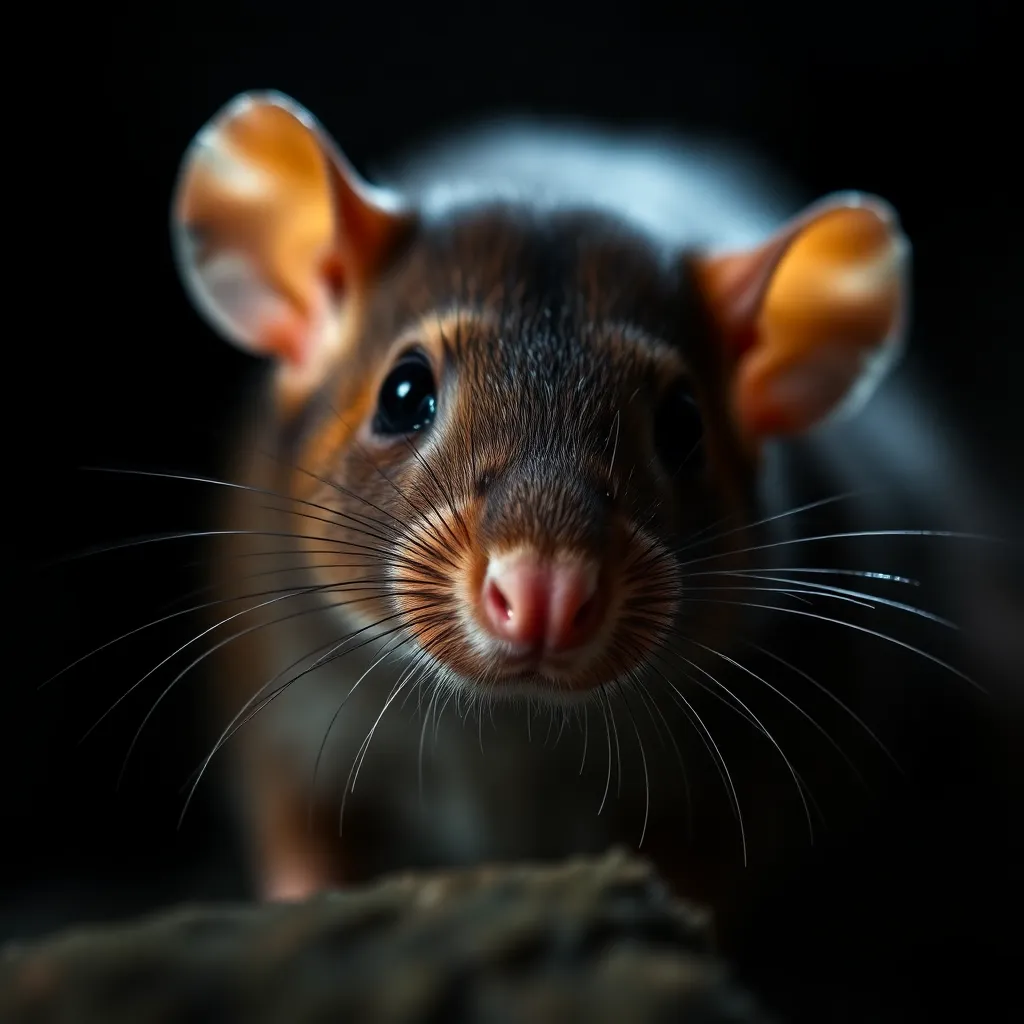



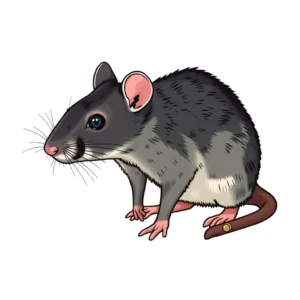
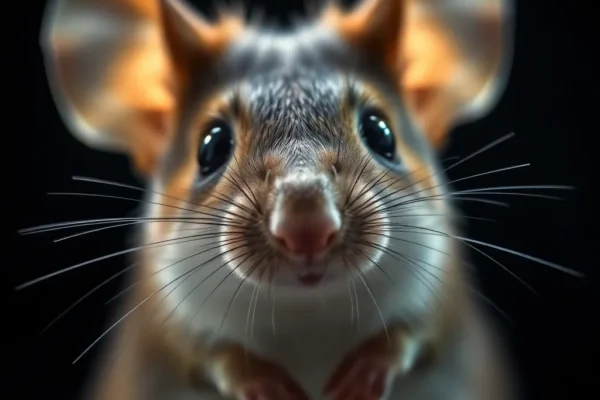
Join the Conversation
Share your thoughts about the Rat