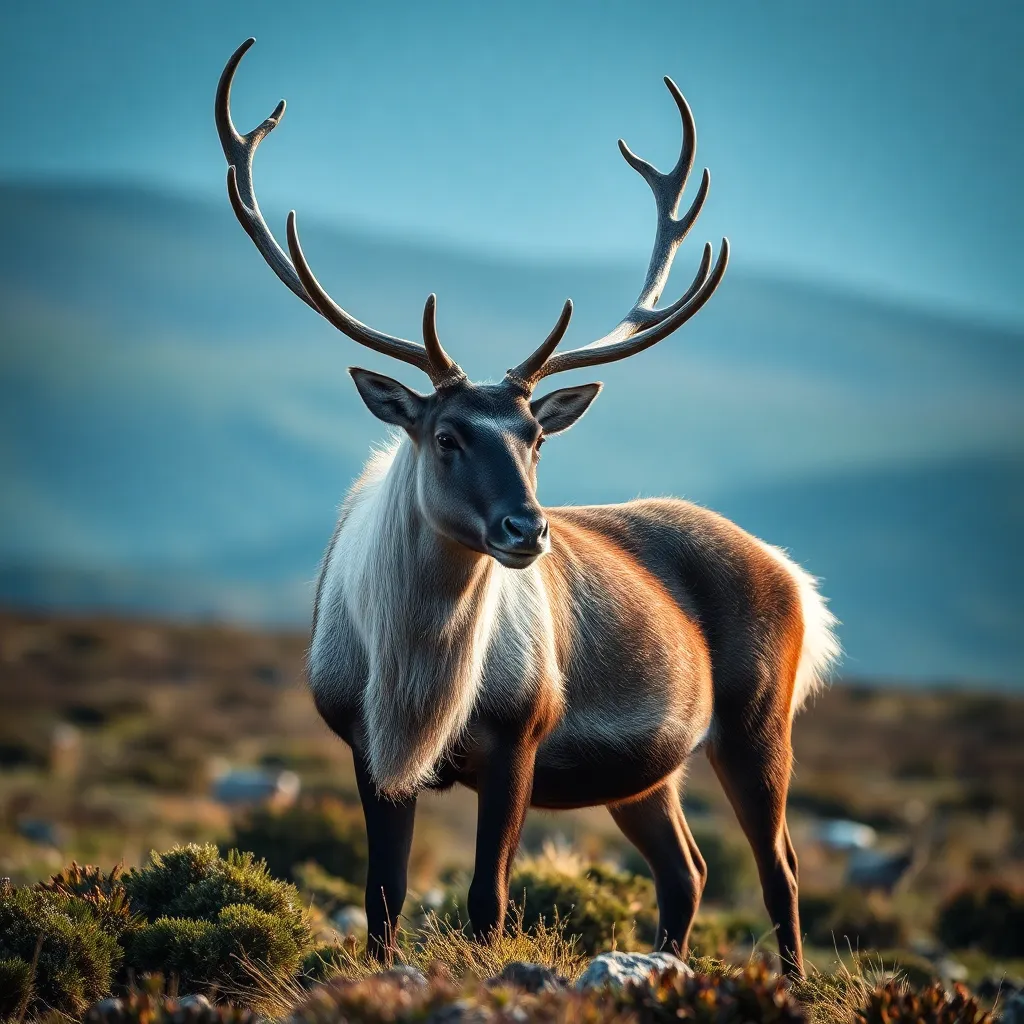
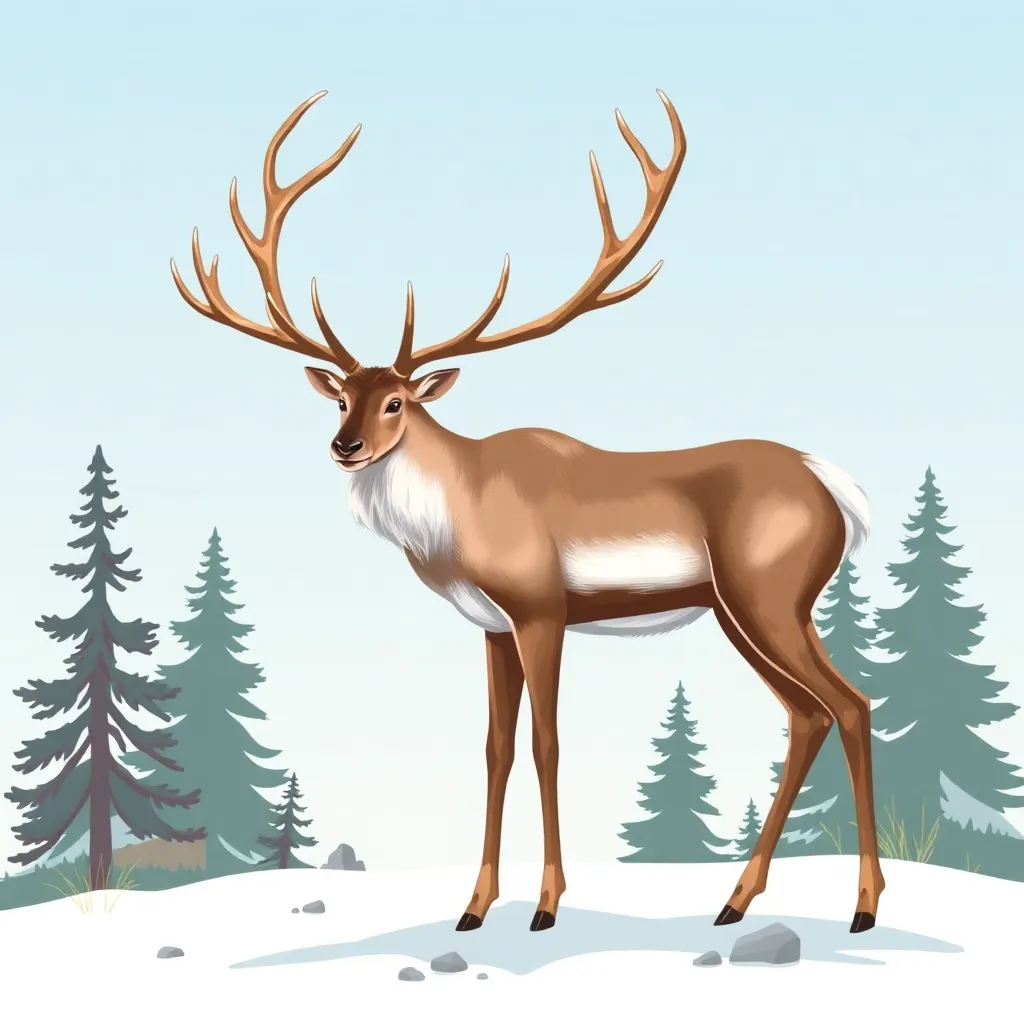
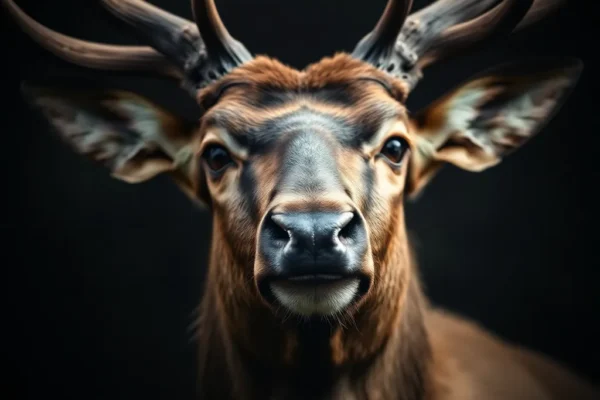
The reindeer, known as caribou in North America, undertakes the longest terrestrial migration of any land mammal — herds in the Canadian Arctic travel over 5,000 km annually between calving and wintering grounds. They are the only deer species where both males and females grow antlers, and the only large mammal known to see in the ultraviolet spectrum — an adaptation that helps them detect predators and food sources in snow-blanketed Arctic landscapes. Wild reindeer populations have declined sharply due to climate change disrupting the timing of ice formation and vegetation cycles.
About the Reindeer
Rangifer tarandus
Advertisement
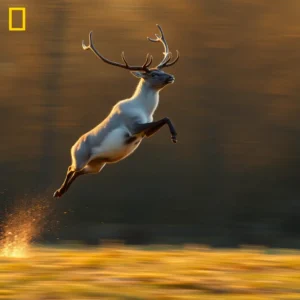
⚡ Speed Comparison
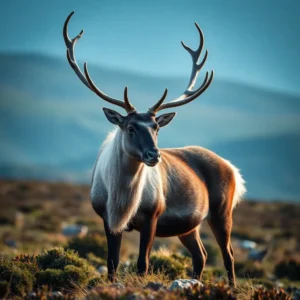
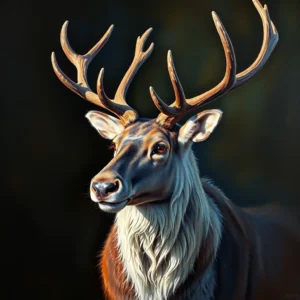
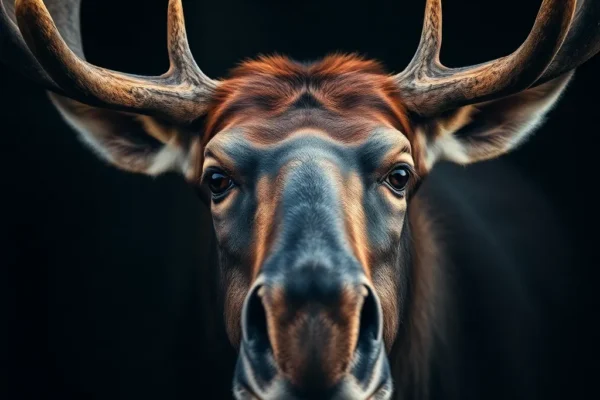
📸 Photo Gallery



💡 Fun Facts
01
Reindeer are the only mammals known to see ultraviolet light, allowing them to detect urine trails of predators and lichen beneath UV-absorbing snow that appears black to their eyes.
02
Wild reindeer perform the longest terrestrial migration of any land mammal, with Canadian barren-ground caribou travelling over 5,000 km per year.
03
Reindeer hooves change seasonally: soft and spongy in summer for traction on wet ground, then hardening and shrinking in winter to reveal sharp edges for gripping ice.
04
Female reindeer are the only female deer to grow antlers, which they retain through winter — longer than males' — to compete for feeding craters excavated through snow.
05
Reindeer tendons snap with a clicking sound as they walk, which helps herd members stay together in blizzard conditions when visibility is zero.
📍 Where to Find This Animal
Habitat Types:
Arctic Tundra, Boreal Forest
🛒 Reindeer Related Gear
As an Amazon Associate we earn from qualifying purchases.

Join the Conversation
Share your thoughts about the Reindeer