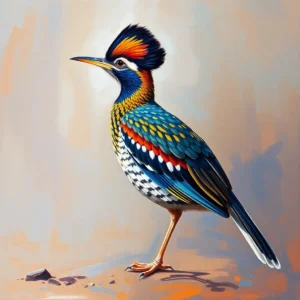
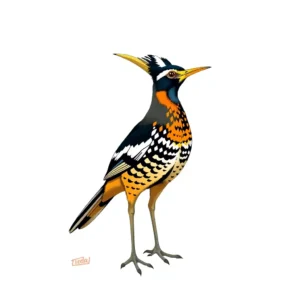
Loading Wildlife…

Cuculidae LC

THE

ROADRUNNER

Speed Demon of the Chaparral

Geococcyx californianus

Americas
CLASS Aves FAMILY Cuculidae GENUS Geococcyx
32 km/h
Top Speed
⚖️
220–538 g kg
Max Weight
📏
52–62 cm
Body Length
🕰️
7–8 years
Lifespan
🍖
Carnivore
Diet Type

IUCN Red List — Where this species stands

LC Least Concern
NT Near Threatened
VU Vulnerable
EN Endangered
CR Critical
EW Extinct Wild
EX Extinct

About the Roadrunner

Geococcyx californianus

Advertisement

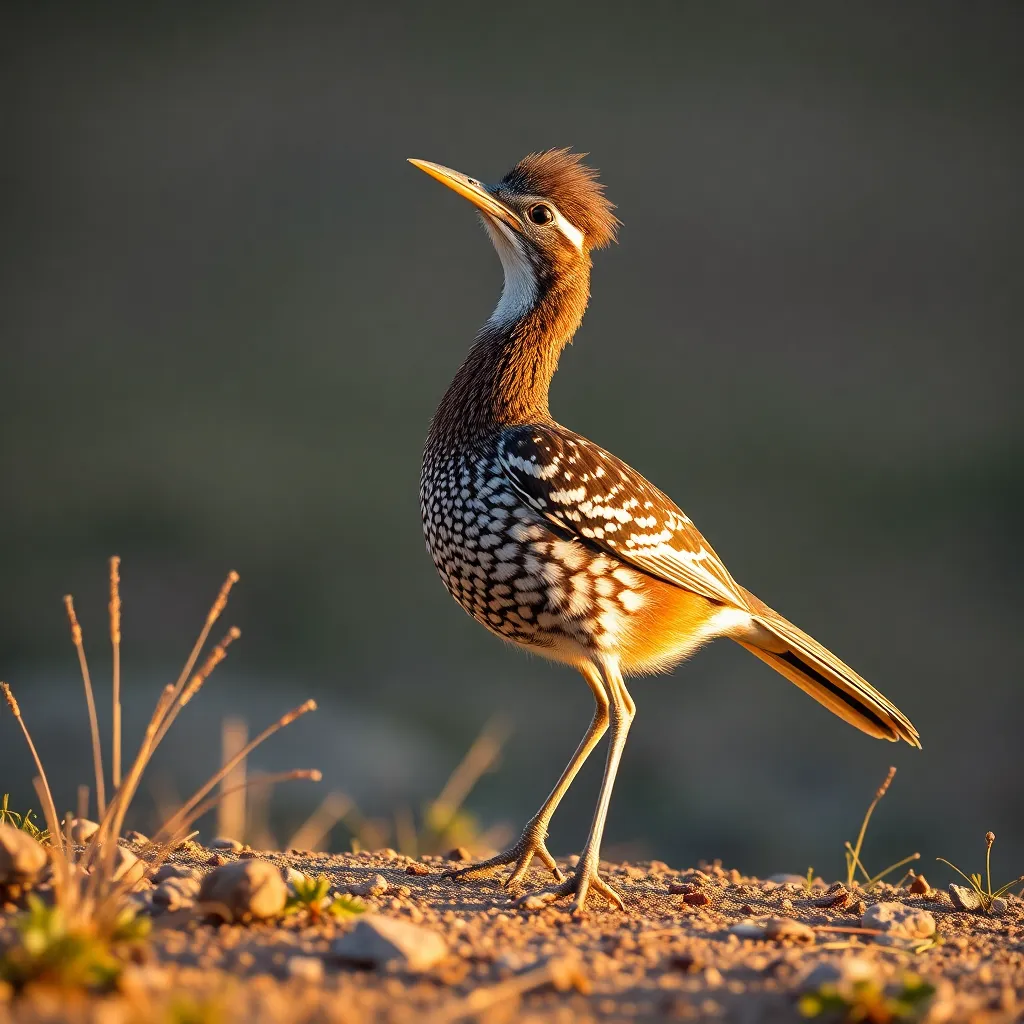
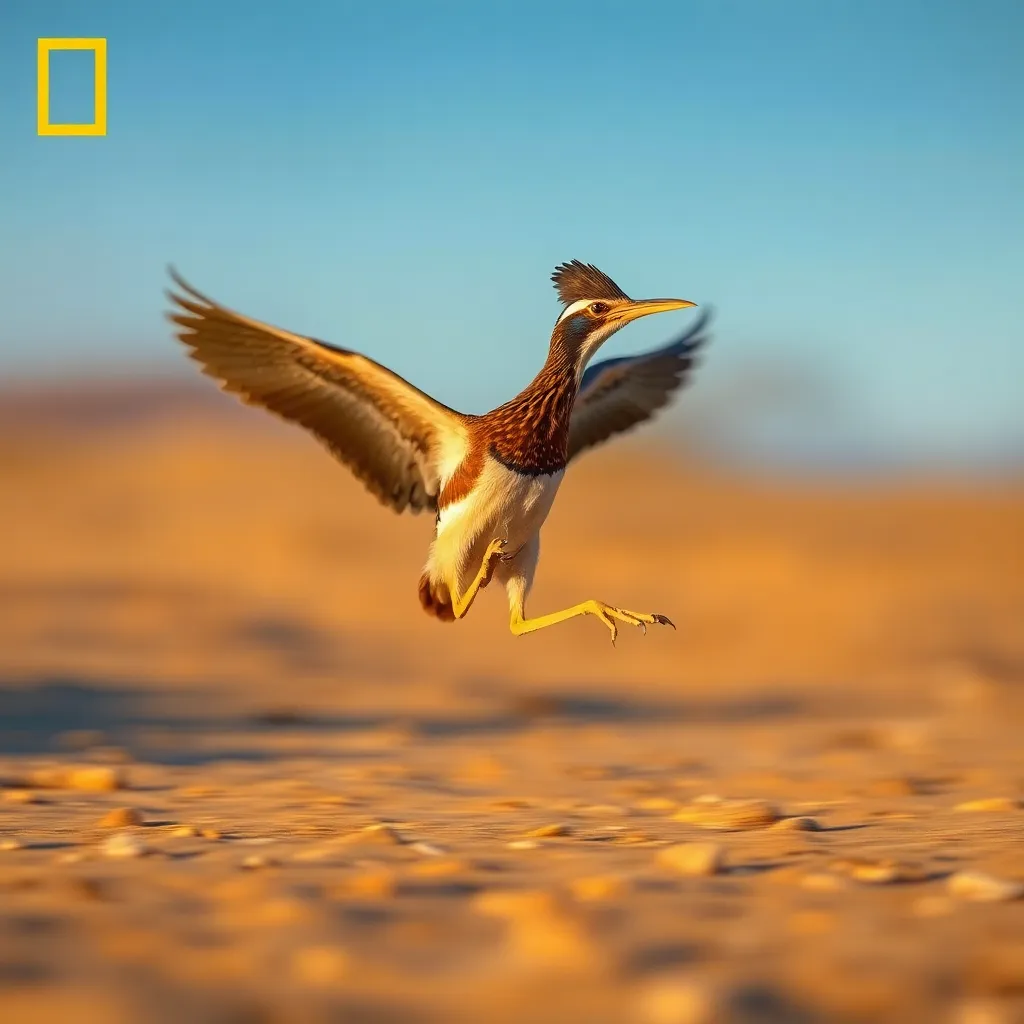
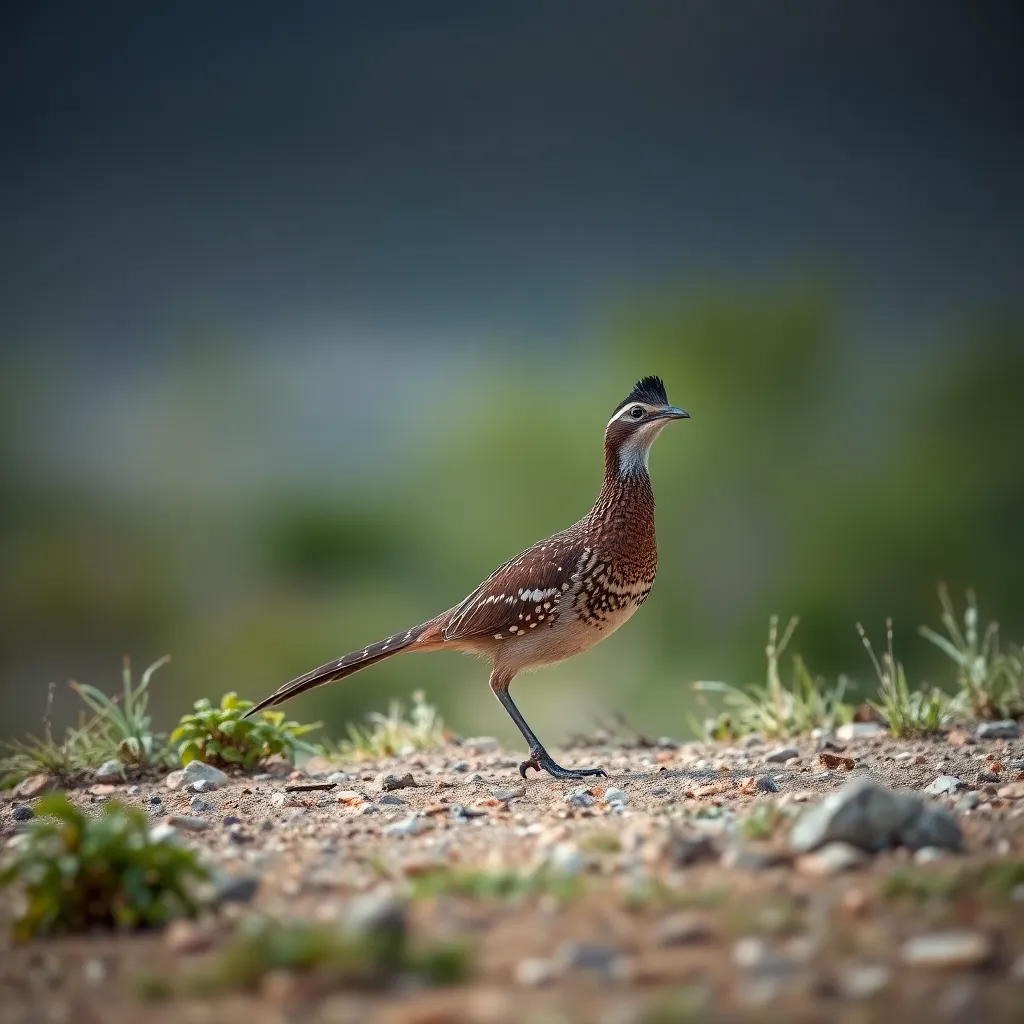
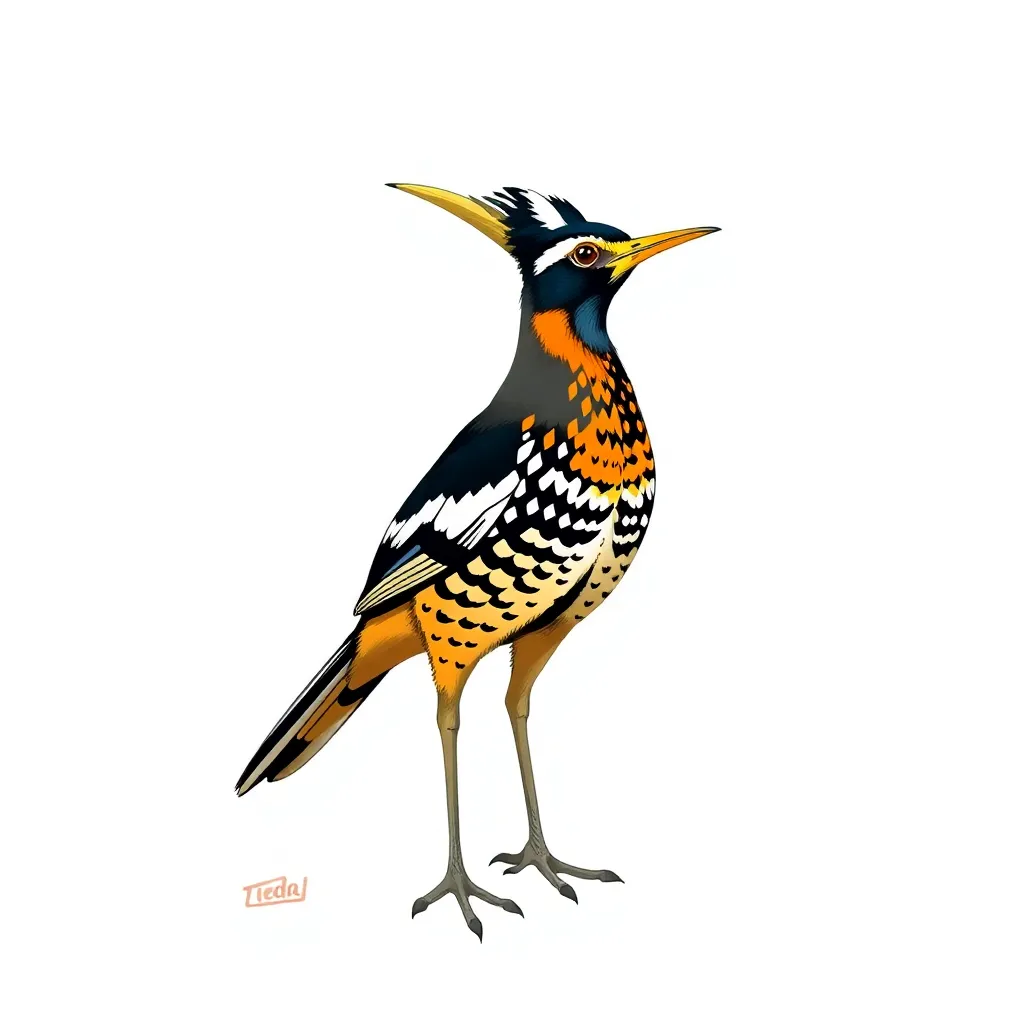
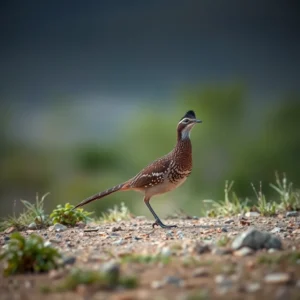
The greater roadrunner is a ground-dwelling cuckoo of North American deserts and chaparral that prefers running over flying, reaching speeds of 32 km/h to outpace prey and most predators. Famous for its willingness to hunt and kill rattlesnakes — subduing them by slamming the snake’s head against rocks — the roadrunner is an apex predator of the desert floor. Its zygodactyl feet (two toes forward, two backward) leave X-shaped tracks that historically led the Puebloan peoples to use roadrunner footprint motifs as protective symbols.

⚡ Speed Comparison

Human
12 km/h
Roadrunner
32 km/h
Car (city)
50 km/h
Horse
54 km/h

💡 Fun Facts

01

Roadrunners regularly hunt and kill rattlesnakes up to 60 cm long, subduing them by grabbing behind the head and repeatedly slamming the snake against a rock or the ground until the skull fractures.

02

To survive cold desert nights, roadrunners let their body temperature drop by 4–6°C — entering a mild torpor — then each morning press a patch of black, heavily vascularized skin on their back directly against the sun to rewarm themselves.

03

Roadrunners are the only birds known to routinely eat Mojave rattlesnakes; after catching one, they may take 30 minutes to swallow a snake too long for the stomach, leaving the tail hanging from the beak while the front end digests.

04

Paired roadrunners perform an elaborate courtship ritual in which the male presents the female with a lizard or snake, then performs a bowing, tail-wagging display before being allowed to mate.

05

Their zygodactyl footprint — two toes pointing forward and two backward — makes it impossible to tell which direction the bird is traveling from tracks alone, and this feature was used by Pueblo peoples to ward off evil spirits.

Unlock Expert Wildlife Facts

Watch a short 15-second video to unlock detailed expert analysis, exclusive wildlife photography, and rare behavioral facts.

📍 Where to Find This Animal

🛒 Roadrunner Related Gear

As an Amazon Associate we earn from qualifying purchases.
🗨️

Join the Conversation

Share your thoughts about the Roadrunner

✍️

Leave a Comment

Your email address will not be published. Required fields are marked *

How Big Is a Roadrunner?

Side-by-side comparison with an adult human (175 cm)

🧍
Human
175 cm
🐾
Roadrunner
65 cm
shoulder height
220–538 BODY WEIGHT
52–62 BODY LENGTH
32 TOP SPEED
7–8 LIFESPAN
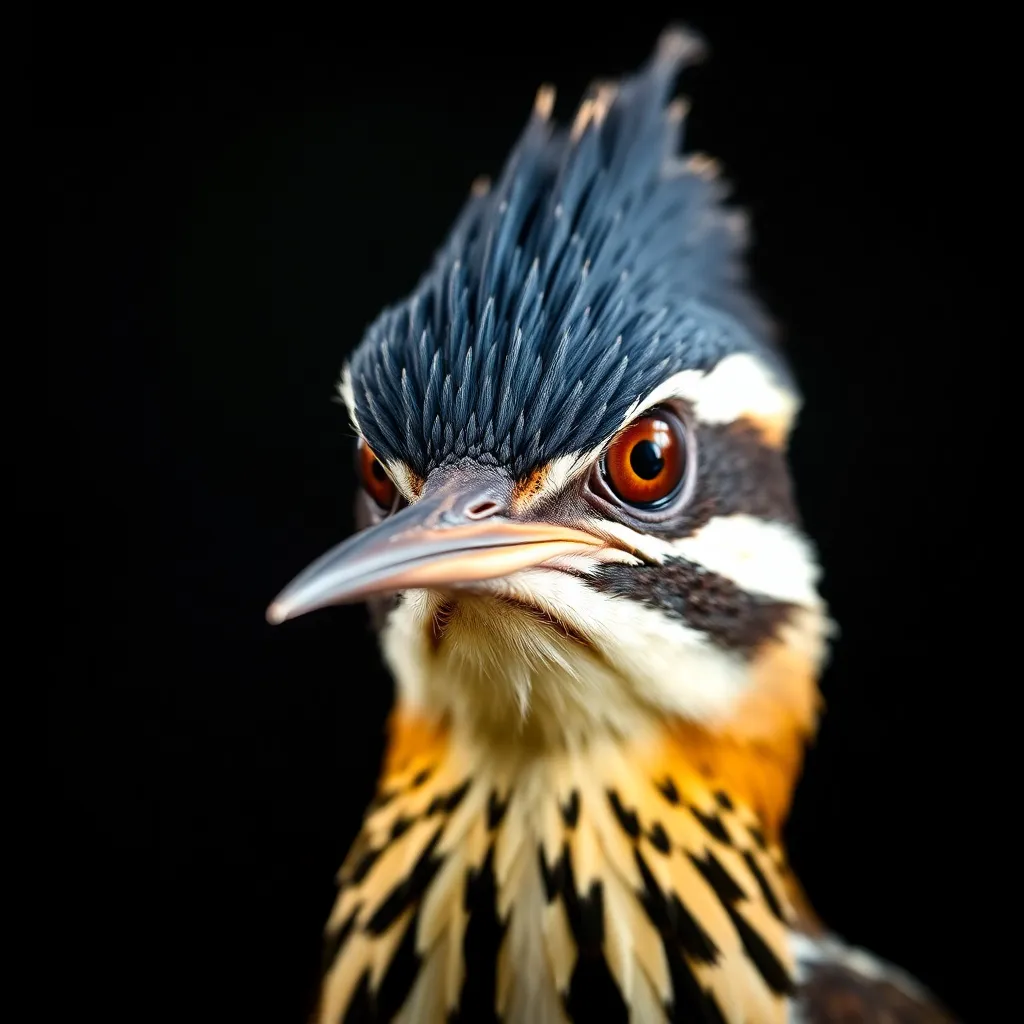
Roadrunner close-up
Roadrunner

SURVIVAL TOOLKIT

Built for Survival

Nature's engineering refined over millions of years

🔬 SURVIVAL TOOLKIT
Solar Heat-Absorbing Skin Patch
01

Solar Heat-Absorbing Skin Patch

A patch of bare, heavily pigmented and vascularized skin on the back functions as a solar panel; spreading the feathers each morning exposes this surface to direct sun to rewarm after nocturnal torpor.

Zygodactyl Running Feet
02

Zygodactyl Running Feet

Two forward and two backward-pointing toes provide balanced, low-friction contact during high-speed running, leaving the characteristic X-shaped tracks on desert substrates.

Skull-Slamming Predation
03

Skull-Slamming Predation

A strong, hooked bill and powerful neck muscles deliver repeated percussive strikes that fracture the skull of rattlesnakes before swallowing — an innate hunting technique for neutralizing dangerous prey.

Facultative Hypothermia
04

Facultative Hypothermia

Allowing core temperature to drop by several degrees overnight reduces metabolic energy demands by up to 50% in food-scarce desert winters, with rapid solar rewarming each dawn.

Salt-Excreting Nasal Gland
05

Salt-Excreting Nasal Gland

A specialized nasal gland concentrates and secretes excess salt from prey and metabolic water, dramatically reducing the need for freshwater drinking in arid desert habitat.

Speed Demon of the Chaparral. An extraordinary creature that reminds us what we stand to lose.

Jungal Safari · Wildlife Network
💡

Did You Know?

Roadrunners regularly hunt and kill rattlesnakes up to 60 cm long, subduing them by grabbing behind the head and repeatedly slamming the snake against a rock or the ground until the skull fractures.

🍖 DIET: CARNIVORE

What Does the Roadrunner Eat?

🐍
Lizards & Snakes
🦂
Scorpions & Tarantulas
🦟
Insects & Grasshoppers
🐭
Small Rodents
🐦
Small Birds
🗺️ GEOGRAPHIC RANGE

Where Do Roadrunners Live?

🌍
Continents
📉
Population Trend Declining

Conservation in Action

How You Can Help the Roadrunner

Small actions, taken together, can reverse the decline of species like this one

🌳
Protect Habitat

Support wildlife reserves and protected land corridors

🚫
Stop Poaching

Report illegal trade and back anti-poaching patrols

🔬
Fund Research

Camera-trap studies and population monitoring

🤝
Community Work

Partner with local herders to reduce conflict

📢
Raise Awareness

Educate and inspire future wildlife champions

"Without urgent action, the Roadrunner could disappear from the wild within our lifetime."

PROTECT THEM. PRESERVE THEIR LEGACY.

The Roadrunner's Future
Is In Our Hands

Every share, every donation, every voice raised — makes a difference for wildlife conservation.

🌳Protect Habitat
📢Raise Awareness
💰Fund Research
🤝Community Work
🚫Stop Poaching

"Protect Wildlife. Preserve Our Planet."

Every species matters. Every action counts.

Advertisement