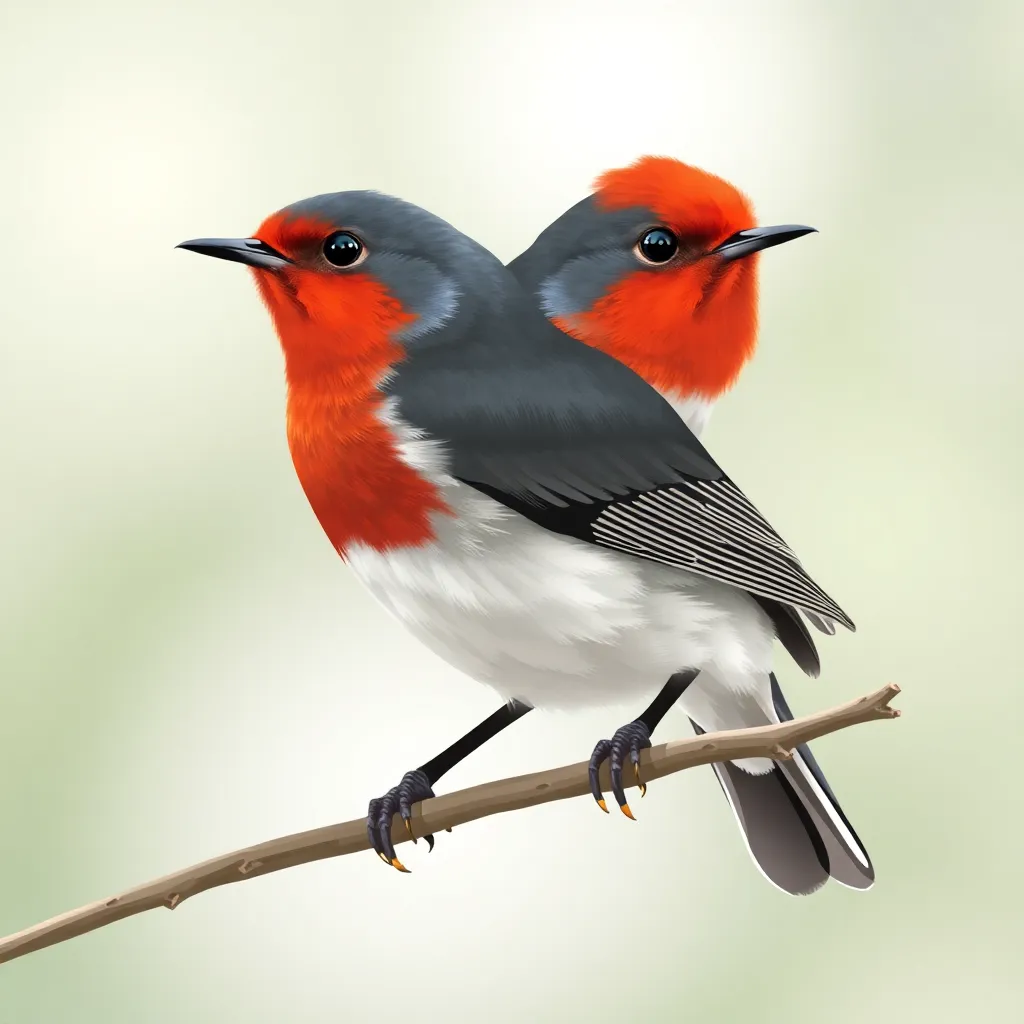
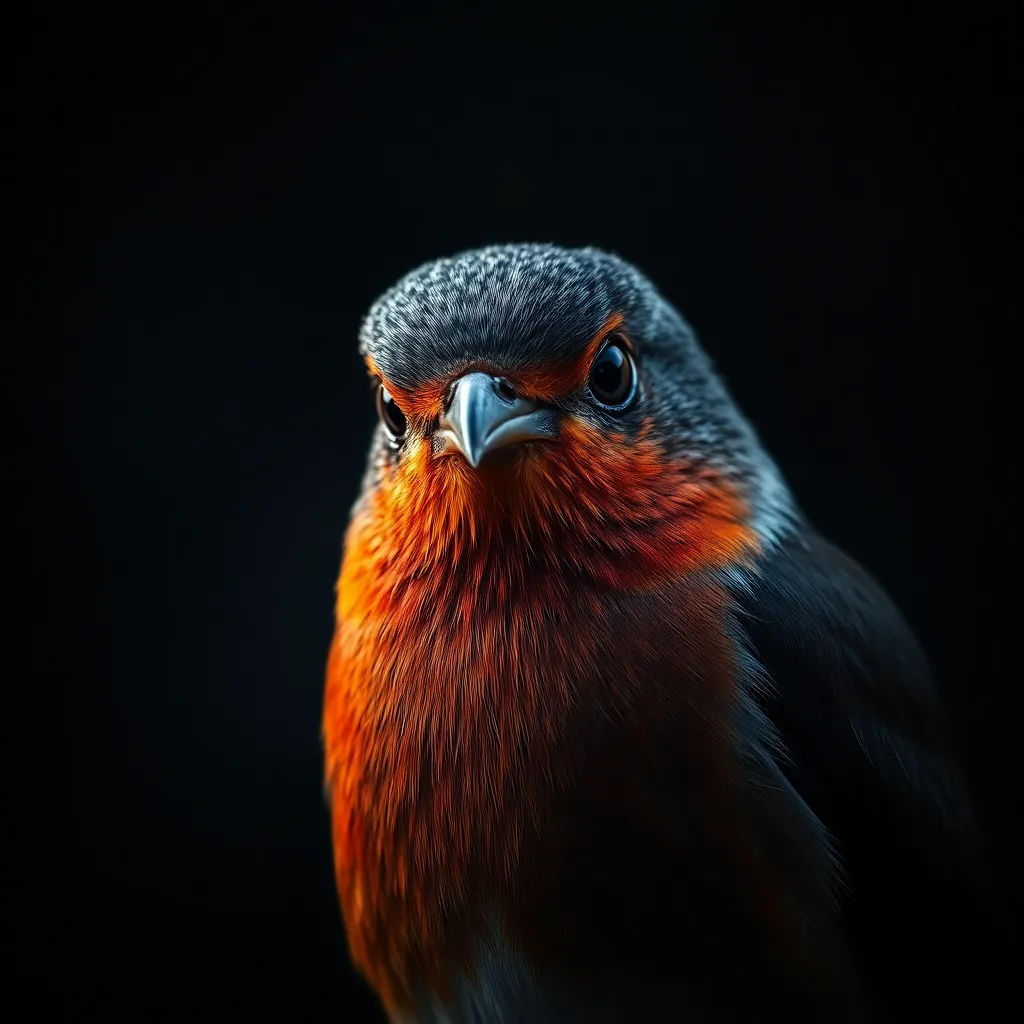
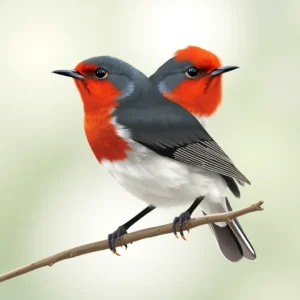
The European Robin is one of the most beloved birds of the British Isles and Europe, its vivid orange-red breast instantly recognizable against winter snow or autumn leaves. Despite its charming reputation, robins are fiercely territorial and will sing year-round — even at night near artificial lighting — to defend prime garden territories. Research has revealed that robins may use quantum entanglement in cryptochrome proteins in their eyes to detect Earth’s magnetic field during migration.
About the Robin
Erithacus rubecula
Advertisement
⚡ Speed Comparison
📸 Photo Gallery
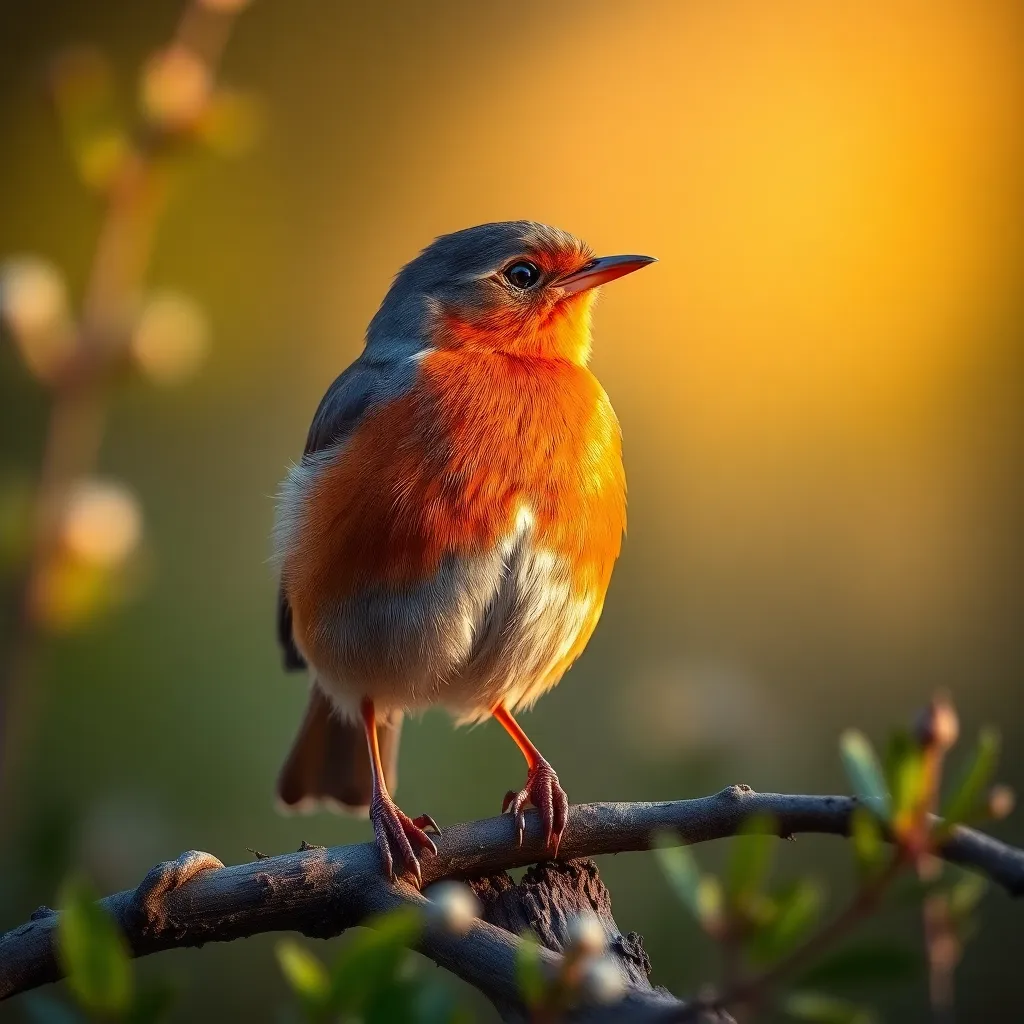
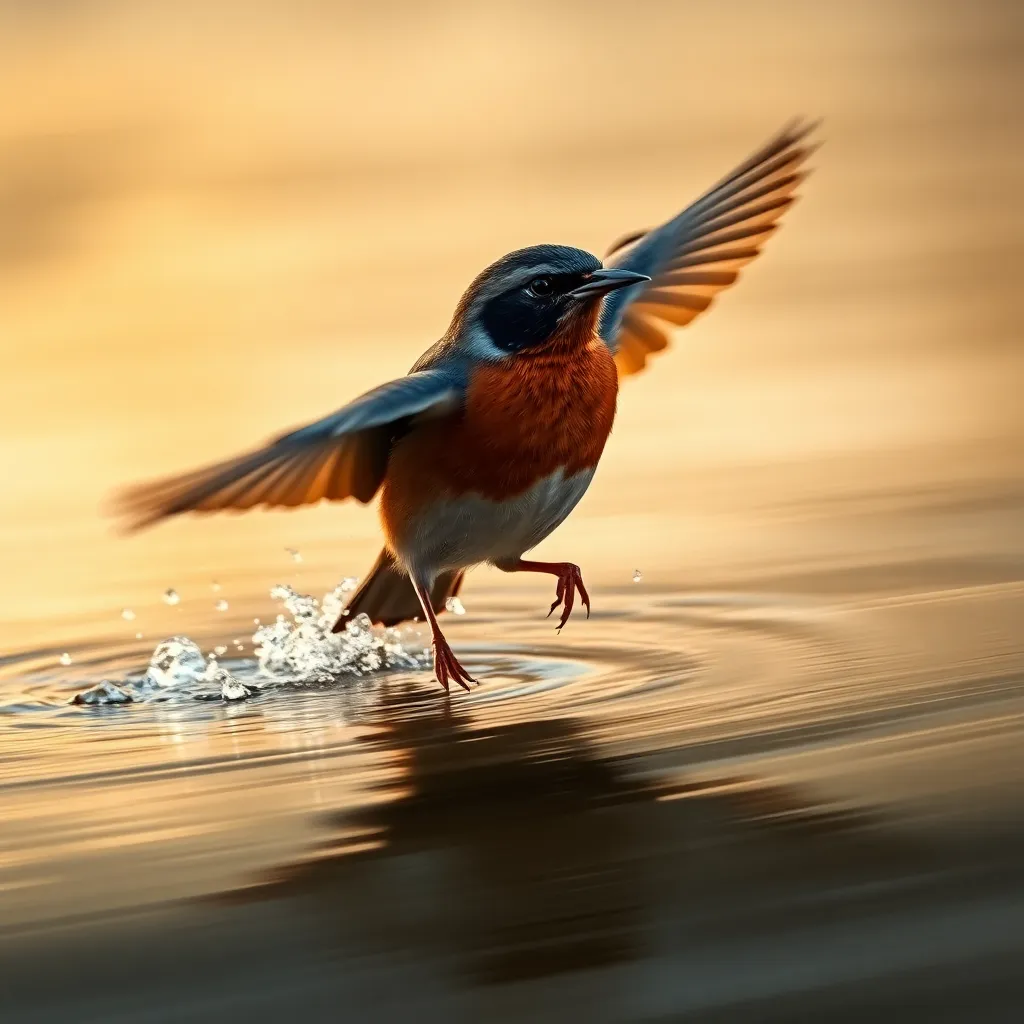
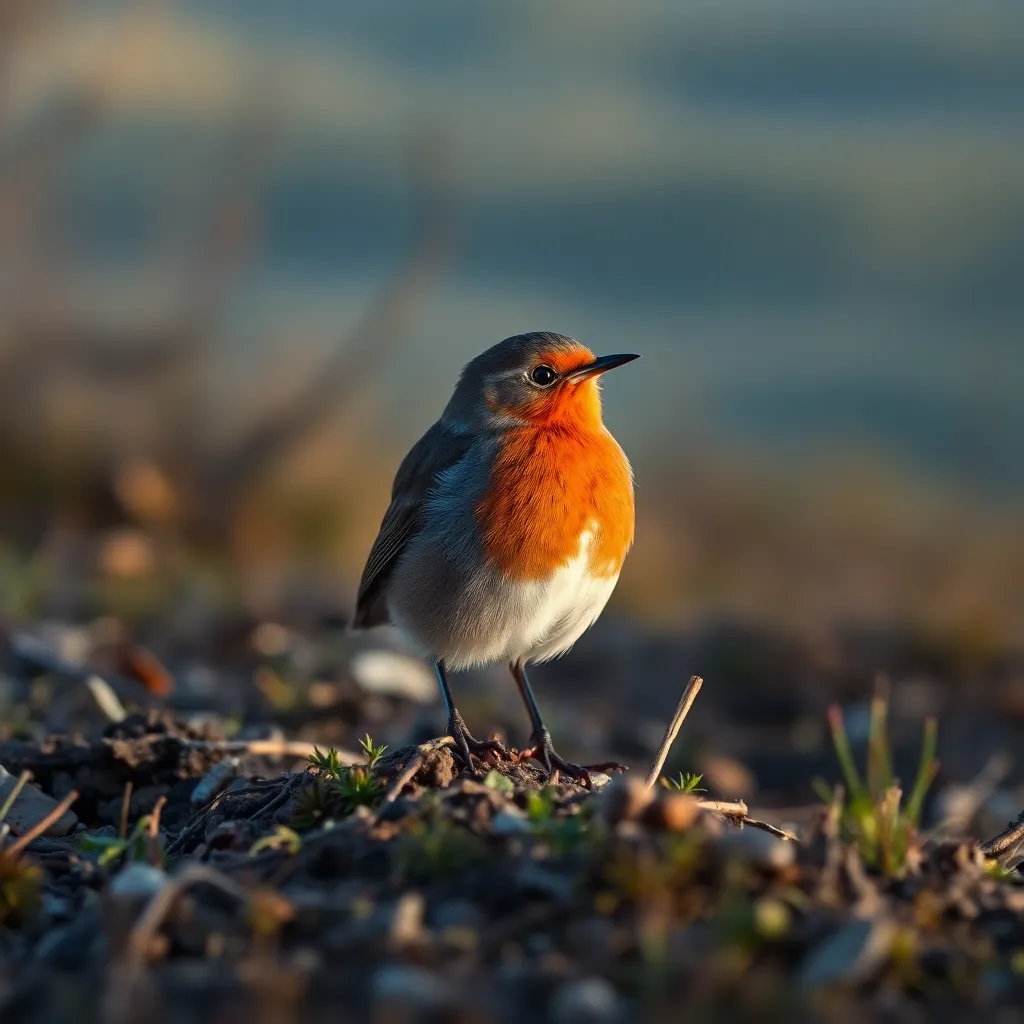
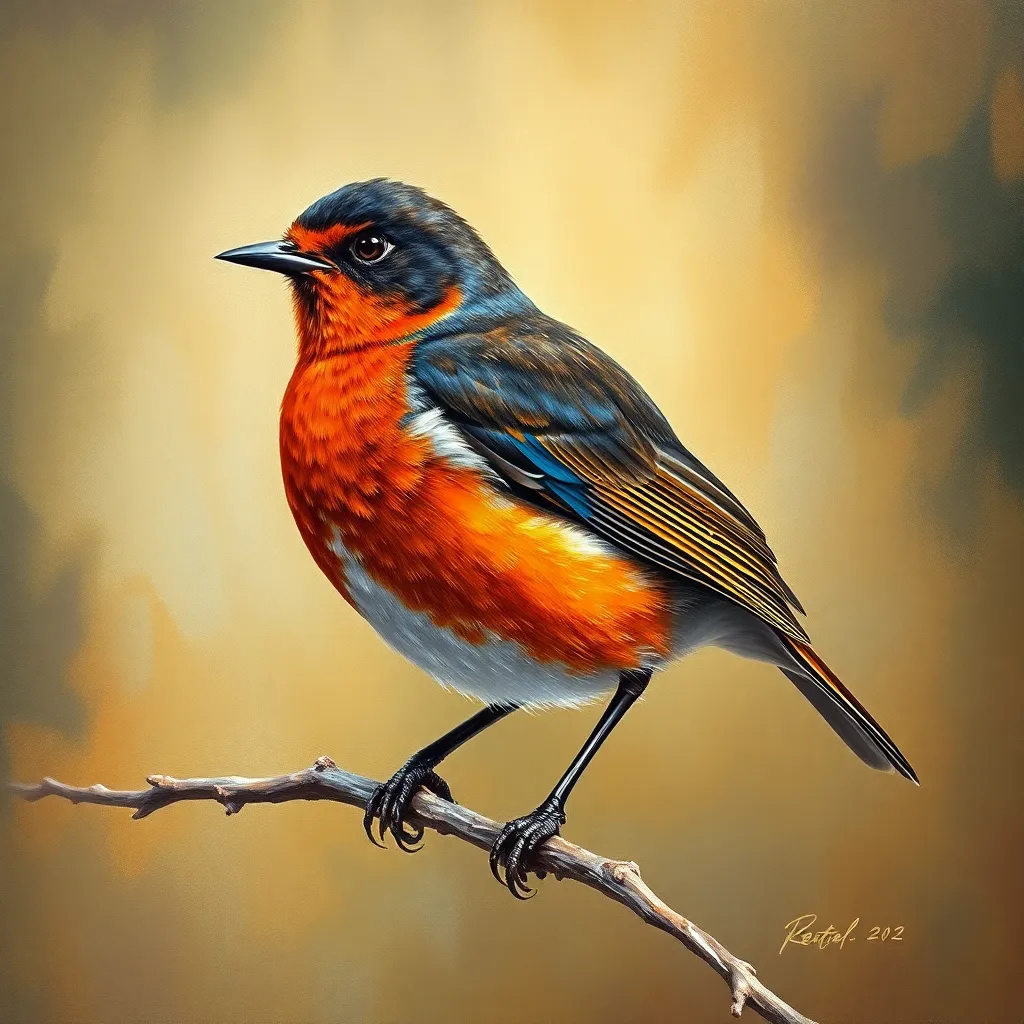
💡 Fun Facts
01
Robins are one of the few birds to sing throughout winter, often vocalizing on moonlit or artificially lit nights in urban areas.
02
They may navigate using quantum compass effects in their eyes — cryptochrome proteins may exploit quantum entanglement to sense Earth's magnetic field lines.
03
Male and female robins look identical to human eyes, but under UV light the male's breast reflects more ultraviolet, which birds can detect.
04
A robin holds a territory year-round and will attack red-feathered intruders — or even a bunch of red feathers on a stick — with fierce aggression.
05
The average robin lives only 13 months in the wild, but the record is 8 years, 5 months, showing extraordinary survival variability.
📍 Where to Find This Animal
Habitat Types:
Temperate Forest & Gardens
🛒 Robin Related Gear
As an Amazon Associate we earn from qualifying purchases.


Join the Conversation
Share your thoughts about the Robin