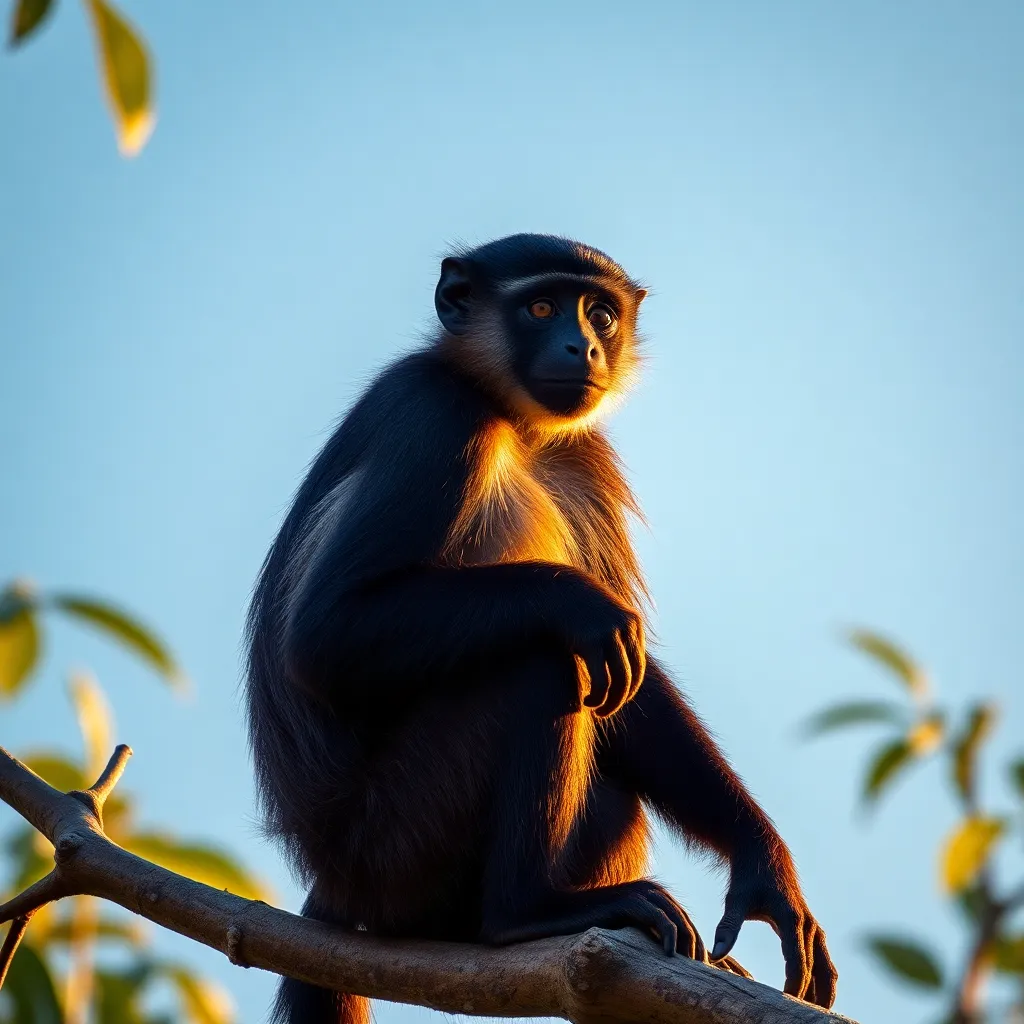
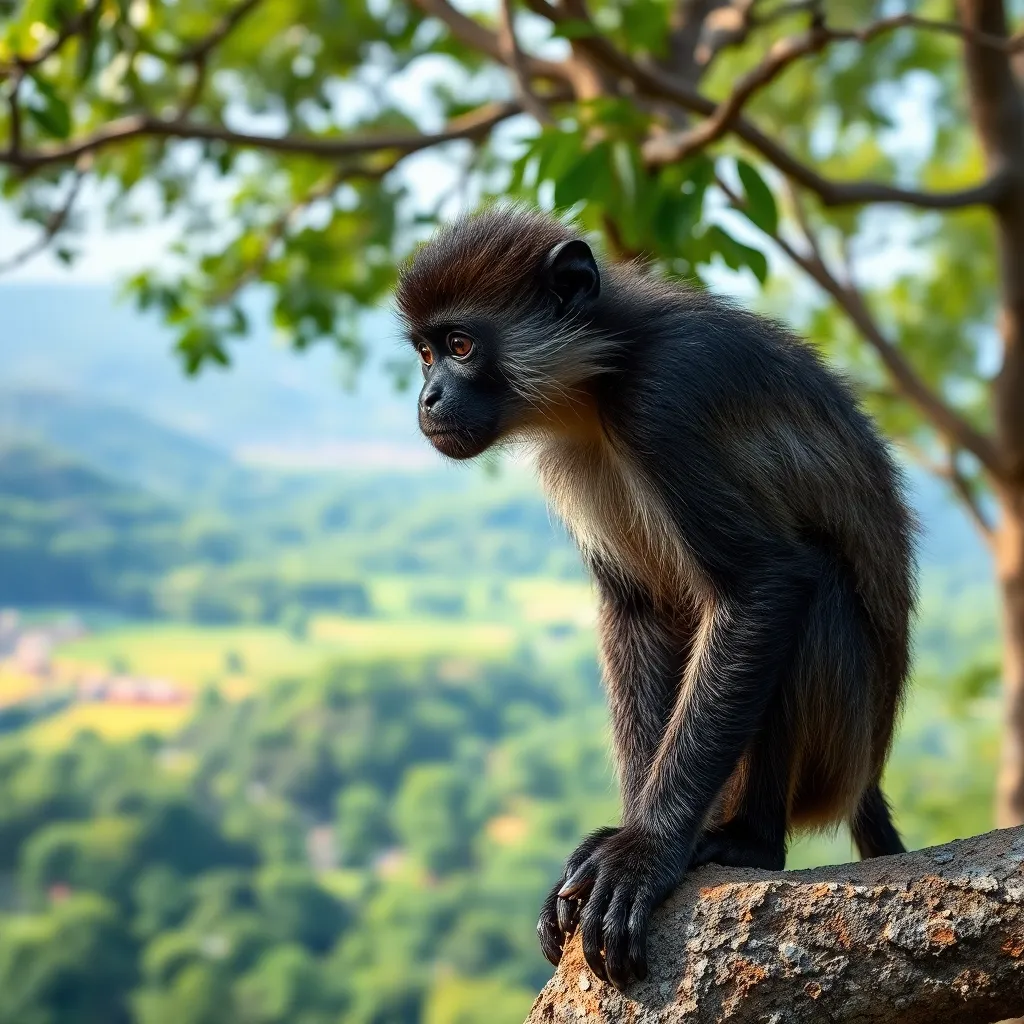
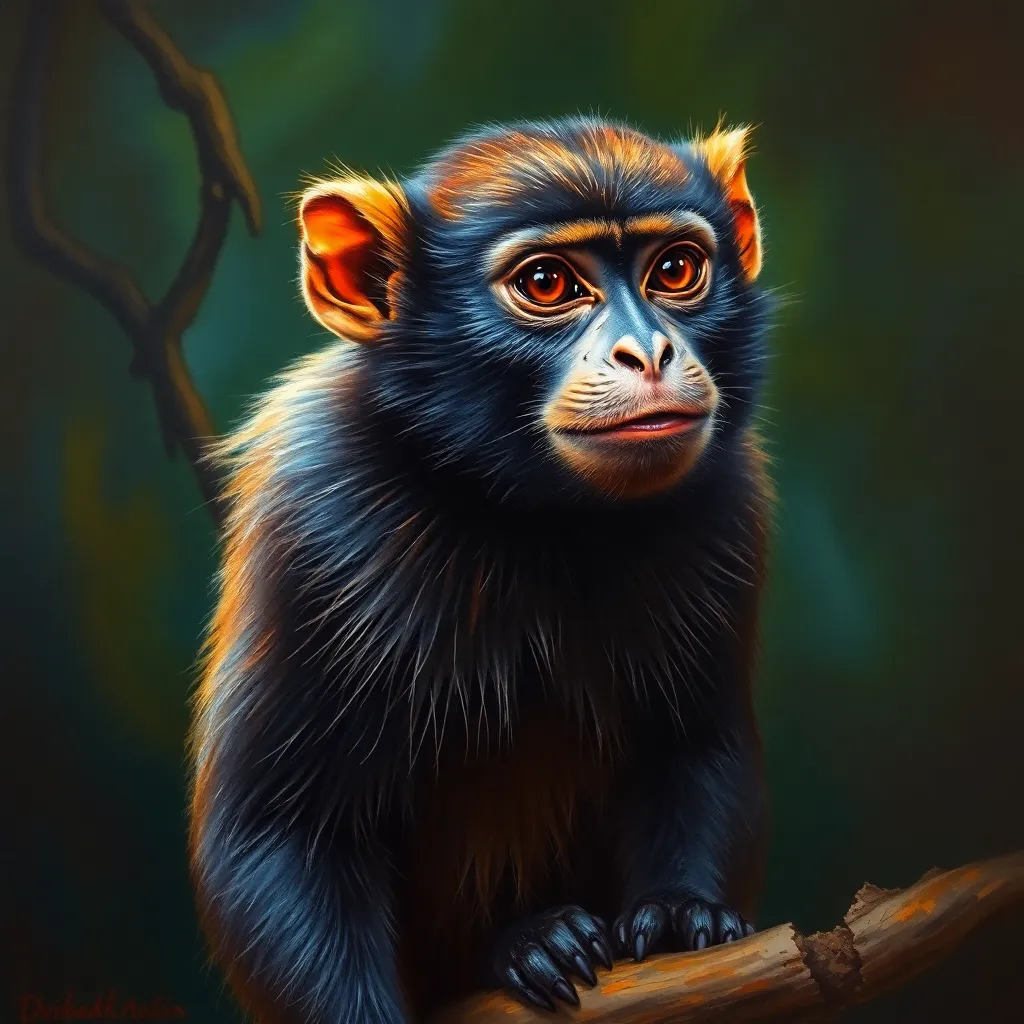
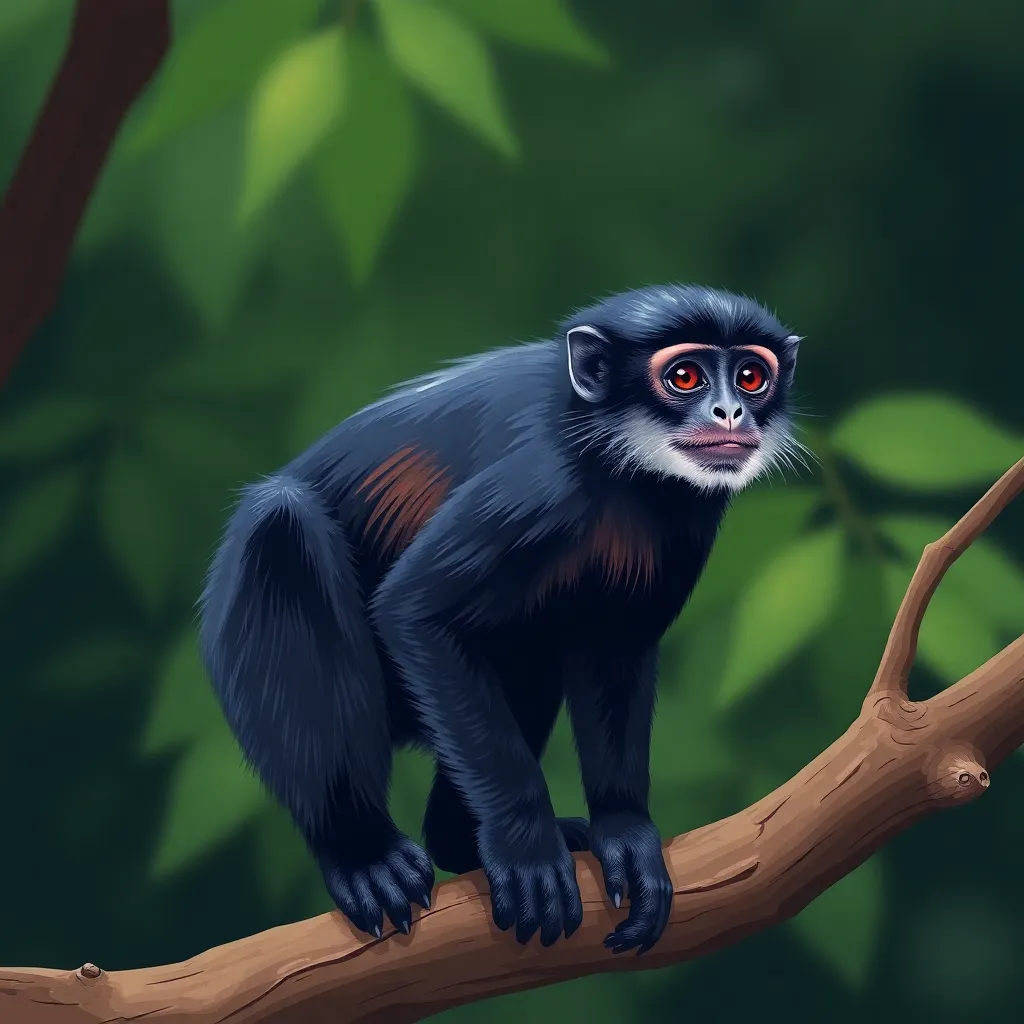
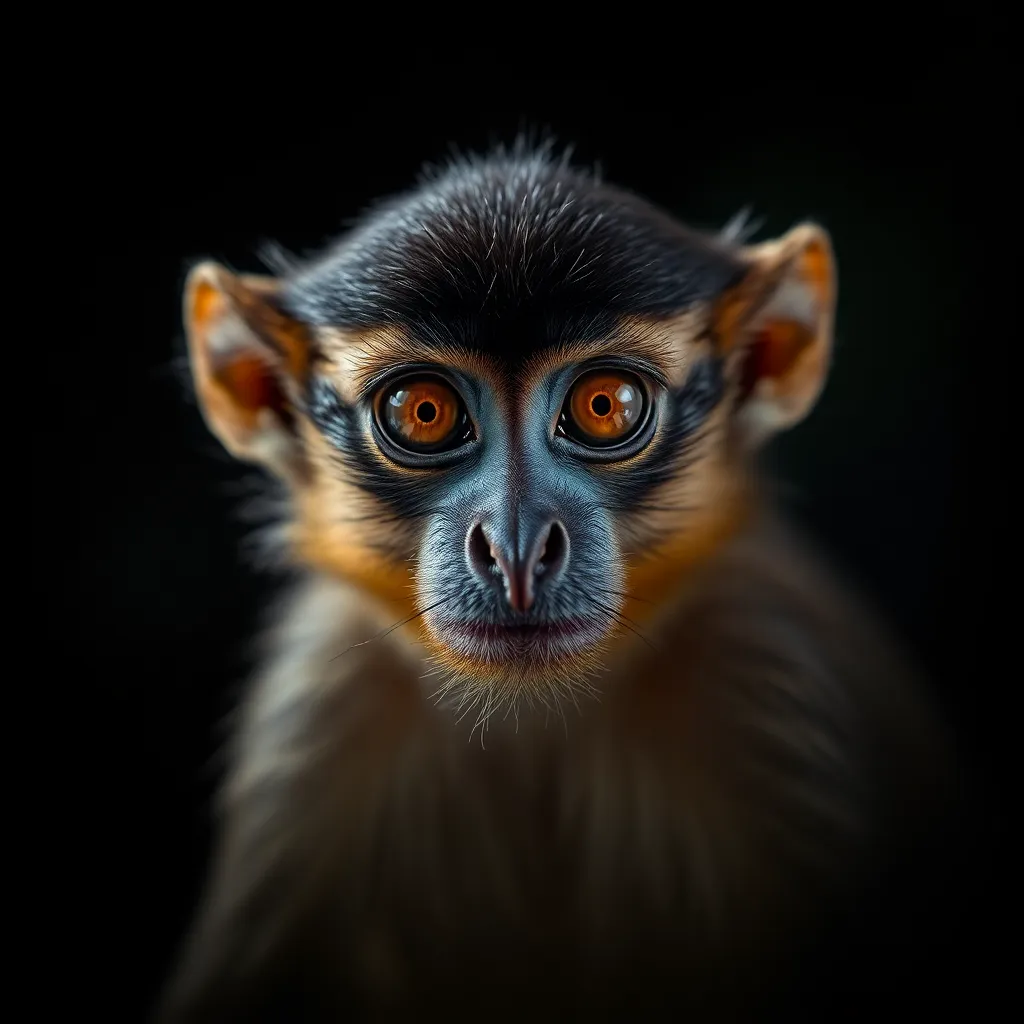
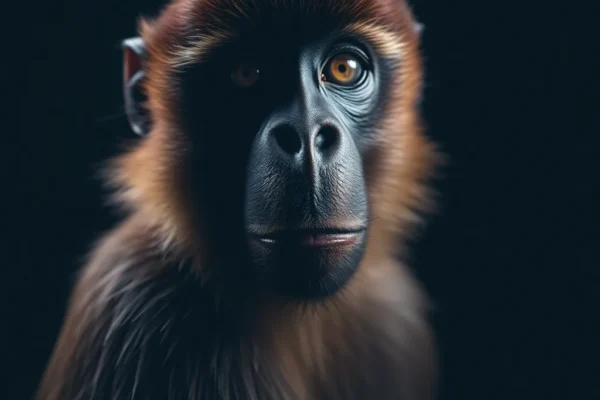
Geoffroy’s spider monkey is one of the largest primates in the Americas and a master of the forest canopy, using its remarkably prehensile tail — which functions as a fully functional fifth limb — to swing, hang, and grasp branches with effortless agility. Spider monkeys play a critical ecological role as seed dispersers; their large home ranges and preference for large, fleshy fruits make them the primary dispersal agent for hundreds of tree species in Central American forests. They are highly sensitive to forest disturbance and among the first primates to disappear from disturbed habitats.
About the Spider Monkey
Ateles geoffroyi
Advertisement
⚡ Speed Comparison
📸 Photo Gallery

💡 Fun Facts
01
The prehensile tail of a spider monkey is stronger than any of its four limbs and has a hairless, friction-padded tip with fingerprint-like ridges that grip branches like a fifth hand.
02
Spider monkeys have no opposable thumb — it has been greatly reduced to allow the hand to function as a hook for faster brachiation through the canopy.
03
A spider monkey can travel over 10 km per day through the canopy in search of ripe fruit, covering more ground than almost any other tropical primate.
04
Female spider monkeys give birth only once every three years, one of the lowest reproductive rates among monkeys, making populations extremely slow to recover from hunting pressure.
05
Spider monkeys have been observed using leaves as sponges to soak up water from tree hollows, then squeezing them into their mouths — a form of tool use.
📍 Where to Find This Animal
Habitat Types:
Tropical Rainforest, Canopy
🛒 Spider Monkey Related Gear
As an Amazon Associate we earn from qualifying purchases.


Join the Conversation
Share your thoughts about the Spider Monkey